Greek Meze and Appetisers · The Dodecanese · Fried · Mezedes and Ouzo
Rhodes Chickpea and Tomato Fritters (Pitaroudia)
Πιταρούδια pee-tah-ROO-thee-ah · Pitaroudia
In short
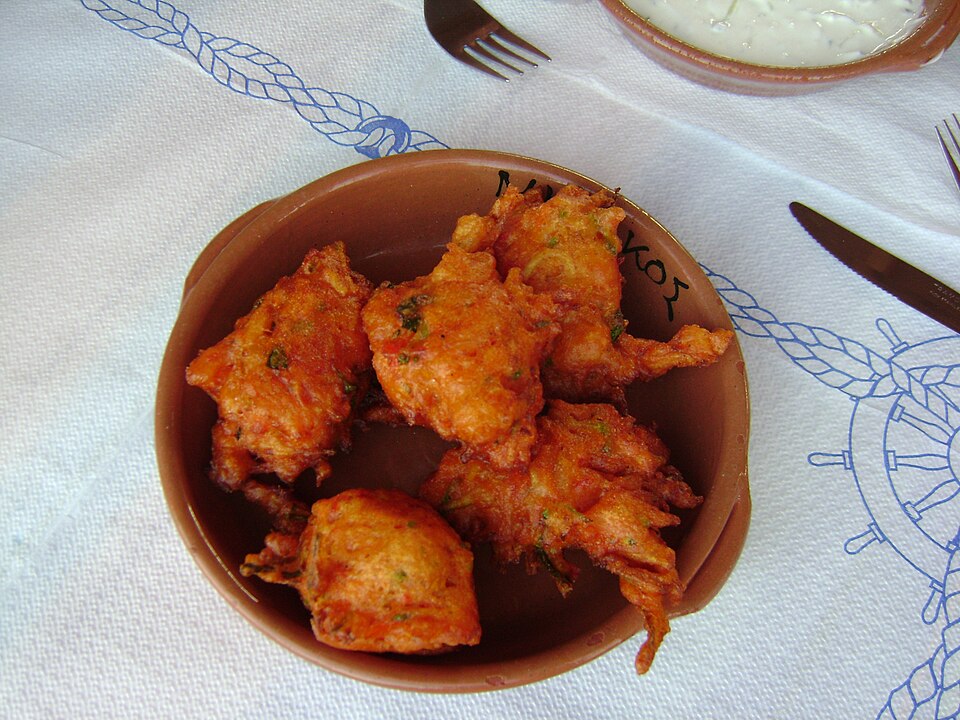
Pitaroudia are fritters from Rhodes made from soaked crushed chickpeas mixed with grated tomato, onion, mint and flour, then deep fried. They are naturally vegan and are a Dodecanese speciality rarely seen elsewhere in Greece.
Rhodes Chickpea and Tomato Fritters
- Prep
- 25m
- Cook
- 20m
- Total
- 45m
- Serves
- 6
- Level
- Beginner
Ingredients
Ingredients
Tick ingredients off as you go. Quantities rescale with the buttons above.
Method
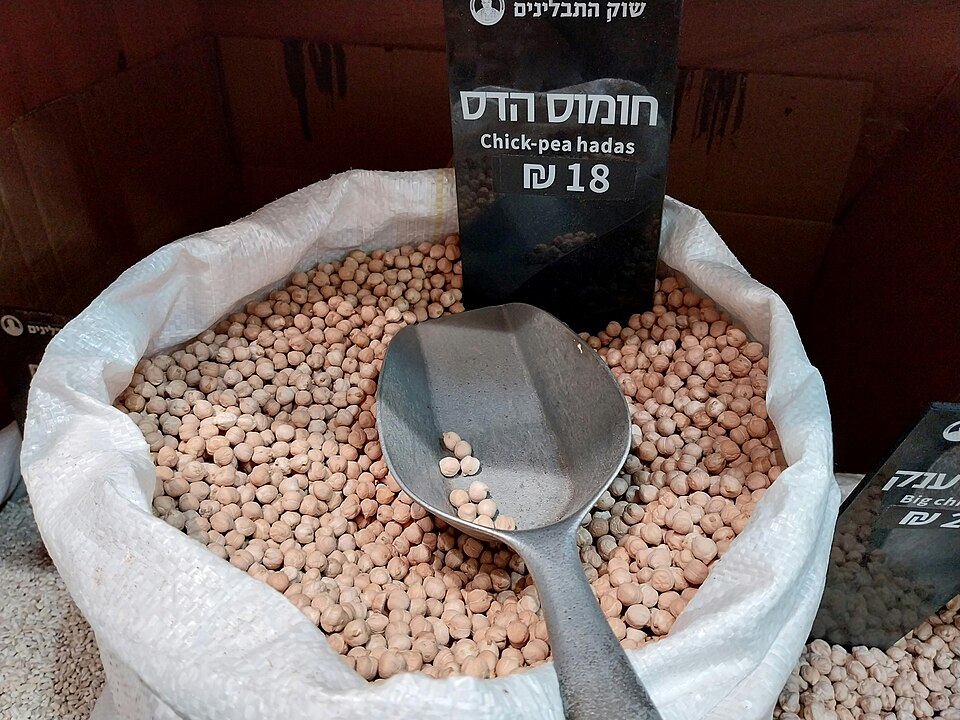
- 01Soak the dried chickpeas in plenty of cold water overnight, at least 12 hours. They will roughly double in size. Drain them thoroughly. Do not cook them.
- 02Pulse the drained chickpeas in a food processor a few times, or pass them through a mincer, until you have a coarse rubble with recognisable pieces. Do not process to a paste.
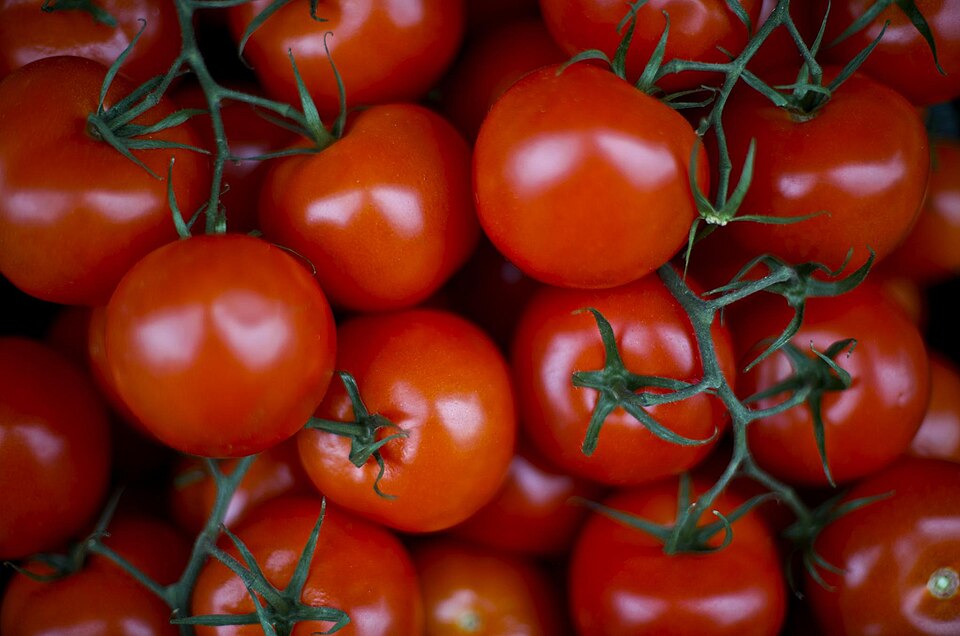
Chickpeas - 03Halve the tomatoes and grate the cut faces on a box grater, discarding the skins. Drain the pulp in a sieve for 5 minutes.Drain the tomato.Yiayia
- 04Combine the crushed chickpeas, drained tomato pulp, onions, spring onions, mint, parsley, cumin and oregano in a large bowl. Season generously.
Tomato - 05Add the flour and mix well. The mixture should just hold together when pressed in your hand.
- 06Cover and refrigerate for 30 minutes so the flour hydrates and the mixture firms up.
Flour - 07If it still will not hold a shape, add a little more flour, a tablespoon at a time.
- 08Heat 3 cm of oil in a deep pan to about 170C. Shape heaped tablespoons of the mixture into small flattened rounds.
- 09Fry in batches, without crowding, for about 3 minutes a side until deep golden and cooked through.
- 10Test one from the first batch: the centre should be firm and nutty rather than chalky. Adjust the heat if the outside is colouring too fast.
- 11Drain on kitchen paper and serve hot with lemon wedges.
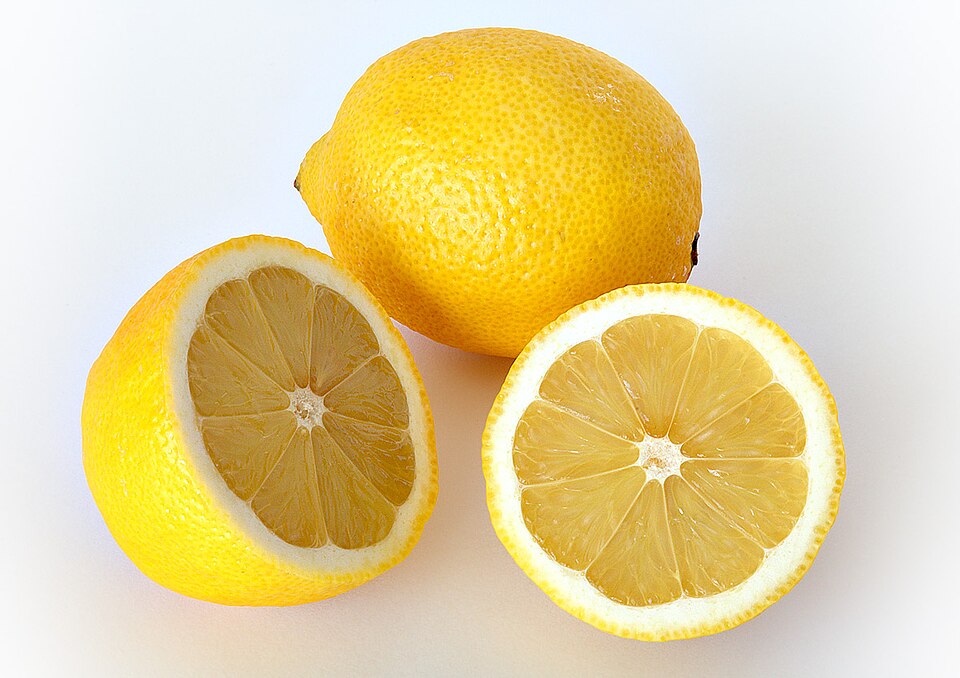
Lemon
Nutrition, per 4 fritters
- Calories
- 286
- Protein
- 12 g
- Carbs
- 38 g
- Fat
- 10 g
- Sat fat
- 1 g
- Fibre
- 9 g
These figures are calculated estimates based on the ingredients listed, not laboratory analysis. Actual values vary with brands, cuts and portion size.
Pitaroudia belong to Rhodes and barely leave it. Ask for them on the mainland and you will mostly get blank looks, which is a shame, because they are among the best fritters in the Greek repertoire.
They are built on soaked but uncooked chickpeas, crushed rather than pureed, which gives a coarse nutty texture completely unlike a smooth falafel. Grated tomato goes in with them, along with onion and a lot of mint, and the mixture is bound with just enough flour to hold.
The Dodecanese sit close to the Anatolian coast and the influence shows: cumin appears here in a way it does not in mainland Greek cooking.
Key preparation steps
- Soak the chickpeas overnight but do not cook them.
- Crush coarsely, keeping texture rather than making a paste.
- Mix with grated tomato, onion, mint and enough flour to bind.
- Rest the mixture, then deep fry until deep golden.
Raw soaked chickpeas, not cooked ones
This is the critical point and the one that surprises people. The chickpeas are soaked overnight until they have roughly doubled and softened enough to crush, but they are never boiled.
Cooked chickpeas contain far too much water. Mixed into a fritter they turn to mush and require so much flour to bind that the result is stodgy.
Raw soaked chickpeas cook through during the frying, in the same way falafel does, and hold a firm nutty texture. Tinned chickpeas will not work here.
Crush, do not blend
Pulse in a food processor a few times, or work them through a mincer, until you have a coarse rubble with recognisable pieces. Stop well before it becomes a paste.
Texture is the entire appeal of pitaroudia. A smooth mixture gives you a Greek falafel, which is fine but is not this dish.
Grate the tomatoes as for dakos and strapatsada, discarding the skins, and drain the pulp briefly so the mixture is not too wet.
Resting the mixture
Thirty minutes in the fridge, minimum. The flour hydrates, the chickpeas absorb the tomato juice, and the mixture firms up enough to shape.
If after resting it still will not hold a shape, add flour a tablespoon at a time, but be sparing. Too much flour is the main cause of a heavy fritter.
Shape into small flattened rounds rather than balls, which cook through more evenly.
Frying and serving
Deep or shallow fry at around 170C until deep golden and cooked through, about three minutes a side. They need to be properly cooked in the middle since the chickpeas start raw, so keep the heat moderate rather than fierce.
Test one from the first batch before committing the rest. The centre should be firm and nutty, not chalky.
Serve hot with lemon, and with tzatziki or a yogurt dip if you are not fasting. On Rhodes they appear alongside ouzo as a matter of course.
What matters in this dish
Never use tinned chickpeas
They are already cooked and far too wet. The dish depends on raw soaked chickpeas cooking through during the fry.
Moderate heat
Too hot and the outside is dark before the chickpeas inside are cooked. Around 170C gives you time for both.
Drain the tomato
Five minutes in a sieve removes enough juice that you need considerably less flour, which keeps the fritters light.
Questions people ask about Pitaroudia
What are pitaroudia?
Fritters from Rhodes made from soaked raw chickpeas crushed coarsely with grated tomato, onion and mint. They are a Dodecanese speciality and rarely seen elsewhere in Greece.
Can you use tinned chickpeas for pitaroudia?
No. Cooked chickpeas hold far too much water and the mixture turns to mush. Dried chickpeas soaked overnight but never boiled are essential.
Are pitaroudia vegan?
Yes, entirely. They contain no animal products and appear on Rhodian fasting tables.
Can you bake pitaroudia?
You can, at 200C for about 25 minutes with a good brushing of oil, but the texture suffers more than with most fritters because the chickpeas rely on the hot oil to cook through properly.