Greek Main Courses · The Mainland · Baked · The Sunday Table
Traditional Greek Moussaka Recipe with Aubergines and Potatoes
Μουσακάς moo-sah-KAHS · Mousakas
In short
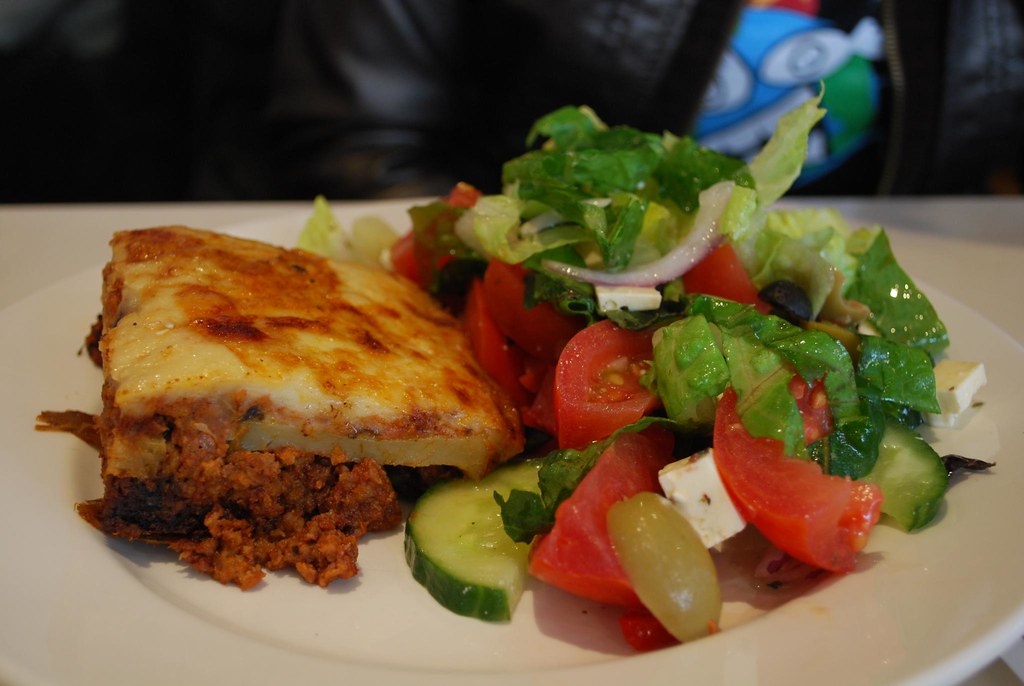
Greek moussaka is a baked casserole of sliced aubergines and potatoes layered with cinnamon-spiced lamb or beef mince and topped with a thick bechamel enriched with egg yolks and cheese. It bakes for about an hour and must rest before slicing.
Moussaka
- Prep
- 50m
- Cook
- 1h 5m
- Total
- 1h 55m
- Serves
- 8
- Level
- Intermediate
Ingredients
For the vegetables
For the meat sauce
For the bechamel
Tick ingredients off as you go. Quantities rescale with the buttons above.
Method
- 01Lay the aubergine slices in a colander, salting each layer generously. Leave for at least 30 minutes to draw out the bitter juices, then rinse and press dry between clean tea towels. They must be properly dry or they will steam rather than colour.
- 02Heat the oven to 220C fan 200C. Brush the aubergine and potato slices on both sides with olive oil, spread on baking trays without overlapping, and roast for 20 to 25 minutes until golden and softened. Alternatively, shallow-fry both in olive oil in batches, draining on kitchen paper. Set aside and lower the oven to 180C fan 160C.
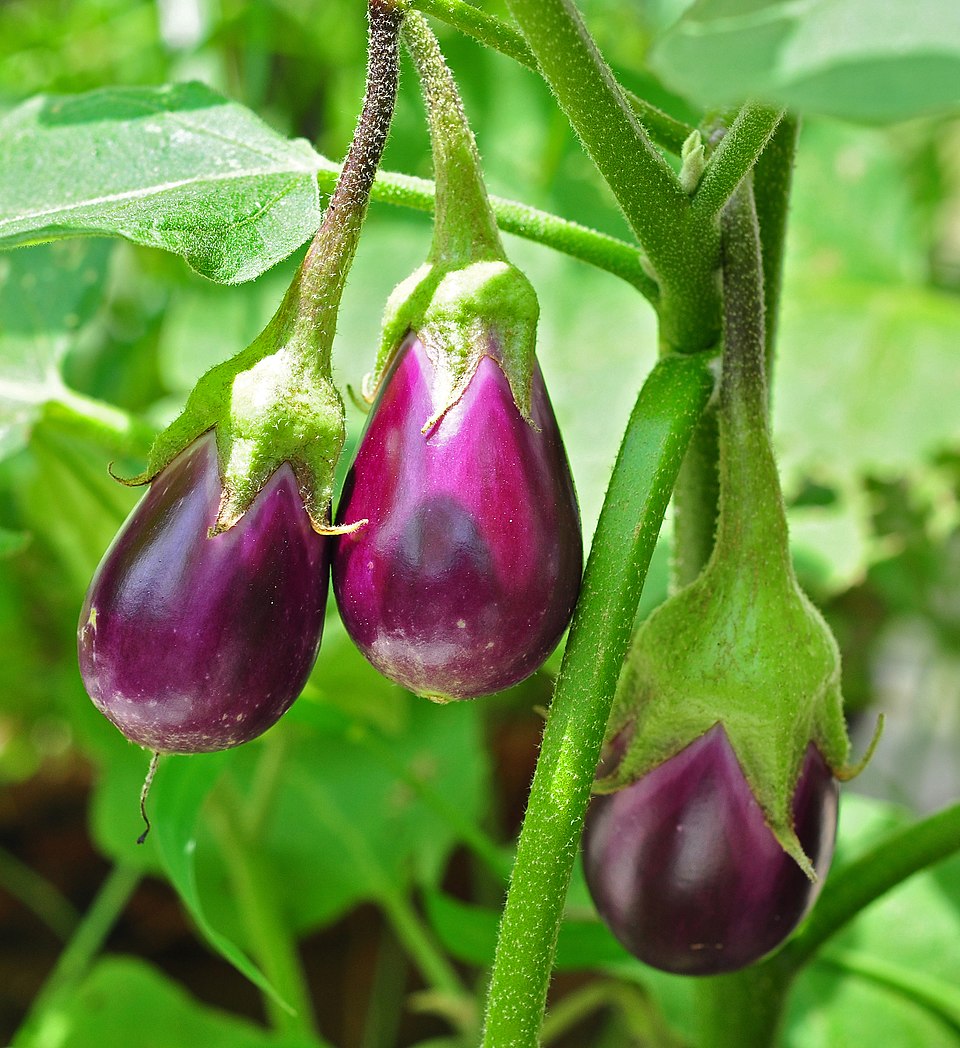
Aubergine - 03Brown the mince in a wide pan over high heat, breaking it up, until it has taken real colour. Do this in two batches rather than crowding the pan. Remove and set aside.
- 04Lower the heat, add a little more oil, and cook the onions gently for 8 minutes until soft and translucent. Add the garlic and cook for one more minute until fragrant.
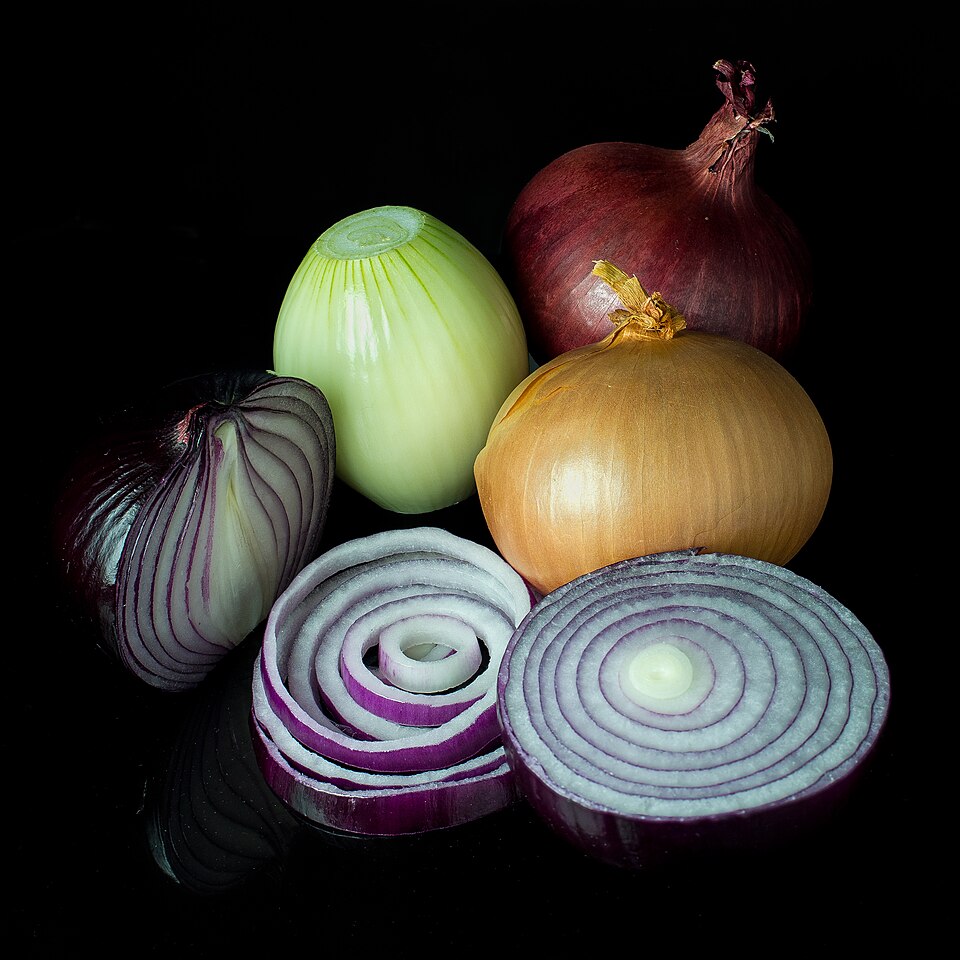
Onion - 05Return the meat, pour in the wine and let it bubble hard until almost fully evaporated. Stir in the tomatoes, tomato puree, cinnamon, allspice, bay leaf and oregano, and season well.
- 06Simmer uncovered for 40 minutes, stirring now and then, until the sauce is thick and almost dry. Drawing a spoon across the base should leave a clear channel. Remove the bay leaf and check the seasoning.
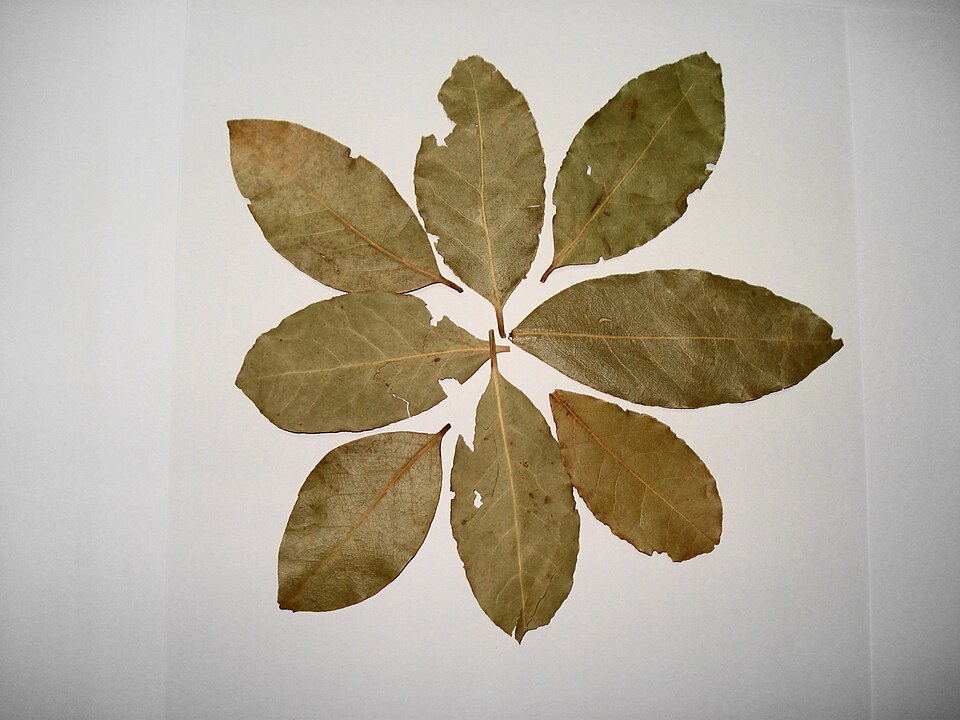
Bay Leaf - 07For the bechamel, melt the butter in a heavy pan, stir in the flour and cook the roux for 2 minutes without letting it colour. Add the warm milk a ladleful at a time, whisking constantly and letting each addition come together before adding the next.
- 08Cook the sauce for 8 to 10 minutes, whisking, until very thick and it holds a mound on the spoon. Take off the heat and let it cool for 5 minutes.
- 09Beat in the egg yolks one at a time, working quickly, then stir in most of the cheese and the nutmeg. Season firmly with salt and white pepper.
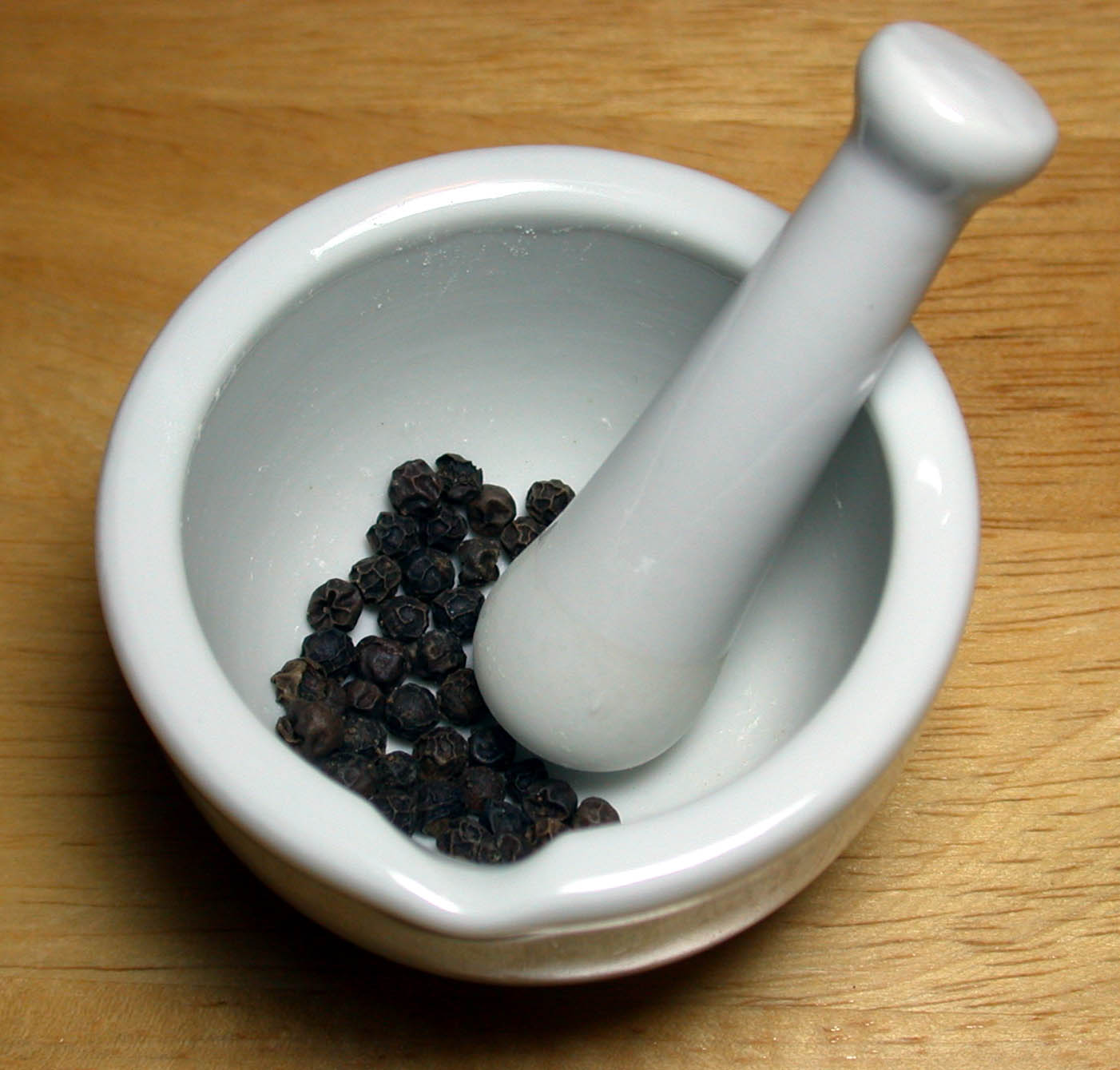
Black Pepper - 10Oil a deep baking dish about 30 x 22 cm. Lay the potato slices over the base in an even, slightly overlapping layer. Cover with half the aubergines, then spread over all the meat sauce, then the remaining aubergines, pressing each layer down gently.Reduce the meat sauce further than feels right.Yiayia
- 11Pour over the bechamel and spread it to the edges so the surface is completely sealed. Scatter with the remaining cheese.
- 12Bake for 50 to 60 minutes until deeply golden and set. If the top is still pale, finish under a hot grill for 3 to 4 minutes, watching it closely.
- 13Rest for at least 30 minutes before cutting. This is essential: cut it hot and the layers will slide. Serve with a sharp Greek salad and bread.
Nutrition, per 1 square
- Calories
- 612
- Protein
- 31 g
- Carbs
- 34 g
- Fat
- 39 g
- Sat fat
- 16 g
- Fibre
- 7 g
These figures are calculated estimates based on the ingredients listed, not laboratory analysis. Actual values vary with brands, cuts and portion size.
Moussaka is the dish most people mean when they say Greek food, and it is also the one most often ruined. Not by bad ingredients, but by water. Aubergines hold an enormous amount of it, mince releases more, and if you layer all of that up wet and hope the oven sorts it out, you get a tray you have to serve with a spoon.
Everything in the method below is arranged around getting moisture out before the dish is assembled. Salt the aubergines. Cook the meat sauce down further than feels necessary. Make the bechamel thick enough that it holds a shape on the spoon. Do those three things and you will cut clean squares that stand up on the plate, which is the whole point.
This is a long recipe and it is not a weeknight dish. It is, however, almost entirely make-ahead, and it reheats better than it bakes fresh. Read the make-ahead section before you start and you can spread it over two days without any loss.
Key preparation steps
- Salt and drain the aubergine slices for at least thirty minutes, then dry them properly.
- Roast or fry the aubergines and potatoes until coloured, not just softened.
- Cook the mince sauce down until no liquid pools when you draw a spoon through it.
- Make a bechamel thick enough to mound, then beat in egg yolks off the heat.
- Layer, top, bake until deeply browned, and rest for a full thirty minutes before cutting.
What is moussaka, exactly?
Moussaka is a layered baked dish built from three separate components: sliced vegetables, a spiced minced meat sauce, and a bechamel topping. The Greek version as we know it is not especially old. It was codified in the 1920s by Nikolaos Tselementes, a French-trained Greek chef whose cookbook was so influential that his surname is still the ordinary Greek word for a cookbook.
Tselementes is the reason there is bechamel on top. Earlier Ottoman-era versions of the dish, and the versions still eaten across the Balkans and the Levant, generally have no white sauce at all. Whether that makes the Greek version more or less authentic is an argument you can have at the table. It is certainly the version people mean when they order moussaka in Greece.
Should you fry or roast the aubergines for moussaka?
Fry them if you want the traditional result, roast them if you want a lighter dish and less mess. Frying in olive oil gives a richer, silkier layer and a flavour that roasting does not quite reach. It also absorbs a serious amount of oil, which is exactly why it tastes the way it does.
Roasting at a high temperature, around 220C, with the slices brushed on both sides, gets you around ninety percent of the way there for a fraction of the oil and none of the standing over a pan. I roast on a weeknight and fry when it matters. What you must not do is skip the browning entirely and layer in raw or merely steamed slices. Colour is flavour here, and pale aubergine turns to grey mush in the bake.
Do you put potatoes in moussaka or not?
Both are traditional, and it splits along regional and household lines rather than right and wrong. A potato base makes the dish more substantial, absorbs juices from the meat sauce, and gives you a firm floor that makes slicing far easier. Purists who want aubergine to dominate leave them out.
If you are making moussaka for the first time, use the potatoes. They are forgiving and they solve the structural problem. If you leave them out, cook your meat sauce noticeably drier to compensate, because you have removed the layer that was going to soak up the excess.
The meat sauce
Lamb is the traditional choice and gives the deeper flavour. Beef is the common substitute and is perfectly good. A half-and-half mix is arguably better than either alone.
The spicing is where Greek moussaka declares itself: cinnamon, a little allspice, a bay leaf, and often a small grating of nutmeg. It should be warm and aromatic rather than sweet, so keep the hand light. A splash of red wine, reduced right down, adds depth and cuts the richness.
Cook the sauce far longer than you think. You are looking for a thick, almost dry mixture where drawing a spoon across the base leaves a channel that does not immediately fill with liquid. This usually takes forty minutes at a bare simmer, uncovered. Under-reducing the sauce is the single most common cause of a soupy moussaka.
Getting the bechamel right
Moussaka bechamel is not pouring sauce. It wants to be thick enough to sit on a spoon in a soft mound, closer to a loose choux paste than to a gravy. That means a higher flour-to-milk ratio than you would use for a lasagne.
Warm the milk before it goes into the roux and add it gradually, whisking, and you will not get lumps. Once it has thickened, take it off the heat and let it cool for a few minutes before beating in the egg yolks, or you will scramble them. The yolks are what give the top its custardy set and its colour.
Finish with grated kefalotyri or a good pecorino, plus a scrape of nutmeg. Season it more assertively than tastes right in the pan, because it has a whole tray of food underneath it to carry.
Assembling and baking
Order matters. Potatoes on the bottom, then aubergines, then the meat sauce, then a second aubergine layer if you have enough slices, then the bechamel. Press each layer down gently as you go so there are no air pockets, and spread the bechamel right to the edges so it seals the top completely.
Bake at 180C until the top is properly browned, not merely set. A pale moussaka is an under-baked moussaka. Around fifty minutes to an hour usually does it, and if the top is stubborn, a few minutes under the grill at the end will finish it.
Why you must let moussaka rest
This is not optional and it is not fussiness. Straight from the oven, the layers are molten and will slump the moment you cut them. Thirty minutes on the counter lets everything set, and forty-five is better. It will still be hot in the middle.
If you can plan a day ahead, bake it, cool it completely, refrigerate it overnight and reheat portions the next day. It is genuinely better, the flavours settle, and the slices are immaculate.
What to serve with moussaka
Moussaka is rich and needs sharp, cold, simple things beside it. A horiatiki salad with good vinegar is the standard and the best answer. Bread to deal with the tray. Nothing else is really required.
Do not serve it with another starch or another baked dish. It is a complete meal and it will beat anything you put next to it.
What matters in this dish
Salt the aubergines even if the packet says you do not need to
Modern aubergines are far less bitter than they used to be, so salting is often called unnecessary. That misses the point. Salting collapses the cell structure and drives out water, which means the slices absorb less oil and hold their shape in the bake.
Reduce the meat sauce further than feels right
It will look too dry in the pan. It is not. The aubergines and the bechamel both release moisture during the bake and will bring it back.
Use a deep dish
A shallow tin gives you thin layers, a high proportion of browned top to filling, and squares that fall apart. 6 cm deep is about right.
Questions people ask about Mousakas
Can you make moussaka in advance?
Yes, and it is better for it. Assemble the whole dish up to two days ahead, keep it covered in the fridge unbaked, then bake from cold adding about 15 minutes. Or bake it fully, cool, refrigerate overnight and reheat at 160C for 25 minutes. The layers set firm and slice far more cleanly.
Can you freeze moussaka?
Yes. Freeze it either assembled and unbaked, or fully baked and cut into portions. Both keep for three months. Thaw overnight in the fridge before reheating, because baking from frozen browns the top long before the middle is hot.
Why is my moussaka watery?
Almost always one of three things: the aubergines were not salted and dried, they were not browned properly before layering, or the meat sauce was not reduced enough. The bechamel being too thin is a distant fourth. Fix the meat sauce first, it is usually the culprit.
What is the difference between moussaka and pastitsio?
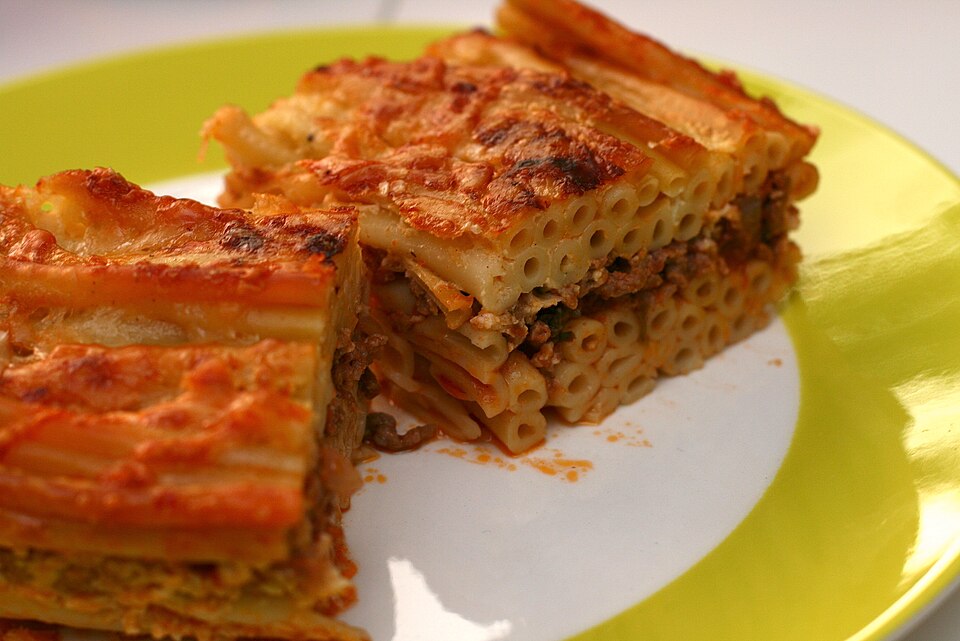
They share the same spiced mince sauce and the same bechamel top. Moussaka layers it with aubergine and potato, pastitsio with thick tubular pasta. Pastitsio is the easier of the two and a good place to start.
Can I make moussaka without bechamel?
You can, and versions across the Balkans and the Middle East do exactly that, often finishing with a beaten egg and yogurt topping instead. It will not be the Greek restaurant dish, but it is lighter and entirely legitimate.
What meat is traditionally used in Greek moussaka?
Lamb, traditionally, and it gives the fullest flavour. Beef is widely used in Greece today and is what most tavernas serve. A mixture of the two is a very good compromise.