Greek Dips and Sauces · The Cyclades · Boiled and Simmered · Mezedes and Ouzo
Greek Yellow Split Pea Puree (Santorini Fava)
Φάβα Σαντορίνης FAH-vah san-to-REE-nees · Fava Santorinis
In short
Greek fava is a puree of yellow split peas simmered with onion until they collapse, then whipped smooth with olive oil and lemon. Despite the name it contains no fava beans. The Santorini version uses a protected local variety of split pea.
Yellow Split Pea Puree
- Prep
- 10m
- Cook
- 50m
- Total
- 1h
- Serves
- 6
- Level
- Beginner
Ingredients
For the fava
To serve
Tick ingredients off as you go. Quantities rescale with the buttons above.
Method
- 01Rinse the split peas thoroughly under cold running water until the water runs clear. Do not soak them.
- 02Put them in a large pan with the water, onion, garlic and bay leaf. Bring to the boil.
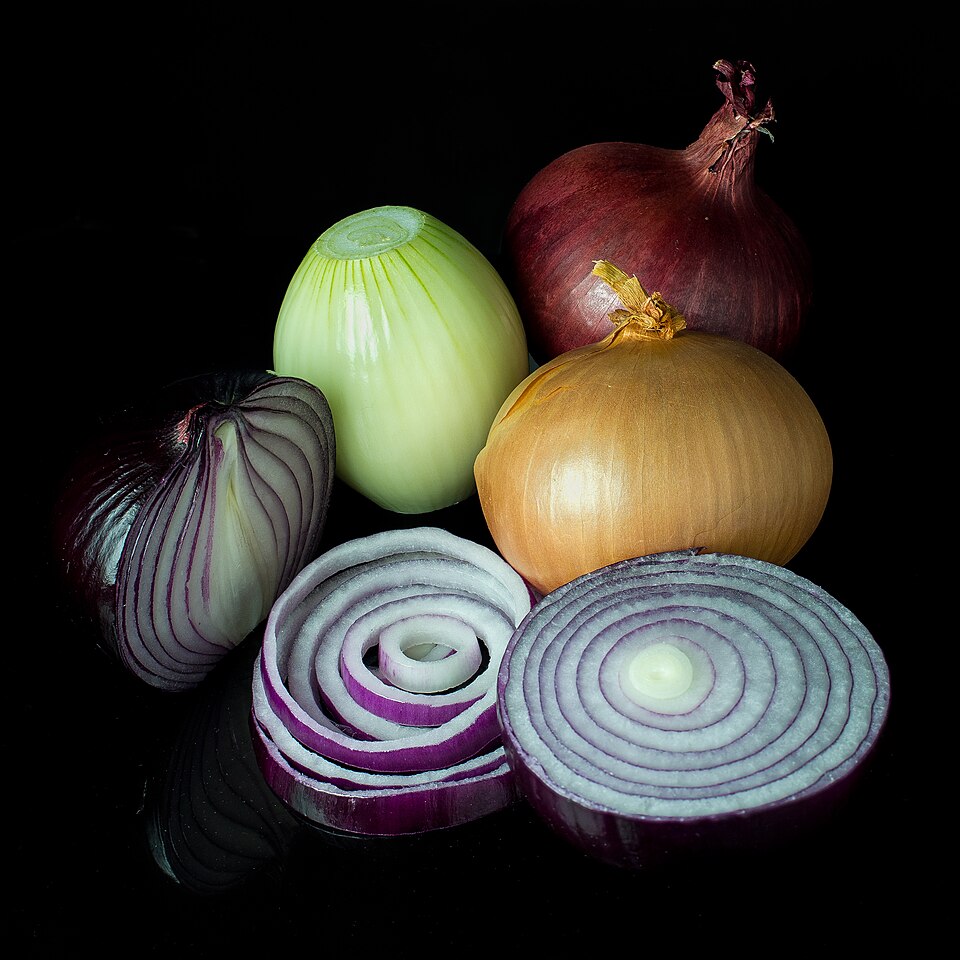
Onion - 03For the first 10 minutes, skim off the grey foam that rises, repeatedly, until no more forms. Do not skip this.Skim relentlessly.Yiayia
- 04Lower to a gentle simmer, part cover, and cook for 40 to 50 minutes, stirring occasionally so nothing catches on the base. Add a little hot water if it gets too thick.
- 05The peas are ready when they have completely collapsed into a soft mass with no distinct pieces left.
- 06Remove the bay leaf. Season generously with salt and white pepper now, not before.
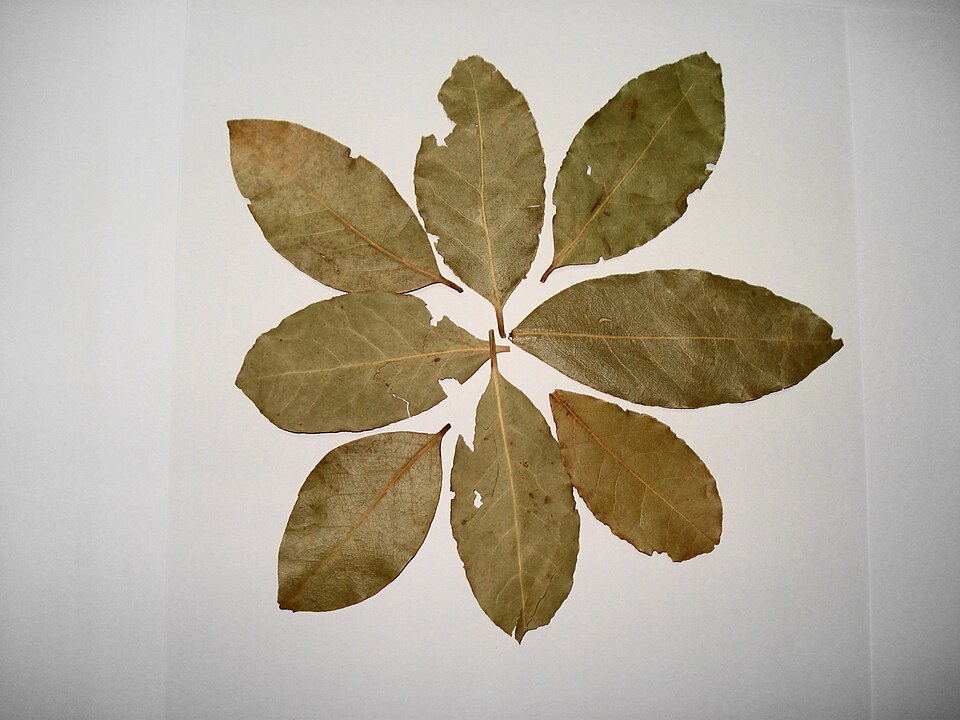
Bay Leaf - 07Beat hard with a wooden spoon while drizzling in the olive oil in a steady stream. The mixture will lighten, thicken and turn silky. Beat in the lemon juice.
- 08Taste and adjust. It should be rich, lemony and well salted.
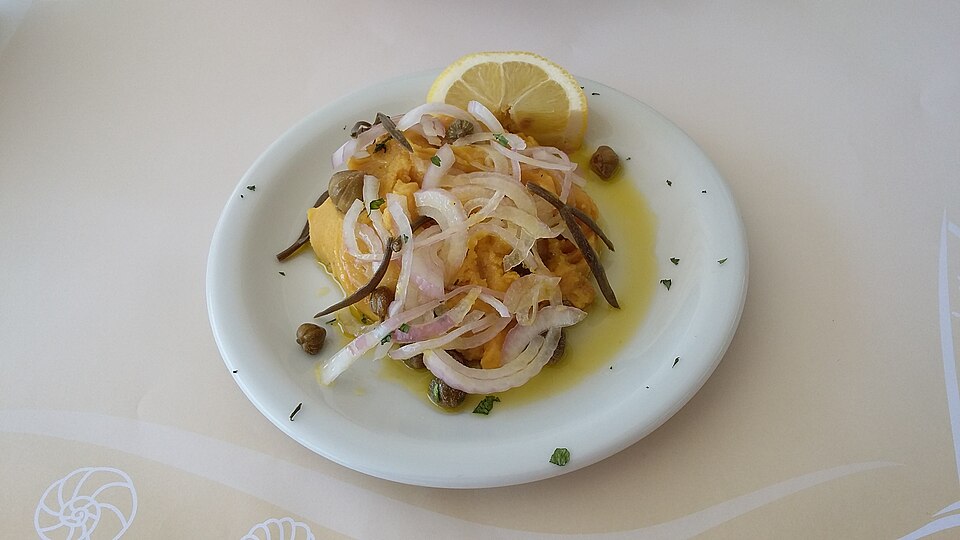
- 09Spread warm into shallow bowls, making a well in the centre. Fill the well with olive oil, scatter over the raw onion, capers and herbs, and serve with lemon wedges and bread.
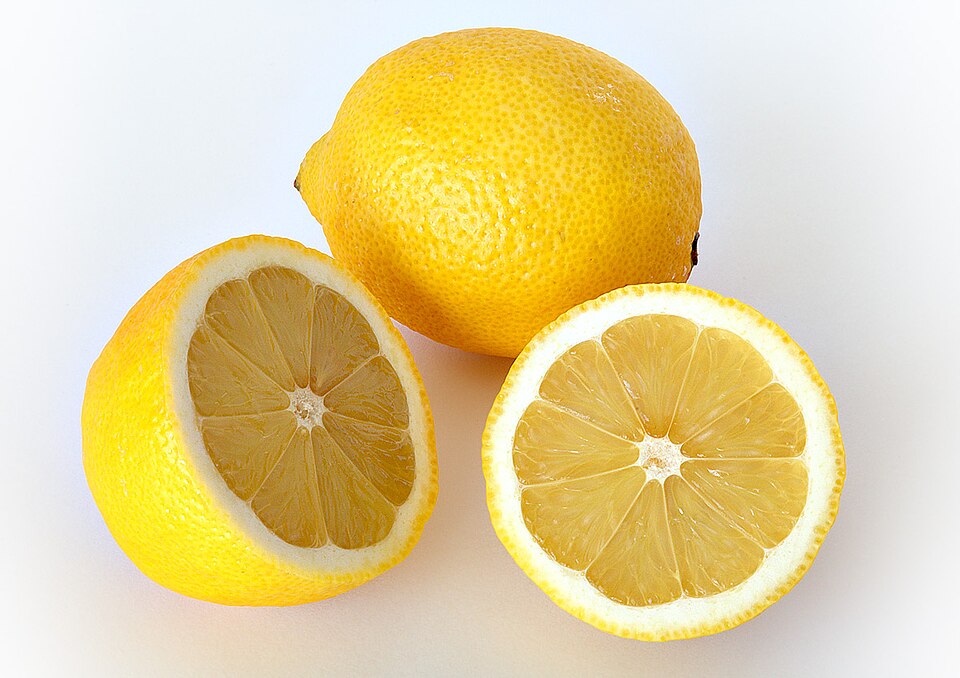
Lemon
Nutrition, per 1 portion
- Calories
- 348
- Protein
- 16 g
- Carbs
- 38 g
- Fat
- 15 g
- Sat fat
- 2 g
- Fibre
- 14 g
These figures are calculated estimates based on the ingredients listed, not laboratory analysis. Actual values vary with brands, cuts and portion size.
The first thing to clear up is the name. Greek fava is not made from fava beans. It is made from yellow split peas, and on Santorini specifically from a local variety, Lathyrus clymenum, which has protected designation status and has been grown there for thousands of years.
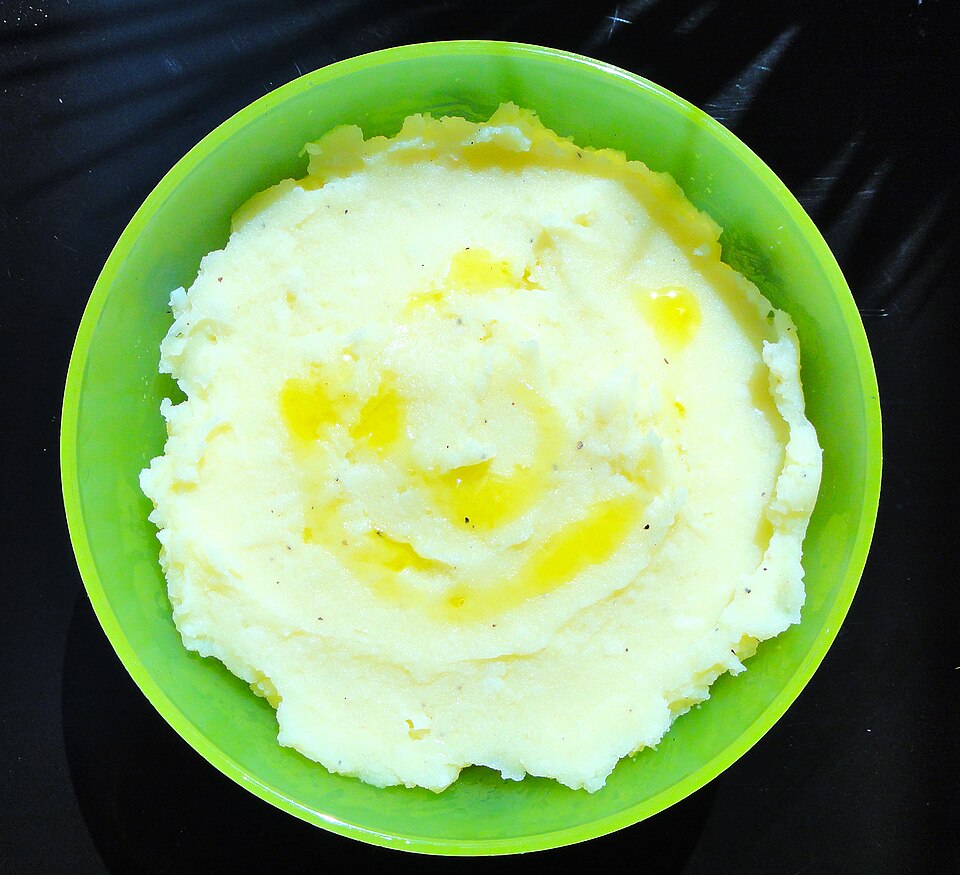
The second thing is that it does not need a blender. Split peas simmered long enough collapse entirely on their own, and beating them with a wooden spoon while adding olive oil gives a silkier result than a food processor, which makes it gluey.
It arrives on every Santorini table as a meze, warm, with raw onion and capers on top and enough olive oil pooled over it to make you hesitate. Do not reduce the oil.
Key preparation steps
- Rinse the split peas and skim the foam thoroughly during the first ten minutes.
- Simmer with onion until completely collapsed, around forty minutes.
- Beat in olive oil and lemon by hand while still hot.
- Serve warm, topped with raw onion, capers and more oil.
Why it is called fava when it contains no fava beans
The word comes from the Latin faba and was originally applied to broad beans, which were the pulse being pureed this way in antiquity. Over time the name attached to the dish rather than to the ingredient, and when yellow split peas became the standard pulse the name stayed put.
So in Greece, fava means this dish. If you want actual broad beans you ask for koukia. It causes endless confusion in translation and there is no fixing it now.
Santorini fava is made from Lathyrus clymenum, a legume unique to the island's volcanic soil, with protected designation of origin status. It is sweeter and finer than ordinary yellow split peas. Ordinary split peas make an excellent dish and are what most of Greece uses.
Skimming, and why it matters
For the first ten minutes of simmering a grey foam rises steadily. Skim it off and discard it, repeatedly, until it stops forming.
That foam carries the compounds responsible for the slightly bitter, muddy taste that badly made fava has. Skimming properly is the single biggest difference between a clean, sweet puree and a dull one.
Do not salt until the very end. Salted early, the split peas take much longer to break down.
Why not to use a blender
Split peas cooked until fully collapsed do not need mechanical help. Beating them hard with a wooden spoon while drizzling in olive oil emulsifies the mixture into something light and silky.
A food processor overworks the starch and gives a heavier, slightly gummy texture, and it also incorporates air that makes the fava look pale and foamy rather than golden.
If the peas have not broken down enough to beat smooth, they simply need more time and a little more water. Give them another ten minutes.
How to serve it
Warm, spread into a shallow bowl with the back of a spoon so it forms a slight well, and the well filled with olive oil. It sets firm as it cools, so if you have made it ahead, loosen it with a splash of hot water and warm it gently.
The toppings are not decoration. Finely chopped raw red onion, capers and lemon cut through the richness, and the contrast between the soft warm puree and the sharp raw topping is the dish.
On Santorini you will also see it topped with fried onions, or with grilled octopus, which is one of the best things to eat anywhere.
What matters in this dish
Skim relentlessly
The foam in the first ten minutes is where the muddy taste lives. Take it all off and the finished puree is noticeably sweeter and cleaner.
Salt at the end
Salted early, split peas take considerably longer to collapse. Season once they are already soft.
It firms up cold
Fava sets almost solid in the fridge. Loosen with hot water and warm gently before serving. It keeps four days.
Questions people ask about Fava Santorinis
Is Greek fava made from fava beans?
No. Despite the name it is made from yellow split peas. The name comes from the Latin for broad bean and attached itself to the dish rather than the ingredient. Greek for actual broad beans is koukia.
What is special about Santorini fava?
It is made from Lathyrus clymenum, a legume grown on the island's volcanic soil for thousands of years and holding protected designation of origin status. It is finer and sweeter than ordinary split peas.
Do you need to soak split peas for fava?
No. Yellow split peas cook down in 40 to 50 minutes without soaking. Just rinse them well first.
How long does fava keep?
Four days in the fridge, where it sets very firm. Loosen with a little hot water and warm gently before serving. It also freezes well for up to three months.