Greek Meze and Appetisers · The Mainland · Fried · Mezedes and Ouzo
Greek Saganaki Recipe (Pan-Fried Cheese with Lemon)
Σαγανάκι sah-ghah-NAH-kee · Saganaki
In short
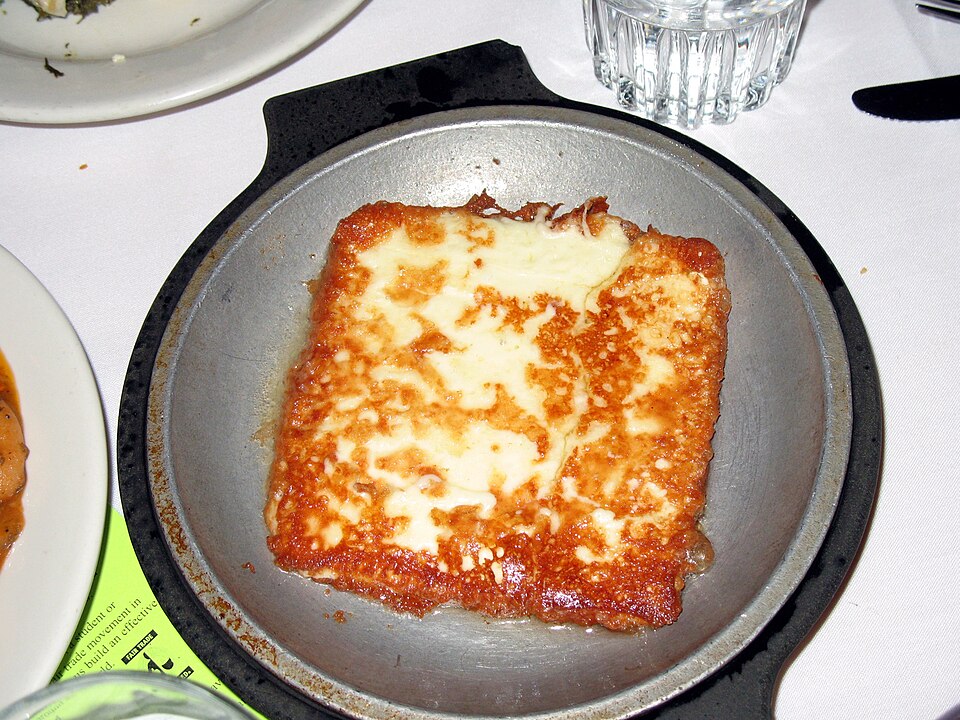
Saganaki is a slice of firm Greek cheese, usually kefalotyri or graviera, dusted in flour and fried until crisp outside and molten inside, then finished with lemon. It takes about three minutes and must be served immediately.
Saganaki
- Prep
- 10m
- Cook
- 5m
- Total
- 15m
- Serves
- 4
- Level
- Beginner
Ingredients
Ingredients
Tick ingredients off as you go. Quantities rescale with the buttons above.
Method
- 01Cut the cheese into slices about 1.5 cm thick. Thinner and it melts through before it browns.Thick slices only.Yiayia
- 02Dip each slice briefly in cold water, about 30 seconds, then lift out and pat off the excess so it is damp rather than wet.
- 03Press each slice into the flour on both sides and all edges, then tap off the excess. The coating should be thin and even.
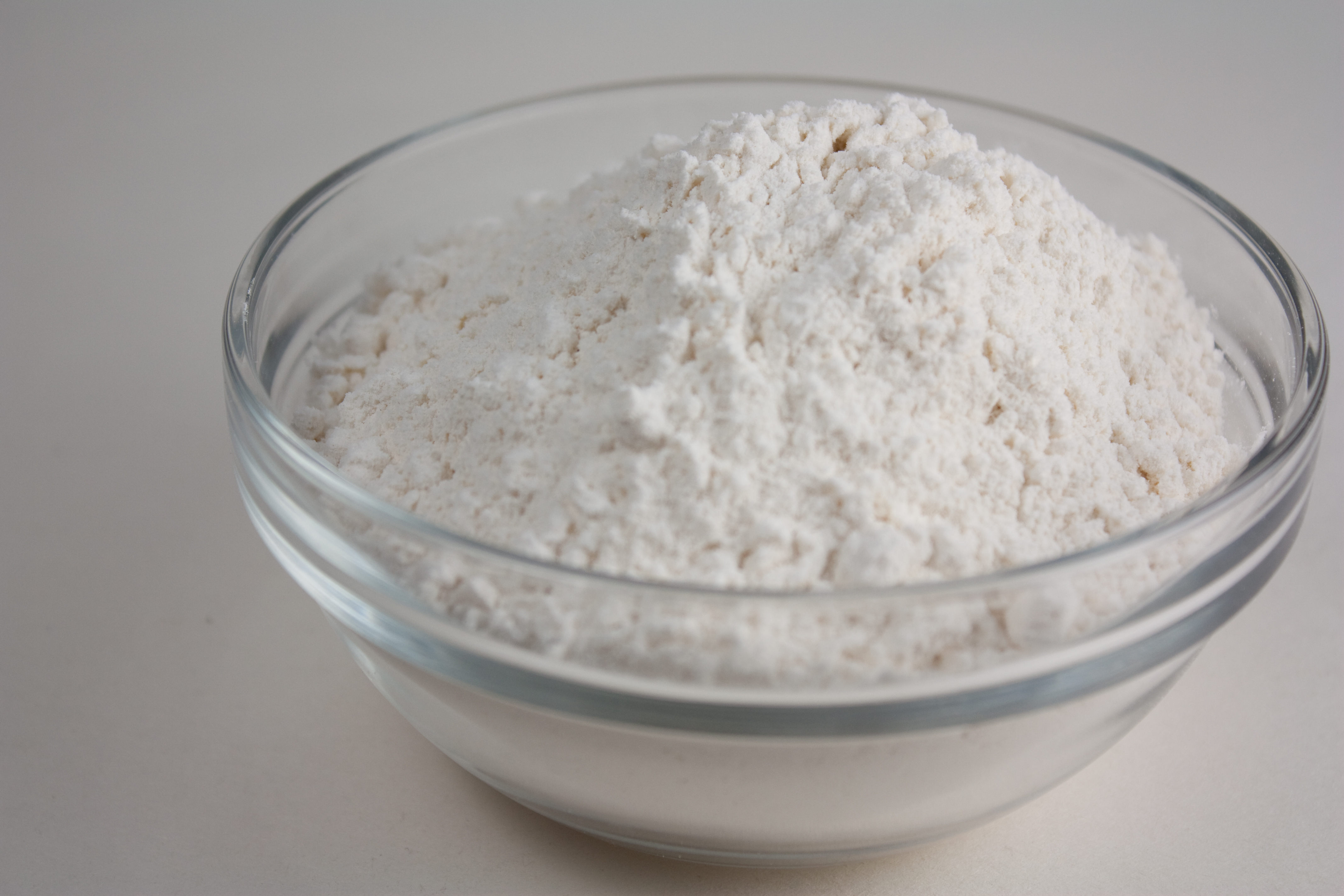
Flour - 04Heat the olive oil in a small heavy frying pan over a medium-high heat until it shimmers.
- 05Lay in the cheese and leave it undisturbed for 90 seconds to 2 minutes, until a deep golden crust has formed underneath.
- 06Turn once with a fish slice and fry the other side for a further 1 to 2 minutes.
- 07Slide straight onto a warm plate, grind over black pepper, add oregano if you like, and squeeze lemon over generously.
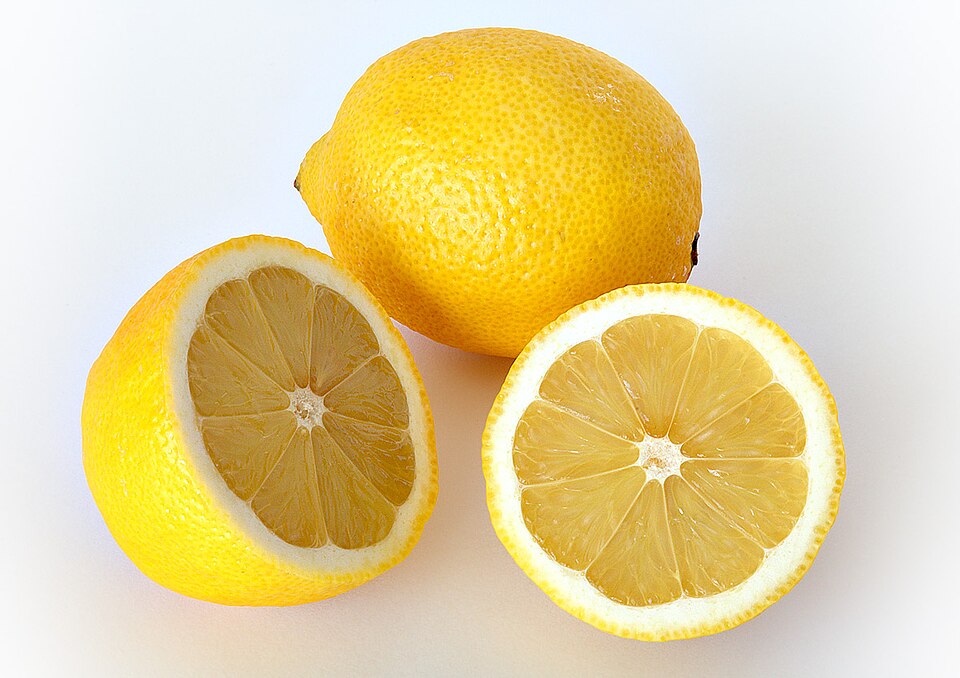
Lemon - 08Serve immediately, while the inside is still soft. It firms up quickly as it cools.
Nutrition, per 1 slice
- Calories
- 412
- Protein
- 24 g
- Carbs
- 8 g
- Fat
- 32 g
- Sat fat
- 18 g
- Fibre
- 0 g
These figures are calculated estimates based on the ingredients listed, not laboratory analysis. Actual values vary with brands, cuts and portion size.
Saganaki takes three minutes and it is one of the best things on any meze table. A thick slice of hard salty cheese, floured, fried until the outside is a crisp brown shell and the inside has gone soft and stretchy, then hit with lemon while it is still spitting.
The word is not the name of the cheese. A sagani is a small two-handled frying pan, and saganaki means anything cooked in one, which is why you will also meet prawn saganaki and mussel saganaki. Cheese is simply the most famous.
The one thing to get right is the cheese, because the wrong one collapses into a puddle. You need something firm and low-moisture that softens without flowing.
Key preparation steps
- Cut a thick slice, at least 1.5 cm, of a firm Greek cheese.
- Soak briefly in water, then dust with flour.
- Fry in a hot pan in a little oil, two minutes a side.
- Squeeze lemon over and serve immediately.
Which cheese works for saganaki?
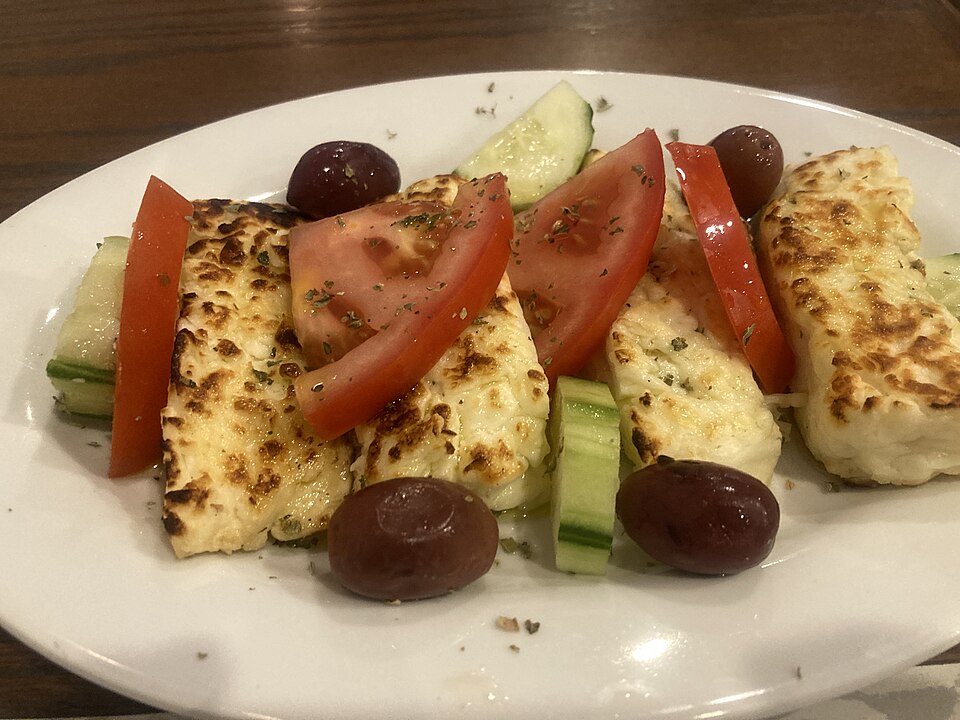
Kefalotyri is the classic: hard, very salty, and it holds its shape while going soft inside. Graviera is nuttier and slightly sweeter and is arguably the nicer eating. Kasseri is milder and stretchier. Halloumi works and is the easiest to find, though it squeaks rather than melts.
Feta does not work. It is too wet and too crumbly and it will disintegrate in the pan. This is the single most common mistake.
Outside Greece, pecorino romano, a young provolone or a firm kashkaval all behave correctly. What you need is a firm, low-moisture cheese with a high melting point.
Why soak the cheese in water first?
Two reasons. It removes a little of the surface salt, which matters with kefalotyri, and more importantly it dampens the surface so the flour clings properly.
Thirty seconds in cold water is enough. Pat off the excess so it is damp rather than dripping, then press into flour on both sides and all four edges, and tap off what does not stick.
A dry slice pressed into flour gets a patchy coating that browns unevenly and lets the cheese leak out through the gaps.
The pan and the heat
A small heavy pan and a hot one. The cheese needs to seize and form a crust quickly, so the surface sets before the interior has time to flow out. A cool pan means the cheese melts before it browns and you get a puddle.
Use a small amount of olive oil, just enough to film the base. Saganaki is not deep fried.
Two minutes a side is usually right. Leave it alone for the first ninety seconds so a crust forms, then turn it once with a fish slice. If the edges start bulging outwards it is going too slowly, so raise the heat.
Should you set it on fire?
Flaming saganaki with brandy and shouting opa is an American restaurant invention, developed in Chicago in the 1960s. It is not something that happens in Greece.
That is not a reason to refuse to do it, and it is genuinely a good bit of theatre. But if you want the traditional taverna version, it is cheese, a pan, and a lemon wedge.
Lemon is not optional. The acid cuts the fat and salt, and saganaki without it is heavy going after the first few bites.
What matters in this dish
Thick slices only
Under about 1.5 cm the cheese has melted through before the outside has coloured. Thickness is what buys you the contrast between crust and molten centre.
One slice at a time
A crowded pan drops in temperature and the slices weld together. Fry them one or two at a time and serve as you go.
Have everyone sitting down first
Saganaki is at its best for about two minutes. Fry it when people are already at the table, not before.
Questions people ask about Saganaki
What cheese is used for saganaki?
Kefalotyri is the classic, with graviera and kasseri also traditional. All are firm, low-moisture cheeses that soften without flowing. Halloumi works as a substitute. Feta does not, it disintegrates.
Do Greeks flame saganaki?
No. Flaming it with brandy is an American restaurant invention from Chicago in the 1960s. In Greece it arrives as fried cheese with a lemon wedge.
Why did my saganaki melt into a puddle?
Either the cheese was wrong, usually feta or something too soft, or the pan was not hot enough. The surface needs to seize and crust quickly, which requires real heat.
Can you make saganaki in the oven or air fryer?
You can bake it at 220C for about 10 minutes and it will brown, but you do not get the same sharp crust that contact with a hot pan gives. The pan is worth the washing up.