Greek Meze and Appetisers · The Mainland · Cyprus · Boiled and Simmered · Mezedes and Ouzo
Dolmades Recipe (Greek Stuffed Vine Leaves with Rice)
Ντολμάδες dol-MAH-des · Dolmades
In short
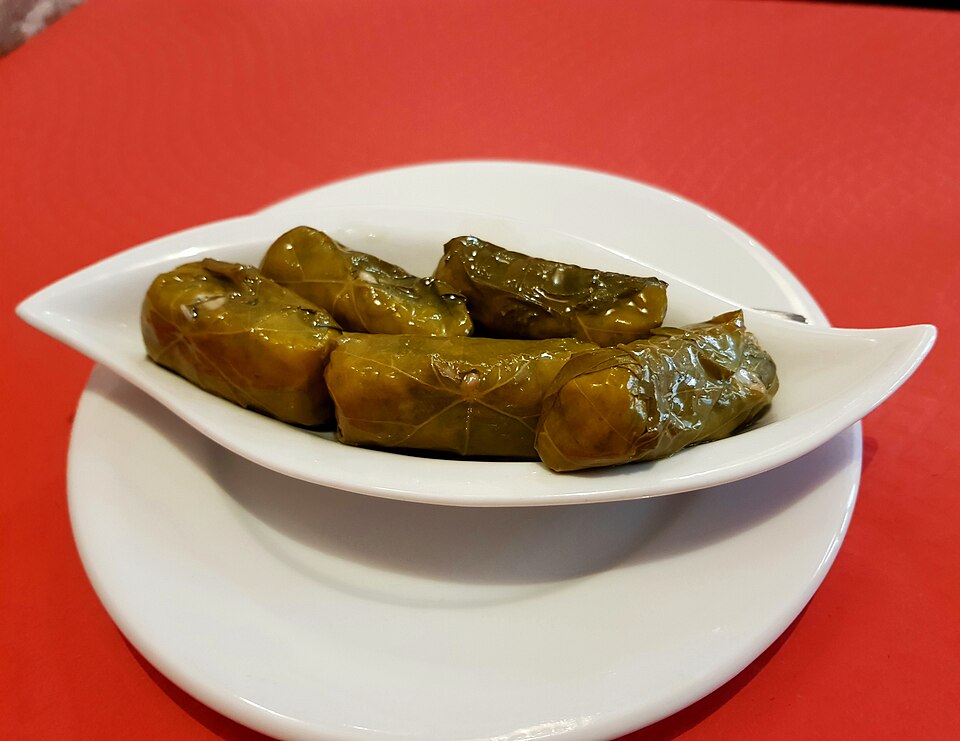
Dolmades are vine leaves rolled around a filling of rice, onion, herbs and lemon, then packed tightly into a pan and simmered under a weighted plate. The weight stops them unrolling as the rice swells.
Dolmades
- Prep
- 1h
- Cook
- 50m
- Total
- 1h 50m
- Serves
- 8
- Level
- Intermediate
Ingredients
Ingredients
Tick ingredients off as you go. Quantities rescale with the buttons above.
Method
- 01Rinse the vine leaves thoroughly under cold running water, twice, to remove the brine. Drain and sort by size. Set the torn or very small leaves aside for lining the pan.Rinse the leaves twice.Yiayia
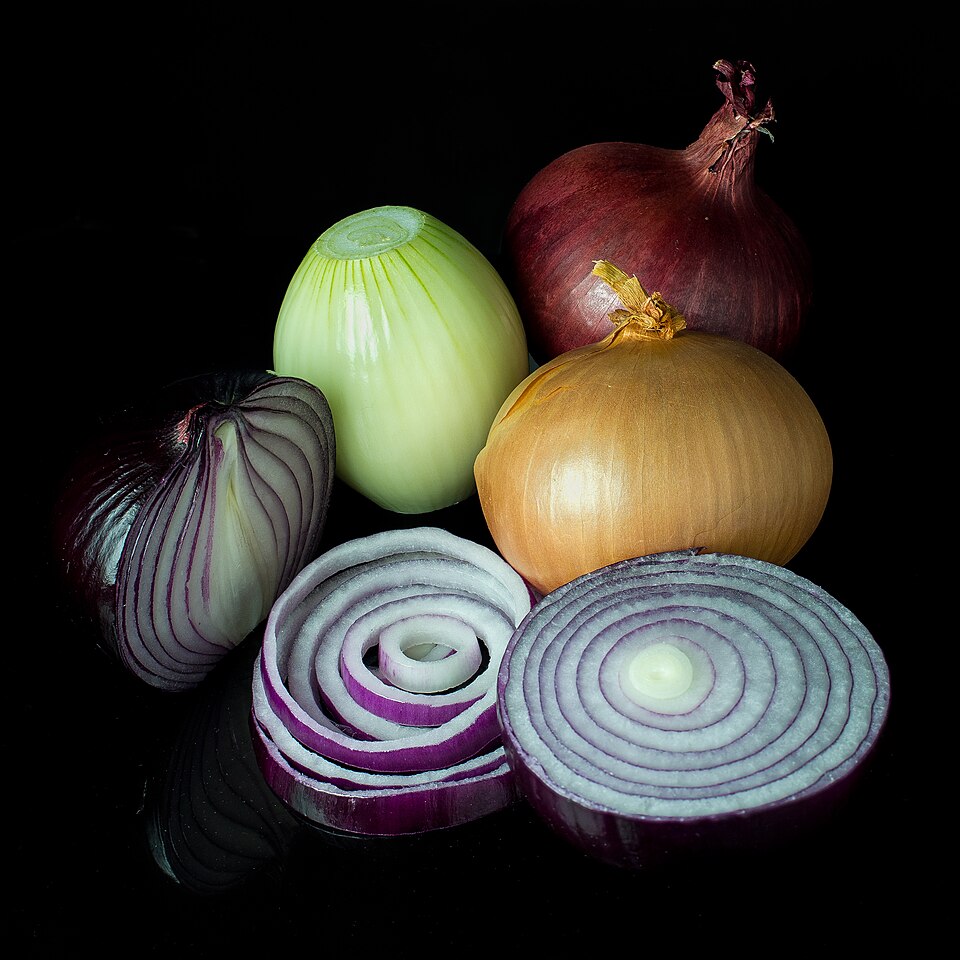
- 02Heat 100 ml of the olive oil in a pan and cook the onions gently for 12 minutes until soft and sweet. Add the spring onions and cook for 2 minutes more.
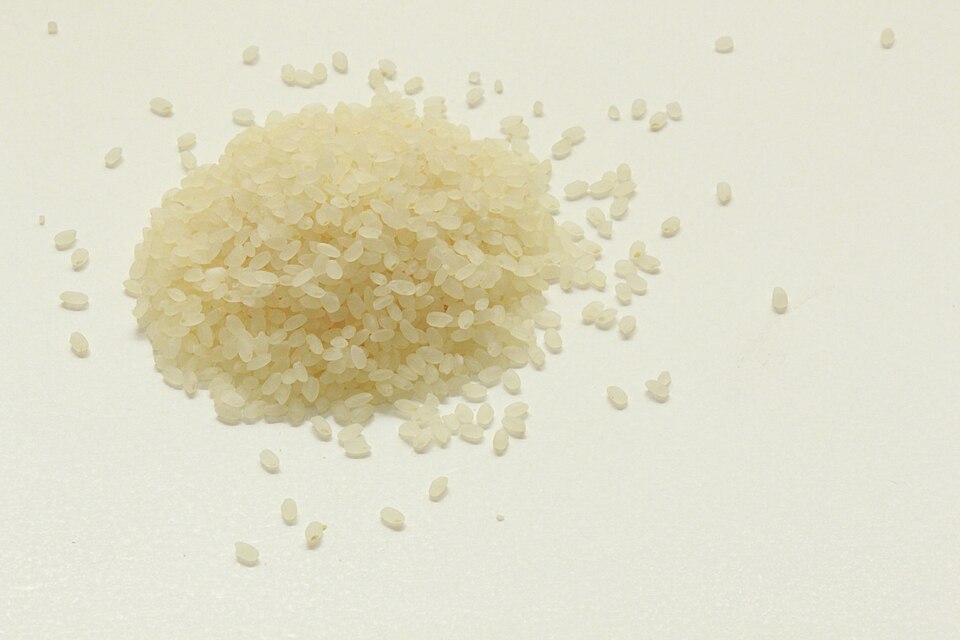
Onion - 03Take off the heat and stir in the raw rice, the dill, parsley, mint, the juice of one lemon, and the pine nuts and currants if using. Season generously. The mixture will be loose.
- 04Lay a leaf shiny side down with the stem towards you and snip off the stem. Put a teaspoon of filling in a short line near the stem end.
- 05Fold the stem end up over the filling, fold both sides in to the middle, then roll away from you into a tight cigar about the size of your thumb. Set seam side down.
- 06Repeat until the filling is used up. It takes about an hour and goes faster with company.
- 07Line the base of a wide heavy pan with the torn leaves. Pack the dolmades in tightly, seam side down, in concentric circles, in two layers if needed.
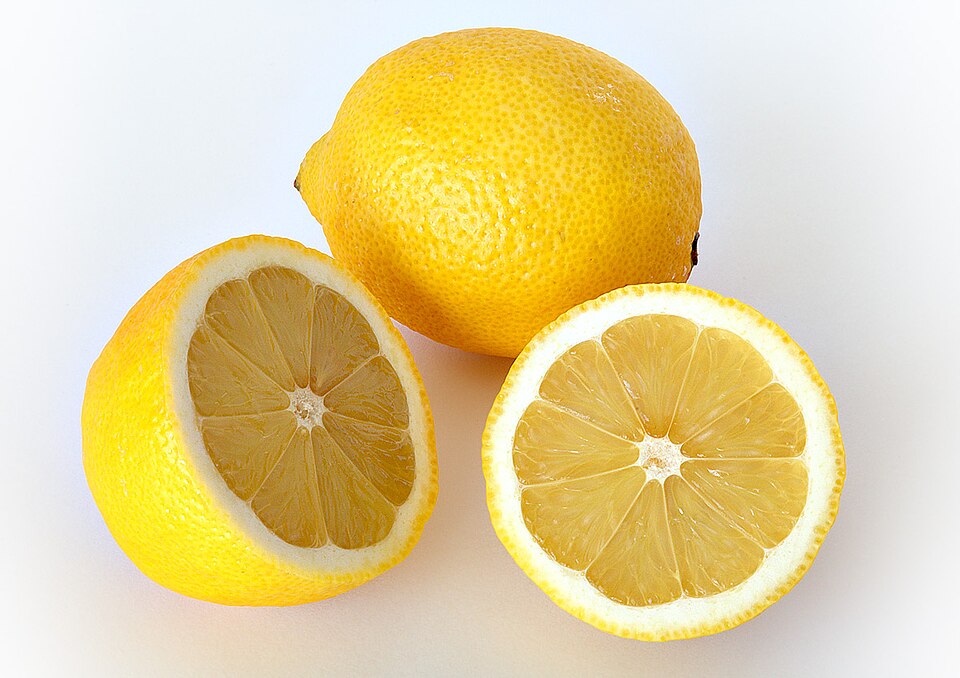
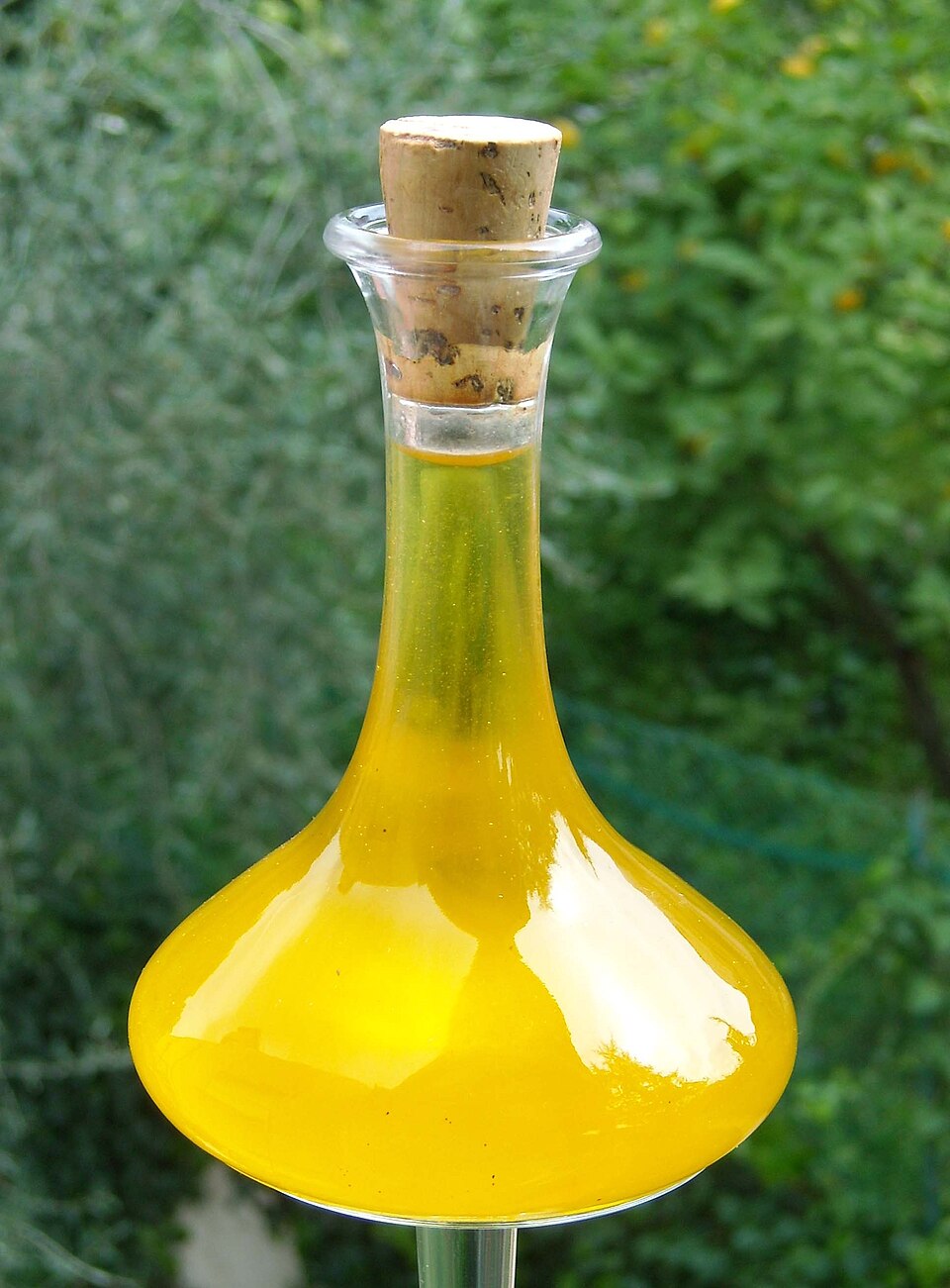
- 08Pour over the remaining olive oil, the juice of the second lemon and enough hot water to just cover.
Lemon - 09Sit a heatproof plate directly on top of the dolmades to weight them down. This stops them unrolling as the rice swells.
- 10Bring to a gentle simmer, cover the pan, and cook on the lowest heat for 45 to 50 minutes until the rice is tender.
Rice - 11Take off the heat and let them cool completely in the pan with the plate still on.
- 12Lift out carefully, arrange on a plate, and finish with olive oil and lemon wedges. Serve at room temperature or cold.
Olive Oil
Nutrition, per 5 dolmades
- Calories
- 268
- Protein
- 4 g
- Carbs
- 34 g
- Fat
- 14 g
- Sat fat
- 2 g
- Fibre
- 3 g
These figures are calculated estimates based on the ingredients listed, not laboratory analysis. Actual values vary with brands, cuts and portion size.
Dolmades take an hour of rolling and there is no way around it. It is the kind of job Greek families do together at a table while talking, which is really the only sensible way to approach it.
The version here is the vegan one, filled with rice and herbs and served cold, which Greeks call dolmadakia yialantzi. Yialantzi means liar, because they pretend to be the meat version. They are the ones that turn up on a meze table and they keep for days.
Two technical points carry the whole recipe. The rice goes in raw so it absorbs the lemon and oil as it swells, and the rolled leaves must be packed tight and weighted down with a plate, or they unroll as the rice expands and you end up with a pan of stuffing and loose leaves.
Key preparation steps
- Blanch the leaves briefly if using fresh, or rinse well if from a jar.
- Mix raw rice with softened onion, herbs, lemon and plenty of oil.
- Roll tightly, tucking the sides in, seam side down.
- Pack close in a lined pan, weight with a plate, and simmer gently.
Fresh or jarred vine leaves?
Jarred leaves in brine are what most people will use and they are perfectly good. Rinse them thoroughly under running water, ideally twice, because they carry a lot of salt that will otherwise dominate the finished dish.
Fresh leaves, if you have a vine, need blanching for about thirty seconds in boiling water until they turn olive-drab and go pliable. Pick them young, in late spring, when they are about the size of your palm.
Either way, sort them by size before you start. Large ones for rolling, small or torn ones to line the base of the pan.
Why the rice goes in raw
The same principle as gemista. Raw rice absorbs the lemon, the olive oil and the leaf's own flavour as it swells during the simmer. Pre-cooked rice cannot absorb anything and gives a filling that tastes separate from its wrapper.
Use a medium grain rice. It releases enough starch to bind the filling slightly, which helps the dolmades hold together.
Fill sparingly, about a teaspoon per leaf. The rice roughly triples and an over-filled dolma bursts along its seam.
The rolling technique
Lay the leaf shiny side down, veins facing up, with the stem end towards you. Snip off any stem. Put a teaspoon of filling in a short line near the stem end.
Fold the stem end up over the filling, then fold both sides in towards the middle, then roll away from you into a tight cigar. Tight matters: a loose roll swells and opens.
Set each one seam side down as you go. They should be about the size of your thumb.
Why weight them with a plate?
As the rice swells the dolmades push against each other and try to unroll. A heatproof plate sitting directly on top of them, inside the pan, holds everything in place for the whole simmer.
Pack them tightly in concentric circles, seam side down, in a pan lined with the torn leaves so nothing catches on the base. Two layers is fine.
Add water and lemon juice to just cover, put the plate on, and simmer very gently for around fifty minutes. Then let them cool completely in the pan, still weighted, before lifting them out. They are served at room temperature or cold, never hot.
What matters in this dish
Under-fill rather than over-fill
A teaspoon per leaf. The rice triples in volume and an over-filled dolma splits along the seam every time.
Rinse the leaves twice
Jarred leaves carry a lot of salt. Under-rinsed leaves make the whole batch inedibly salty and there is no fixing it afterwards.
Better on day two
They keep five days in the fridge in their own oil and lemon, and the flavour settles considerably overnight.
Questions people ask about Dolmades
What does dolmadakia yialantzi mean?
Little dolmades that are lying, so called because the rice-only filling pretends to be the meat version. It is the vegan one served cold on a meze table.
Why do my dolmades fall apart?
They were rolled too loosely, over-filled, or not weighted during cooking. Roll tight, use a teaspoon of filling, and sit a plate directly on top of them in the pan.
Can you freeze dolmades?
Yes, cooked and cooled, for up to three months. Thaw in the fridge and bring to room temperature before serving. Do not reheat them, they are meant to be eaten cold.
Should dolmades be served hot or cold?
The rice version is served at room temperature or cold and never hot. The meat-filled version, which is usually finished with avgolemono, is served warm.