Greek Salads · The Mainland · No-Cook · The Summer Table
Authentic Greek Salad Recipe (Horiatiki, No Lettuce)
Χωριάτικη σαλάτα hor-YAH-tee-kee sah-LAH-tah · Horiatiki salata
In short
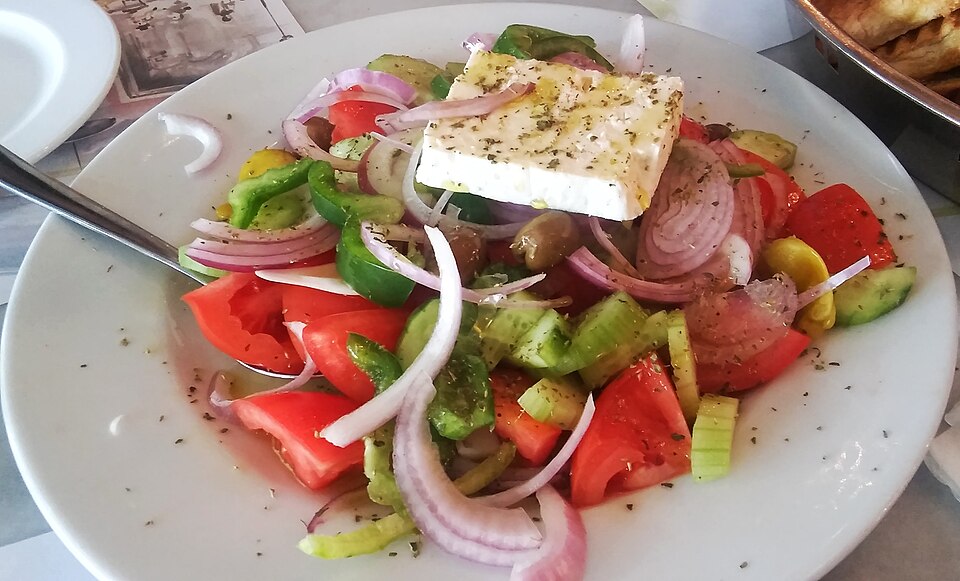
A real Greek salad, horiatiki, contains tomato, cucumber, green pepper, red onion, olives and a whole slab of feta, dressed with olive oil, oregano and a little red wine vinegar. It contains no lettuce, and the feta is never crumbled.
Greek Salad
- Prep
- 12m
- Cook
- None
- Total
- 12m
- Serves
- 4
- Level
- Beginner
Ingredients
Ingredients
Tick ingredients off as you go. Quantities rescale with the buttons above.
Method
- 01Cut the tomatoes into thick wedges, put them into a wide shallow bowl on their own and sprinkle with sea salt. Leave for 5 minutes while you prepare everything else. The juice they release becomes the dressing.
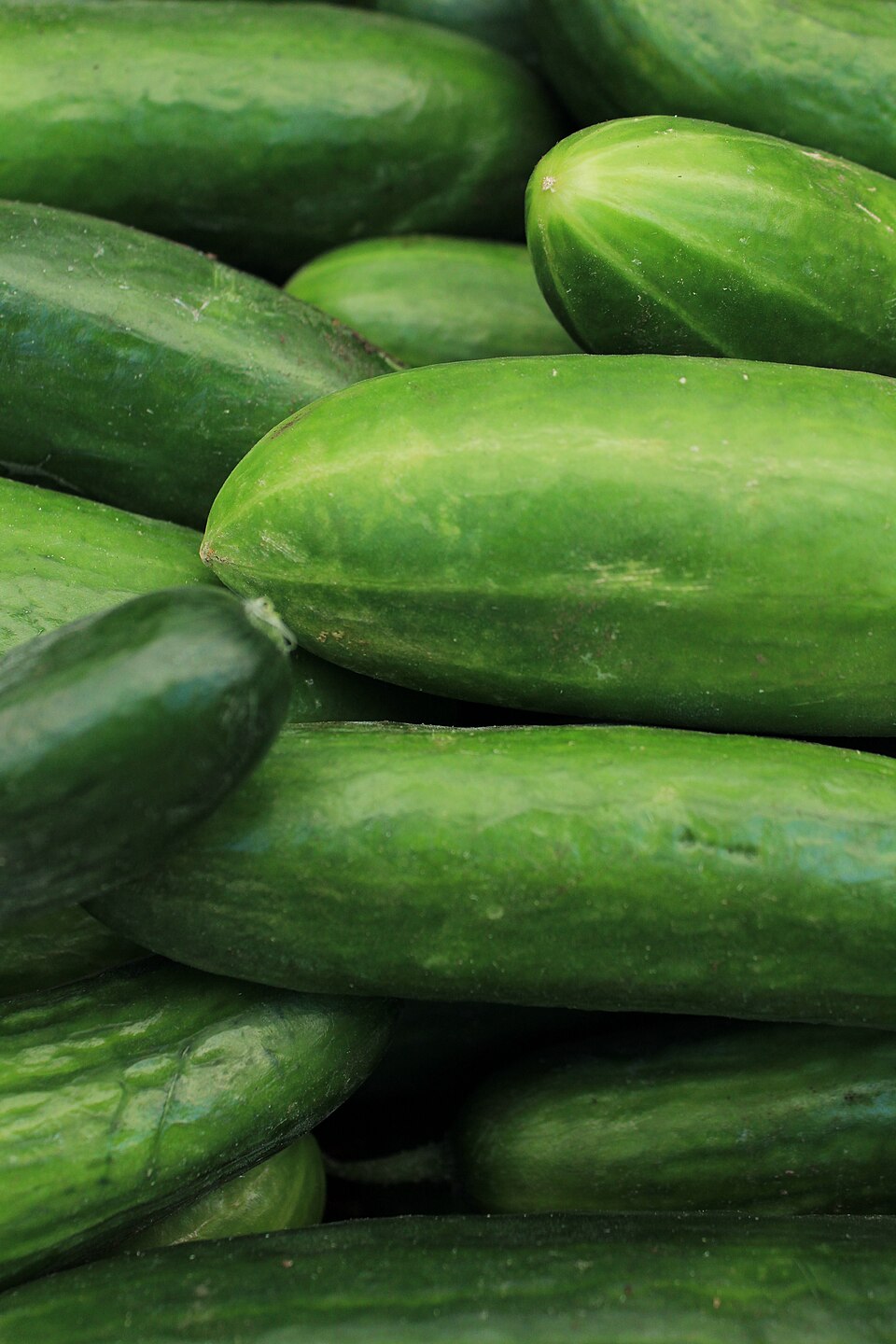
- 02Halve the cucumber lengthways and cut into thick half-moons. Greeks usually leave the skin on, but peel it in stripes if it is a thick-skinned variety.
Cucumber - 03Deseed the green pepper and slice into rings. Slice the red onion as thinly as you can manage.
- 04Add the cucumber, pepper, onion and olives to the tomatoes and turn gently once. Do not overmix.
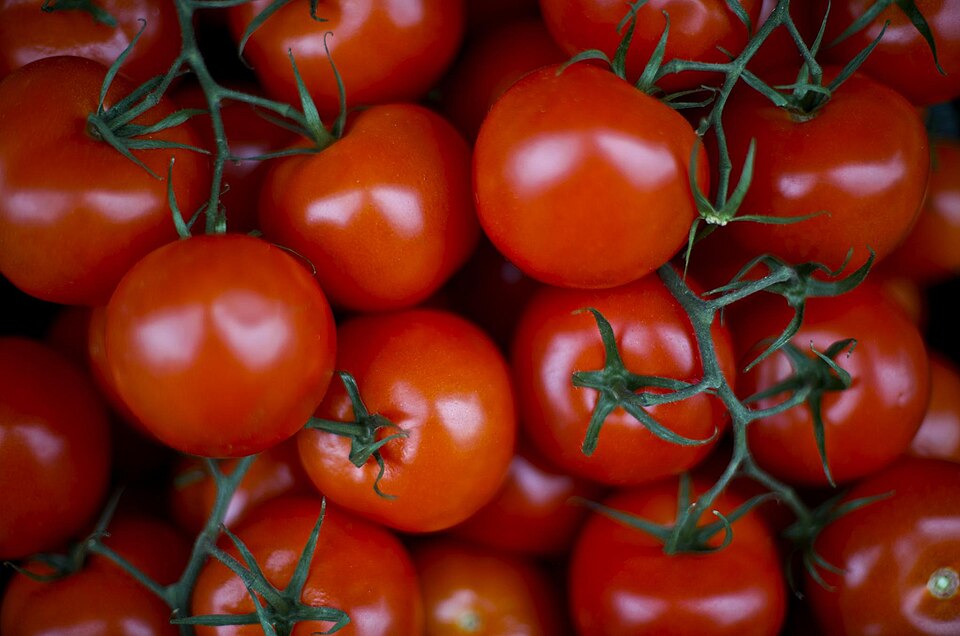
Tomato - 05Cut the feta into one or two thick slabs and lay them across the top of the salad. Do not crumble it.
- 06Pour the olive oil over everything, concentrating some directly onto the feta, and add the vinegar if using.
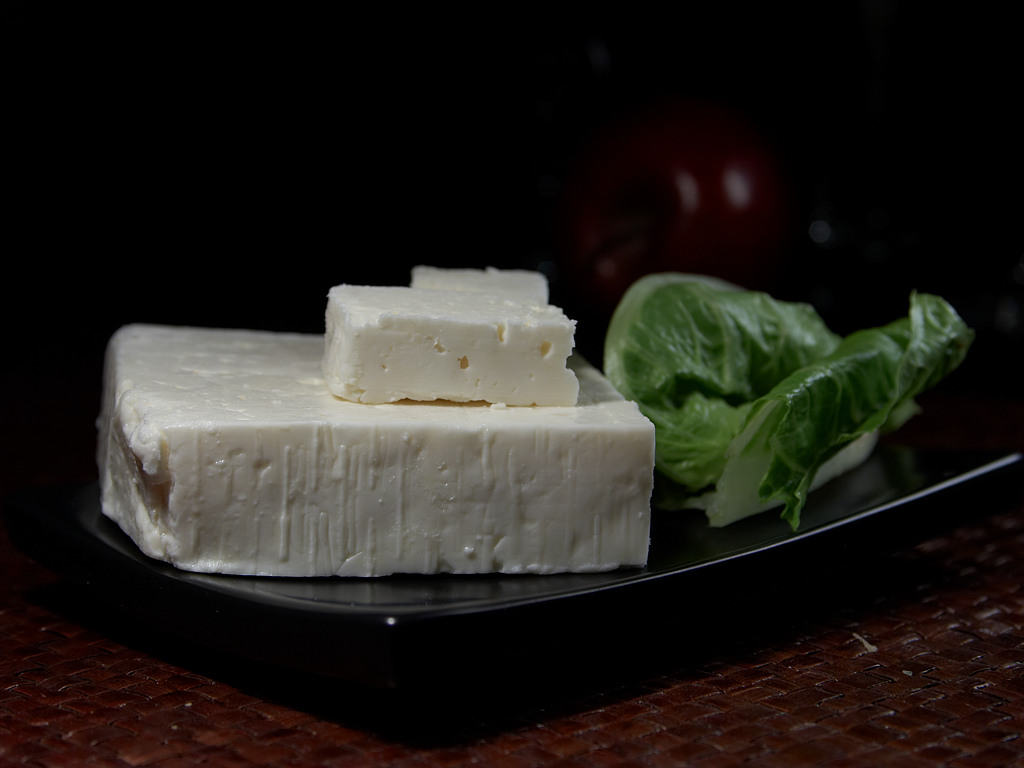
Feta - 07Sprinkle the dried oregano over the feta, grinding it between your fingers as you go to release the oils. Serve immediately with plenty of bread.Crush the oregano as you sprinkle.Yiayia
Nutrition, per 1 bowl
- Calories
- 298
- Protein
- 9 g
- Carbs
- 11 g
- Fat
- 25 g
- Sat fat
- 8 g
- Fibre
- 3 g
These figures are calculated estimates based on the ingredients listed, not laboratory analysis. Actual values vary with brands, cuts and portion size.
Horiatiki means village salad, and the name is a clue to what it is: whatever was growing outside, cut up and dressed with oil. It is not a composed dish and it does not want a technique. What it wants is four or five ingredients that are actually good, which is a much harder requirement than a long method.
Two things separate it from the thing served as Greek salad in most of the world. There is no lettuce, and the feta arrives as a single thick slab laid across the top, not crumbled through. The slab matters more than it sounds: it keeps the cheese from disintegrating into the oil, and you break pieces off it as you eat.
The dressing is not a dressing. It is olive oil, a little red wine vinegar, salt and dried oregano, added directly to the bowl. Nothing is emulsified and nothing is whisked.
Key preparation steps
- Cut tomatoes into thick wedges and salt them first, on their own.
- Add cucumber, green pepper, red onion and olives.
- Lay a whole slab of feta across the top, do not crumble it.
- Pour over good olive oil, a splash of vinegar, and a heavy pinch of dried oregano.
Why is there no lettuce in a real Greek salad?
Because horiatiki is a summer salad from a hot country, and lettuce does not grow well in a Greek August. The salad is built from what thrives in that heat: tomatoes, cucumbers, peppers and onions.
There is a separate and entirely legitimate Greek salad called maroulosalata that is made of shredded cos lettuce with spring onion and dill, and it is eaten mostly in spring. It is simply a different dish. If a menu in Greece says horiatiki, no lettuce is coming.
Why the feta must be a slab, not crumbled
Crumbled feta breaks down into the oil at the bottom of the bowl and turns the whole thing into a paste within minutes. A slab, cut about a centimetre and a half thick and laid across the top, stays intact.
It also changes how the salad is eaten. You take a piece of feta with a piece of tomato, rather than getting cheese distributed evenly through everything. Sprinkle the oregano onto the feta itself and pour a little oil over it directly.
Buy feta in brine, in a block, made from sheep's milk. Pre-crumbled feta in a tub is usually cow's milk, drier and considerably less good. Real feta is a protected designation product and the packet will say so.
Salt the tomatoes first
This is the one piece of actual technique in the recipe. Cut the tomatoes into thick wedges, put them in the bowl alone, and salt them. Leave them for five minutes while you cut everything else.
The salt pulls juice out of the tomatoes, and that juice combines with the olive oil to make the only sauce the salad gets. This is the liquid that everyone fights over with bread at the end of the meal, and Greeks have a word for that specific act of bread-dipping: papara. Salting at the end instead means the tomatoes stay dry and the oil stays separate.
Which olive oil, and how much?
More than you think, and it should be a good extra virgin one that you would be happy to taste on bread. There is nowhere for a poor oil to hide here. Greek oils from Kalamata or Crete are the obvious choice and are usually grassy and slightly peppery.
Four tablespoons for a salad serving four is a reasonable amount, and the bottom of the bowl should be visibly oily when you have finished. Vinegar is optional and should be restrained, around a teaspoon, since the tomatoes and the brine from the feta are already bringing acidity.
Capers, purslane and other regional additions
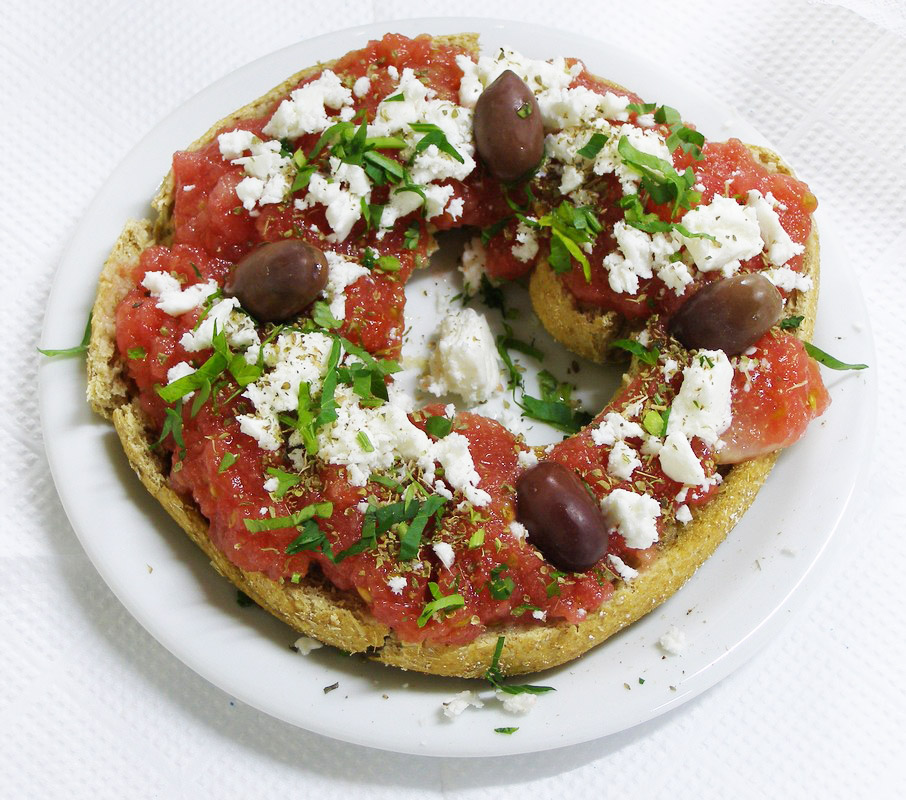
On Santorini you will often get capers or caper leaves. On Crete, barley rusk goes underneath to soak up the juices, at which point the dish becomes dakos. In parts of the mainland, purslane appears in summer.
All of these are legitimate. What tends not to appear is lettuce, balsamic vinegar, anything creamy, or a pre-made dressing from a bottle.
What matters in this dish
Room temperature, not fridge cold
Cold blunts tomato flavour badly. Take the tomatoes and feta out of the fridge half an hour before you build the salad.
Leave the stones in the olives
Pitted olives lose texture and take on brine flavour. Greeks serve them whole and everyone deals with the stones.
Crush the oregano as you sprinkle
Rubbing dried oregano between your palms releases far more aroma than shaking it straight from the jar.
Questions people ask about Horiatiki salata
Does a Greek salad have lettuce in it?
No. Horiatiki, the village salad, is made of tomato, cucumber, pepper, onion, olives and feta with no leaves at all. The lettuce-based Greek salad is a separate dish called maroulosalata, eaten mainly in spring.
What dressing goes on a Greek salad?
There is no dressing in the emulsified sense. Good extra virgin olive oil goes on directly, with a little red wine vinegar, salt and dried oregano. The tomato juices combine with the oil in the bowl.
Should the feta be crumbled or in a block?
A block, cut into one or two thick slabs and laid on top. Crumbled feta disintegrates into the oil and turns the salad pasty.
Can you make Greek salad ahead of time?
Not really, and it is better not to. Once the tomatoes are salted the salad starts breaking down. You can chop the vegetables an hour ahead and keep them separate, but assemble and dress at the last moment.
What is the difference between Greek salad and dakos?
Dakos is the Cretan version built on a barley rusk, which sits underneath and soaks up the tomato juice, and it uses crumbled soft mizithra cheese rather than a slab of feta. Same instinct, different structure.