Greek Dips and Sauces · The Mainland · No-Cook · Mezedes and Ouzo
Authentic Greek Tzatziki Recipe (Thick, Not Watery)
Τζατζίκι tsah-TSEE-kee · Tzatziki
In short
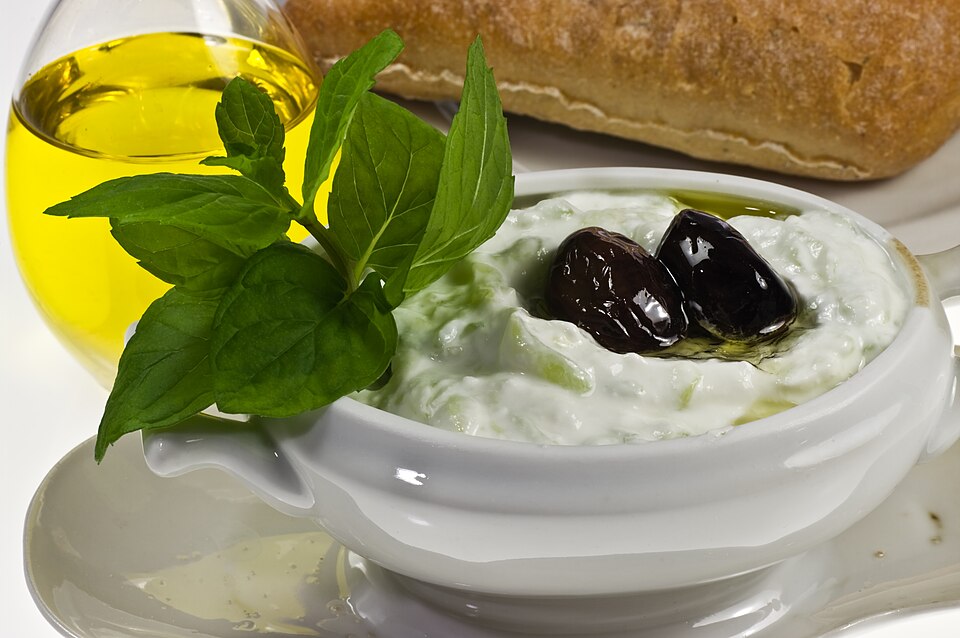
Tzatziki is a Greek dip of strained yogurt, grated cucumber, raw garlic, olive oil and vinegar. The key step is salting the grated cucumber and squeezing it completely dry, otherwise the cucumber releases water and the dip separates within hours.
Tzatziki
- Prep
- 15m
- Cook
- None
- Total
- 15m
- Serves
- 6
- Level
- Beginner
Ingredients
Ingredients
Tick ingredients off as you go. Quantities rescale with the buttons above.
Method
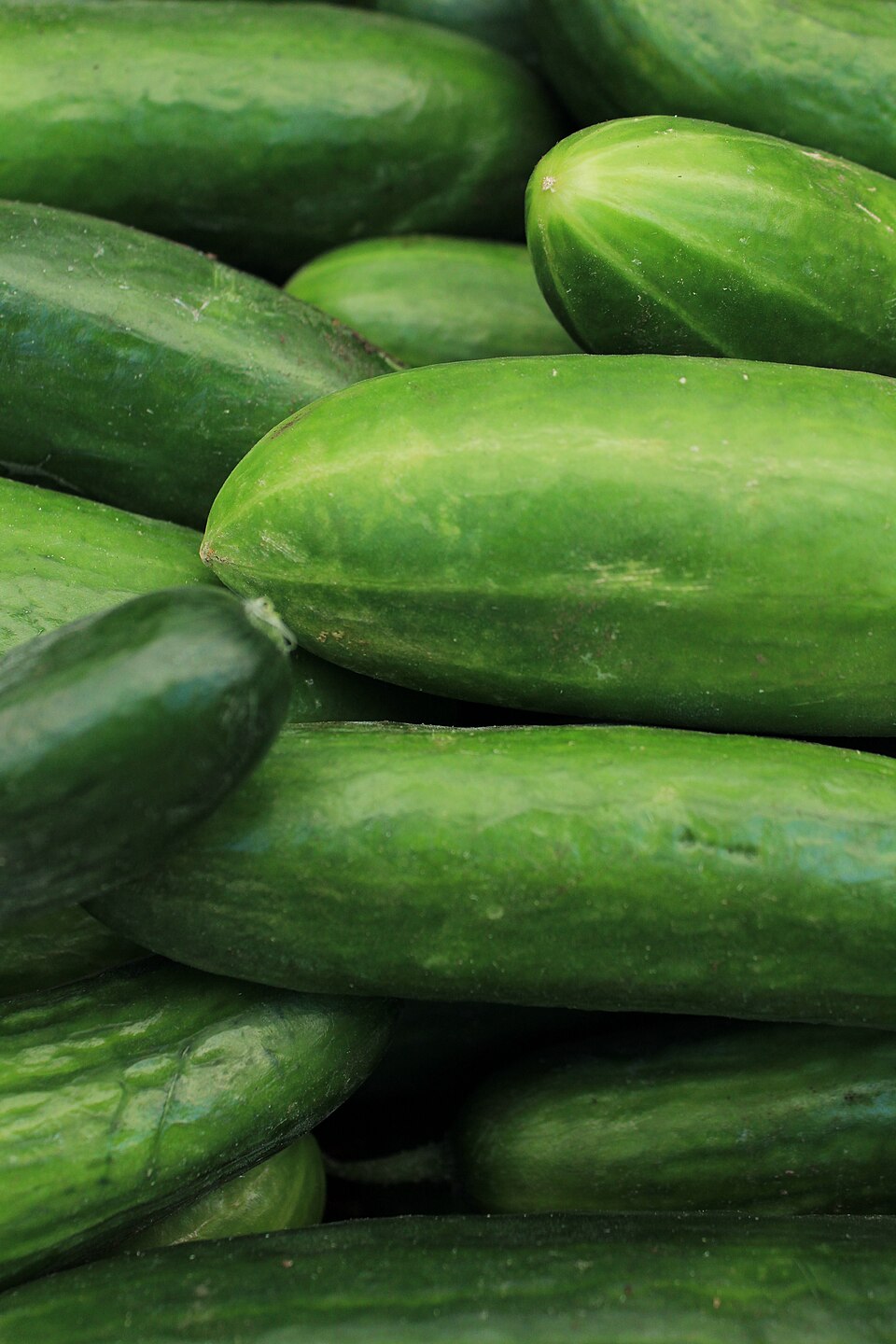
- 01Grate the cucumber on the coarse side of a box grater. If it is large and seedy, halve it lengthways and scrape out the seeds with a teaspoon first.
- 02Toss the grated cucumber with the teaspoon of salt and tip it into a sieve set over a bowl. Leave to drain for 20 minutes.
Cucumber - 03Gather the cucumber into a clean tea towel or a double layer of muslin and wring it out hard over the sink. Keep squeezing until no more liquid comes. It should feel almost dry.
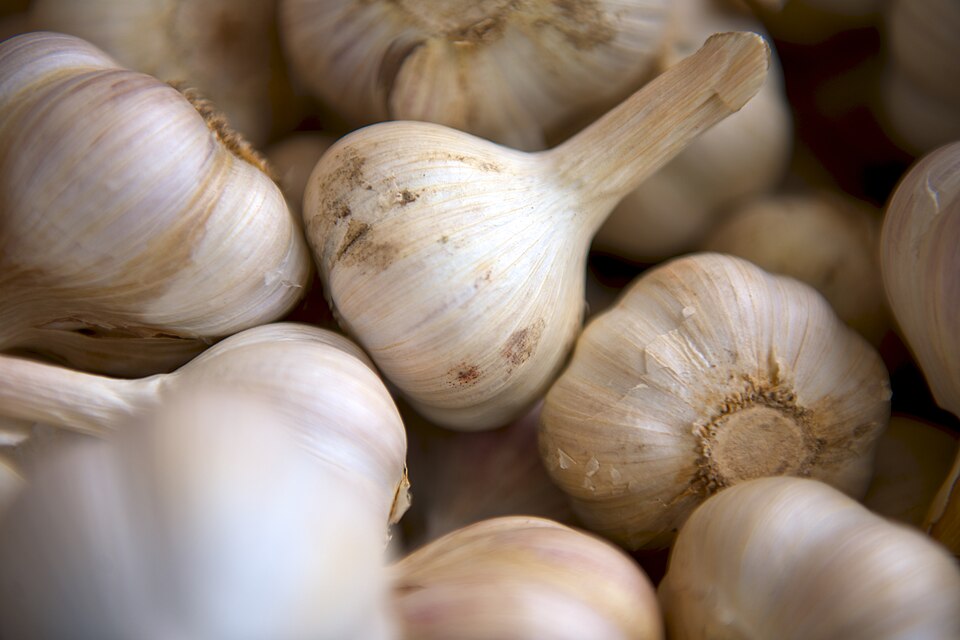
- 04Crush the garlic cloves to a smooth paste with a pinch of salt, using a mortar or the flat of a knife.
Garlic - 05In a bowl, beat the yogurt with the olive oil and vinegar until smooth and glossy, then stir in the garlic paste.
- 06Fold in the squeezed cucumber and the dill. Season with salt and white pepper, tasting as you go.

Dill Salt the cucumber, not the yogurt, first.Yiayia - 07Cover and refrigerate for at least 2 hours, ideally overnight, to let the garlic mellow and the flavours settle.
- 08Stir before serving, spread into a shallow bowl, and pour over a generous slick of olive oil. Finish with a little more dill.
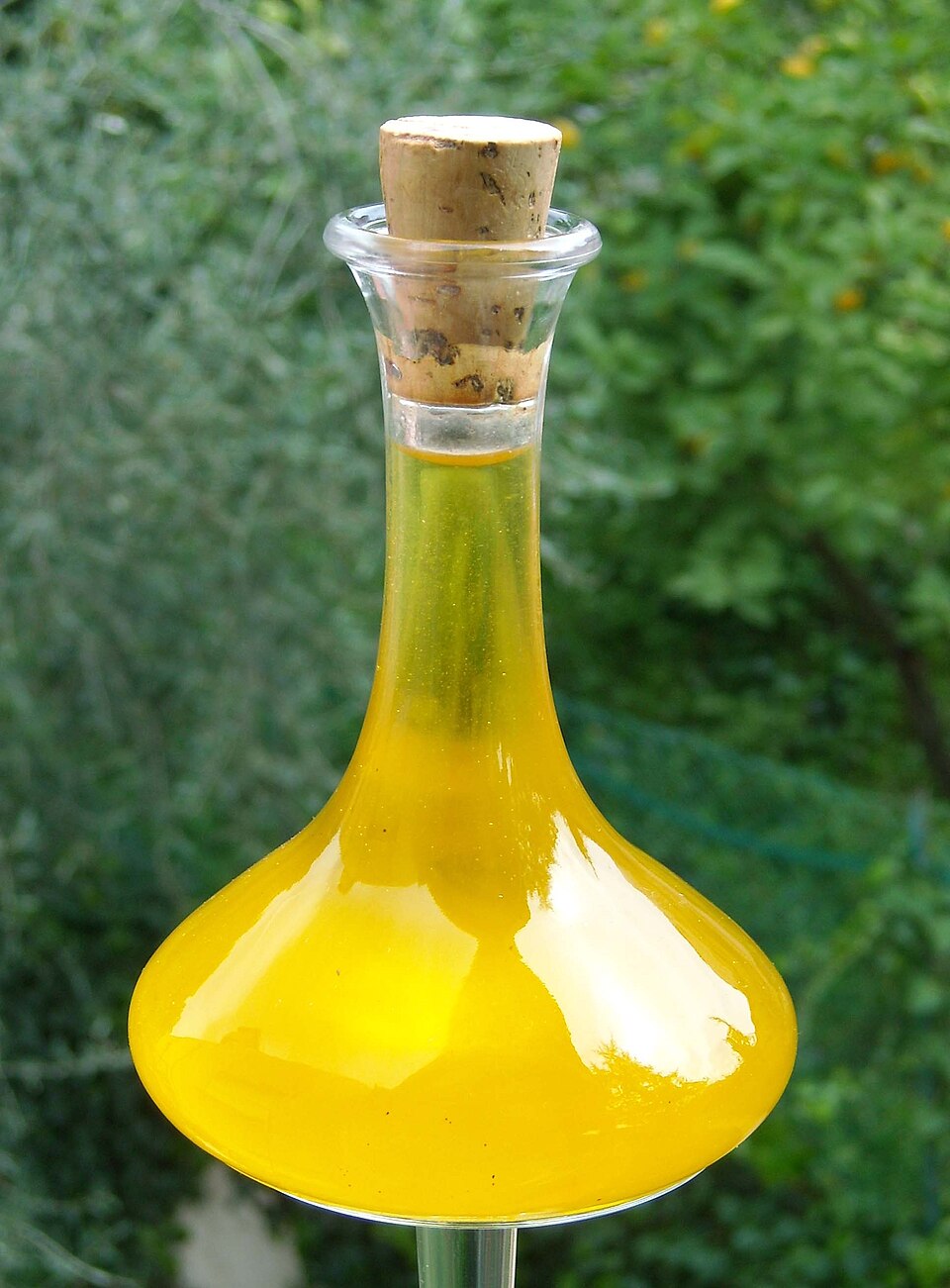
Olive Oil
Nutrition, per about 80 g
- Calories
- 118
- Protein
- 7 g
- Carbs
- 5 g
- Fat
- 8 g
- Sat fat
- 3 g
- Fibre
- 1 g
These figures are calculated estimates based on the ingredients listed, not laboratory analysis. Actual values vary with brands, cuts and portion size.
There is one difference between tzatziki that a Greek would recognise and the loose grey stuff sold in tubs, and it is not the garlic. It is that the cucumber has been salted, drained and then squeezed until it is genuinely dry. Skip that and you are making a sauce. Do it and you are making a dip you can stand a spoon in.
The second thing is the yogurt. It needs to be properly strained sheep's or cow's milk yogurt, thick and tart. Thin yogurt cannot be rescued by adding cucumber to it, and low-fat versions produce something chalky.
Beyond that it is a fifteen-minute recipe with no cooking, and the only real skill is judging the garlic. It should announce itself. Tzatziki is not a subtle food.
Key preparation steps
- Grate the cucumber coarsely, salt it, and leave it to drain for twenty minutes.
- Squeeze it dry in a clean cloth. Genuinely dry, not damp.
- Beat the strained yogurt smooth with olive oil, vinegar and crushed garlic.
- Fold in the cucumber and dill, then rest for at least two hours before serving.
Should you use Greek yogurt or strained yogurt?
In Greece the yogurt used is straggisto, meaning strained, traditionally from sheep's milk. It is thick, high in fat, and noticeably tangier than the mass-market product sold abroad as Greek-style yogurt.
Use full-fat Greek yogurt with at least ten percent fat if you can find it. If your yogurt is thinner than you would like, set it in a sieve lined with muslin over a bowl and leave it in the fridge for two hours. It will lose a surprising amount of whey and firm up considerably. Do not use low-fat: the fat is what carries the garlic and stops the dip tasting sour and thin.
Do you have to squeeze the cucumber?
Yes, and this is the step that decides whether the recipe works. A cucumber is around ninety-six percent water. Grated and left in yogurt, it will steadily release that water and by the next morning you will have a puddle.
Grate it coarsely, toss it with a teaspoon of salt, and leave it in a sieve for twenty minutes. Then gather it into a clean tea towel or a double layer of muslin and wring it out hard over the sink. You should be genuinely surprised by how much comes out, and what is left should feel almost dry to the touch. Some cooks peel and deseed first, which reduces the water further and is worth doing if your cucumbers are large and seedy.
How much garlic, and raw or cooked?
Raw, always, and more than you would expect. Three fat cloves for 500 g of yogurt is a sensible starting point, and plenty of Greek households would double it.
Crush the garlic to a paste with a little salt rather than chopping it. A microplane or a mortar works. Chopped garlic gives you sharp hits in some mouthfuls and nothing in others, whereas a paste distributes evenly. Bear in mind that raw garlic strengthens considerably as the dip sits, so be slightly conservative if you are making it a day ahead.
Dill, mint, or neither?
Dill is the standard across most of Greece and is what you will get in a taverna. Mint appears more in the islands and in Cyprus, and gives a cooler, fresher result that works particularly well alongside grilled lamb.
Using both is common enough. What is not traditional is parsley, lemon zest or anything else, though nobody will stop you. Vinegar, usually red wine vinegar, is the traditional acid rather than lemon juice.
Why tzatziki needs to rest
Freshly mixed tzatziki tastes like yogurt with things in it. After two hours in the fridge it tastes like tzatziki. The garlic mellows and spreads, the salt draws the flavours together, and the texture tightens.
Two hours is the minimum and overnight is better. Take it out of the fridge fifteen minutes before serving, stir it, and finish with a generous pour of olive oil on top.
What to serve tzatziki with
Warm pita is the obvious answer, and grilled meat is the better one. It is the standard sauce inside a souvlaki or gyros wrap, and it cuts the richness of anything fried, particularly courgette fritters and fried aubergine.
It also belongs on the meze table alongside melitzanosalata and taramosalata, and it is very good simply with raw vegetables and good bread.
What matters in this dish
Do not use a food processor
It shreds the cucumber too finely and whips air into the yogurt, giving a slack, foamy texture. A box grater and a bowl are the right tools.
Salt the cucumber, not the yogurt, first
Salting the yogurt early makes it weep. Season the finished dip at the end, after the cucumber has gone in.
Make it a day ahead
Tzatziki improves overnight and keeps for three days in a sealed container. It does not freeze: the yogurt splits on thawing.
Questions people ask about Tzatziki
Why is my tzatziki watery?
The cucumber was not squeezed dry enough, or the yogurt was too thin to begin with. Both are fixable: strain the yogurt through muslin for two hours before you start, and wring the cucumber until it stops giving up liquid.
How long does tzatziki keep?
Three days in a sealed container in the fridge. The garlic gets stronger each day and a little liquid may gather on top, which you can simply stir back in. It does not freeze well.
Can I make tzatziki dairy-free?
A thick coconut or cashew yogurt works reasonably, though you will need extra vinegar to get the tartness. Choose an unsweetened one and strain it first, since plant yogurts are usually looser than Greek yogurt.
Is tzatziki the same as raita?
They are relatives, not the same thing. Both are yogurt and cucumber, but raita is usually thinner, uses cumin and coriander, and rarely contains raw garlic. Tzatziki is thicker, garlicky and finished with olive oil and vinegar.
Do Greeks put lemon in tzatziki?
Traditionally no, red wine vinegar is the acid. Lemon juice is a common modern variation and tastes fine, but vinegar gives the sharper, rounder flavour you get in Greece.