Region
15 Greek Recipes from the Peloponnese
Olive country, and the source of Kalamata olives and much of Greece's best oil. The cooking is rustic, pork-heavy in winter, and heavy on oranges and figs.

The Peloponnese is olive country, the source of Kalamata olives and much of Greece's best oil. The cooking is rustic, heavy on pork in winter, and heavy on oranges and figs.
The Mani keeps some of the oldest of it. Pork is salted, smoked, then simmered and kept in its own fat with orange peel and fennel seed. Dried figs are pounded with walnuts into bars. Thin ribbons of dough are fried on New Year's Eve.
Elsewhere there is small square egg pasta simmered with chicken in tomato, lamb baked slowly with potatoes in Argolida, and pork with celery in egg and lemon sauce. Patras makes a cinnamon and clove liqueur. The oranges go into a cold drink for summer.
Every recipe on Kalliopi's Kitchen carries the dish's Greek name and a pronunciation, its region where that is meaningful, ingredient quantities in both metric and imperial, and an honest note on what commonly goes wrong. Nutrition figures are calculated estimates and are labelled as such.
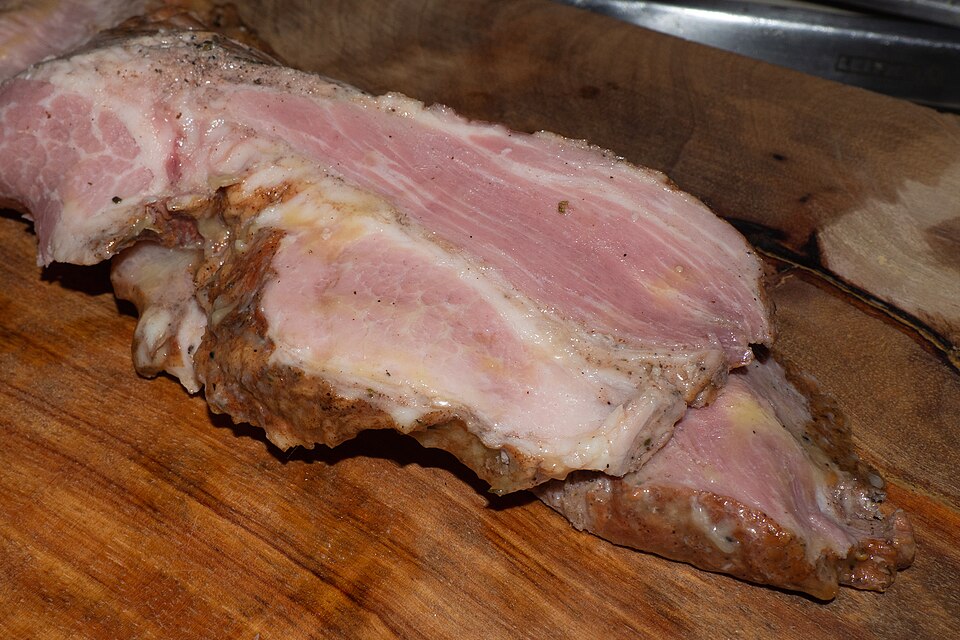
1. Mani Cured and Smoked Pork
Syglino Maniatiko · Σύγκλινο Μανιάτικο · SEEN-glee-no mah-nyah-TEE-koh
Cured pork from the Mani, and the orange peel and fennel seed are what make it Maniot. The meat is salted, smoked over aromatic wood, simmered, then sealed beneath its own fat, which is how a household kept pork through the year before refrigeration. Smoking is traditional, but an unsmoked version is legitimate.
Yiayia’s tip: Remove the bitter white pith from the orange peel. Only the coloured zest carries the fragrant oils. The pith beneath it is bitter and will carry through into the fat.
Make Mani Cured and Smoked Pork2. Peloponnese Egg Pasta with Chicken
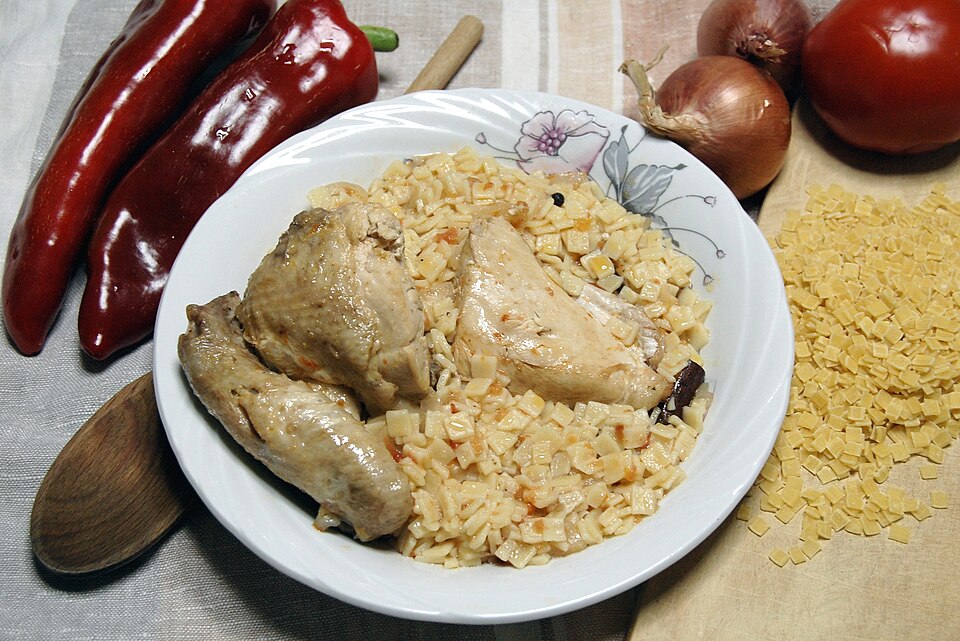
Hylopites · Χυλοπίτες · hee-loh-PEE-tes
Squares of egg pasta that Peloponnese households once rolled, cut and dried in the sun to keep for months. Most now buy them. They simmer in a broth of chicken and tomato, not in water, and their starch thickens the pot into something like a rustic risotto. Watch the liquid in the last ten minutes.
Yiayia’s tip: Brown the chicken properly first. This single step builds most of the sauce's depth. Do not rush past it to get to the simmering stage.
Make Peloponnese Egg Pasta with Chicken3. Eggless Spice Cake for Saint Fanourios
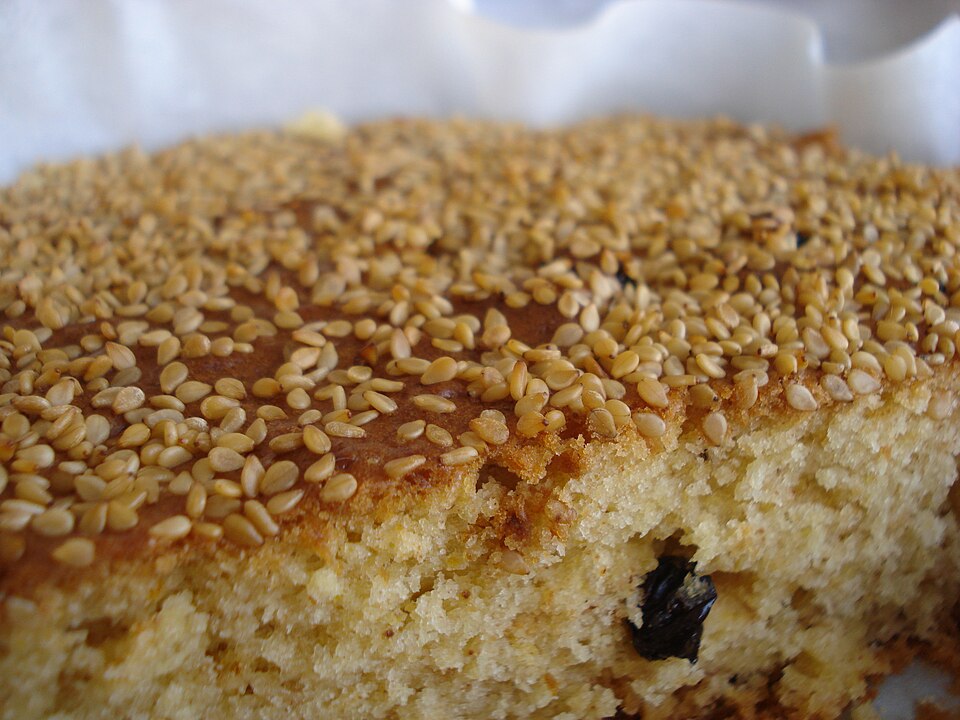
Fanouropita · Φανουρόπιτα · fah-noo-ROH-pee-tah
Baked for Saint Fanourios, whose feast is the 27th of August, by people hoping to find something lost. Custom sets the number of ingredients, most often seven or nine, and has the cake given away in pieces. It has no eggs or dairy, so anyone fasting can share it. Dense, like a tea loaf.
Yiayia’s tip: Do not overwork the batter. There are no eggs here to give structure, so folding gently rather than beating hard keeps the crumb tender rather than tough.
Make Eggless Spice Cake for Saint Fanourios4. Fresh Orange Drink
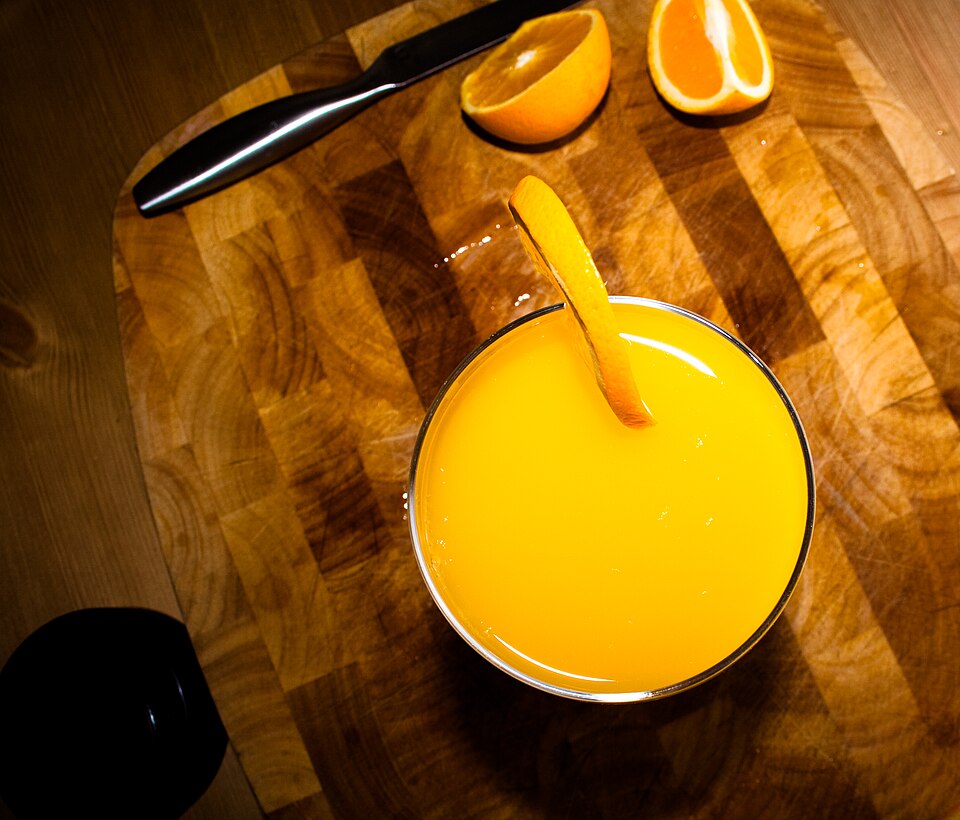
Portokalada · Πορτοκαλάδα · por-toh-kah-LAH-thah
The Peloponnese grows some of the best oranges in Greece, and this is the plainest use for them: squeezed, let down with cold water or soda, poured over ice. No cooking, no syrup. Greek households make it by taste, without measuring, because every batch of oranges is different. Make it close to drinking.
Yiayia’s tip: Taste before sweetening. Genuinely good, ripe oranges often need no added sugar at all. Add it gradually, and only if the juice tastes sharp.
Make Fresh Orange Drink5. Turkey Stuffed with Chestnuts
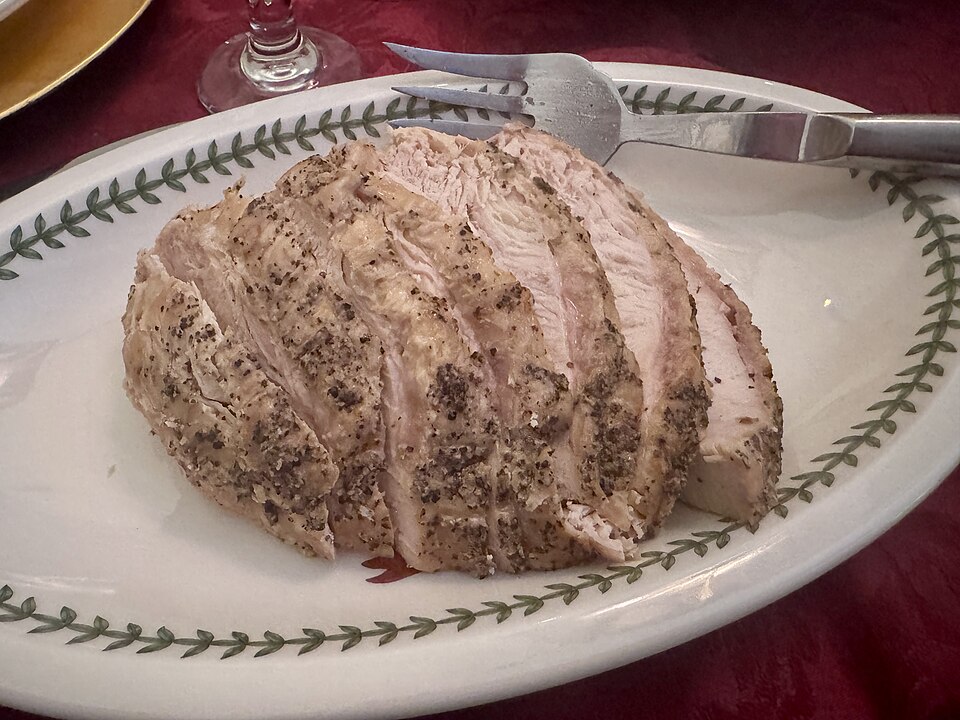
Galopoula gemisti me kastana · Γαλοπούλα γεμιστή με κάστανα · gah-loh-POO-lah yeh-mee-STEE meh KAH-stah-nah
Turkey came late to the Greek Christmas table, and Greek cooks gave it their own filling: minced meat, rice, chestnuts and pine nuts, cooked with warm spices before it goes anywhere near the bird. There is no bread in it at all. It takes five hours, so plan the day around it.
Yiayia’s tip: Stuff loosely, never tightly. The rice expands considerably as it finishes cooking inside the bird. Packing it tightly risks uneven cooking and a food safety issue.
Make Turkey Stuffed with Chestnuts6. Peloponnese Dried Fig and Walnut Bars
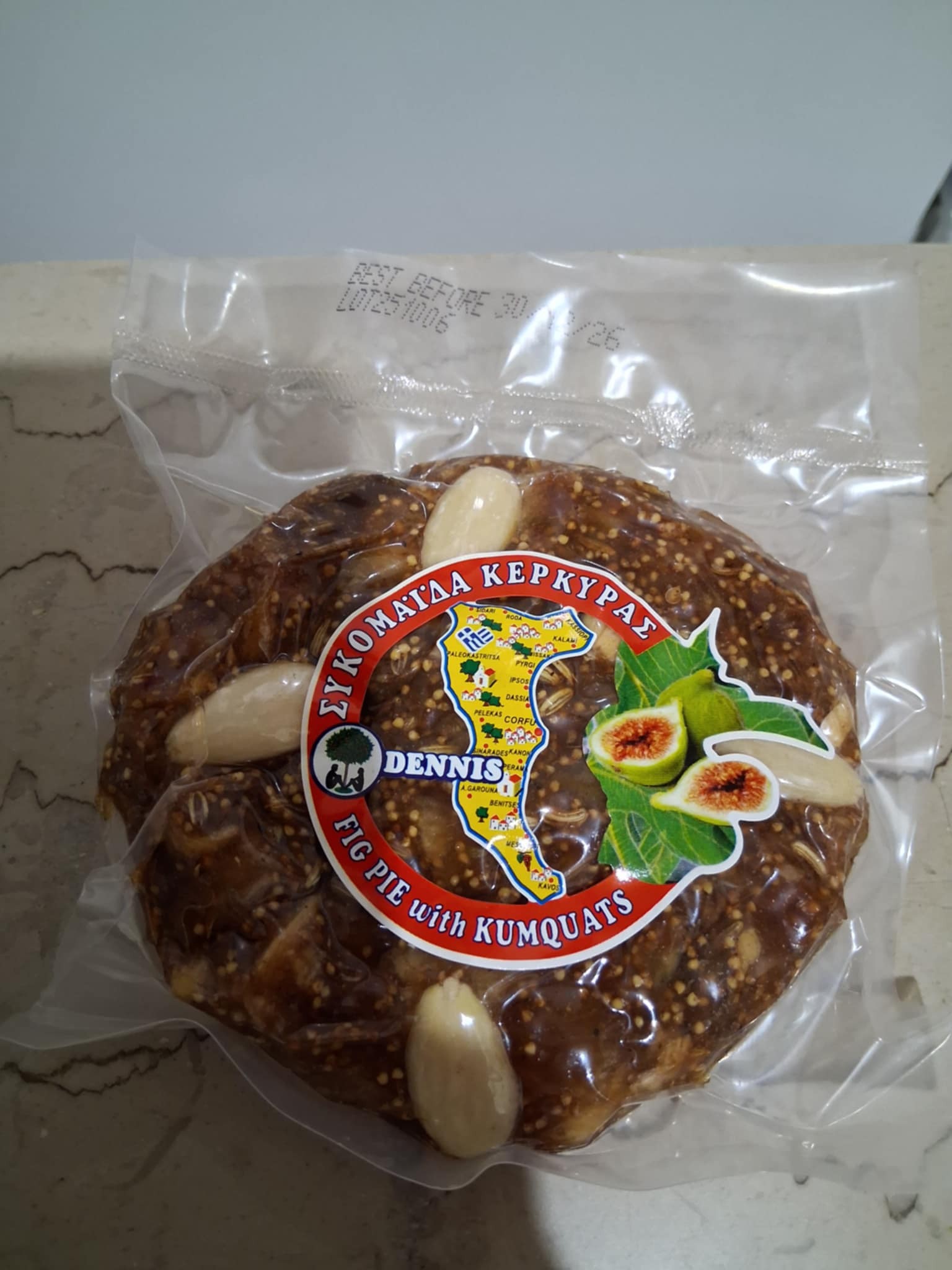
Sykomaida · Συκομαΐδα · see-koh-mah-EE-thah
One of the oldest Greek sweets, from the Mani, made to carry the fig harvest through winter. Dried figs are pounded with walnuts, sesame and a splash of raki or ouzo, then pressed into firm bars. No oven and no added sugar. The figs bring all the sweetness it needs.
Yiayia’s tip: Use genuinely good, soft dried figs. Very firm, leathery figs are hard to process properly. Steam or soak them briefly first if needed.
Make Peloponnese Dried Fig and Walnut Bars7. Patras Cinnamon and Clove Liqueur
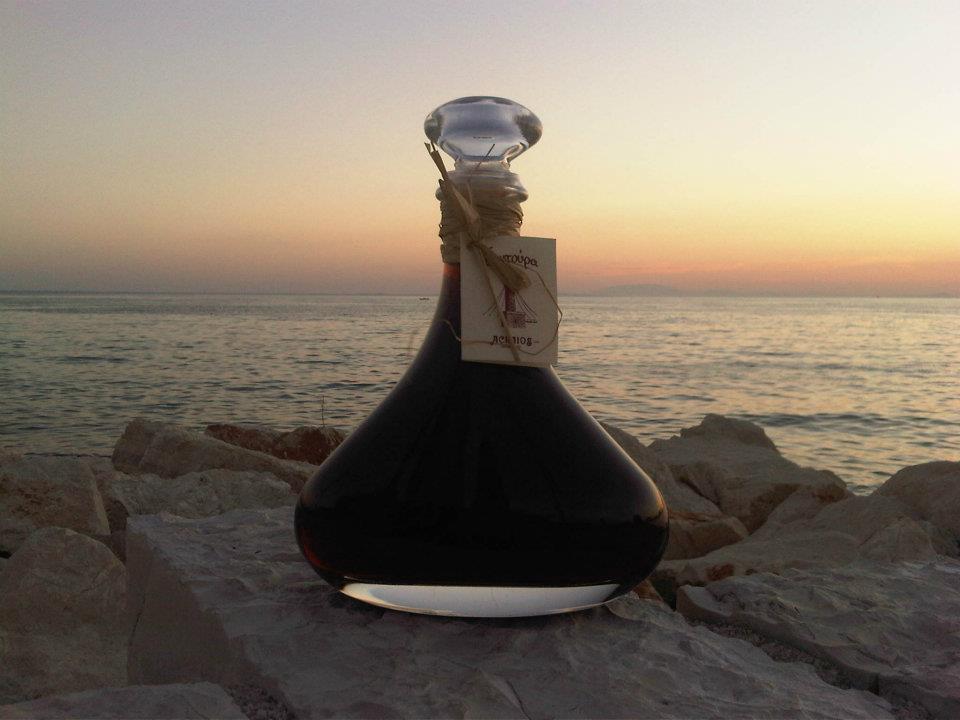
Tentoura · Τεντούρα · ten-DOO-rah
Patras has made this for centuries. Cinnamon, cloves, nutmeg and citrus peel sit in spirit for three to four weeks, then a caramel syrup goes in, which is where the dark colour comes from. Nothing is distilled, so it can honestly be made at home. Serve it very cold, in small glasses.
Yiayia’s tip: Peel the citrus with no pith. Use a vegetable peeler and take only the coloured layer. Pith is where the bitterness lives, and over four weeks in spirit it will find its way into the finished bottle.
Make Patras Cinnamon and Clove Liqueur8. Pork and Celery in Egg-Lemon Sauce
Hirino me selino · Χοιρινό με σέλινο · hee-ree-NOH meh SEH-lee-noh
The pork stew of the Greek winter, and one that deserves to be far better known outside Greece. Pork shoulder cooks slowly with a very large amount of celery, then egg and lemon pull it together. Greek celery is leafy, thin-stalked and much stronger than the supermarket kind.
Yiayia’s tip: Use the celery leaves. They carry more flavour than the stalks and are usually thrown away. Add them near the end so they keep some freshness.
Make Pork and Celery in Egg-Lemon Sauce9. Peloponnese New Year's Eve Fried Dough
Lalangia · Λαλάγγια · lah-LAHN-gyah
Made on New Year's Eve across the Peloponnese, and in the Mani most of all. The dough is closer to bread than to pastry, stretched thin, fried crisp and finished with honey or sugar. It exists because of the night it is eaten on, not because of any clever technique.
Yiayia’s tip: Rest the dough properly. A rushed dough fights back when you try to stretch it thin. A genuine thirty to sixty minute rest makes it far easier to work with.
Make Peloponnese New Year's Eve Fried Dough10. Fried Peloponnese Sfela Cheese
Saganaki sfela · Σαγανάκι σφέλα · sah-gah-NAH-kee SFEH-lah
Messinia, in the Peloponnese, makes a firm, salty brined cheese called Sfela, with protected origin status. Both qualities suit a hot pan: it keeps its shape where a softer cheese would not, and only the inside gives a little. Next to the smoked Metsovone saganaki of Epirus, this one is sharper and saltier.
Yiayia’s tip: Watch the heat closely. The flour coating can burn quickly at the temperature this dish needs. Keep an eye on it rather than walking away.
Make Fried Peloponnese Sfela Cheese11. Apricot Spoon Sweet
Verikoko glyko · Βερίκοκο γλυκό · veh-REE-koh-koh glee-KOH
Nafplio and the Argolid around it have long grown apricots, and this is what the region does with them. Whole or halved fruit is candied slowly in a light syrup with lemon and one or two cloves, no more, because apricot is easily drowned. It softens far faster than quince. Start checking at thirty minutes.
Yiayia’s tip: Use firm, slightly underripe fruit. Fully ripe apricots collapse into the syrup rather than staying as distinct, glossy halves through the candying process.
Make Apricot Spoon Sweet12. Argolida Slow-Baked Lamb with Potatoes
Bogana · Μπογάνα · boh-GHA-nah
Argolida's feast-day roast, named for the pot and not the meat. The fat marks it out: sheep or goat butter goes in beside the olive oil and gives a rounder, slightly farmyard richness. Small whole potatoes cook in the lamb juices for three hours, and in many homes they are the prize.
Yiayia’s tip: Seal the pot properly. If your lid is loose, crimp a sheet of foil under it. Steam escaping is the commonest reason a bogana comes out dry rather than falling apart.
Make Argolida Slow-Baked Lamb with Potatoes13. Maniot Pasta with Mizithra and Egg
Tsouchti · Τσουχτή · tsookh-TEE
The Mani makes this from four things: pasta, butter, an egg and aged mizithra. No tomato, no meat. The butter is taken past melting until it tastes of toasted nuts, and that is the whole sauce. A fried egg sits on top, and its yolk is what holds cheese and pasta together.
Yiayia’s tip: Keep the pasta water. The starch in it is what turns browned butter into a sauce. Without it the butter slides straight off the pasta and sits at the bottom of the plate.
Make Maniot Pasta with Mizithra and Egg14. Scrambled Eggs with Tomato and Feta
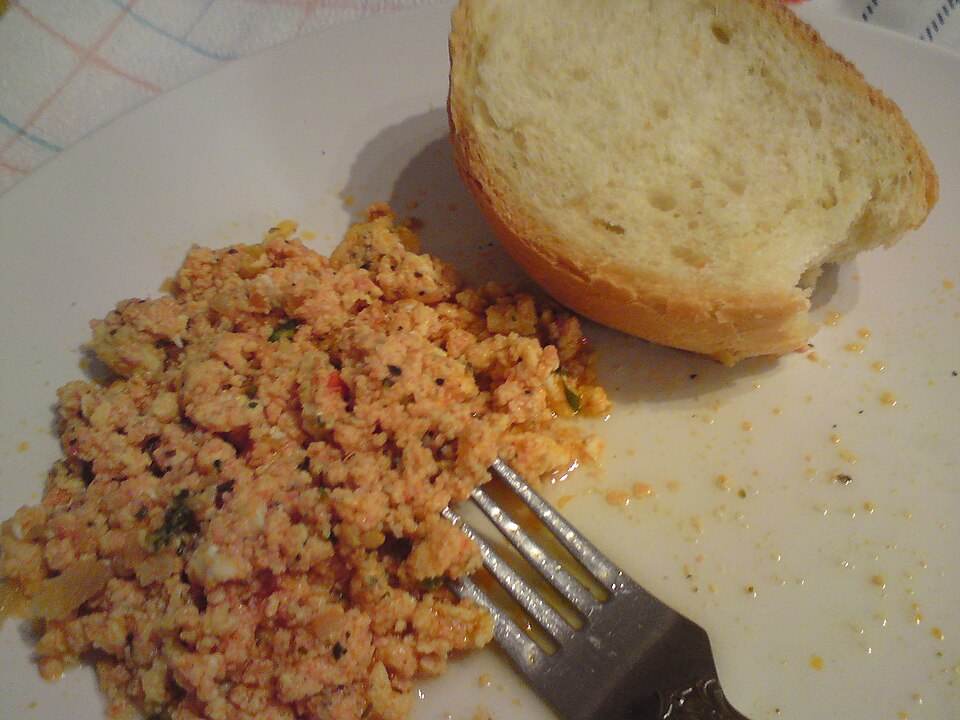
Strapatsada · Στραπατσάδα · strah-pah-TSAH-thah
August food, for the weeks when tomatoes peak and the oven stays off. The Peloponnese calls it kagianas, and some households will argue that is another dish. It is not. The tomato has to cook down to a thick, jammy paste before any egg goes in, or the scramble sits in pink liquid.
Yiayia’s tip: Low heat for the eggs. The tomato wants high heat and the eggs want low. Turning the heat down between the two stages is the single most useful thing you can do here.
Make Scrambled Eggs with Tomato and Feta15. Stifado
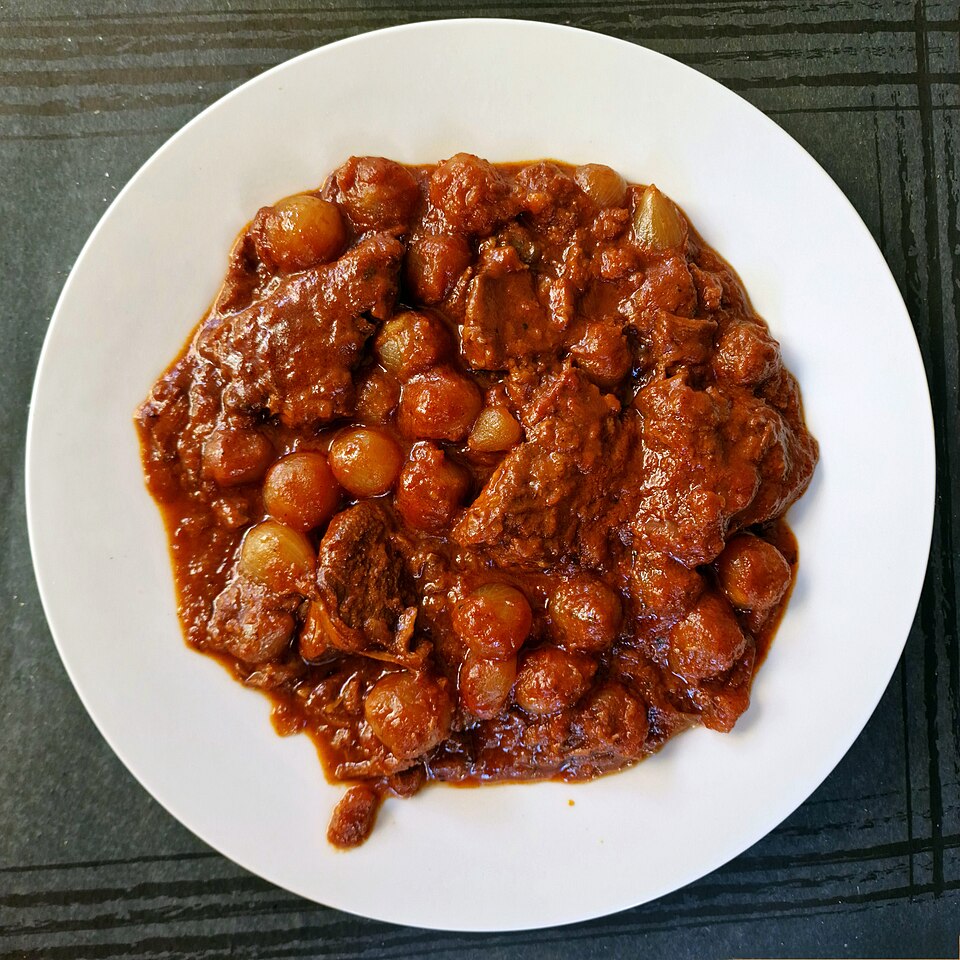
Στιφάδο · stee-FAH-thoh
A stew defined by its onions. They go in whole, a kilo of them to a kilo of meat, and come out sweet and translucent. Red wine vinegar gives it a sharpness no other Greek stew has, with cinnamon, clove and bay behind it. Beef is usual. Rabbit is arguably the more traditional choice.
Yiayia’s tip: Blanch the onions to peel them. One minute in boiling water then into cold, and the skins slip off. Saves half an hour and a lot of unpleasantness.
Make Stifado
Browse other regions
Get one proper Greek recipe a week
No round-ups, no filler, no fifteen-ingredient shortcuts. One dish, written out in full, with the reasoning included.
One email a week. Unsubscribe from any of them.