Occasion
24 Greek Christmas Recipes
The Greek Christmas table runs on two cookies above all, melomakarona and kourabiedes, plus a stuffed roast, christopsomo bread, and a New Year cake with a coin in it.
Christmas in Greece is baked before it is cooked. The two cookies come first, melomakarona soaked in honey syrup and kourabiedes buried in icing sugar, and most households make both and argue over which is better. Around them sit the other sweets of the Christmas table: diples, the fried honey pastry, the chocolate biscuit log called kormos, and the dried fig and walnut bars of the Mani.
The savoury table is built for cold weather. Turkey is a late arrival and gets a Greek filling of minced meat, rice and chestnuts. Pork with celery in egg and lemon sauce is what many families cook when the weather turns. Christopsomo, the bread marked with a cross, is for Christmas itself. Vasilopita, the cake with the coin hidden in it, waits for New Year.
The list starts with the sweets, because that is where a Greek kitchen starts in December. If you only make one thing, make the melomakarona, and make them a few days early.
Every recipe on Kalliopi's Kitchen carries the dish's Greek name and a pronunciation, its region where that is meaningful, ingredient quantities in both metric and imperial, and an honest note on what commonly goes wrong. Nutrition figures are calculated estimates and are labelled as such.
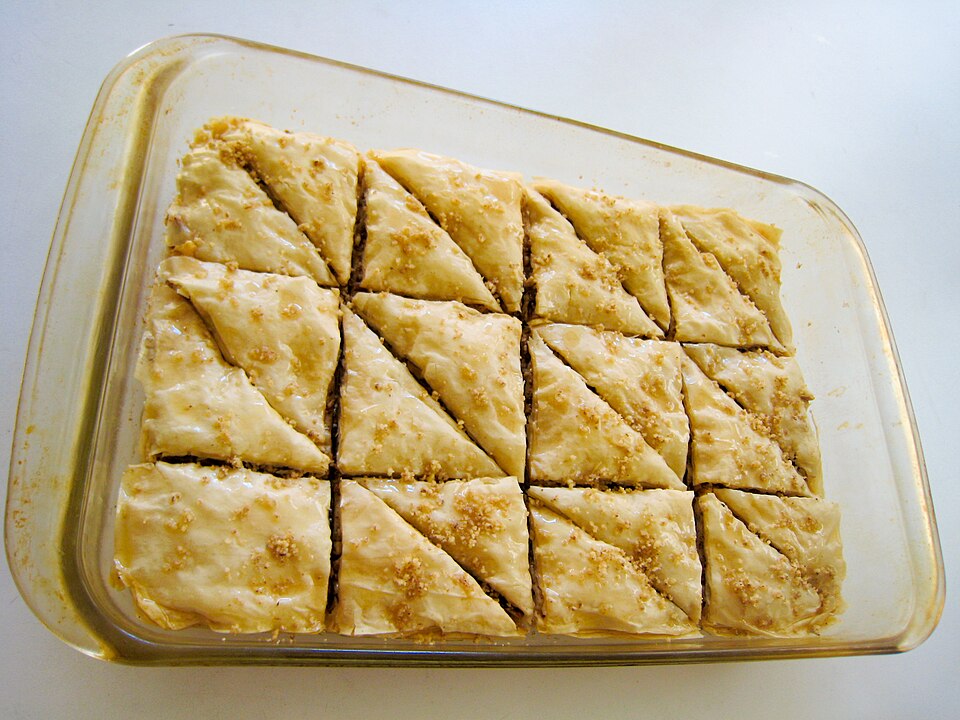
1. Baklava
Baklavas · Μπακλαβάς · bahk-lah-VAHS
The one everybody thinks they know. The Greek version is walnuts, not pistachios, with a heavy hand of cinnamon and clove and a syrup built on honey. Nothing in it is difficult. The layering takes as long as it takes, and the syrup decides whether you end up with crisp or soggy.
Yiayia’s tip: Do not stir the syrup once it boils. Stirring a boiling sugar syrup encourages crystallisation. Dissolve the sugar as it heats, then leave it alone.
Make Baklava2. Melomakarona
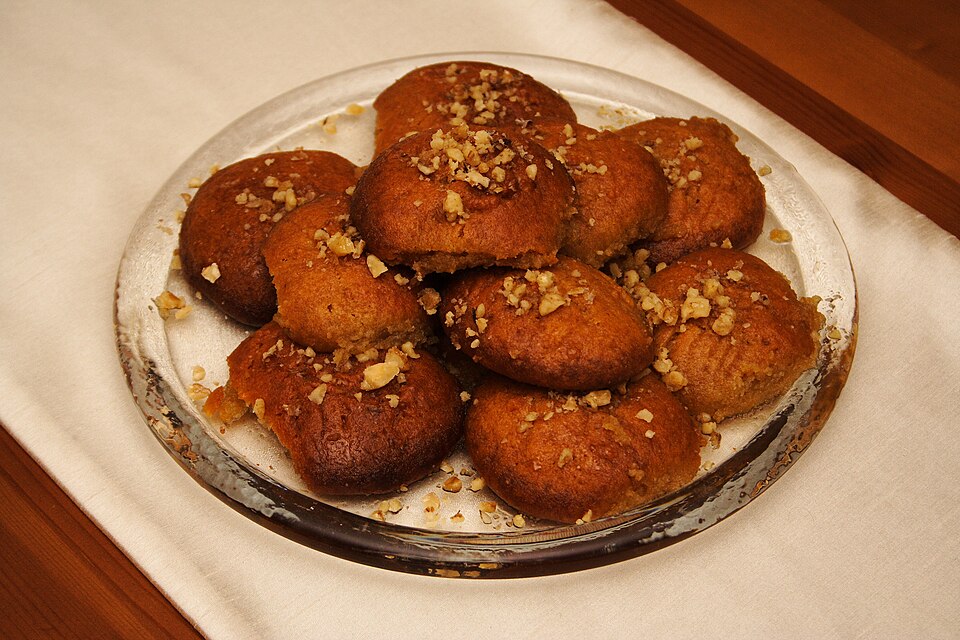
Μελομακάρονα · meh-lo-mah-KAH-ro-nah
Every Greek household bakes these at Christmas and every household argues about them: how much orange, brandy or no brandy, soft all the way through or a little bite left in the middle. They have no butter and no eggs, and they are better on day three than on day one, so make them ahead.
Yiayia’s tip: Do not knead. Fold the dough until it just holds together and stop. Kneaded dough makes tough cookies that will not absorb syrup.
Make Melomakarona3. Kourabiedes
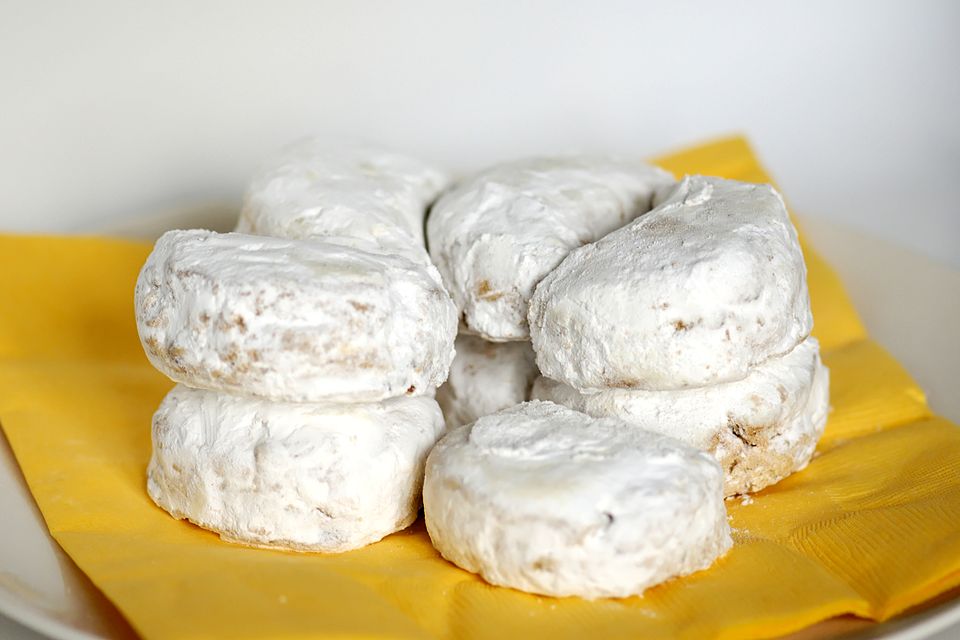
Κουραμπιέδες · koo-rah-bee-EH-des
The other Christmas cookie, and the opposite of melomakarona in every way: almost pure butter and almond, baked pale, then buried in icing sugar. There is so little else in them that the butter you buy is the cookie you get. Nobody has ever eaten one tidily.
Yiayia’s tip: Pale, not golden. A browned kourabies is overbaked. They should look almost underdone when they come out, set but barely coloured.
Make Kourabiedes4. New Year Cake with the Hidden Coin
Vasilopita · Βασιλόπιτα · vah-see-LOH-pee-tah
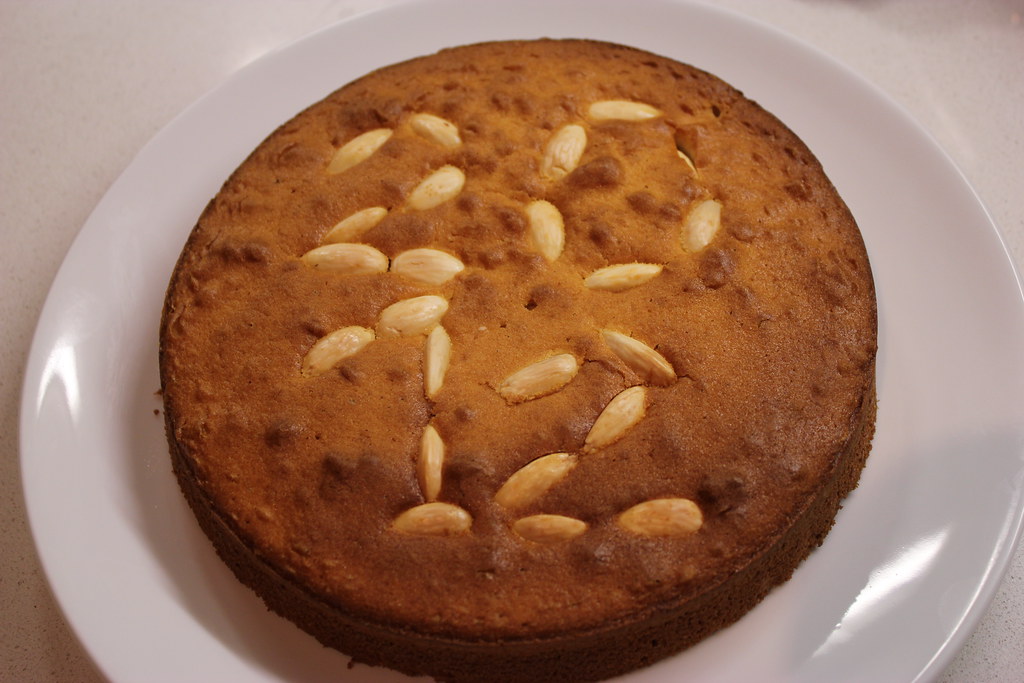
Named for Saint Basil and cut at New Year in a fixed order, with the first slices set aside before anyone eats. A coin is hidden inside, and whoever finds it is said to have the luck for the year. The cake itself is plain on purpose: orange-scented and only lightly sweet.
Yiayia’s tip: Tell everyone about the coin before cutting. It is essential both for the fun of the tradition and, more practically, so nobody bites down on it by surprise.
Make New Year Cake with the Hidden Coin5. Fried Honey Pastry
Diples · Δίπλες · THEE-ples
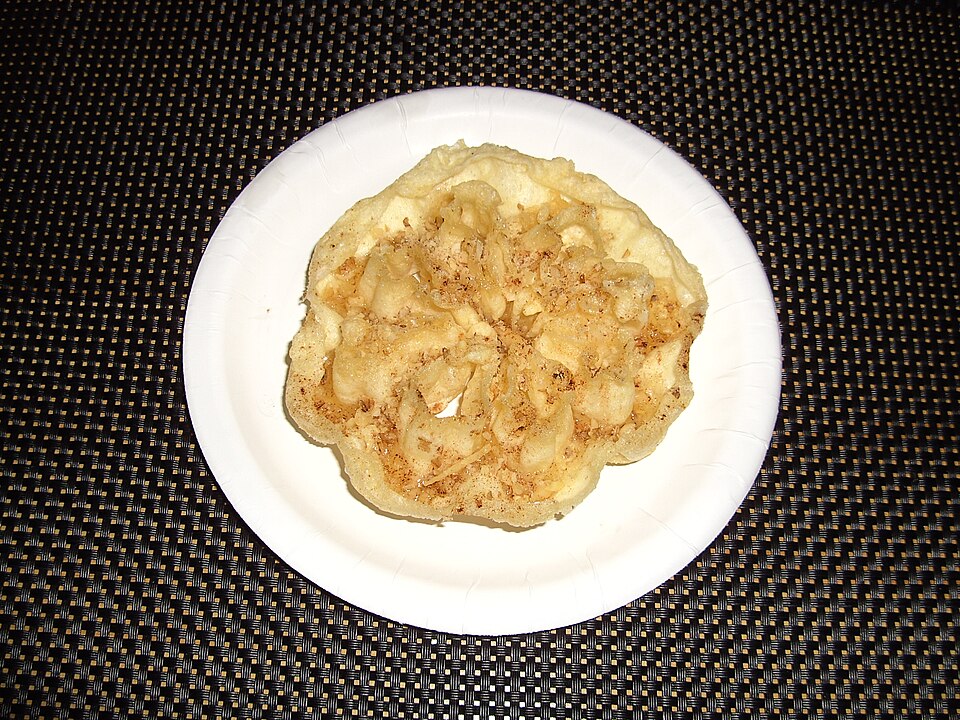
The name means folds. Paper-thin egg dough is twisted on a fork as it hits the oil, so it curls into a crisp ribbon, then it goes into honey syrup under walnuts and cinnamon. No single step is complicated. The rolling takes practice, and the frying leaves no time to hesitate.
Yiayia’s tip: Roll it thinner than feels right. Diples should be nearly translucent before frying. A thick sheet fries chewy rather than light and crisp.
Make Fried Honey Pastry6. Mountain Tea
Tsai tou vounou · Τσάι του βουνού · TSAH-ee too voo-NOO
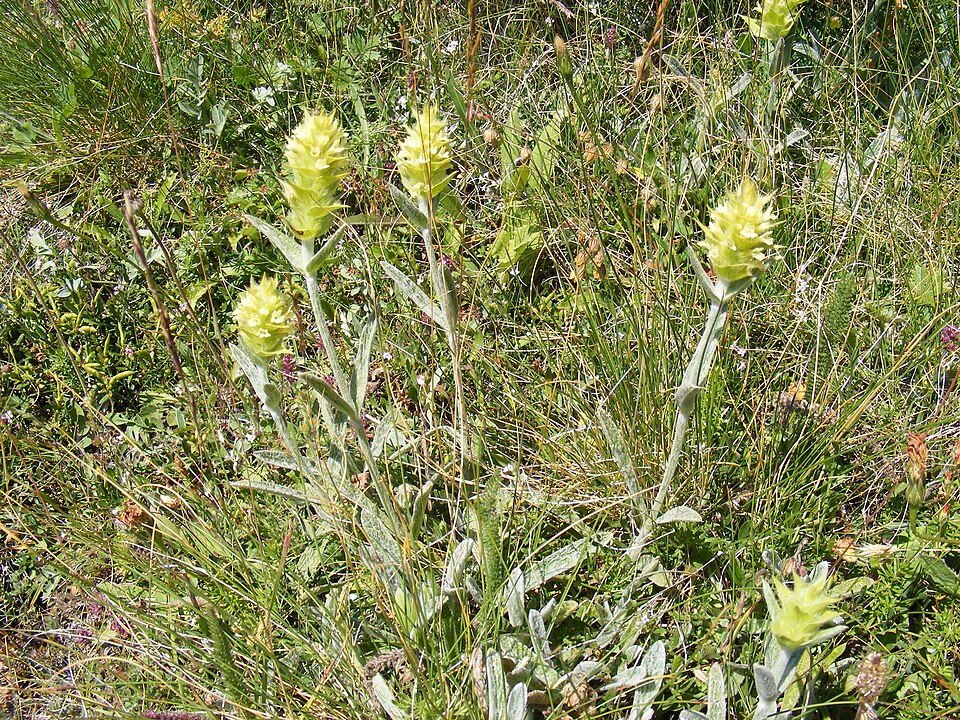
Dried sideritis, a silver-grey wild plant gathered by hand from the high, rocky parts of Epirus and Crete. The tea is mild, faintly floral and has no caffeine in it. Greeks drink it through the cold months, and it has a long history as a home remedy.
Yiayia’s tip: Use water just off the boil, not at a rolling boil. Very vigorously boiling water can scorch the delicate dried plant material and give a harsher flavour.
Make Mountain Tea7. Turkey Stuffed with Chestnuts
Galopoula gemisti me kastana · Γαλοπούλα γεμιστή με κάστανα · gah-loh-POO-lah yeh-mee-STEE meh KAH-stah-nah
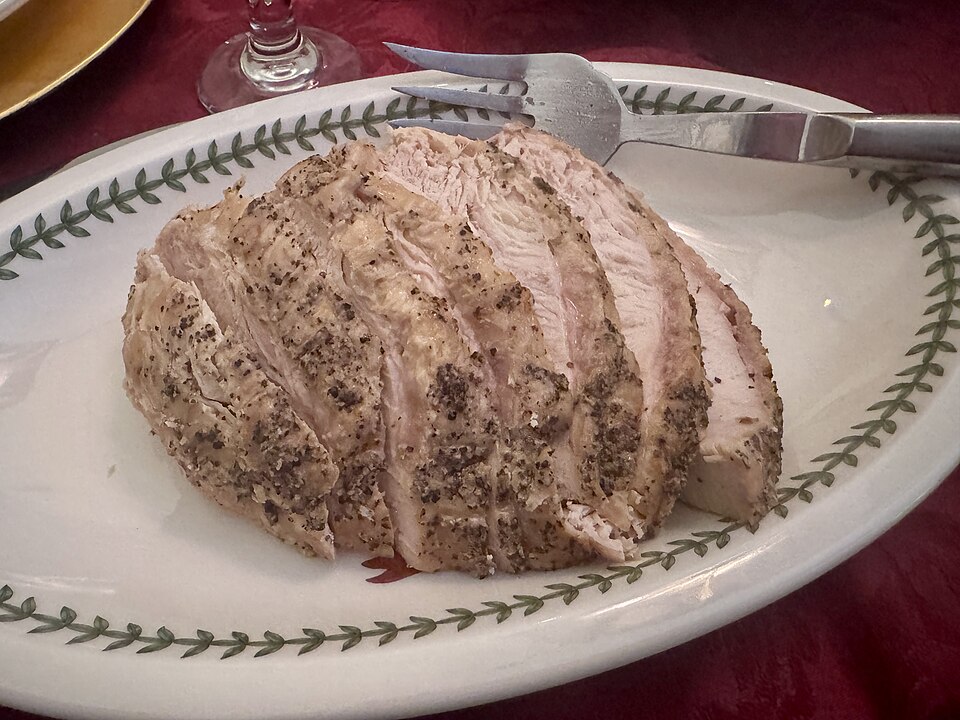
Turkey came late to the Greek Christmas table, and Greek cooks gave it their own filling: minced meat, rice, chestnuts and pine nuts, cooked with warm spices before it goes anywhere near the bird. There is no bread in it at all. It takes five hours, so plan the day around it.
Yiayia’s tip: Stuff loosely, never tightly. The rice expands considerably as it finishes cooking inside the bird. Packing it tightly risks uneven cooking and a food safety issue.
Make Turkey Stuffed with Chestnuts8. Christmas Bread
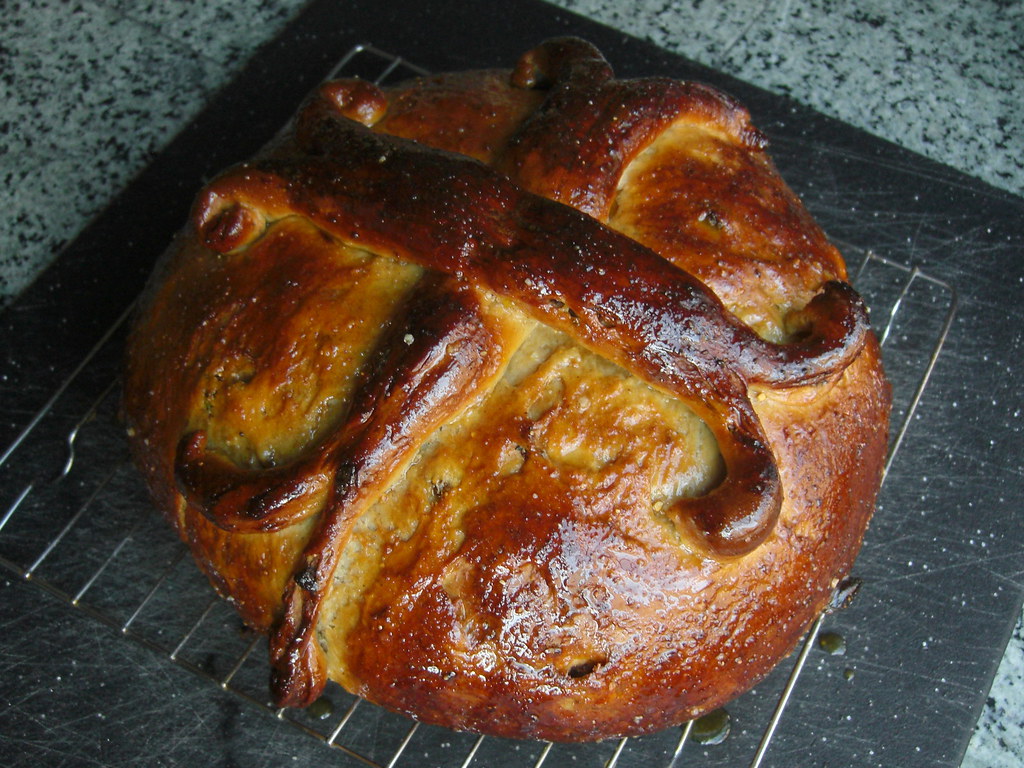
Christopsomo · Χριστόψωμο · hree-STOH-psoh-moh
Christ's bread: a large, round, lightly spiced loaf with a cross of dough laid over the top and often a walnut pressed into the centre. It is baked for Christmas itself. Do not confuse it with vasilopita, the cake with the coin, which belongs to New Year.
Yiayia’s tip: Do not rush the first rise. A properly enriched dough like this needs a genuine hour and a half to two hours to double fully, giving a much better texture than a rushed rise.
Make Christmas Bread9. Sage Tea
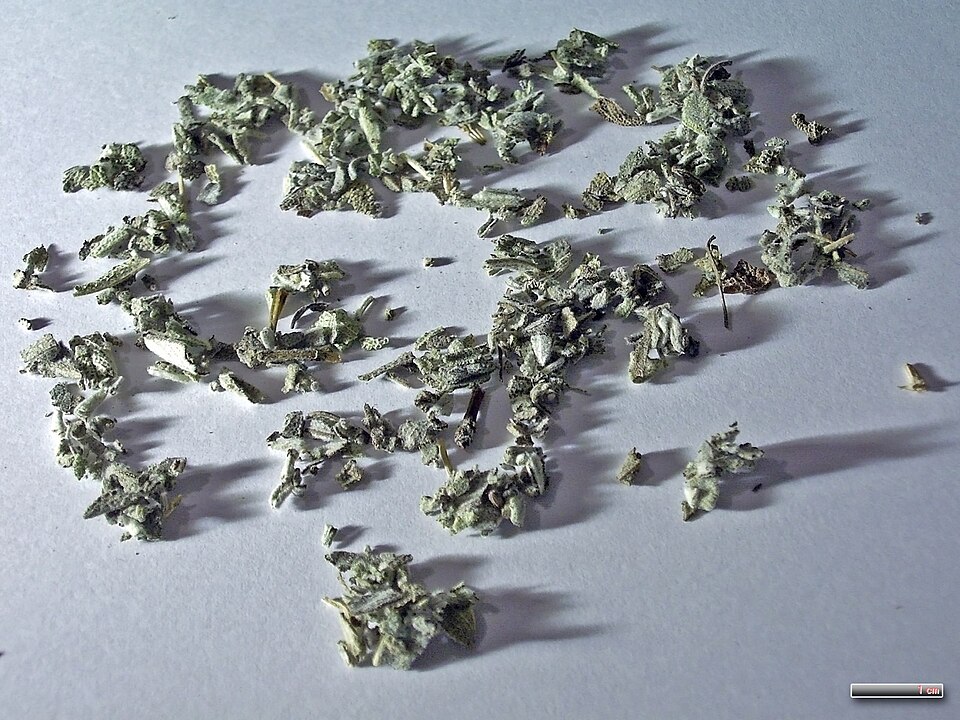
Tsai faskomilo · Τσάι φασκόμηλο · TSAH-ee fahs-KOH-mee-loh
Greek sage grows wild across Crete and the islands. Its tea is a stronger thing than mountain tea, pungent and savoury where that one is floral, and it is a traditional home remedy for a sore throat. Thirteen minutes, most of them spent waiting.
Yiayia’s tip: Do not oversteep. Beyond about ten minutes, the tea can develop a bitter, overly medicinal edge it does not need.
Make Sage Tea10. Peloponnese Dried Fig and Walnut Bars
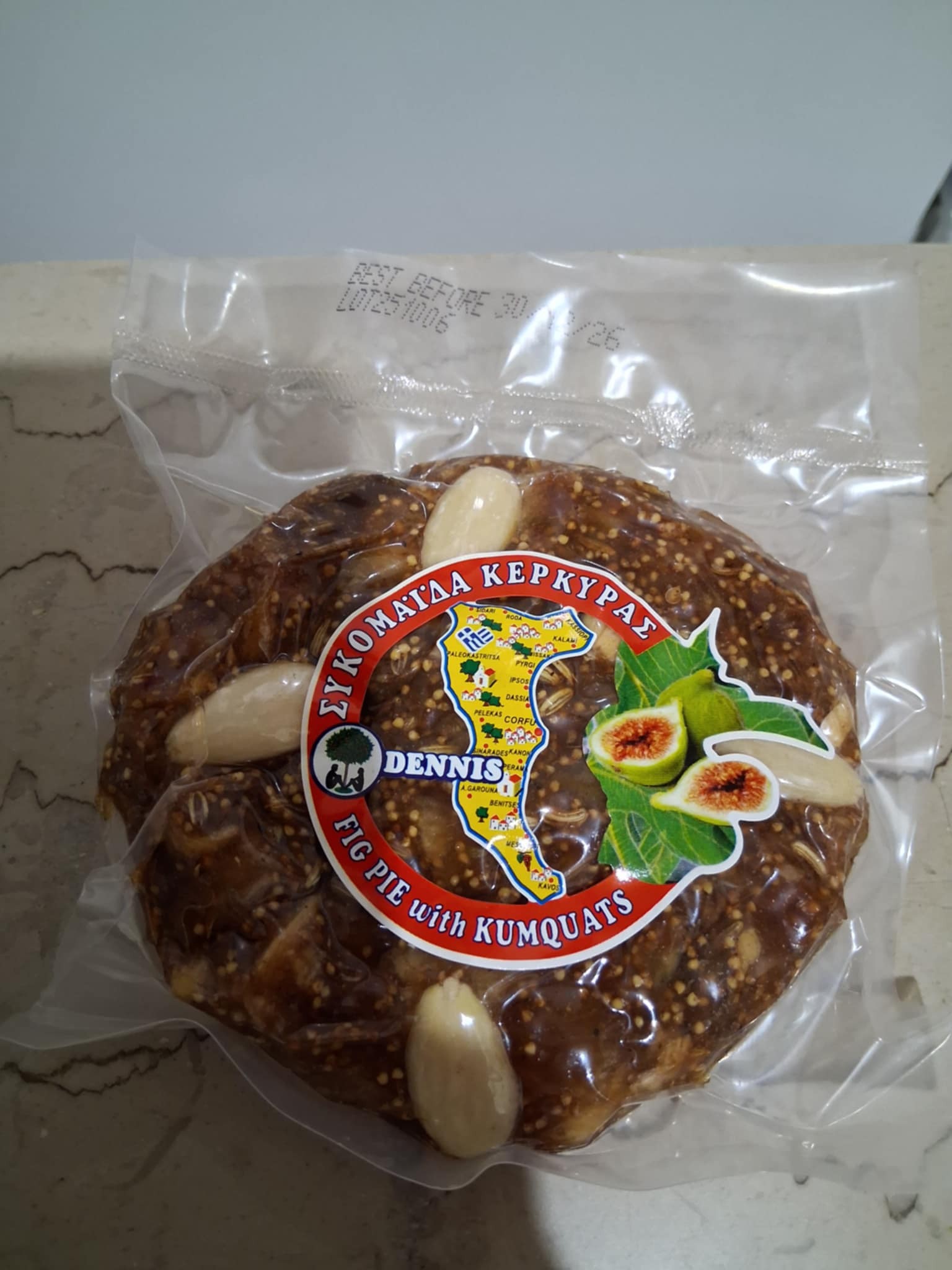
Sykomaida · Συκομαΐδα · see-koh-mah-EE-thah
One of the oldest Greek sweets, from the Mani, made to carry the fig harvest through winter. Dried figs are pounded with walnuts, sesame and a splash of raki or ouzo, then pressed into firm bars. No oven and no added sugar. The figs bring all the sweetness it needs.
Yiayia’s tip: Use genuinely good, soft dried figs. Very firm, leathery figs are hard to process properly. Steam or soak them briefly first if needed.
Make Peloponnese Dried Fig and Walnut Bars11. Kormos
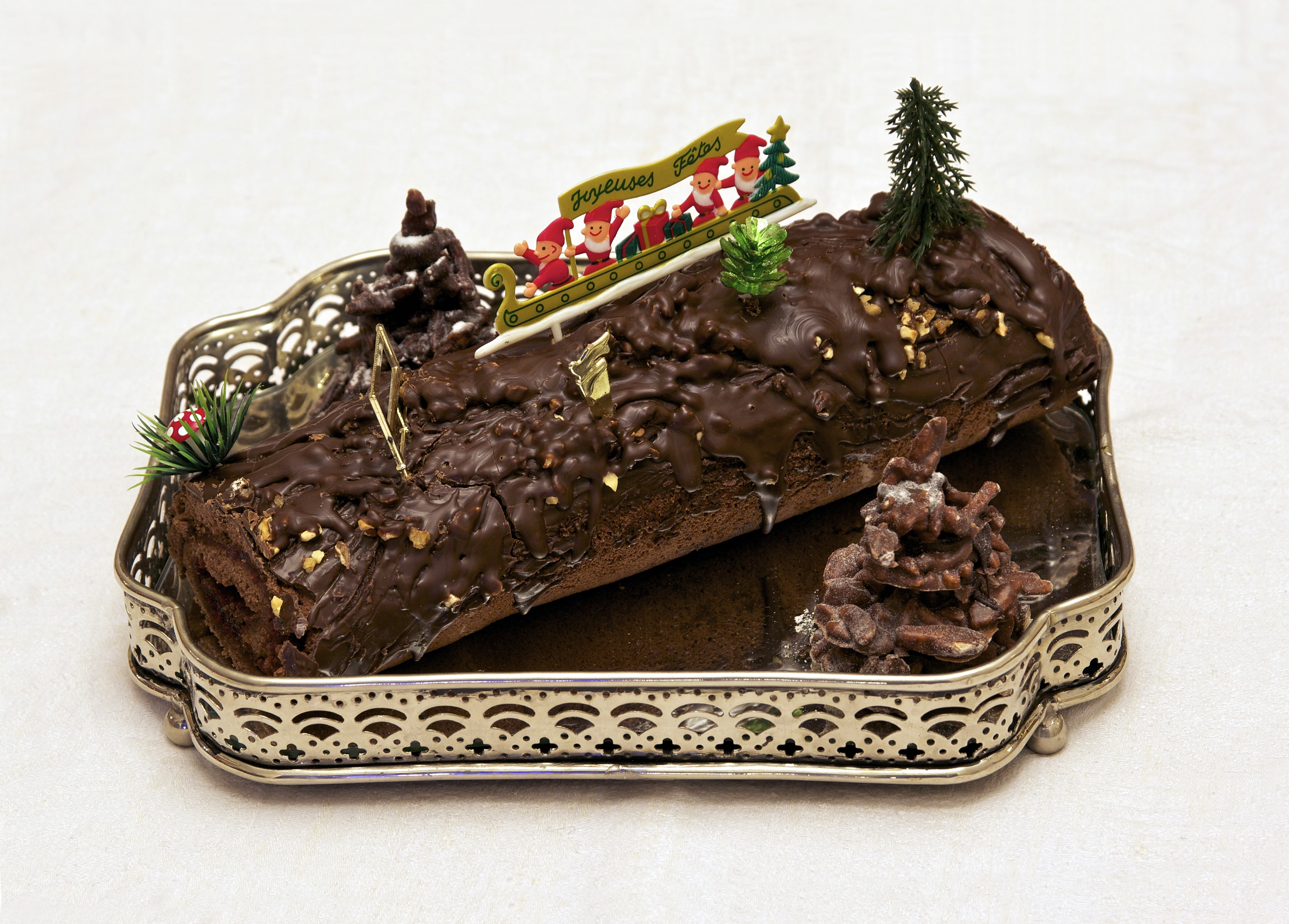
Κορμός · kor-MOHS
A chocolate biscuit log that needs no oven and very little skill: crushed tea biscuits bound in cocoa and butter, shaped by hand, chilled until firm, then dusted with icing sugar so it looks like a log under snow. It turns up most often at Christmas.
Yiayia’s tip: Crush the biscuits unevenly, not to a powder. Some texture and crunch is exactly what makes kormos interesting to eat. A fine powder gives a denser, less interesting result.
Make Kormos12. Patras Cinnamon and Clove Liqueur
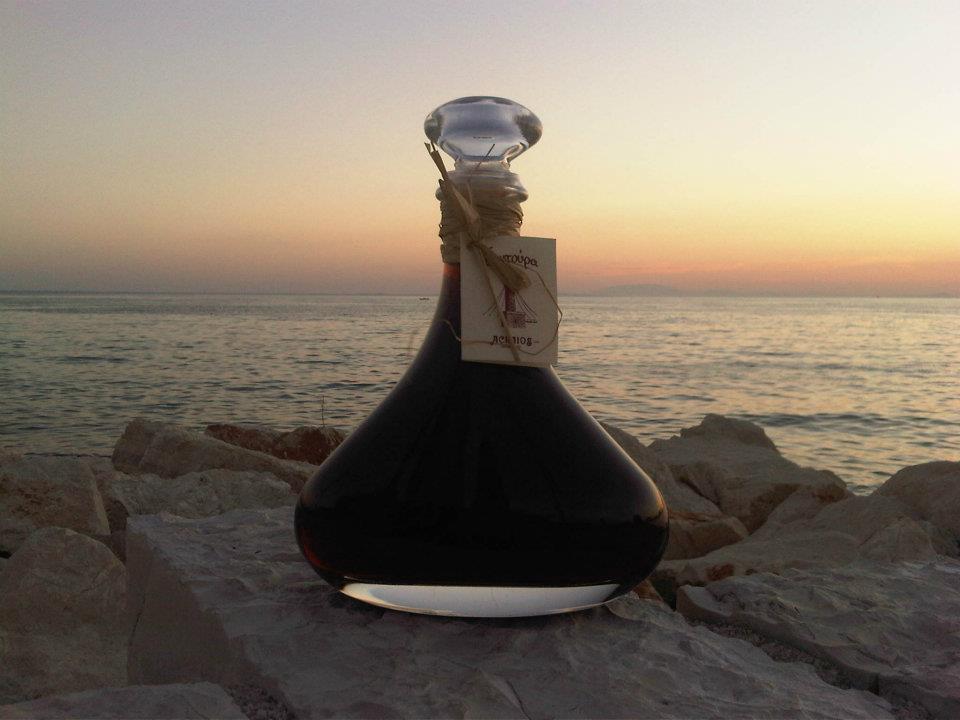
Tentoura · Τεντούρα · ten-DOO-rah
Patras has made this for centuries. Cinnamon, cloves, nutmeg and citrus peel sit in spirit for three to four weeks, then a caramel syrup goes in, which is where the dark colour comes from. Nothing is distilled, so it can honestly be made at home. Serve it very cold, in small glasses.
Yiayia’s tip: Peel the citrus with no pith. Use a vegetable peeler and take only the coloured layer. Pith is where the bitterness lives, and over four weeks in spirit it will find its way into the finished bottle.
Make Patras Cinnamon and Clove Liqueur13. Peloponnese New Year's Eve Fried Dough
Lalangia · Λαλάγγια · lah-LAHN-gyah
Made on New Year's Eve across the Peloponnese, and in the Mani most of all. The dough is closer to bread than to pastry, stretched thin, fried crisp and finished with honey or sugar. It exists because of the night it is eaten on, not because of any clever technique.
Yiayia’s tip: Rest the dough properly. A rushed dough fights back when you try to stretch it thin. A genuine thirty to sixty minute rest makes it far easier to work with.
Make Peloponnese New Year's Eve Fried Dough14. Constantinople-Style Cabbage Slaw
Politiki salata · Πολίτικη σαλάτα · poh-LEE-tee-kee sah-LAH-tah
The name comes from Poli, which is what Greeks with roots in Constantinople still call the city. Finely shredded white cabbage with carrot and red pepper, dressed sharply with olive oil and lemon. It is on winter tables all over Greece, and at Christmas above all.
Yiayia’s tip: Shred everything very fine. This is a slaw, not a chopped salad. A mandoline or food processor gives a far more even texture than a knife.
Make Constantinople-Style Cabbage Slaw15. Pastitsio
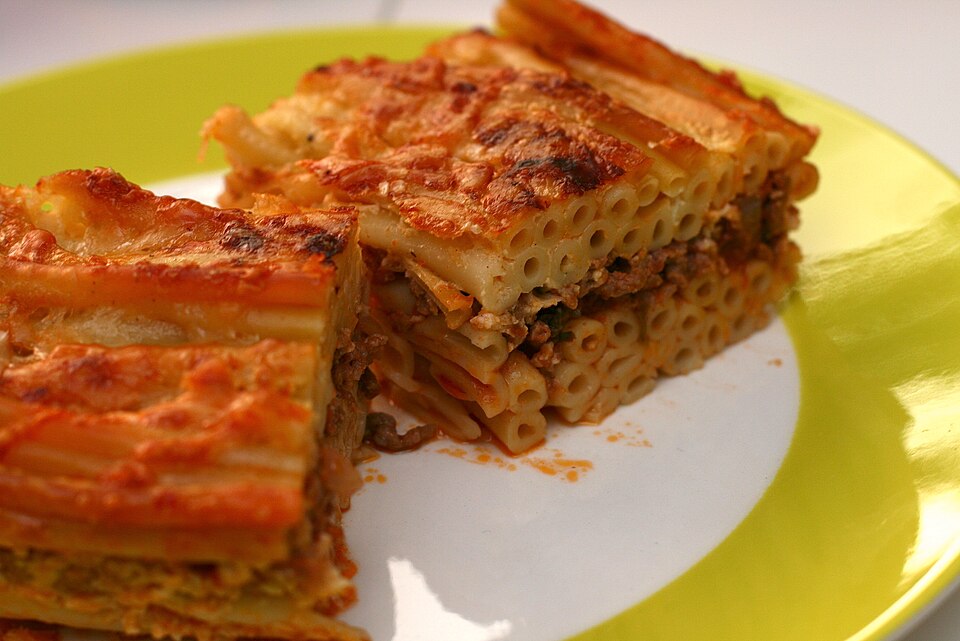
Παστίτσιο · pah-STEE-tsee-oh
The baked pasta Greek families make more often than moussaka, because it costs less, forgives more and nobody at the table refuses it. Two things make it Greek and not Italian: cinnamon in the meat sauce, and a bechamel layer as deep as the pasta underneath it.
Yiayia’s tip: Lay the pasta the same way. If you are using long tubes, lay them all running in one direction. Cutting across the grain afterwards gives clean square portions rather than ragged ones.
Make Pastitsio16. Stifado
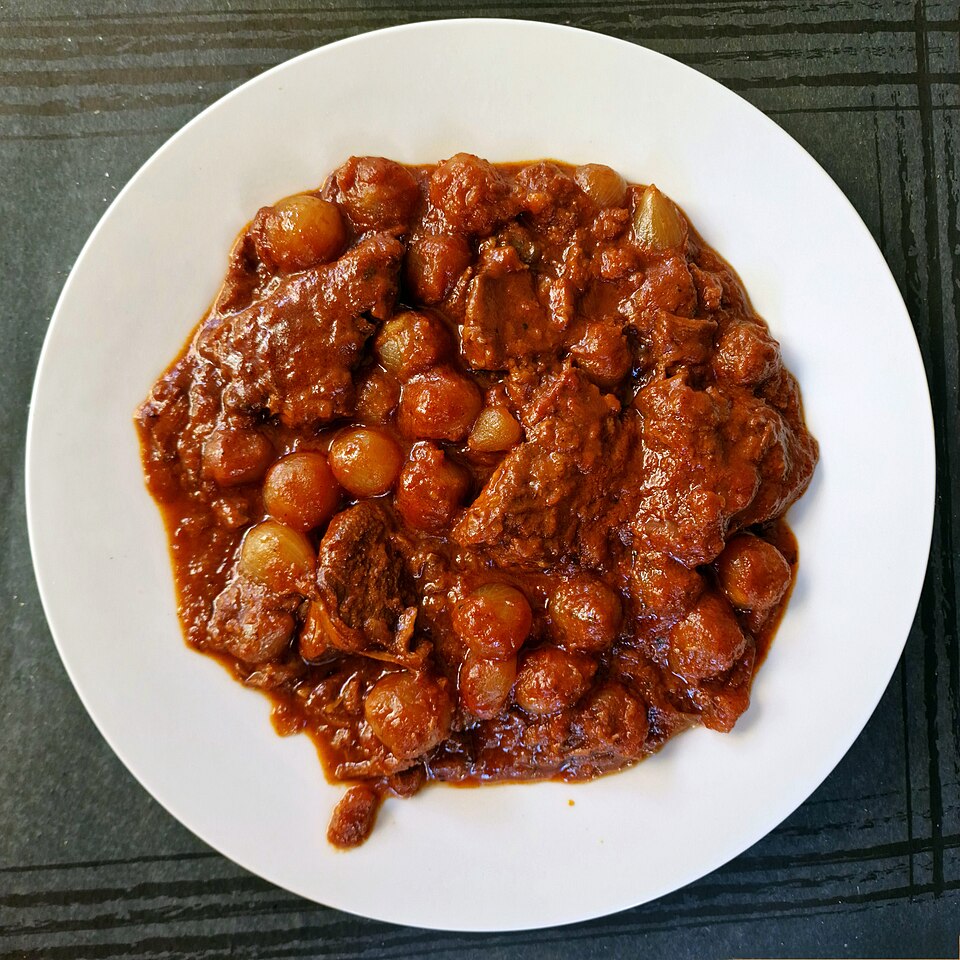
Στιφάδο · stee-FAH-thoh
A stew defined by its onions. They go in whole, a kilo of them to a kilo of meat, and come out sweet and translucent. Red wine vinegar gives it a sharpness no other Greek stew has, with cinnamon, clove and bay behind it. Beef is usual. Rabbit is arguably the more traditional choice.
Yiayia’s tip: Blanch the onions to peel them. One minute in boiling water then into cold, and the skins slip off. Saves half an hour and a lot of unpleasantness.
Make Stifado17. Cyprus Delights, Rose and Mastic
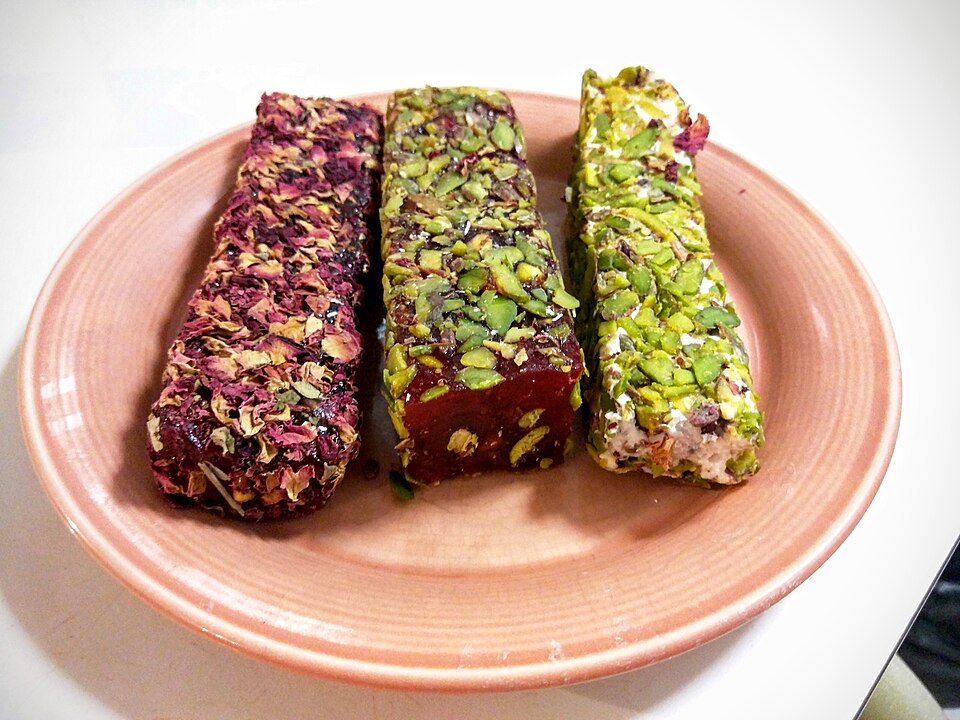
Loukoumia · Λουκούμια · loo-KOO-mee-ah
Cyprus's own Turkish delight, flavoured with rose water and mastic, and the town of Geroskipou near Paphos has protected status for its style. It is patient work, not difficult work: a syrup, a cornflour paste, a long slow cook, then cubes rolled in icing sugar.
Yiayia’s tip: Do not stop cooking early. The long, slow cook is what sets the texture. A mixture that looks done at twenty minutes is not done.
Make Cyprus Delights, Rose and Mastic18. Walnut Spice Cake
Karydopita · Καρυδόπιτα · kah-ree-THOH-pee-tah
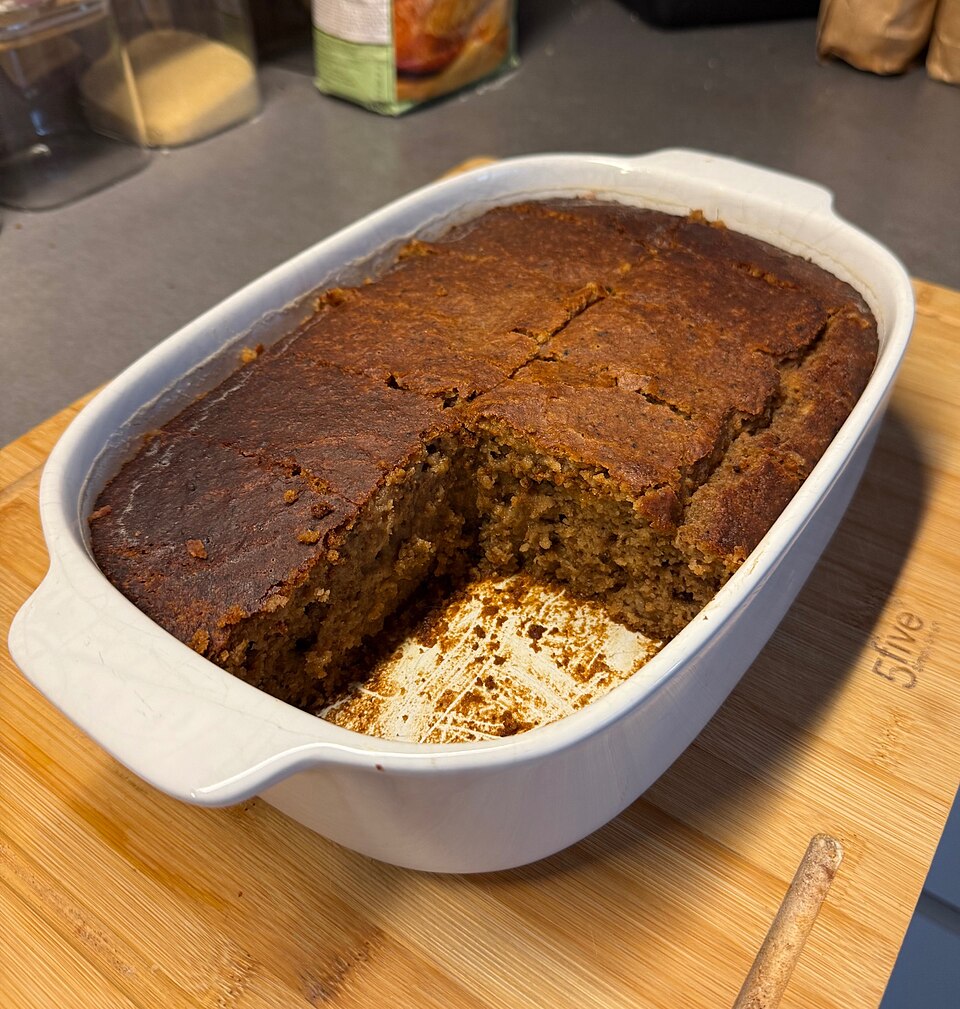
A cake made mostly of ground walnuts, with only enough flour to hold it together, spiced with cinnamon and clove and soaked in syrup the moment it leaves the oven. It comes out dense, nutty and moist all the way through. Of the Greek syrup cakes, this is one of the hardest to get wrong.
Yiayia’s tip: Hot cake, cold syrup. One side hot and the other cold is the rule for every baked Greek syrup sweet. Make the syrup first and let it cool completely. Hot syrup on a hot cake leaves the crumb heavy and wet.
Make Walnut Spice Cake19. Northern Greek Preserved Confit Pork
Kavourmas · Καβουρμάς · kah-voor-MAHS
Pork cooked slowly in its own fat, then stored sealed under that same fat. Refugees from Asia Minor and the Pontus brought the method to northern Greece after 1922, as a way to keep meat through winter before anyone had a fridge. It is the same idea as French confit, reached separately.
Yiayia’s tip: Do not skimp on the fat. It is both the cooking medium and the preserving seal. A cut that is too lean will not render enough to do either job.
Make Northern Greek Preserved Confit Pork20. Apple Pie in Phyllo
Milopita · Μηλόπιτα · mee-LOH-pee-tah
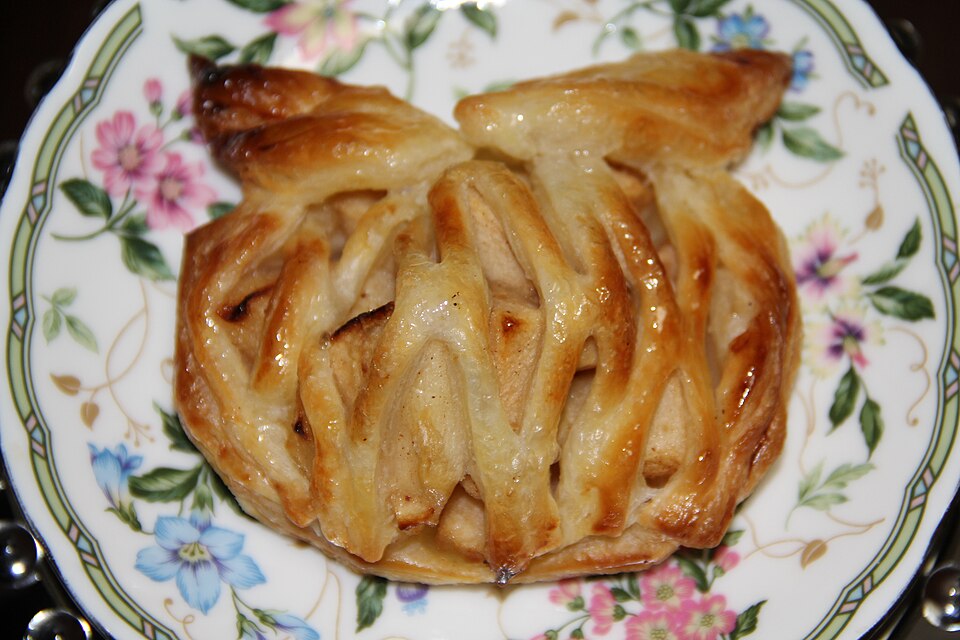
Apple pie rebuilt on phyllo. Cinnamon-spiced apples sit between butter-brushed sheets, and the top shatters into shards where a Western pie has one solid crust. It is the spanakopita technique pointed at a sweet filling, and a good deal lighter than the pie you already know.
Yiayia’s tip: Cool the filling completely. A hot filling makes the phyllo soggy and difficult to layer properly.
Make Apple Pie in Phyllo21. Macedonian Stuffed Cabbage Leaves
Giaprakia Thessalonikis · Γιαπράκια Θεσσαλονίκης · yah-PRAH-kyah theh-sah-loh-NEE-kis
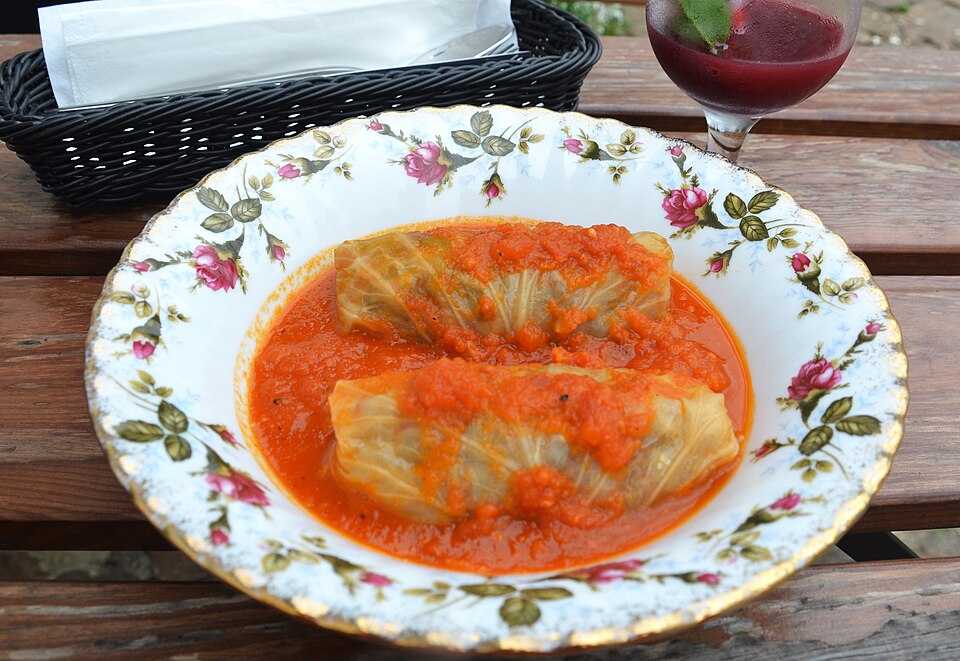
Vine leaves are only fit for rolling for part of the year. This is Thessaloniki's answer for the rest of it: blanched cabbage leaves around rice and minced meat, simmered gently and finished with avgolemono. A winter dish, and part of the stuffed cabbage tradition found across the Balkans.
Yiayia’s tip: Trim the thick central rib. This is what lets each cabbage leaf fold and roll without tearing.
Make Macedonian Stuffed Cabbage Leaves22. Vegan Olive Oil Cookies
Ladokouloura · Λαδοκούλουρα · lah-thoh-KOO-loo-rah
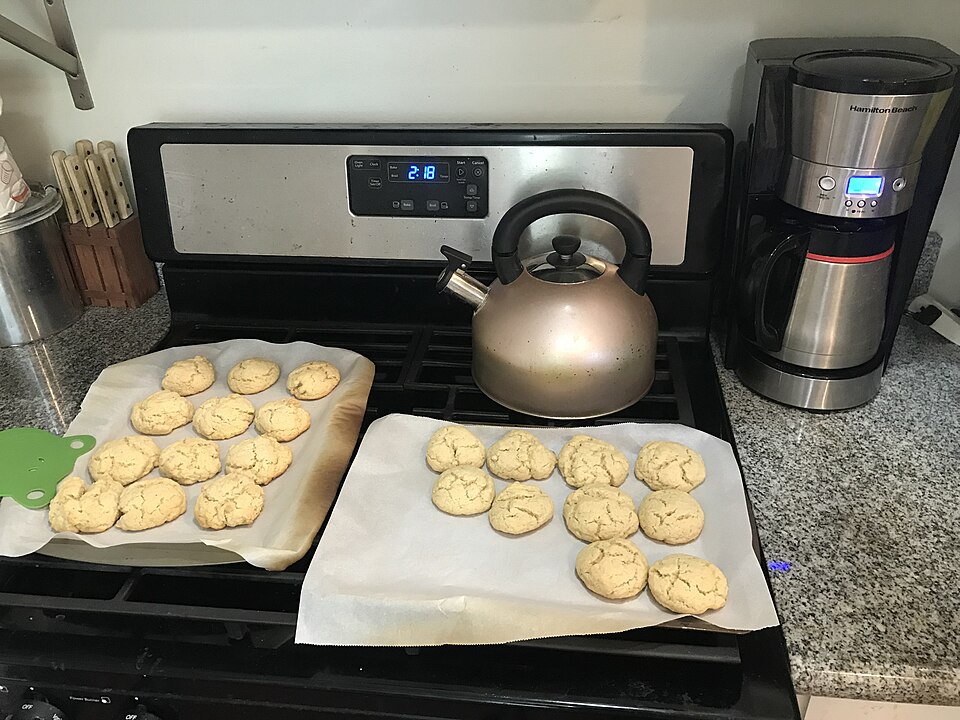
Cookies made for Lent, when butter and eggs are both off the table. Olive oil does all the work of the fat and gives a crumbly, slightly dense cookie with a faint fruitiness that butter does not have. They were vegan long before anybody called it that.
Yiayia’s tip: Use a mild olive oil. A strong, peppery extra virgin can fight with the orange rather than sitting in the background as intended.
Make Vegan Olive Oil Cookies23. Almond Macaroons
Amygdalota · Αμυγδαλωτά · ah-meeg-thah-loh-TAH
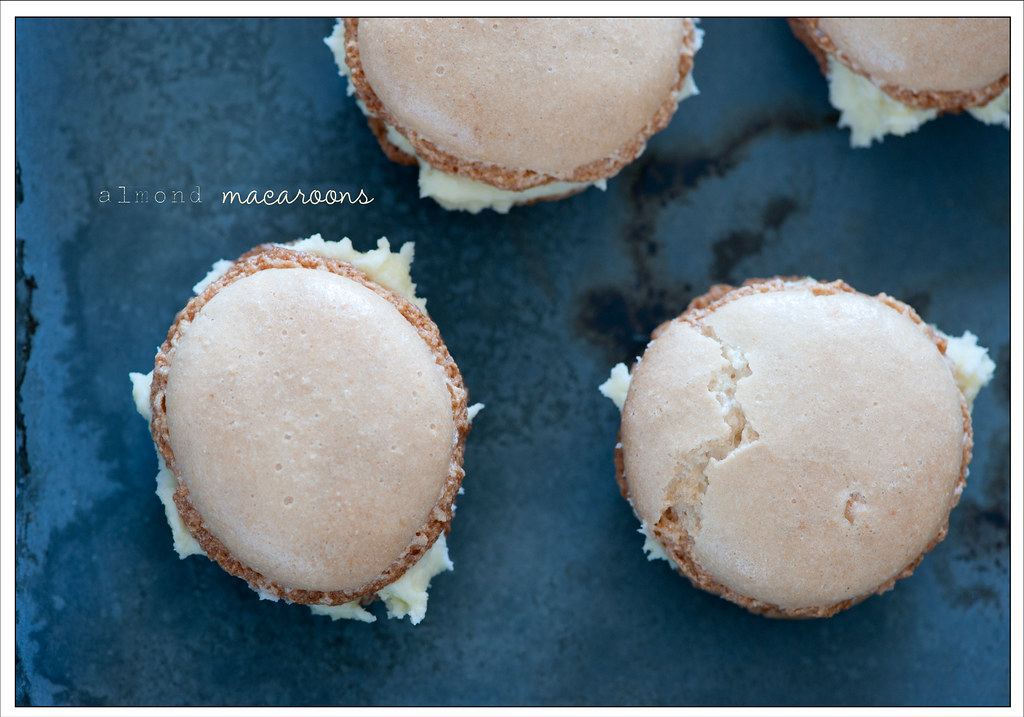
Often mistaken for kourabiedes, because both wear a coat of icing sugar. They are nothing alike. These are ground almonds bound with egg white, moist and chewy, closer to an Italian amaretti than to any shortbread, and naturally gluten-free.
Yiayia’s tip: Do not overbake. Amygdalota are meant to stay soft and moist inside. A short bake at low heat, just enough to set the outside, is what gives them their characteristic texture.
Make Almond Macaroons24. Pork and Celery in Egg-Lemon Sauce
Hirino me selino · Χοιρινό με σέλινο · hee-ree-NOH meh SEH-lee-noh
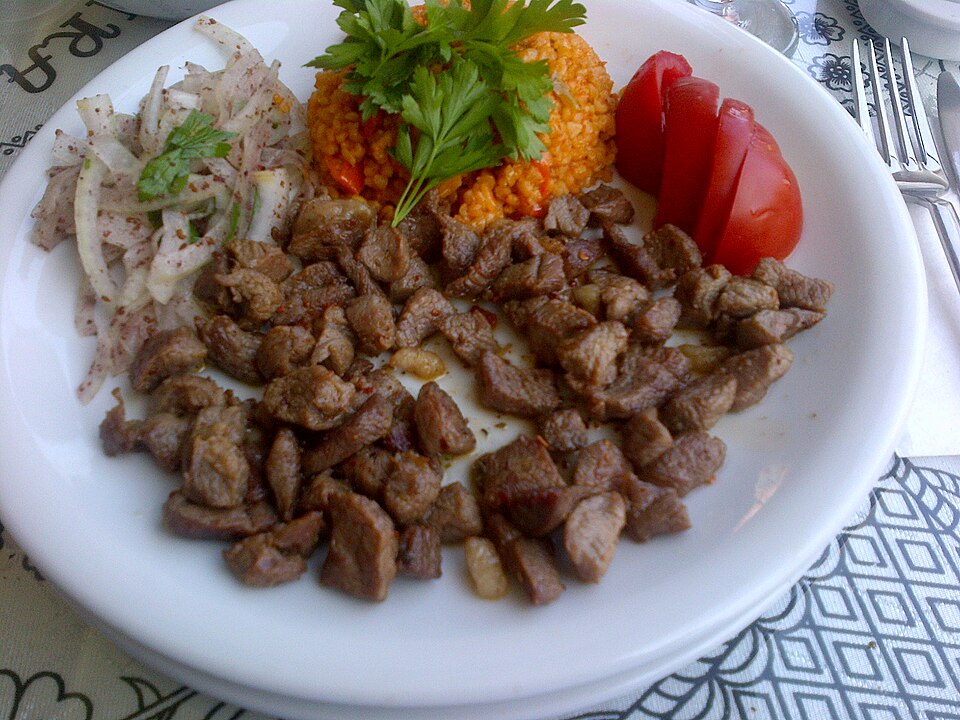
The pork stew of the Greek winter, and one that deserves to be far better known outside Greece. Pork shoulder cooks slowly with a very large amount of celery, then egg and lemon pull it together. Greek celery is leafy, thin-stalked and much stronger than the supermarket kind.
Yiayia’s tip: Use the celery leaves. They carry more flavour than the stalks and are usually thrown away. Add them near the end so they keep some freshness.
Make Pork and Celery in Egg-Lemon Sauce
Get one proper Greek recipe a week
No round-ups, no filler, no fifteen-ingredient shortcuts. One dish, written out in full, with the reasoning included.
One email a week. Unsubscribe from any of them.