Greek Main Courses · The Mainland · Baked · The Sunday Table
Greek Pastitsio Recipe (Baked Pasta with Bechamel)
Παστίτσιο pah-STEE-tsee-oh · Pastitsio
In short
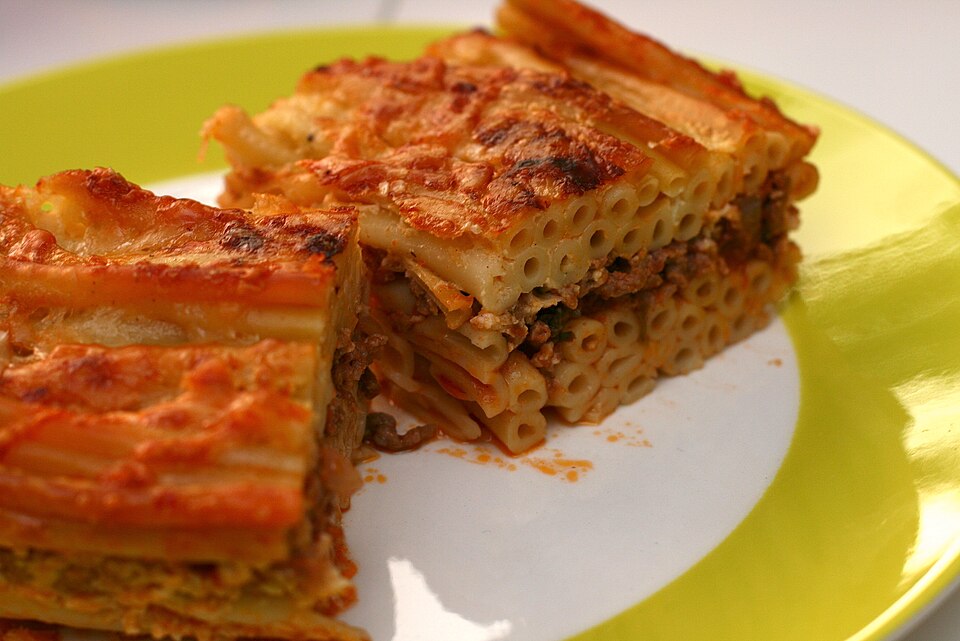
Pastitsio is a Greek baked pasta dish of long thick tubular pasta layered with cinnamon-spiced minced meat sauce and topped with a thick bechamel set with egg. It is baked until golden and must rest for at least thirty minutes so the layers hold when cut.
Pastitsio
- Prep
- 40m
- Cook
- 1h
- Total
- 1h 40m
- Serves
- 8
- Level
- Intermediate
Ingredients
For the pasta layer
For the meat sauce
For the bechamel
Tick ingredients off as you go. Quantities rescale with the buttons above.
Method
- 01Start the meat sauce. Brown the mince in a wide pan over high heat in two batches until well coloured, then set aside.
- 02Lower the heat, add a little oil and soften the onions for 8 minutes. Add the garlic for a further minute.
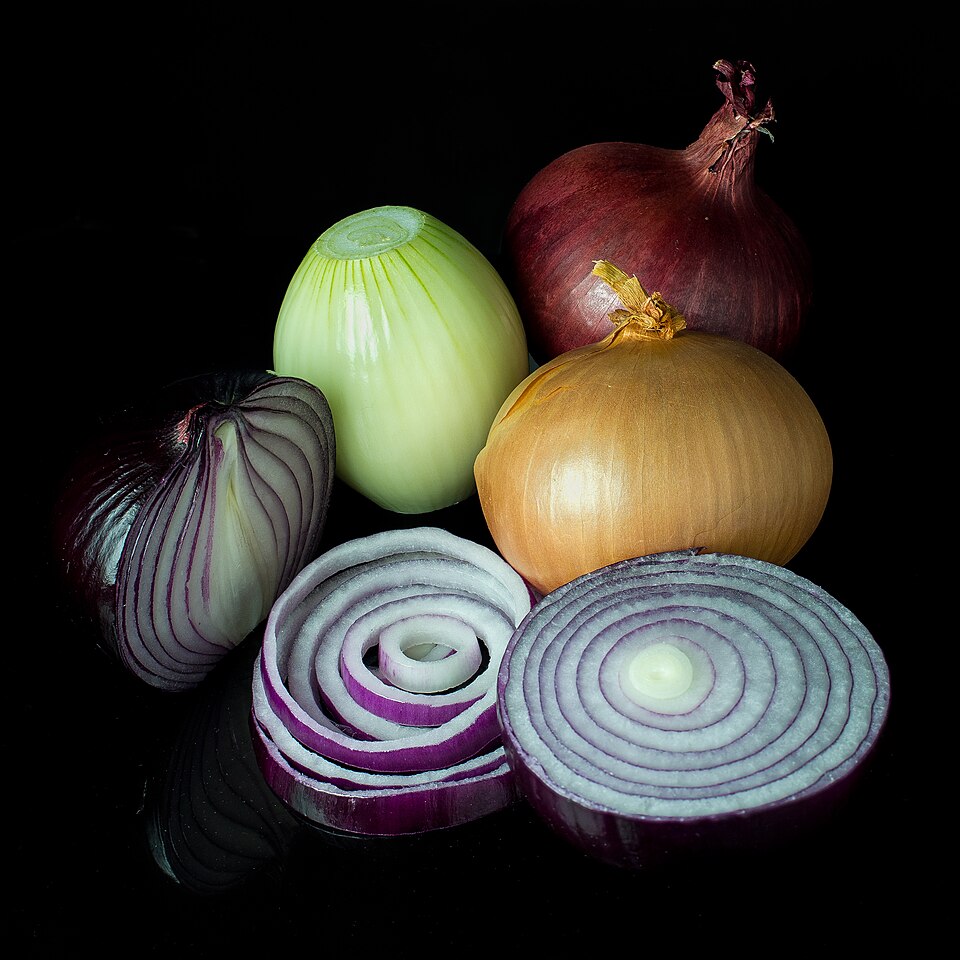
Onion - 03Return the meat, pour in the wine and reduce until almost gone. Add the tomatoes, puree, ground cinnamon, cinnamon stick, bay leaf and cloves. Season and simmer uncovered for 40 minutes until thick and almost dry. Remove the cinnamon stick and bay leaf.
- 04Cook the pasta in well-salted water for 3 minutes less than the packet says. Drain, toss with the olive oil and spread on a tray to cool for a few minutes.
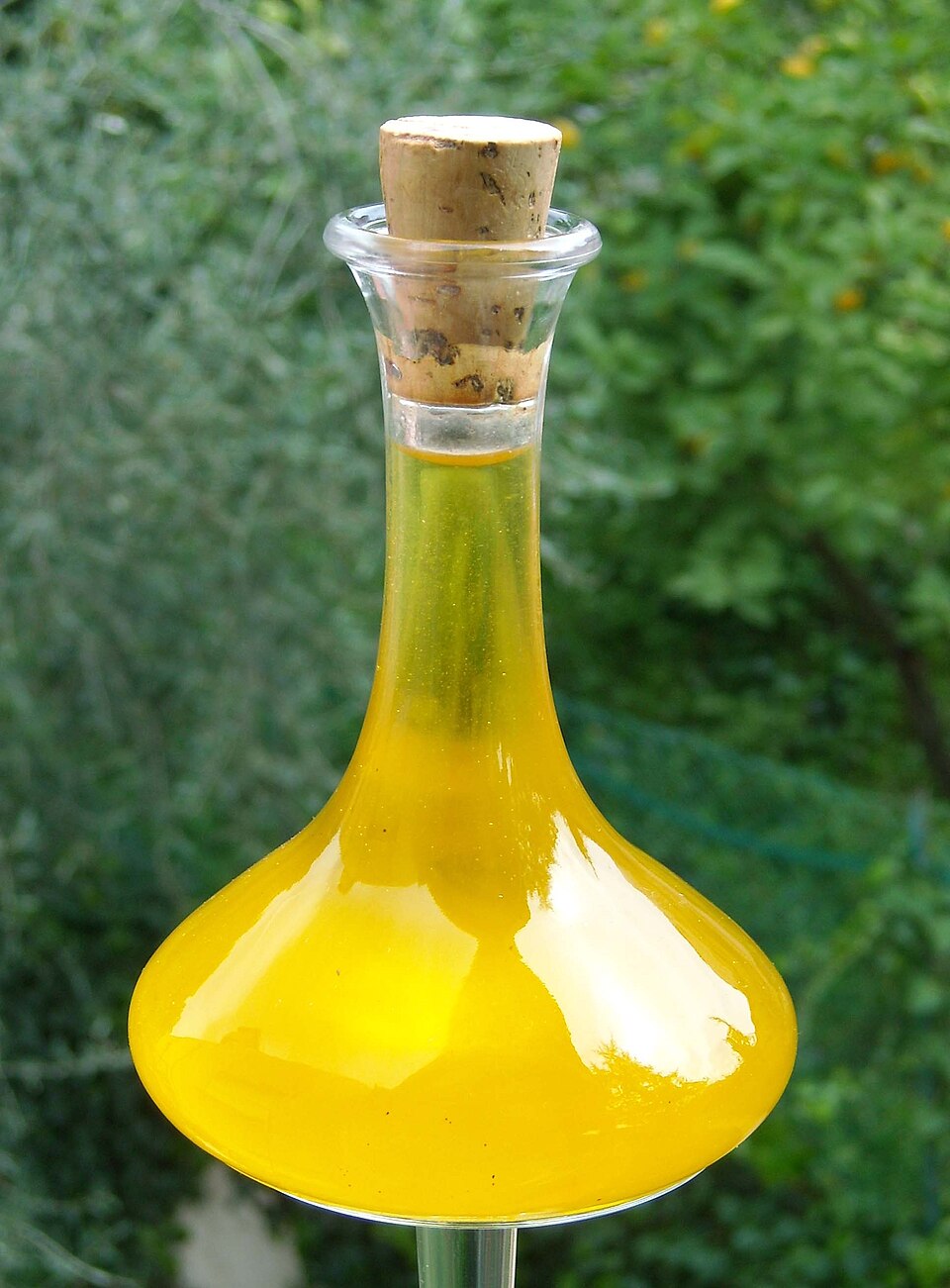
Olive Oil - 05Separate the eggs. Toss the pasta with the 2 egg whites and the 60 g of grated cheese until evenly coated.
- 06Heat the oven to 180C fan 160C. For the bechamel, melt the butter, stir in the flour and cook for 2 minutes without colouring. Add the warm milk gradually, whisking, until smooth.
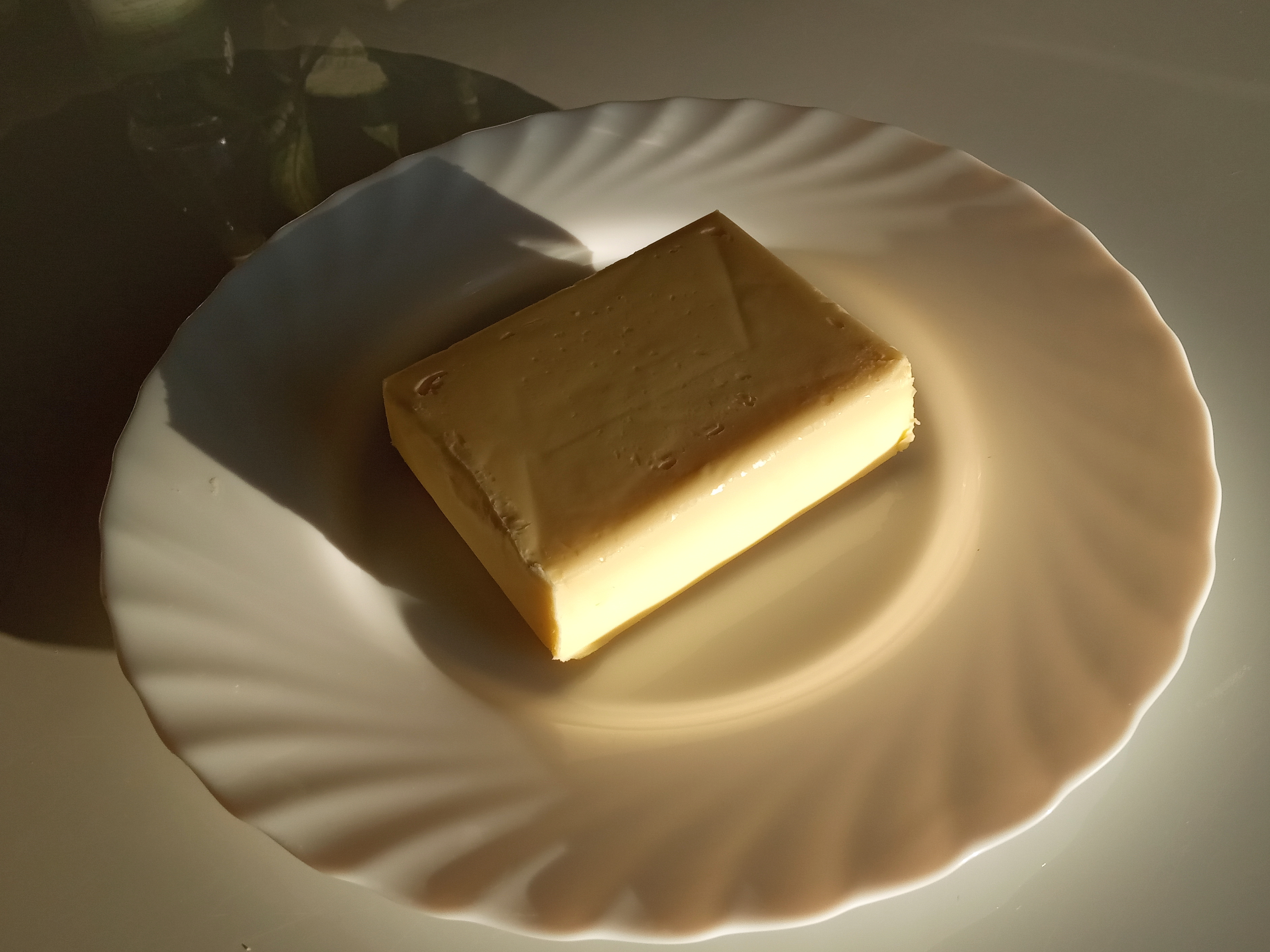
Butter Warm the milk first.Yiayia - 07Cook for 8 to 10 minutes, whisking often, until very thick and it mounds on the spoon. Take off the heat, cool for 5 minutes, then beat in the 4 egg yolks one at a time. Stir in most of the cheese and the nutmeg, and season firmly.
- 08Oil a deep 30 x 22 cm dish. Spread half the pasta over the base and press flat. Spoon over all the meat sauce and level it.
- 09Add the remaining pasta, pressing down again, then pour over the bechamel and spread it right to the edges. Scatter with the last of the cheese.
- 10Bake for 55 to 65 minutes until deeply golden and set with a slight wobble at the centre.
- 11Rest for at least 30 minutes before cutting into squares. Serve with a green salad.
Nutrition, per 1 square
- Calories
- 684
- Protein
- 36 g
- Carbs
- 58 g
- Fat
- 34 g
- Sat fat
- 17 g
- Fibre
- 4 g
These figures are calculated estimates based on the ingredients listed, not laboratory analysis. Actual values vary with brands, cuts and portion size.
If moussaka is the famous one, pastitsio is the one Greek families actually make more often. It is easier, cheaper, more forgiving, and children eat it without argument. The three layers are the same idea as moussaka with pasta standing in for aubergine.
What makes it Greek rather than an Italian bake is the cinnamon in the meat sauce and the sheer depth of the bechamel. This is not a thin gratin topping. It is a proper set custard layer, often as thick as the pasta beneath it, and getting that right is most of the dish.
The other distinguishing feature is the pasta itself. Greek pastitsio uses long, thick, hollow tubes that stay whole rather than short shapes, so the layer holds together and you cut through it cleanly.
Key preparation steps
- Undercook the pasta by three minutes, then toss with egg white and cheese.
- Reduce the cinnamon-spiced meat sauce until thick and almost dry.
- Make a bechamel thick enough to mound on a spoon, then enrich with yolks.
- Layer pasta, meat, pasta, bechamel, pressing each layer flat.
- Bake until deep gold and rest for thirty minutes before cutting.
Which pasta for pastitsio?
Greek shops sell pasta specifically labelled for pastitsio, usually numbered 2 or 3, which is a long hollow tube slightly thicker than bucatini. If you can get it, use it.
Bucatini is the closest widely available substitute and works very well. Failing that, use the longest, thickest tubular pasta you can find, such as ziti or a long macaroni. Avoid penne and rigatoni: short shapes tumble around, leave gaps, and the layer collapses when you cut into it.
Cook the pasta three minutes short of the packet time. It will absorb liquid from the meat sauce and continue cooking in the oven for a full hour, and pasta boiled to al dente at the start turns to mush by the end.
Why toss the pasta with egg white and cheese?
This is the traditional trick and it is worth doing. Drain the pasta, let it cool slightly, then toss it with the reserved egg whites and a handful of grated cheese.
The egg white sets in the oven and binds the pasta strands into a coherent layer instead of loose tubes. It is the difference between a slice that holds its shape on a plate and one that slumps into a heap.
The whites are the ones left over from the yolks you will use in the bechamel, so nothing is wasted.
The cinnamon question
Cinnamon in a meat sauce sounds strange to anyone who has only met it in baking, and it is the single element that most defines Greek pastitsio. Used properly it does not taste sweet or of pudding. It gives a warm, faintly resinous background that makes the tomato taste rounder.
A level teaspoon for 750 g of mince, plus a stick of cinnamon simmered in the sauce and removed at the end, is the right level. A pinch of ground clove and a bay leaf complete the profile. If you overshoot, the sauce tastes like mulled wine and there is no rescuing it, so measure rather than guess.
How thick should the bechamel be?
Thicker than any other bechamel you make. It should hold a soft peak on the spoon and fall reluctantly. If it pours, it is too thin, and it will sink into the pasta rather than sitting on top as a distinct layer.
The ratio that works is 100 g each of butter and flour to a litre of milk, cooked out properly, then enriched off the heat with three or four egg yolks and a good quantity of grated hard cheese. Nutmeg is essential.
Make the bechamel last, just before assembling, so it is still warm and spreadable. A bechamel that has sat and set is very hard to spread evenly without dragging the layer beneath it.
Layering and resting
Half the pasta, all the meat sauce, the remaining pasta, then the bechamel. Press each layer flat with the back of a spoon or a spatula so there are no air pockets, and take the bechamel right to the edges to seal it.
Bake at 180C for around an hour, until the top is deeply browned rather than merely set. Then leave it alone for thirty minutes minimum. As with moussaka, this is not optional. The bechamel needs to firm up or the whole thing will slide apart on the knife.
What matters in this dish
Lay the pasta the same way
If you are using long tubes, lay them all running in one direction. Cutting across the grain afterwards gives clean square portions rather than ragged ones.
Warm the milk first
Cold milk hitting a hot roux is the main cause of lumps. Warm it in the same pan you used for the sauce and it is one less thing to wash.
Better the next day
Like moussaka, pastitsio slices far more cleanly after a night in the fridge. Reheat portions at 160C for 20 minutes.
Questions people ask about Pastitsio
What is the difference between pastitsio and lasagne?
Pastitsio uses long tubular pasta rather than flat sheets, its meat sauce is spiced with cinnamon and clove instead of herbs, and its bechamel layer is far thicker and set with egg yolks. There is no mozzarella and no ricotta.
What pasta is used for pastitsio?
Long, thick, hollow tubes. Greek shops sell it labelled pastitsio no. 2 or no. 3. Bucatini is the best widely available substitute. Short shapes like penne do not hold the layer together.
Can you make pastitsio ahead?
Yes. Assemble it completely, refrigerate for up to two days unbaked, and bake from cold with an extra 15 minutes. It also freezes well, either baked or unbaked, for up to three months.
Why did my bechamel sink into the pasta?
It was too thin. Pastitsio bechamel needs to hold a soft mound on the spoon, not pour. Cook it longer to drive off more water, and make sure you are using the full quantity of flour.
Can I use beef instead of lamb in pastitsio?
Beef is the standard choice for pastitsio, unlike moussaka where lamb leads. A mix of beef and pork is also very common in Greek households and gives a slightly richer sauce.