Greek Breakfast Recipes · The Mainland · Peloponnese · Fried · The Summer Table
Greek Scrambled Eggs with Tomato and Feta (Strapatsada)
Στραπατσάδα strah-pah-TSAH-thah · Strapatsada
In short
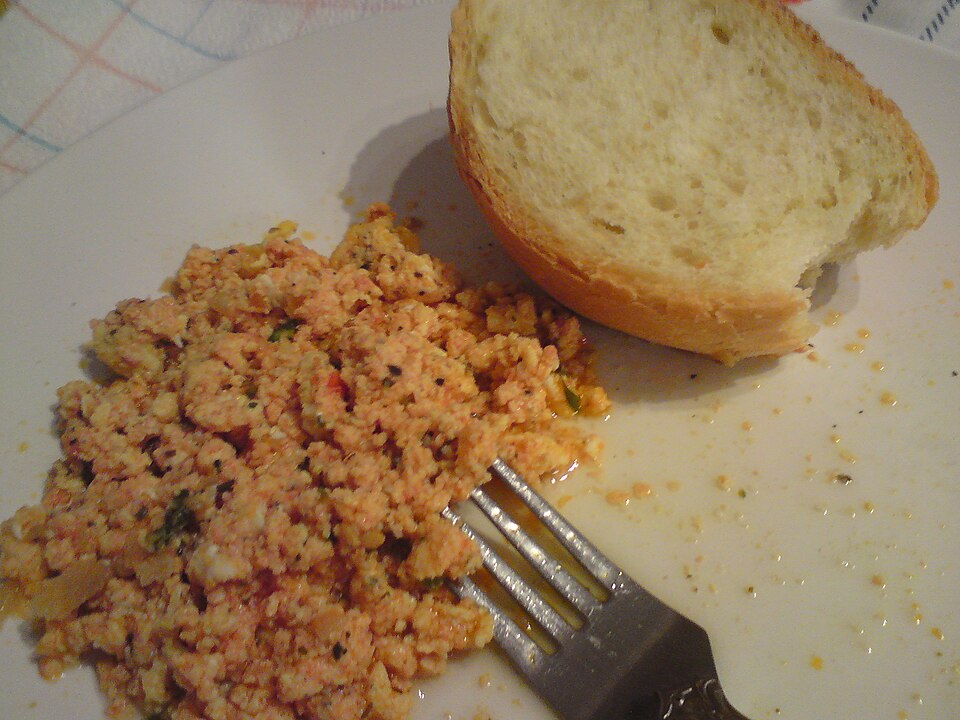
Strapatsada is a Greek dish of eggs scrambled into a reduced fresh tomato sauce and finished with crumbled feta. The tomato must be cooked down until almost dry before the eggs go in, or the dish turns watery.
Scrambled Eggs with Tomato and Feta
- Prep
- 8m
- Cook
- 15m
- Total
- 23m
- Serves
- 3
- Level
- Beginner
Ingredients
Ingredients
Tick ingredients off as you go. Quantities rescale with the buttons above.
Method
- 01Halve the tomatoes across the middle and grate the cut faces on the coarse side of a box grater into a bowl, discarding the skins.
- 02Heat the olive oil in a wide frying pan over a medium-high heat. Add the grated tomato, the oregano and a pinch of sugar if the tomatoes are sharp.
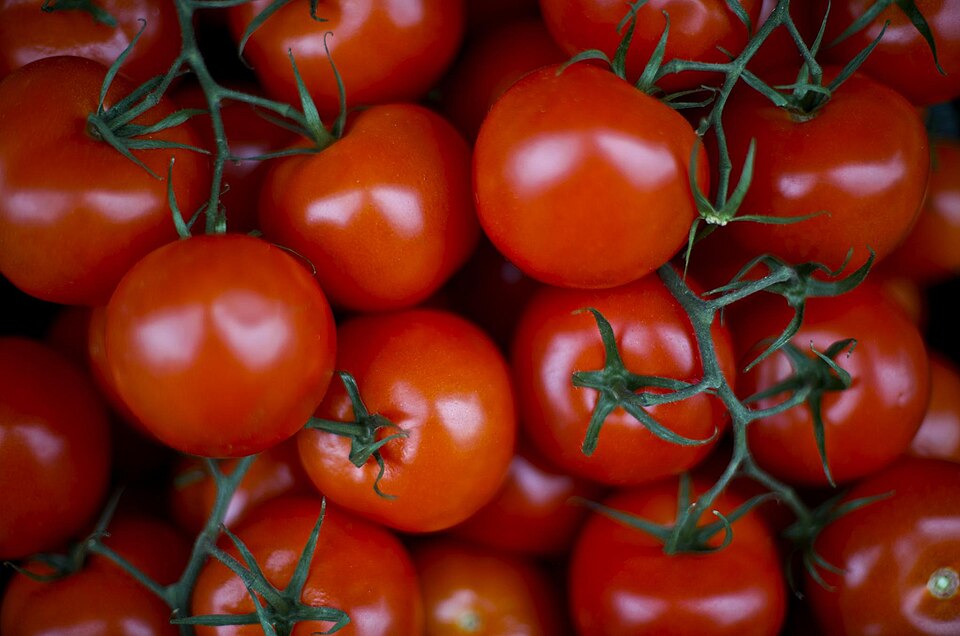
Tomato - 03Cook for 8 to 10 minutes, stirring often, until the liquid has evaporated and the tomato is thick, dark and jammy. A spoon drawn through it should leave an open channel. Season well.
- 04Beat the eggs lightly in a bowl, just enough to break them up. Season with a little salt and plenty of pepper.
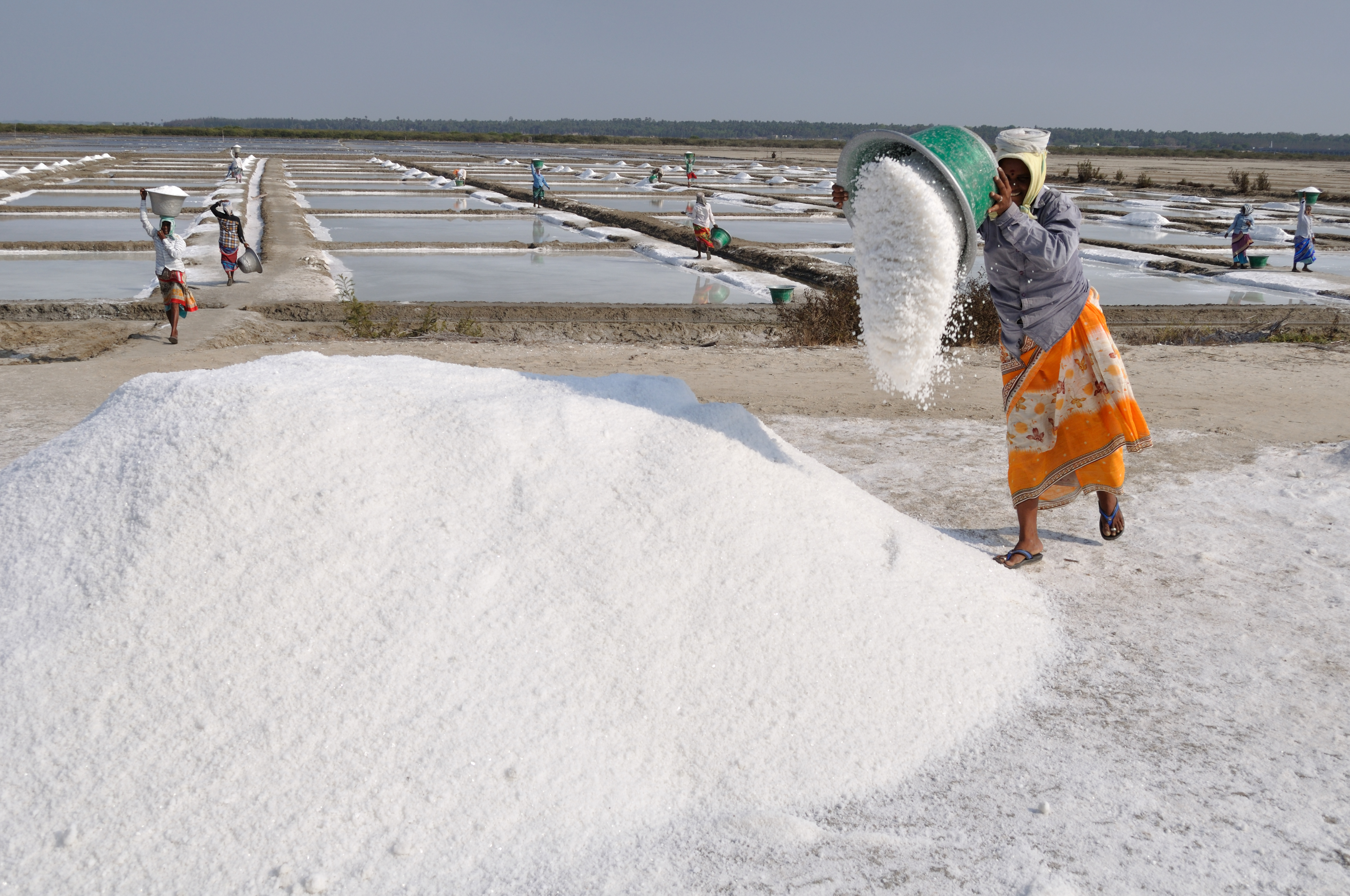
Salt - 05Turn the heat down to low. Pour the eggs into the tomato and leave for 20 seconds without touching them.
- 06Stir slowly with a wooden spoon, pushing the mixture from the edges into the centre, for 2 to 3 minutes. Keep the heat low.
- 07Take the pan off the heat while the eggs still look slightly wet and glossy. They will finish cooking in the residual heat.Underdone in the pan.Yiayia
- 08Crumble the feta over the top, scatter with mint or parsley, and serve straight from the pan with bread.
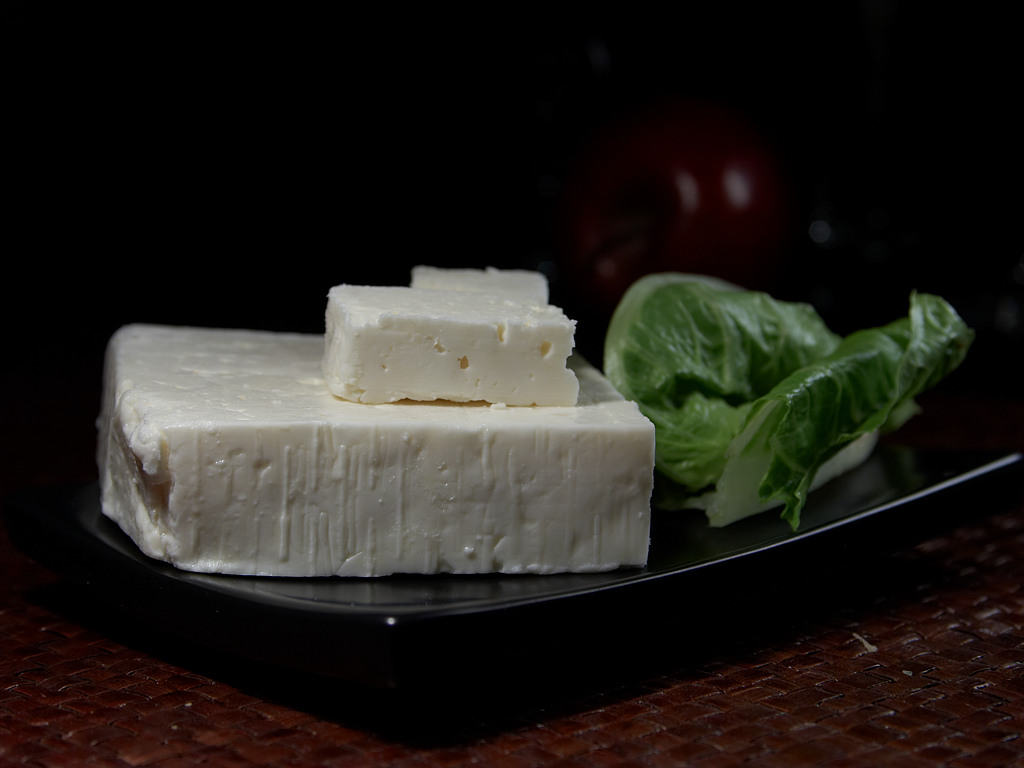
Feta
Nutrition, per 1 portion
- Calories
- 396
- Protein
- 21 g
- Carbs
- 10 g
- Fat
- 31 g
- Sat fat
- 11 g
- Fibre
- 3 g
These figures are calculated estimates based on the ingredients listed, not laboratory analysis. Actual values vary with brands, cuts and portion size.
Strapatsada is what Greeks eat in August when the tomatoes are at their best and turning on the oven is out of the question. Grated tomato cooked down in olive oil, eggs folded through it, feta crumbled over, bread to mop up.
In the Peloponnese and parts of central Greece it is called kagianas, and there are households that will argue the two are different dishes. They are not, though kagianas versions more often include a piece of cured pork.
The one thing that decides it is how far you cook the tomato before the eggs arrive. It needs to be reduced to a thick jammy paste, almost dry. Add eggs to wet tomato and you get a pale watery scramble sitting in pink liquid.
Key preparation steps
- Grate the tomatoes and discard the skins.
- Cook the pulp down hard in olive oil until jammy and almost dry.
- Add beaten eggs and fold slowly over a low heat.
- Take it off while still slightly loose and crumble feta over.
Why grate the tomatoes?
It gives pulp without skin and without the chopping. Halve the tomatoes across the equator, hold the skin side in your palm and grate the cut face on the coarse side of a box grater. You are left holding the empty skin.
Chopped tomato gives you chunks that sit separately in the eggs rather than a sauce that coats them. Tinned tomato works out of season but is noticeably more acidic, so add a pinch of sugar if you use it.
This is a dish that lives or dies on tomato quality. In February, make something else.
How dry should the tomato be?
Cook it in the olive oil over a medium-high heat for eight to ten minutes, stirring, until the water has gone and what remains is thick, dark and jammy. When you draw a spoon through it the channel should stay open.
That looks like a lot of reduction and it is correct. The eggs bring their own moisture and the finished dish should be creamy, not soupy.
Season the tomato at this stage, before the eggs, so the salt has somewhere to work.
Getting the eggs right
Turn the heat down before the eggs go in. High heat sets them into rubbery curds instantly and the whole point is a soft, creamy fold.
Beat the eggs lightly, just enough to combine, then pour them in and stir slowly with a wooden spoon, pushing the mixture from the edges into the middle. It should take two to three minutes.
Take the pan off the heat while the eggs still look slightly underdone and glossy. They carry on cooking in the residual heat, and a scramble that looks perfect in the pan is overcooked on the plate.
Feta, and the variations
Crumble the feta over at the very end, off the heat, so it softens without dissolving. Some cooks stir it in earlier and let it melt through, which is also good but gives a saltier, more uniform dish.
The common additions are a chopped green pepper cooked with the tomato, or pieces of Greek cured pork, either the smoked apaki from Crete or the paprika-cured louza. A pinch of dried mint is traditional in some regions.
Serve straight from the pan with good bread, and a coffee. It is a breakfast dish but nobody will object to it at nine in the evening.
What matters in this dish
Low heat for the eggs
The tomato wants high heat and the eggs want low. Turning the heat down between the two stages is the single most useful thing you can do here.
Underdone in the pan
Residual heat keeps cooking the eggs after you take them off. Stop while they still look a shade too loose.
Out of season, use tinned
A good tin of chopped tomatoes reduced hard beats a pale supermarket tomato in February. Add a pinch of sugar to offset the acidity.
Questions people ask about Strapatsada
What is the difference between strapatsada and kagianas?
Broadly nothing, they are regional names for the same dish. Kagianas is used more in the Peloponnese and central Greece and more often includes cured pork.
Why is my strapatsada watery?
The tomato was not reduced enough before the eggs went in. It needs to be cooked down to a thick jammy paste, which takes eight to ten minutes over a decent heat.
Can you make strapatsada with tinned tomatoes?
Yes, and out of season it is the better choice. Reduce it just as hard and add a pinch of sugar, since tinned tomatoes are more acidic than ripe fresh ones.
Is strapatsada eaten for breakfast or dinner?
Both. It is a classic Greek summer breakfast or brunch, but it is also a common light supper, which is how a lot of Greek households actually eat it.