Collection
17 Greek Brunch and Egg Recipes
Strapatsada, froutalia, eggs with feta, thick yogurt with honey and walnuts, and good coffee.
Eggs, yogurt, something fried with honey, and good coffee.
The eggs come scrambled with tomato and feta, fried in clarified cream the Cretan way, with country sausage, and in Cyprus with smoked pork or with courgettes. Halloumi is fried and finished with honey.
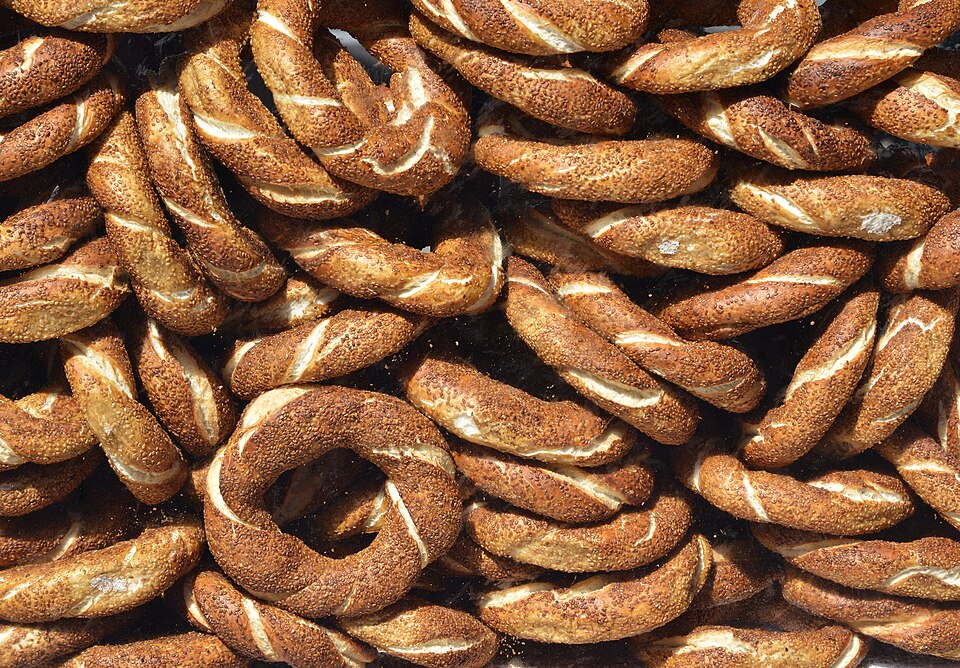
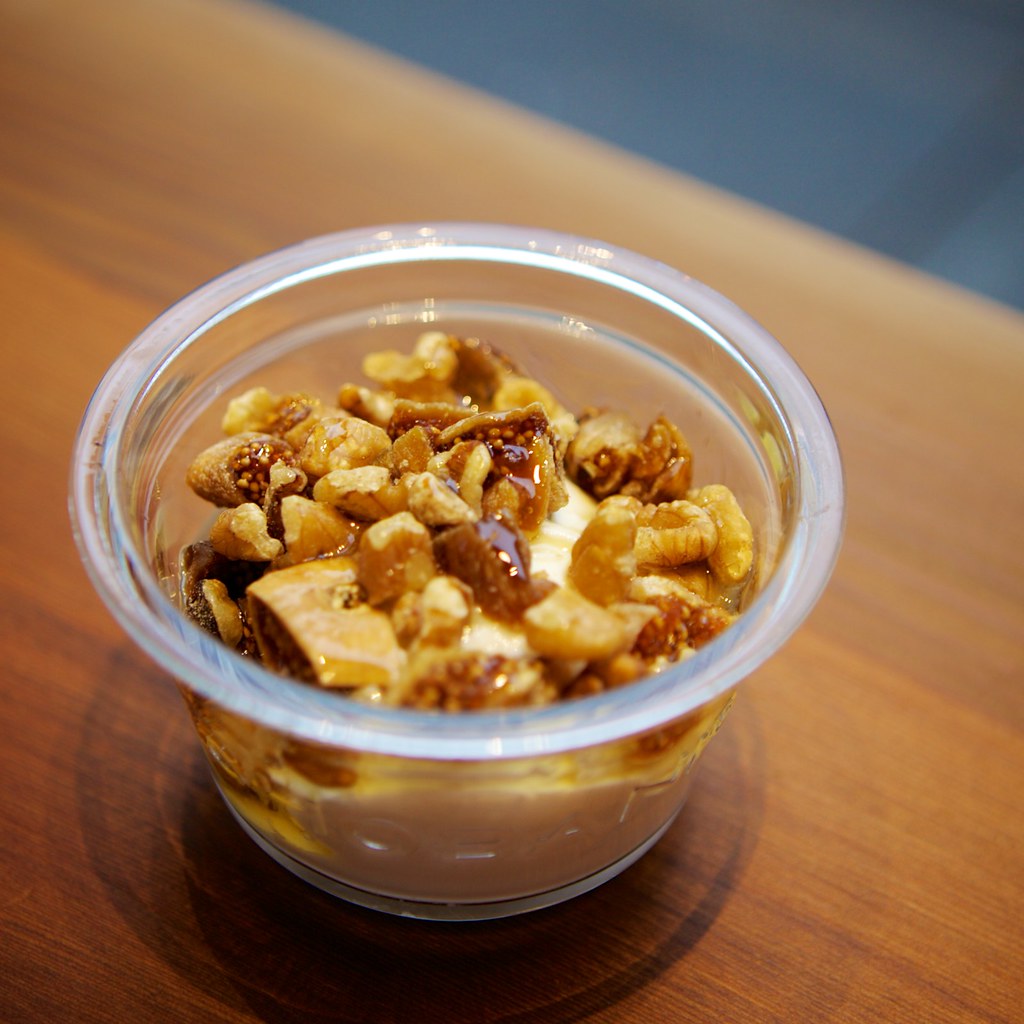
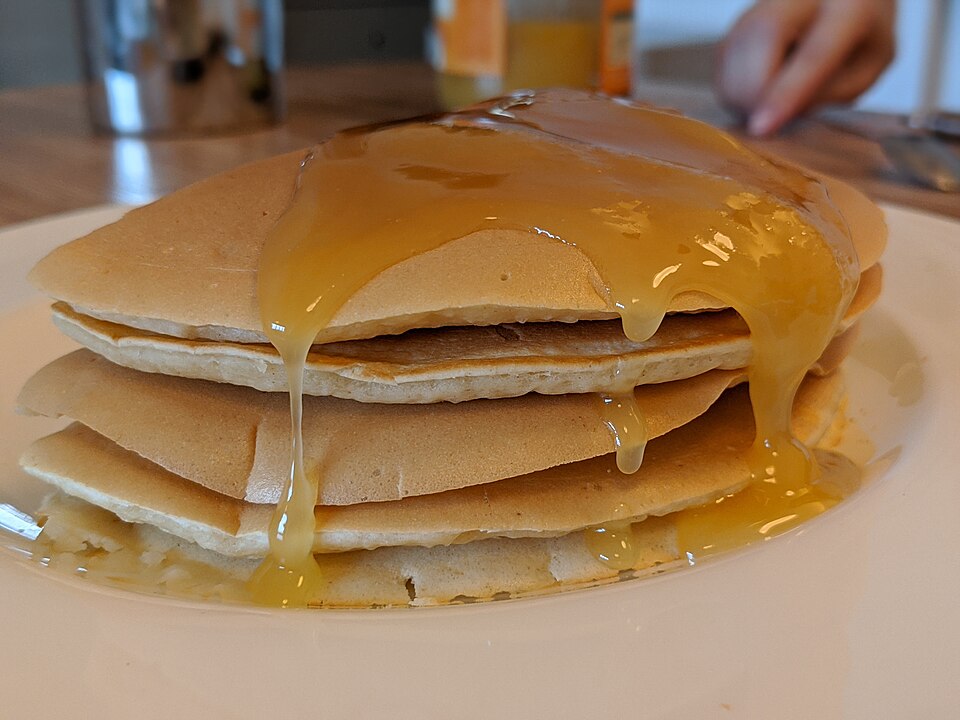
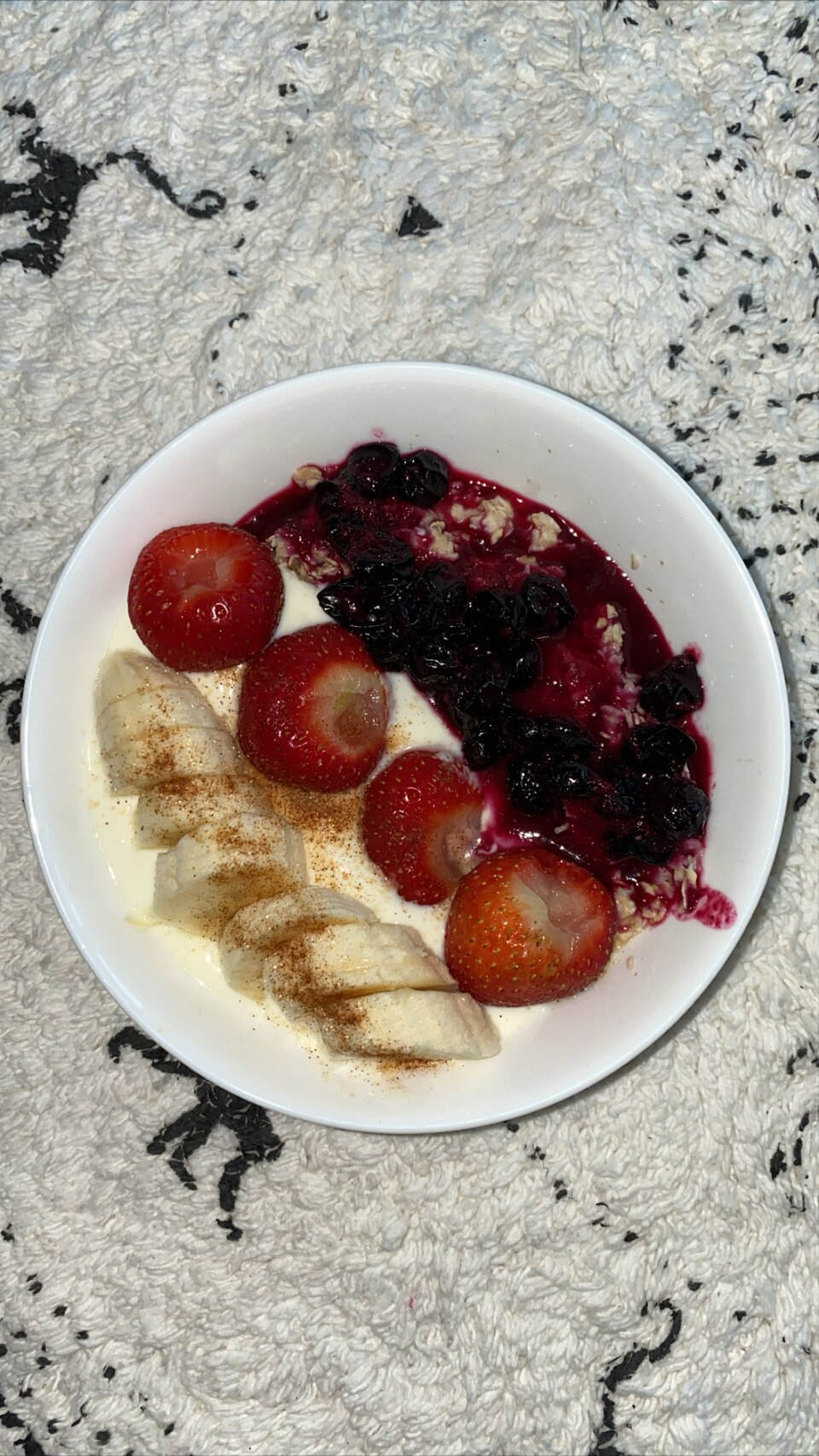
Yogurt is eaten thick, with honey and walnuts, with fruit, or with grape must syrup. Pancakes and fried bread get honey as well. Bougatsa and the sesame bread ring are the two from Thessaloniki. Trahanas turns up twice, sour in Crete and as a sweet milk porridge.
Every recipe on Kalliopi's Kitchen carries the dish's Greek name and a pronunciation, its region where that is meaningful, ingredient quantities in both metric and imperial, and an honest note on what commonly goes wrong. Nutrition figures are calculated estimates and are labelled as such.
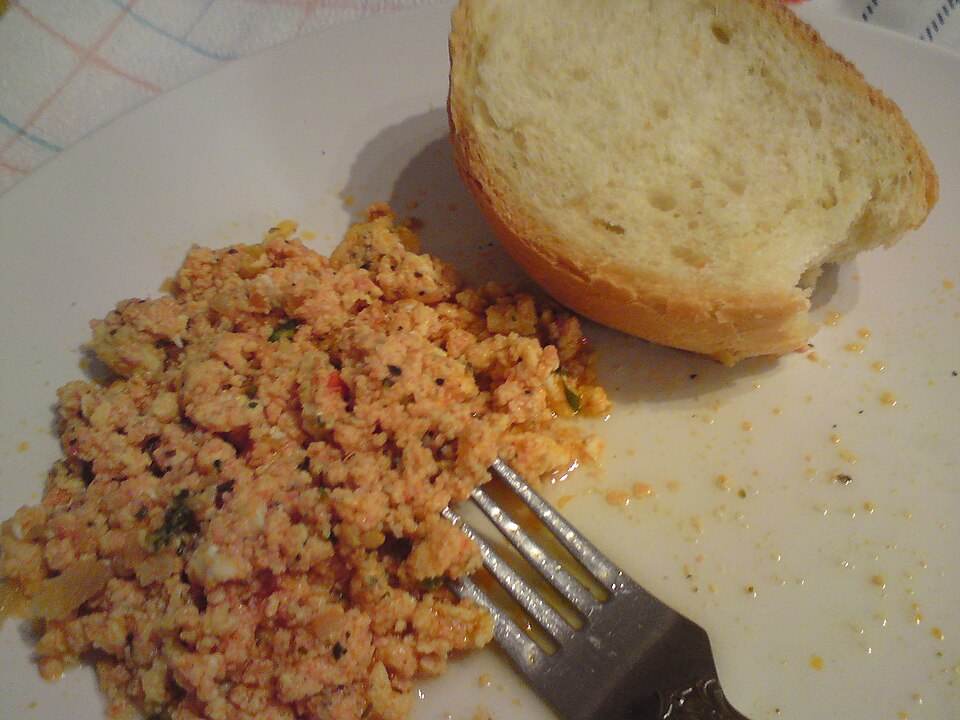
1. Scrambled Eggs with Tomato and Feta
Strapatsada · Στραπατσάδα · strah-pah-TSAH-thah
August food, for the weeks when tomatoes peak and the oven stays off. The Peloponnese calls it kagianas, and some households will argue that is another dish. It is not. The tomato has to cook down to a thick, jammy paste before any egg goes in, or the scramble sits in pink liquid.
Yiayia’s tip: Low heat for the eggs. The tomato wants high heat and the eggs want low. Turning the heat down between the two stages is the single most useful thing you can do here.
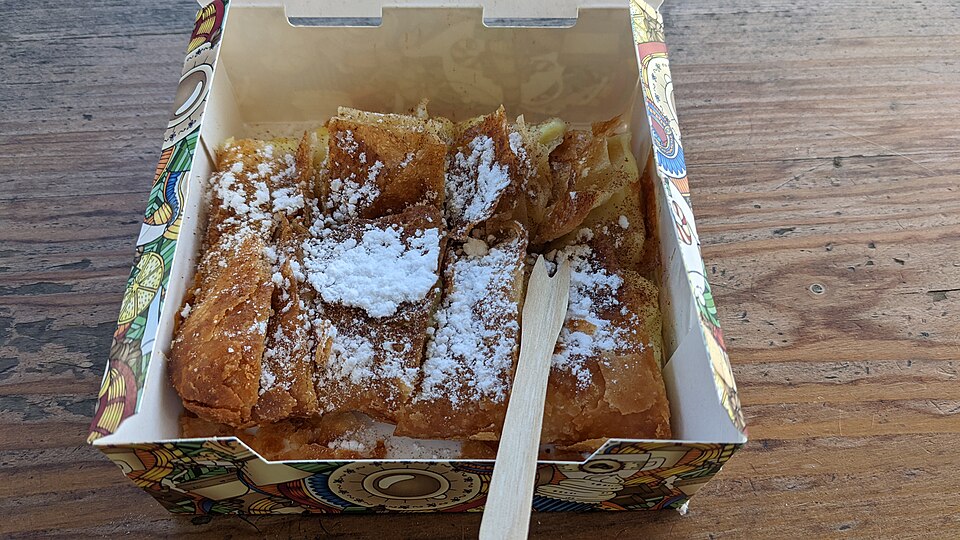
Make Scrambled Eggs with Tomato and Feta2. Bougatsa
Μπουγάτσα · boo-GHAH-tsah
Thessaloniki's breakfast, eaten standing at a counter, cut into squares with scissors and passed across in paper. Refugees from Asia Minor brought it in the 1920s. People confuse it with galaktoboureko, which is firm and drenched in syrup. This one is softer and never sees syrup, only icing sugar and cinnamon.
Yiayia’s tip: Err on the loose side. The custard thickens as it cools and again in the oven. If it looks right in the pan it will be stodgy on the plate.
Make Bougatsa3. Cypriot Smoked Pork with Eggs
Lountza me avga · Λούντζα με αυγά · LOON-dzah meh av-GHAH
The meat is the dish here. Lountza is Cypriot pork tenderloin, brined and smoked, tasting partly of good bacon and partly of mild ham. It is fried alone first, until the edges crisp, and only then do the eggs go into the same pan. A standard breakfast in Cyprus, eaten at any hour.
Yiayia’s tip: No oil needed. Lountza renders enough of its own fat to cook the eggs in. Adding oil dilutes the smoky flavour that is the whole point of the dish.
Make Cypriot Smoked Pork with Eggs4. Cretan Clarified Cream with Eggs
Staka me avga · Στάκα με αυγά · STAH-kah meh av-GHAH
Barely a recipe. Staka is a Cretan dairy fat rendered from the cream of sheep or goat milk, tangy and faintly cheesy where butter is not, and eggs are fried straight in it for breakfast. Baste the whites with the hot fat as they cook. Without it, ghee is the nearest thing, though milder.
Yiayia’s tip: Keep the heat moderate. Staka has a lower smoke point than plain oil. Too fierce a heat browns it unpleasantly before the eggs are done.
Make Cretan Clarified Cream with Eggs5. Sesame Bread Ring
Koulouri Thessalonikis · Κουλούρι Θεσσαλονίκης · koo-LOO-ree theh-sah-loh-NEE-kis
Bought, as a rule, not baked. Carts and kiosks sell these sesame rings every morning in Thessaloniki and every large Greek city, and people eat them walking to work or school. The city in the name is where the baking has old roots, back to Ottoman times. Eat them the day they are made.
Yiayia’s tip: Do not skip the syrup dip. This is what makes the sesame seeds stick properly to the dough. Sprinkling seeds onto dry dough leaves half of them falling off during baking.
Make Sesame Bread Ring6. Yogurt with Honey and Walnuts
Giaourti me meli kai karydia · Γιαούρτι με μέλι και καρύδια · yah-OOR-tee meh meh-LEE keh kah-REE-thyah
Three ingredients and no cooking, so each one is on show: thick yogurt, honey and roughly crushed walnuts. The honey is where a little extra money pays back most. Greeks eat it at breakfast, mid-afternoon and as dessert after a heavy meal: a lot of work for one bowl.
Yiayia’s tip: Buy properly strained yogurt. Look for full-fat, Greek-style or strained yogurt specifically. A thin, unstrained yogurt cannot hold the honey and nuts the way this dish wants.
Make Yogurt with Honey and Walnuts7. Pancakes with Honey
Tiganites me meli · Τηγανίτες με μέλι · tee-gah-NEE-tes meh meh-LEE
Thick Greek pancakes, neither a thin crepe nor a fluffy American one, eaten with honey, cinnamon and walnuts. They are an everyday breakfast. At the start of Lent, on Clean Monday, they are made with no egg: flour, water, salt and a raising agent. That version holds together well.
Yiayia’s tip: Use a shallow pool of oil, not a dry pan. This is what gives tiganites their characteristic slightly crisp edge, distinct from a Western-style dry-griddled pancake.
Make Pancakes with Honey8. Fried Bread with Honey
Friganya · Φρυγανιά · free-gah-NYAH
Greece's French toast, and it exists for the same reason: bread too old to eat plain should not go in the bin. The slices get a few seconds a side in egg and milk, then they are fried and finished with honey and a proper dusting of cinnamon. More dessert than breakfast.
Yiayia’s tip: Use bread that is a day or two old. Very fresh bread falls apart in the egg mixture. Slightly stale bread with a firm crumb holds together far better.
Make Fried Bread with Honey9. Strained Yogurt with Fresh Fruit
Giaourti me frouta · Γιαούρτι με φρούτα · yah-OOR-tee meh FROO-tah
A breakfast that follows the calendar: figs and peaches at the height of summer, pears and grapes in autumn, citrus all winter. It is the lighter relative of yogurt with honey and walnuts, and it takes less honey, because the fruit brings its own sweetness. Slice the fruit at the last minute, not ahead.
Yiayia’s tip: Choose fruit that is properly ripe. Thick yogurt is unforgiving of an underripe, flavourless piece of fruit sitting on top of it.
Make Strained Yogurt with Fresh Fruit10. Eggs with Country Sausage
Avga me loukaniko · Αυγά με λουκάνικο · av-GHAH meh loo-KAH-nee-koh
Everything here depends on the sausage. Loukaniko is pork, coarsely minced, flavoured with fennel seed, orange zest and a splash of wine, which puts citrus and aniseed against the rich eggs. Give the slices five or six minutes to crisp before the eggs go into the same pan. Bread is all it needs.
Yiayia’s tip: No oil needed. Loukaniko renders enough of its own fat to cook the eggs in, exactly as with lountza me avga.
Make Eggs with Country Sausage11. Pan-Fried Halloumi with Honey Breakfast
Halloumi me meli · Χαλούμι με μέλι · hah-LOO-mee meh meh-LEE
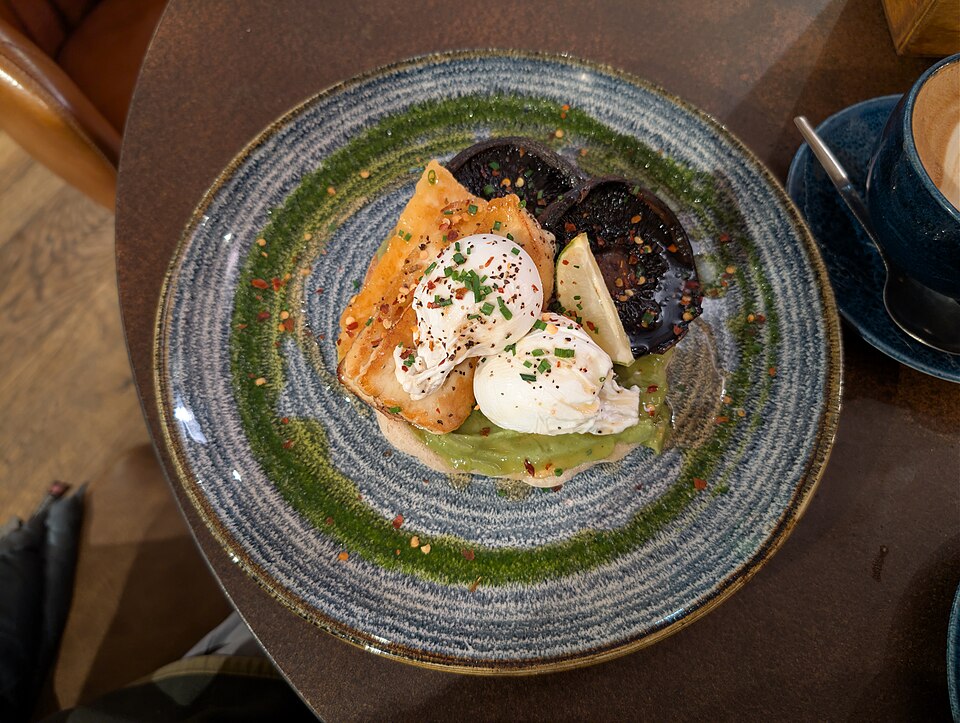
Halloumi has a high melting point and a salty, squeaky bite, and both make it a good match for honey. Fried golden, it gets honey and sesame seeds or crushed walnuts. It works for breakfast and as a dessert. With so few ingredients the honey matters, and thyme honey suits it.
Yiayia’s tip: Cut the slices properly thick. About a centimetre holds together well and develops a good golden crust without drying out.
Make Pan-Fried Halloumi with Honey Breakfast12. Rusk with Honey and Walnuts
Paximadia me meli kai karydia · Παξιμάδια με μέλι και καρύδια · pahk-see-MAH-thyah meh meh-LEE keh kah-REE-thyah
The barley rusk that carries tomato and feta in dakos, eaten sweet at breakfast under honey and crushed walnuts. It is baked twice to keep for months, an old answer to the seasons when baking fresh was not always possible. Rest it a minute or two once moistened, then eat it before it softens further.
Yiayia’s tip: A few seconds of water is enough. The rusk is porous and absorbs moisture fast. Leaving it soaking turns it to mush rather than pleasantly softened.
Make Rusk with Honey and Walnuts13. Sweet Trahanas Milk Porridge
Trahanas me gala · Τραχανάς με γάλα · trah-hah-NAHS meh GHAH-lah
Trahanas has two lives. In water or stock it is a savoury soup, and in milk with a little sweetness it becomes a quick breakfast porridge. Sweet trahanas, the kind made with fresh milk, is the traditional choice, though the sour kind works and brings more tang. Finish with honey, cinnamon or nuts.
Yiayia’s tip: Whisk the trahanas in gradually. Adding it all at once causes clumping. A slow, steady addition while whisking keeps it smooth.
Make Sweet Trahanas Milk Porridge14. Yogurt with Grape Must Syrup
Yiaourti me petimezi · Γιαούρτι με πετιμέζι · yah-OOR-tee meh peh-tee-MEH-zee
Honey and walnuts are what people picture on yogurt now. This is the older pairing, from when many parts of Greece sweetened with petimezi, the syrup of grape must, more than with honey. The flavour is deeper and rounder, faintly fruity, close to a light molasses. Pour it generously or the yogurt's tang drowns it.
Yiayia’s tip: Use full-fat, thick strained yogurt. A thinner yogurt will not give the same satisfying contrast against the syrup, turning watery rather than staying a proper spoonable pairing.
Make Yogurt with Grape Must Syrup15. Cretan Sour Trahanas
Xinohondros · Ξινόχοντρος · ksee-NOH-hon-dros
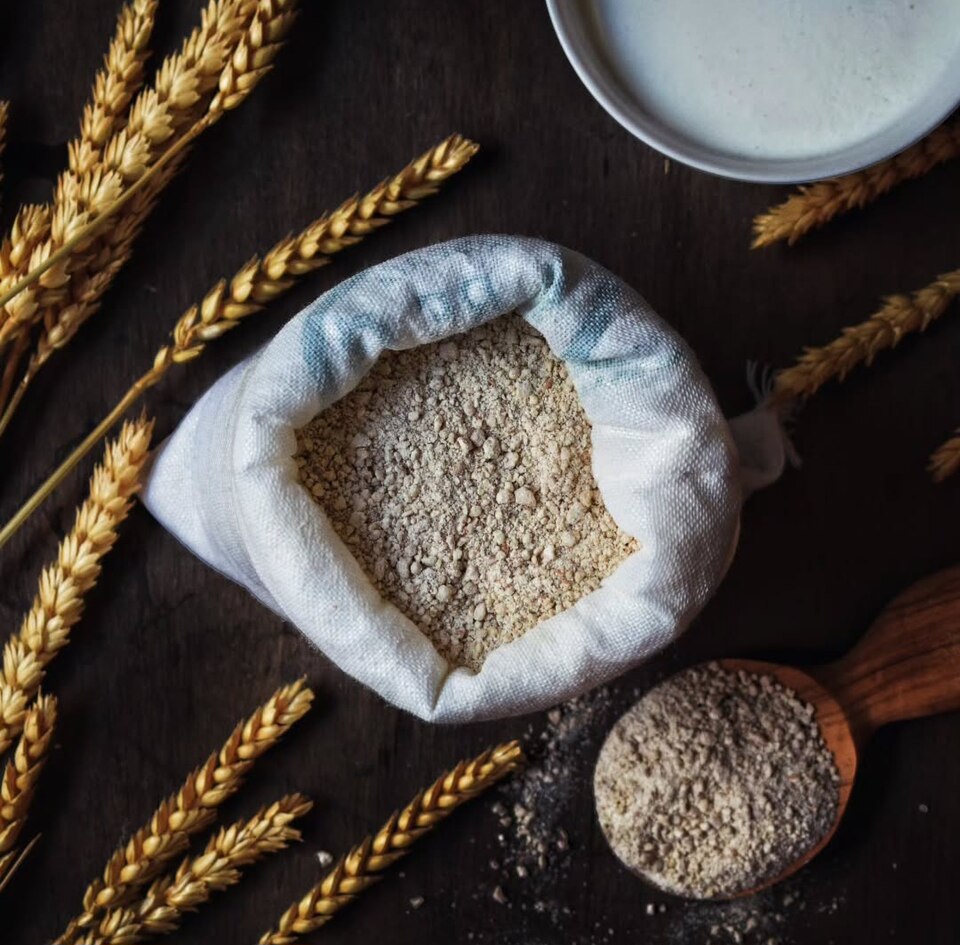
A Cretan way of keeping grain and milk through the winter. Cracked wheat is fermented with soured goat or sheep milk, sun-dried until hard, then stored for months. Cooked in stock or water it becomes a coarse, tangy porridge, close to yogurt in its sourness. Olive oil over the top rounds it out.
Yiayia’s tip: Use genuinely sour milk. This is what defines xinohondros against plain trahanas. Fresh, unsoured milk will not give the same distinctly tangy character.
Make Cretan Sour Trahanas16. Fried Bread with Feta
Tiganopsomo · Τηγανόψωμο · tee-gha-NOH-psoh-moh
Pan bread is what the name means. Mountain villages in Epirus made it when no oven was lit. A soft, slack yeasted dough is closed round crumbled feta, flattened and shallow-fried in olive oil until it blisters. It is torn, not cut, and eaten hot, with coffee in the morning or tsipouro at night.
Yiayia’s tip: Oil your hands, not the worktop with flour. Flour tightens this dough and makes it tough. Olive oil on your palms and on the surface lets you handle a very soft dough without adding anything to it.
Make Fried Bread with Feta17. Cypriot Courgettes with Eggs
Kolokouthkia me tafka · Κολοκούθκια με τ' αυκά · koh-loh-KOOTH-kya meh TAF-kah
Cypriot gardens overproduce courgettes in July, and a good share end up here. They are sliced and fried in olive oil, then beaten eggs are stirred through until barely set and grated halloumi goes on top. It is the courgette answer to strapatsada, eaten at breakfast, at lunch or at midnight.
Yiayia’s tip: Give the courgettes real time. Fifteen minutes over medium heat is what turns them sweet and golden. Five minutes over a high heat gives you grey watery slices and a dish that tastes of nothing.
Make Cypriot Courgettes with Eggs
Browse other collections
Get one proper Greek recipe a week
No round-ups, no filler, no fifteen-ingredient shortcuts. One dish, written out in full, with the reasoning included.
One email a week. Unsubscribe from any of them.