Greek Meze and Appetisers · Crete · The Cyclades · Fried · Mezedes and Ouzo
Greek Courgette Fritters with Feta (Kolokithokeftedes)
Κολοκυθοκεφτέδες ko-lo-kee-tho-kef-TEH-des · Kolokithokeftedes
In short
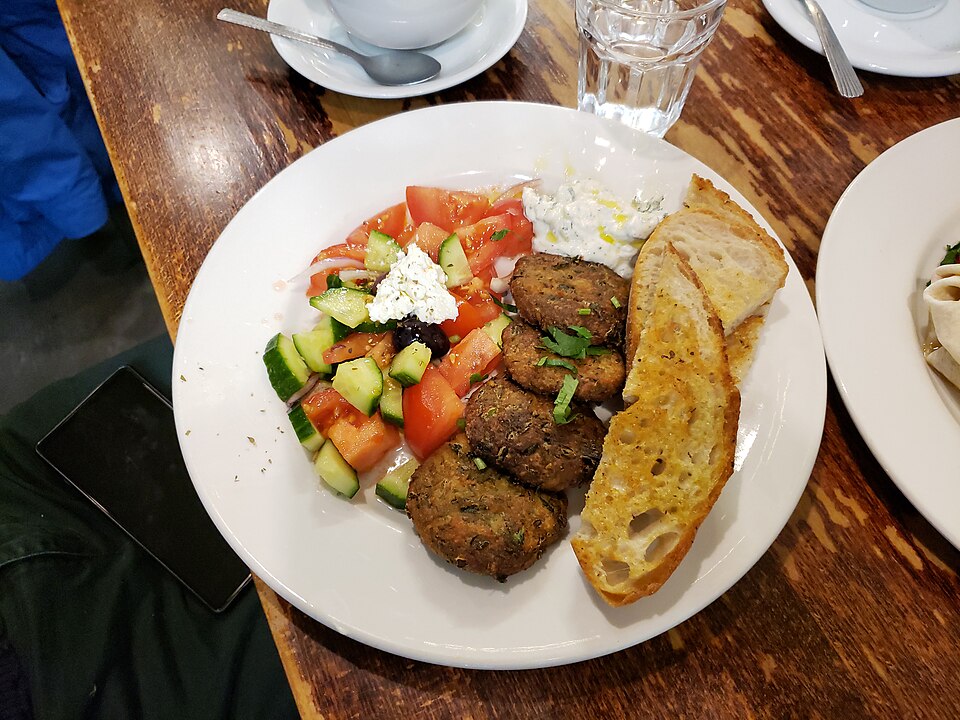
Kolokithokeftedes are Greek fritters of grated courgette, feta and herbs, bound with a little flour and fried until crisp. The grated courgette must be salted and squeezed completely dry, or the mixture is too wet to hold together.
Courgette Fritters with Feta
- Prep
- 35m
- Cook
- 20m
- Total
- 55m
- Serves
- 6
- Level
- Beginner
Ingredients
Ingredients
Tick ingredients off as you go. Quantities rescale with the buttons above.
Method
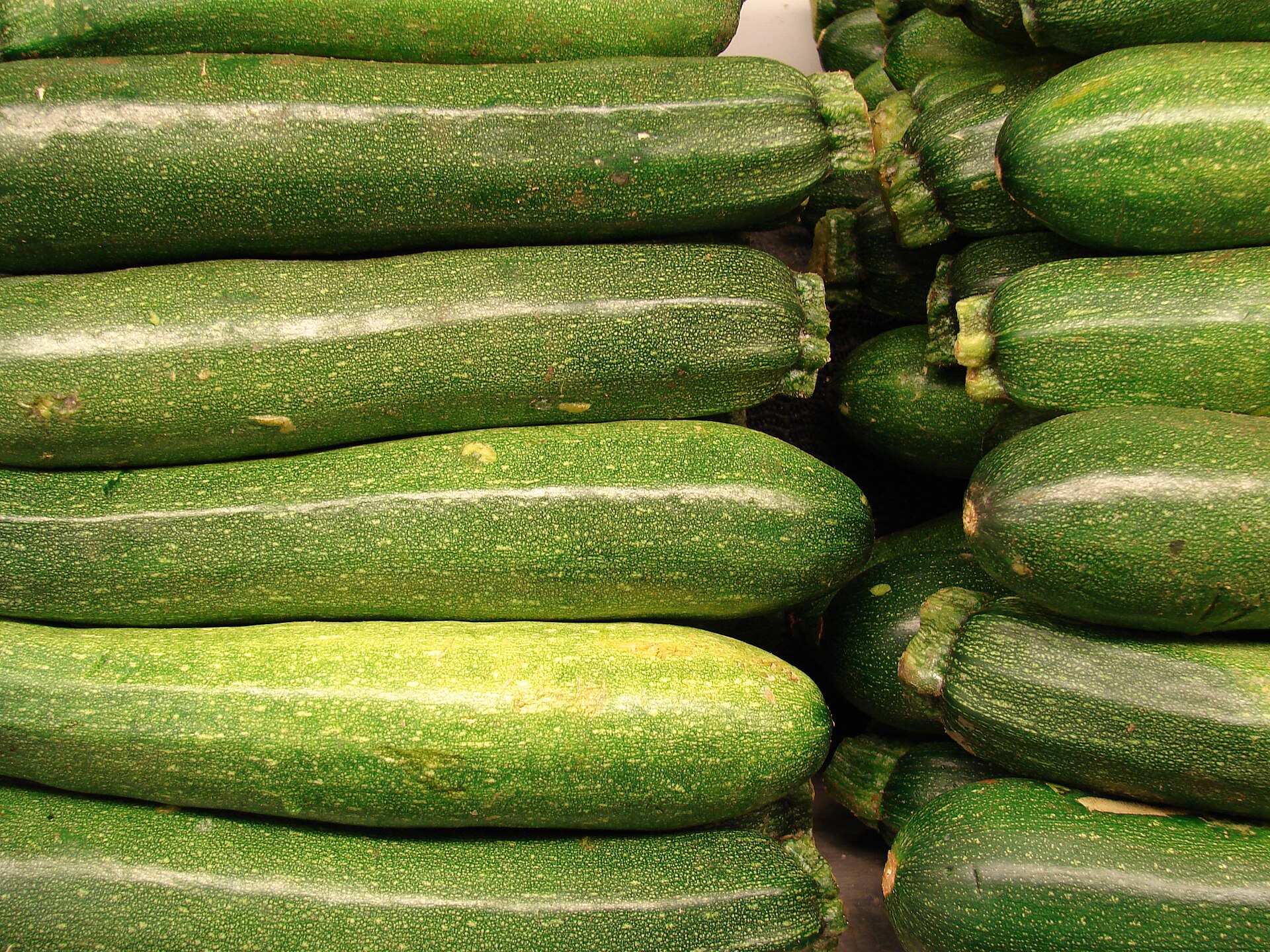
- 01Grate the courgettes on the coarse side of a box grater. Toss with the teaspoon of salt and tip into a sieve set over a bowl. Leave to drain for 30 minutes.
- 02Gather the courgettes into a clean tea towel and wring out hard over the sink. Keep squeezing until very little more comes. They should feel almost dry.
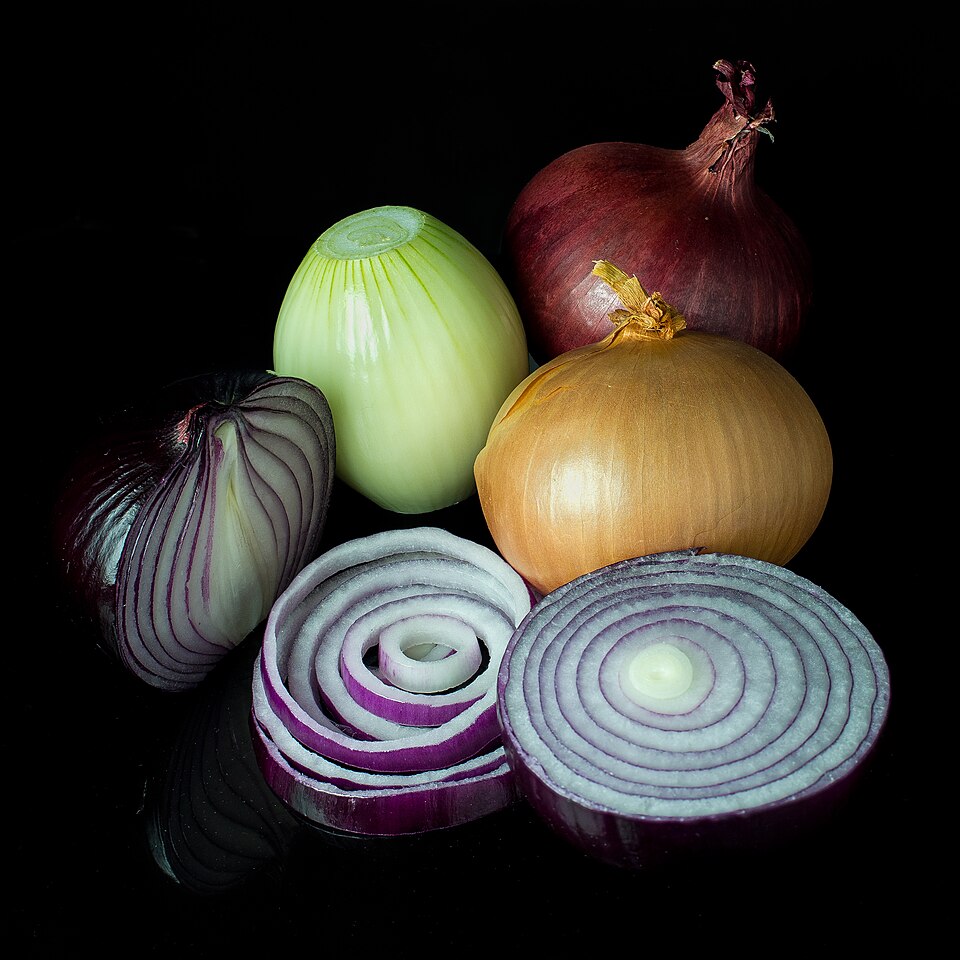
Courgette - 03Grate the onion and squeeze that dry too, in the same way.
- 04Put the courgettes and onion in a large bowl with the spring onions, feta, dill, mint and plenty of black pepper. Taste before adding salt: the feta and the salting step usually cover it.
Onion - 05Add the egg and 3 tablespoons of the flour and mix. The mixture should just hold together when squeezed in your hand. Add the last spoonful of flour only if it will not hold.
- 06Cover and chill for 20 minutes. This firms the mixture and makes shaping much easier.Chill the mixture.Yiayia
- 07Heat 1 cm of oil in a wide frying pan over a medium heat.
- 08Take heaped tablespoons of the mixture, shape into rough patties in your hands and slide into the oil. Do not crowd the pan and do not press them flat.
- 09Fry for 2 to 3 minutes a side until deep golden and crisp. Drain on kitchen paper.
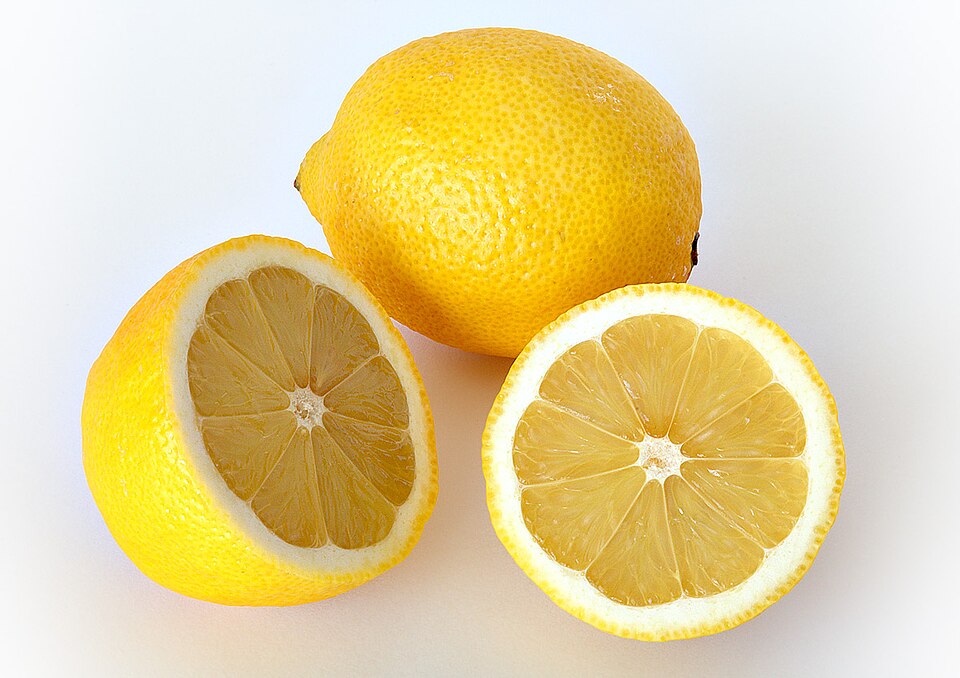
- 10Serve immediately with tzatziki and lemon wedges.
Lemon
Nutrition, per 4 fritters
- Calories
- 248
- Protein
- 9 g
- Carbs
- 14 g
- Fat
- 17 g
- Sat fat
- 5 g
- Fibre
- 3 g
These figures are calculated estimates based on the ingredients listed, not laboratory analysis. Actual values vary with brands, cuts and portion size.
Every Greek island has a version of these and they are among the best things on any meze table: crisp outside, soft and herby inside, eaten hot with tzatziki and a squeeze of lemon.
There is exactly one difficulty. Courgettes are more than ninety percent water, and the whole recipe is a battle against that. Salt them, drain them, and then squeeze harder than feels reasonable. Every millilitre you remove is one you do not have to compensate for with flour, and flour is what makes a heavy fritter.
Get that right and the rest is a bowl and a frying pan.
Key preparation steps
- Grate and salt the courgettes, drain for thirty minutes.
- Squeeze them genuinely dry in a cloth.
- Mix with feta, herbs and only just enough flour to bind.
- Chill briefly, then fry in batches over a steady medium heat.
The squeezing step
Grate the courgettes coarsely, toss with a teaspoon of salt, and leave in a sieve for thirty minutes. A surprising amount of liquid comes out on its own.
Then gather them into a clean tea towel and wring hard over the sink. You should get another substantial amount out, and what remains should feel almost dry.
Do not skip or shorten this. Wet mixture needs more flour to hold together, more flour makes a dense doughy fritter, and dense doughy fritters are why people think they do not like these.
How much flour, and what binds them
As little as possible, usually three or four tablespoons for a kilo of courgettes. The mixture should be barely holding together, not a batter.
The feta does a lot of the binding, as does one egg. Some cooks use breadcrumbs instead of flour, which gives a lighter, crisper result and is worth trying.
Chill the mixture for twenty minutes before frying. It firms up and shapes far more easily, and the fritters are less likely to spread in the pan.
Herbs and the cheese
Dill and mint are the two that matter, in quantity. A large bunch of dill and a good handful of mint for a kilo of courgettes. Parsley can join them but should not replace them.
Feta crumbled by hand rather than mashed, so there are still pockets of it. Around 200 g for a kilo of courgettes. Some island versions add grated hard cheese as well.
Grated onion or spring onion goes in too. Squeeze grated onion the same way you squeezed the courgette.
Frying and serving
Shallow fry in about a centimetre of oil over a medium heat. Too hot and the outside browns before the inside sets; too cool and they absorb oil.
Do not crowd the pan and do not flatten them with the spatula. Two or three minutes a side until deep golden.
Serve immediately with tzatziki and lemon wedges. They soften as they sit, so this is a fry-and-serve dish rather than a make-ahead one, though the mixture keeps a day in the fridge.
What matters in this dish
Squeeze twice
Once after the salting, then again just before mixing. Courgettes keep releasing water and the second squeeze always yields more.
Fry one first
Cook a single fritter and taste it. It tells you whether the seasoning is right and whether the mixture is holding together before you commit the batch.
Chill the mixture
Twenty minutes in the fridge makes the difference between fritters you can shape and a mixture that slumps off the spoon.
Questions people ask about Kolokithokeftedes
Why do my courgette fritters fall apart?
The courgettes were not squeezed dry enough. Wet mixture will not bind, and adding more flour to compensate gives a heavy fritter. Salt, drain for thirty minutes, then wring out hard in a tea towel.
Can you bake kolokithokeftedes instead of frying?
Yes. Shape them, brush with oil and bake at 200C for about 25 minutes, turning halfway. They will be lighter but noticeably less crisp.
Can you make the mixture ahead?
Yes, up to a day in the fridge. It may release a little more liquid, so drain it off before shaping. Fry them fresh, as cooked fritters soften quickly.
What do you serve with Greek courgette fritters?
Tzatziki is the standard, with lemon wedges. They also sit well on a meze table alongside melitzanosalata, olives and bread.