Greek Breads and Pies · Epirus · The Mainland · Baked · The Sunday Table
Greek Spanakopita Recipe (Crisp Spinach and Feta Pie)
Σπανακόπιτα spah-nah-KOH-pee-tah · Spanakopita
In short
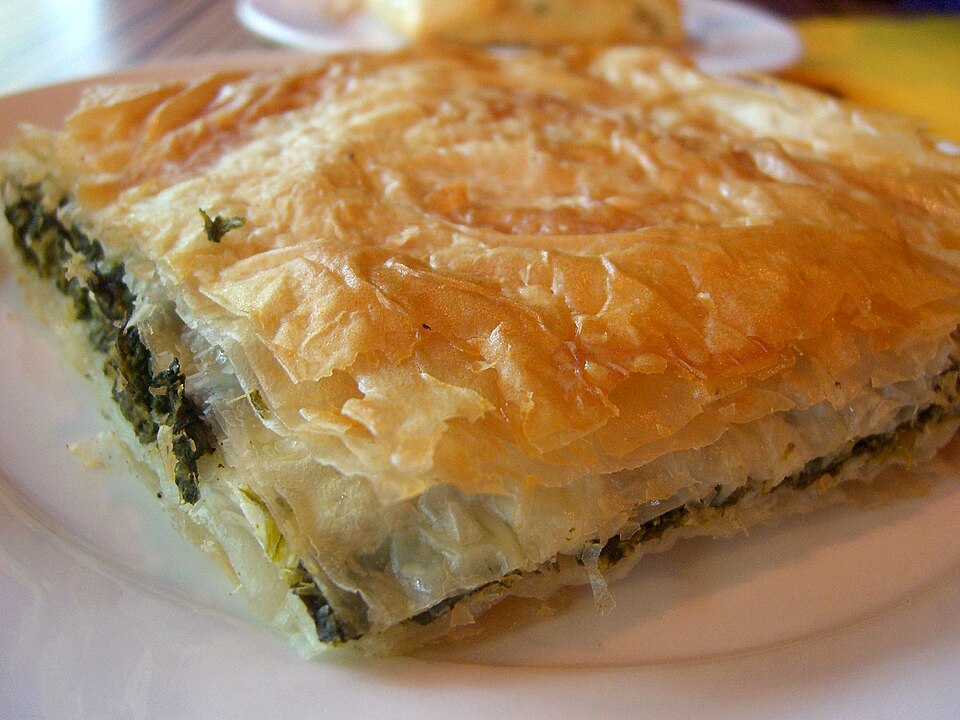
Spanakopita is a Greek pie of spinach, feta, herbs and onion baked between layers of buttered or oiled phyllo pastry. The filling must be squeezed completely dry before assembly, or the steam released will make the bottom pastry soggy.
Spanakopita
- Prep
- 40m
- Cook
- 50m
- Total
- 1h 30m
- Serves
- 8
- Level
- Intermediate
Ingredients
For the filling
For the pastry
Tick ingredients off as you go. Quantities rescale with the buttons above.
Method
- 01If using fresh spinach, wilt it in a large dry pan in batches over high heat until just collapsed, about 2 minutes per batch. Tip into a colander and leave to cool. If using frozen, thaw it completely.
- 02Squeeze the spinach dry in handfuls, using a clean tea towel and real force. You want a tight, almost dry ball. Pull the ball apart with your fingers so it does not stay clumped, and put it in a large bowl.
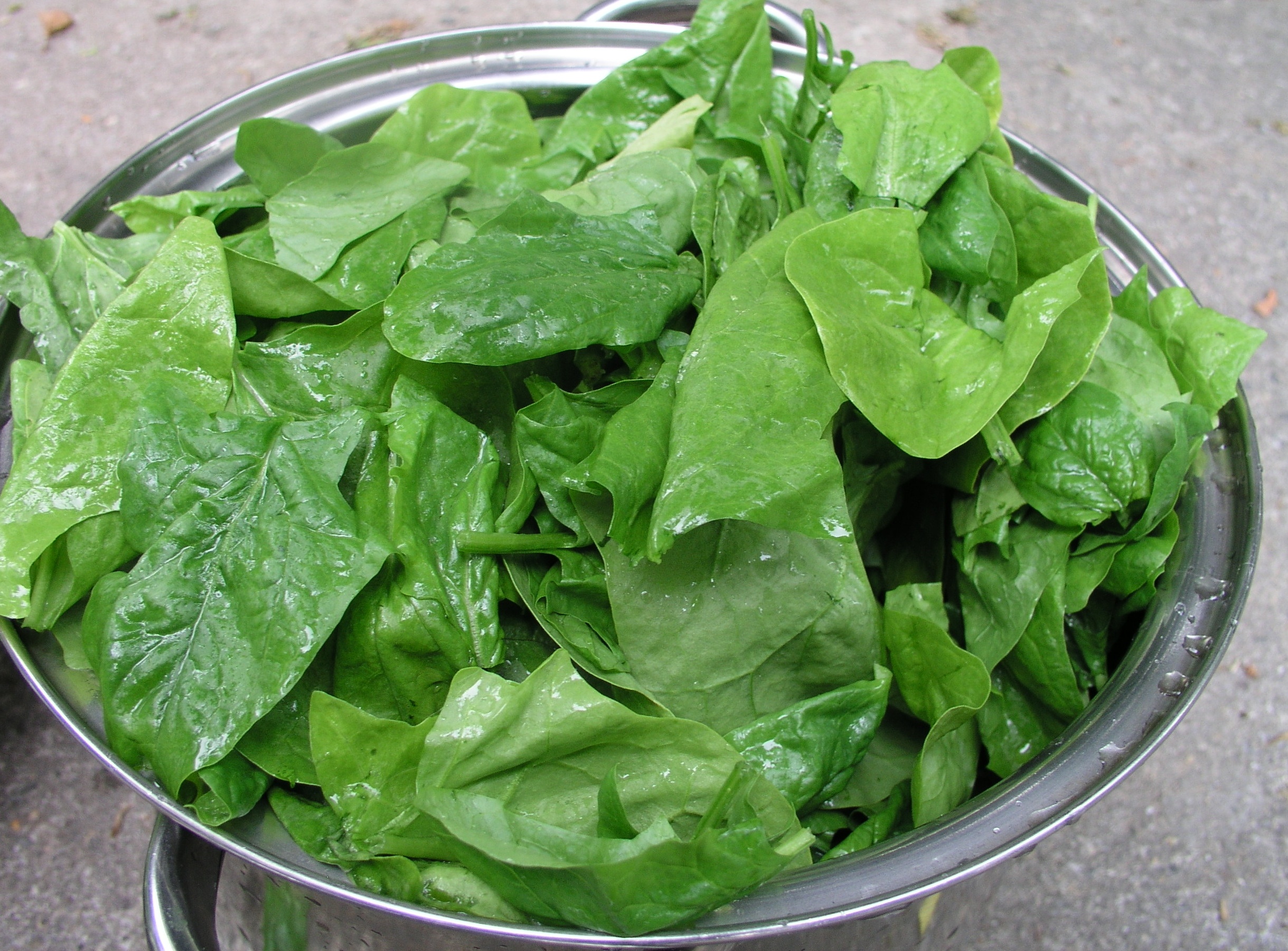
Spinach - 03Heat the olive oil in a pan and cook the chopped onion gently for 8 minutes until soft. Add the spring onions and cook for another 2 minutes. Let cool slightly, then add to the spinach.
- 04Add the dill, crumbled feta, grated hard cheese, beaten eggs and nutmeg. Season with plenty of black pepper, then taste and add salt only if it needs it.
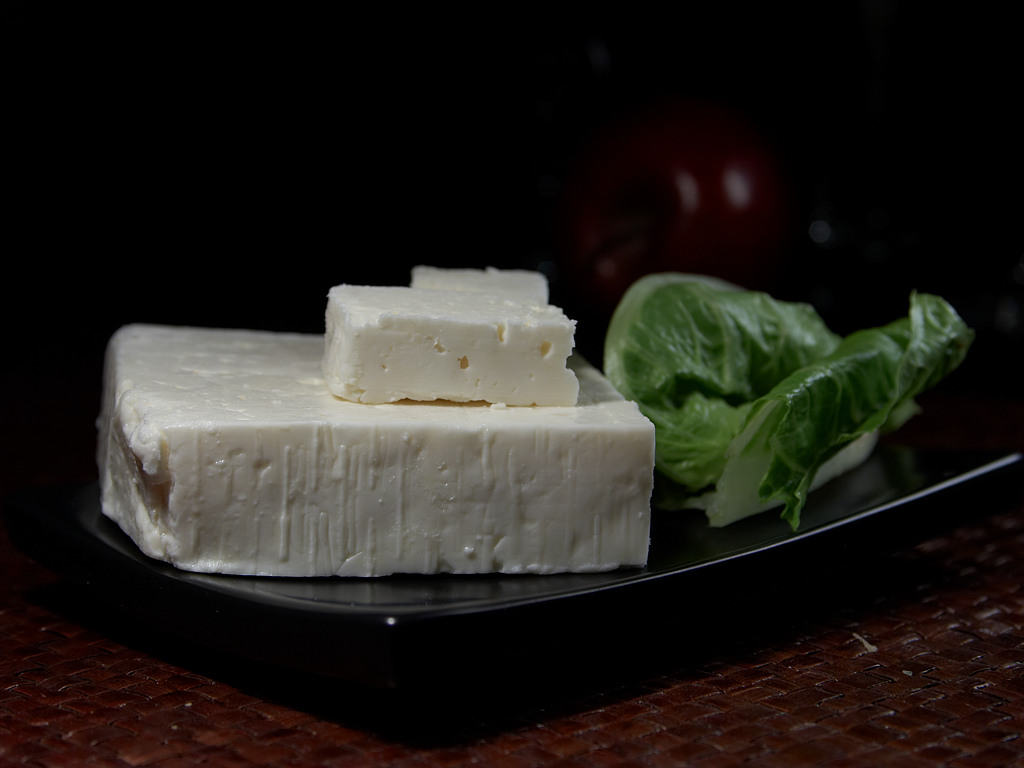
Feta - 05Heat the oven to 190C fan 170C. Combine the melted butter and olive oil in a bowl.
- 06Brush a 30 x 22 cm baking dish with the fat mixture. Lay in a sheet of phyllo, letting the edges hang over the sides, and brush it all over. Repeat with 6 more sheets, brushing every one and rotating the direction slightly each time.
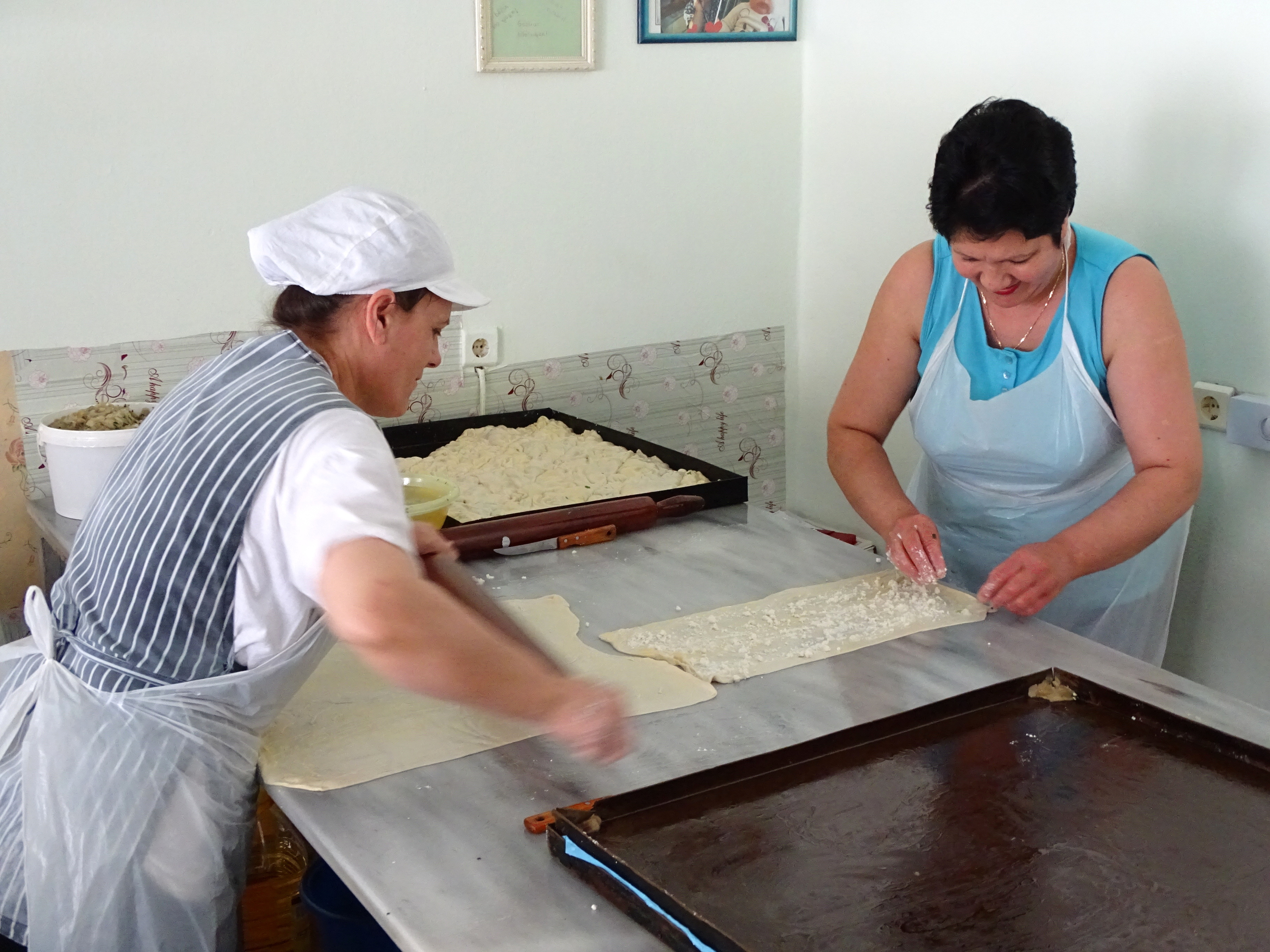
Phyllo - 07Spread the filling evenly over the pastry base and level the top.
- 08Fold the overhanging edges in over the filling and brush them. Then layer 7 more sheets on top, brushing each one, tucking the edges down inside the dish.
- 09Brush the top generously and scatter with sesame seeds if using. Using a very sharp knife, score through the top layers only, down to the filling but not through the base, marking out 8 squares or diamonds.
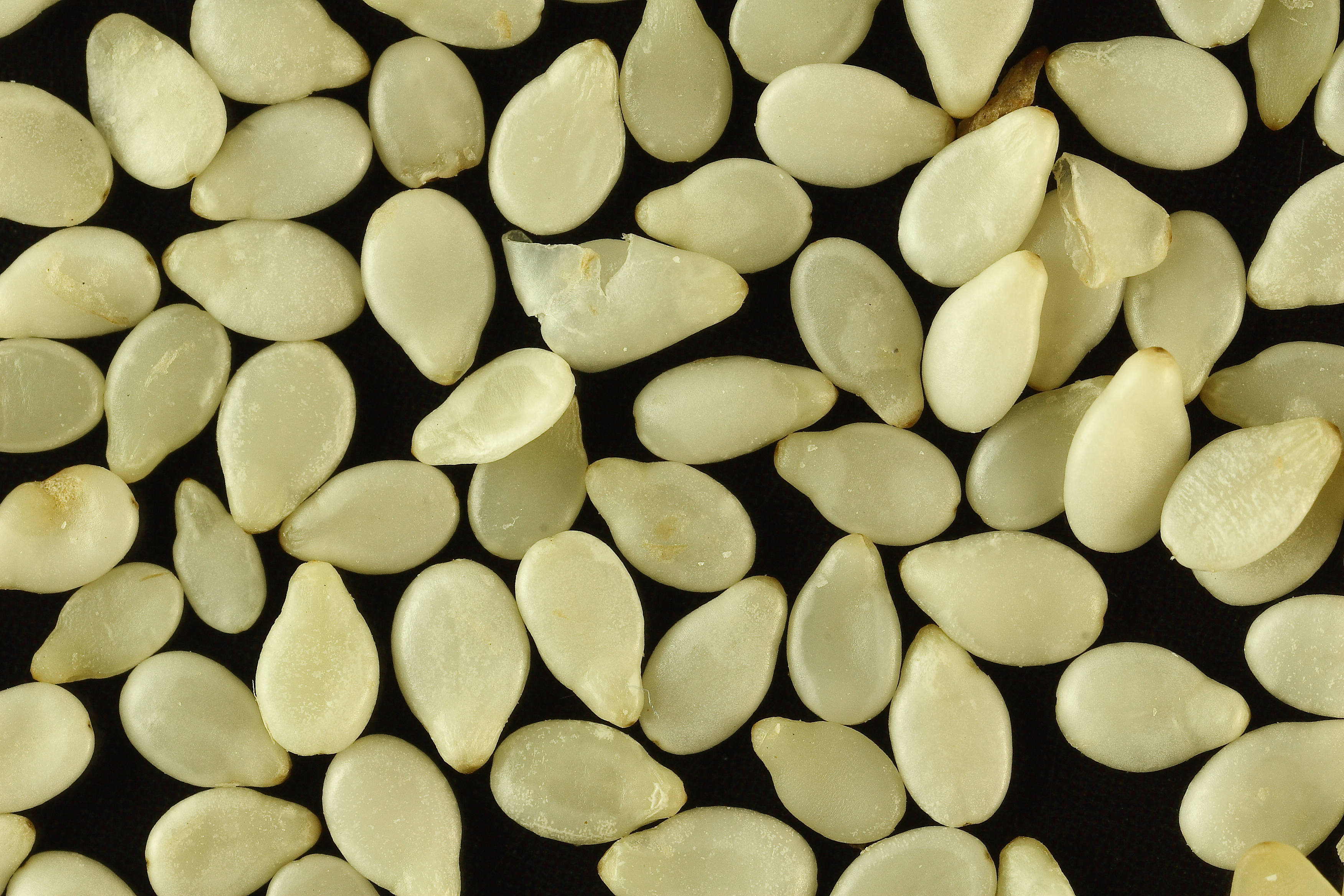
Sesame Seeds - 10Sprinkle a teaspoon of water over the surface, which helps the top blister and crisp. Bake for 45 to 50 minutes until deep golden brown and crisp all over.A splash of water on top.Yiayia
- 11Let it stand for 15 minutes before cutting along the scored lines. Serve warm or at room temperature.
Nutrition, per 1 square
- Calories
- 432
- Protein
- 16 g
- Carbs
- 33 g
- Fat
- 27 g
- Sat fat
- 11 g
- Fibre
- 4 g
These figures are calculated estimates based on the ingredients listed, not laboratory analysis. Actual values vary with brands, cuts and portion size.
Pies are the heart of Greek home baking, and spanakopita is the one that travelled. The principle is simple: a lot of greens, a lot of cheese, very little else, wrapped in pastry so thin you can read through it.
The failure mode is equally simple. Spinach is mostly water, and any water left in the filling turns to steam in the oven and lands on the underside of the pastry. A soggy bottom on a spanakopita is not bad luck, it is unsqueezed spinach.
The other thing worth knowing is that the fat between the layers is not optional or a matter of restraint. Every sheet needs to be brushed. Dry phyllo layers fuse into a papery slab instead of separating into leaves, and the whole appeal of the pie is those leaves.
Key preparation steps
- Wilt the spinach, cool it, then squeeze it dry with real force.
- Cook the onions and spring onions down properly so they release their own water in the pan, not in the pie.
- Season the filling firmly, remembering the feta is already salty.
- Brush every single phyllo sheet, top and bottom.
- Score the top into portions before baking, and bake until deep gold.
Fresh spinach or frozen?
Frozen is genuinely fine here and many Greek cooks use it. It is already blanched, which means it collapses to the right texture, and it is far cheaper by weight. Thaw it completely and squeeze it as hard as you can, in batches, in a clean tea towel.
Fresh gives a slightly brighter flavour and a better texture if you have the patience. You need a great deal of it, roughly a kilo of fresh leaves to end up with the same volume as 500 g of frozen. Wilt it in a dry pan in batches, cool it enough to handle, then squeeze.
Either way, the squeeze is the same and it is not gentle. You want the spinach in a tight, almost dry ball. Then pull it apart with your fingers before mixing, or it will stay in clumps.
Butter or olive oil for the phyllo?
Both are traditional and they give genuinely different pies. Olive oil is the older, more rustic and more common choice in Greek homes, particularly during fasting periods, and it gives a crisper, drier, slightly savoury result. Butter gives a richer, more golden, flakier pastry and is closer to what you find in bakeries.
A half-and-half mixture is a good compromise and is what I use most often: melt the butter, then stir in an equal amount of olive oil. It browns like butter and crisps like oil.
Whichever you pick, use more than feels reasonable and brush right to the edges. The corners are where phyllo dries out and cracks.
Working with phyllo without it drying out
Phyllo dries in minutes and once it is brittle it is unusable. Unroll the whole stack, cover it with a sheet of baking paper and then a slightly damp tea towel, and take one sheet at a time.
Do not put a wet towel directly onto the pastry: it will glue the sheets together into a paste. The baking paper in between prevents that.
Thaw frozen phyllo overnight in the fridge rather than at room temperature or in the microwave. Rapid thawing produces condensation, and condensation makes the sheets stick to each other and tear.
Tears are not a disaster. This is a layered pie, and a torn sheet laid down and brushed over disappears entirely once baked.
Getting the filling right
The classic combination is spinach, spring onions, dill and feta, and it does not need much else. Some households add a beaten egg to bind, some add rice or a little semolina to absorb residual moisture, and some add leeks or chard alongside the spinach.
Feta should be crumbled by hand into rough pieces rather than grated, so you get pockets of cheese. Between 250 g and 300 g for a kilo of raw spinach is about right. Add a handful of grated hard cheese, kefalotyri or pecorino, for savoury depth.
Season with plenty of black pepper and a little nutmeg, then taste before you add any salt. Between the feta and the cheese there may already be enough.
Why you score spanakopita before baking
Cutting baked phyllo shatters it and you lose half the top in crumbs. Scoring through the upper layers only, before it goes into the oven, gives you clean portions afterwards and lets steam escape during the bake.
Use a very sharp knife, cut down through the top sheets to the level of the filling but not through the base, and mark out your squares or diamonds. After baking, the knife follows those lines cleanly.
Serving and storing
Spanakopita is served warm or at room temperature, almost never hot from the oven, and it is as much a lunch or a snack in Greece as it is a dinner. A wedge eaten standing up outside a bakery is a normal Greek breakfast.
It keeps for three days and reheats well in an oven, never a microwave, which will destroy the pastry within seconds.
What matters in this dish
Squeeze harder than you think necessary
If any liquid at all comes out when you press the filling in the bowl, go back and squeeze again. This one step decides the pie.
Never brush phyllo with cold fat
Cold butter tears the sheets. Keep the fat warm and liquid, and use a soft pastry brush rather than a silicone one, which drags.
A splash of water on top
A teaspoon of water flicked over the assembled pie before baking turns to steam and lifts the top layers into distinct crisp leaves.
Questions people ask about Spanakopita
Why is my spanakopita soggy on the bottom?
Water in the filling, almost every time. The spinach was not squeezed dry enough, or the onions went in still releasing liquid. Squeeze the spinach in a tea towel until nothing more comes out, and let the cooked onions cool before mixing.
Can you freeze spanakopita?
Yes, and freezing it unbaked works best. Assemble it fully, score the top, wrap the whole dish and freeze for up to three months. Bake from frozen at 180C, adding about 20 minutes. Baked and frozen also works but the pastry is slightly less crisp.
Can you make spanakopita ahead?
Assemble it up to a day ahead and keep it covered in the fridge, then bake when needed. Do not assemble it days early: the filling will slowly moisten the base pastry even in the fridge.
What is the difference between spanakopita and tiropita?
Spanakopita is spinach and feta. Tiropita is cheese only, usually feta with a soft cheese like anthotyro or ricotta and eggs. Same pastry, same technique, different filling.
Do you have to use phyllo, or can you use puff pastry?
Puff pastry makes a perfectly nice pie but it is a different dish. Phyllo gives the dry, shattering, many-leaved texture that defines a Greek pita. If you cannot get phyllo, puff works as a substitute rather than an equivalent.
Is spanakopita vegetarian?
Yes, as written. For a vegan version, leave out the eggs and replace the cheeses with a firm marinated tofu or a plant-based feta, and use olive oil rather than butter for the pastry. Check the phyllo packet, as most brands are already dairy-free.