
Course
19 Greek Side Dishes
Lemon potatoes, wild greens, rice pilafs and roasted vegetables: the supporting plates that turn a piece of grilled meat or fish into a proper meal.
A Greek side dish is there to turn a piece of grilled meat or fish into a meal. Many of them are vegetables simmered in tomato and olive oil until completely soft: green beans, okra, courgettes. Artichokes come with peas.
Then there are the plain ones. Horta is boiled greens. Lemon potatoes and oven potatoes with oregano go with anything roasted. Rice pilaf and bulgur pilaf fill the plate.
Fried courgette and fried aubergine slices are one idea in two vegetables: floured, fried until golden and served with tzatziki. Make more than you think you need.
Every recipe on Kalliopi's Kitchen carries the dish's Greek name and a pronunciation, its region where that is meaningful, ingredient quantities in both metric and imperial, and an honest note on what commonly goes wrong. Nutrition figures are calculated estimates and are labelled as such.
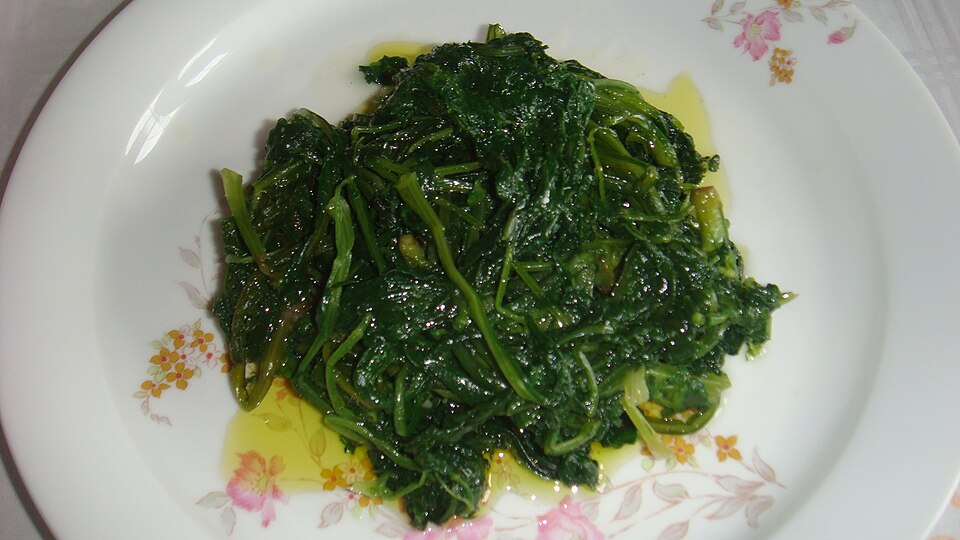
1. Horta
Horta vrasta · Χόρτα βραστά · HOR-tah vrah-STAH
Nothing in Greek cooking is plainer, and it may be the most important thing in it: boiled greens with olive oil and lemon, eaten several times a week. Dandelion, chicory, amaranth and beet greens all go in the pot. They are cooked soft and drab, never bright green, because wild greens are tough and bitter.
Yiayia’s tip: Wash more than you think necessary. Grit in horta ruins it and is very hard to detect until you are eating. Lift the greens out of the water rather than tipping the whole lot into a colander.
Make Horta2. Cypriot Black-Eyed Bean Salad with Chard
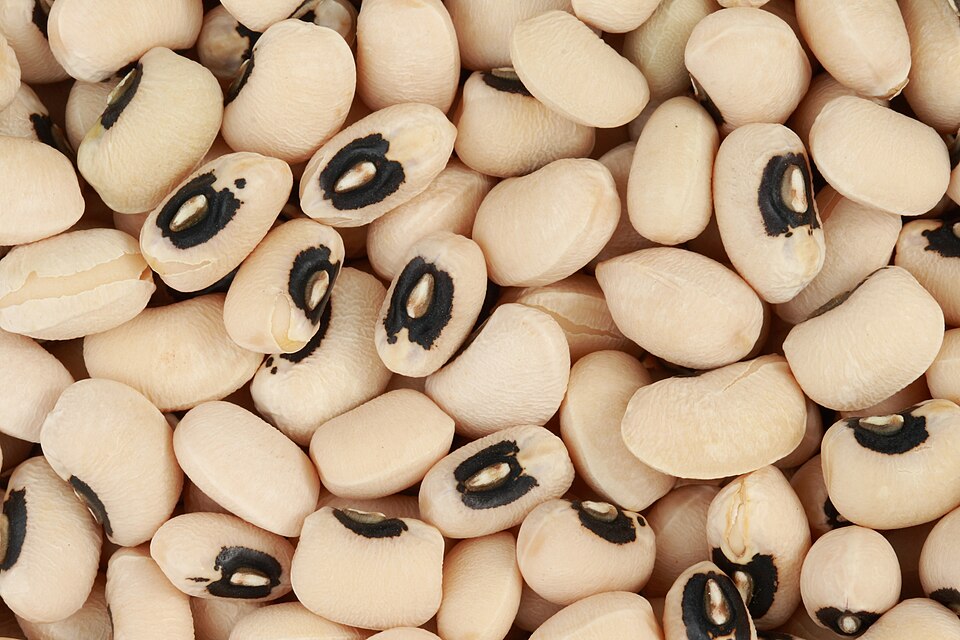
Louvi · Λούβι · LOO-vee
Fasting-day food in Cyprus, and nobody at the table feels deprived. Black-eyed beans are simmered with chard or spinach, given olive oil and lemon while still warm, then left to cool. It is a Lenten staple, vegan as it stands. Serve it as a full plate with bread and olives, not as a side.
Yiayia’s tip: No soaking needed. Black-eyed beans are thin-skinned enough to cook from fully dry in under an hour, unlike most other dried pulses.
Make Cypriot Black-Eyed Bean Salad with Chard3. Green Beans in Tomato and Olive Oil
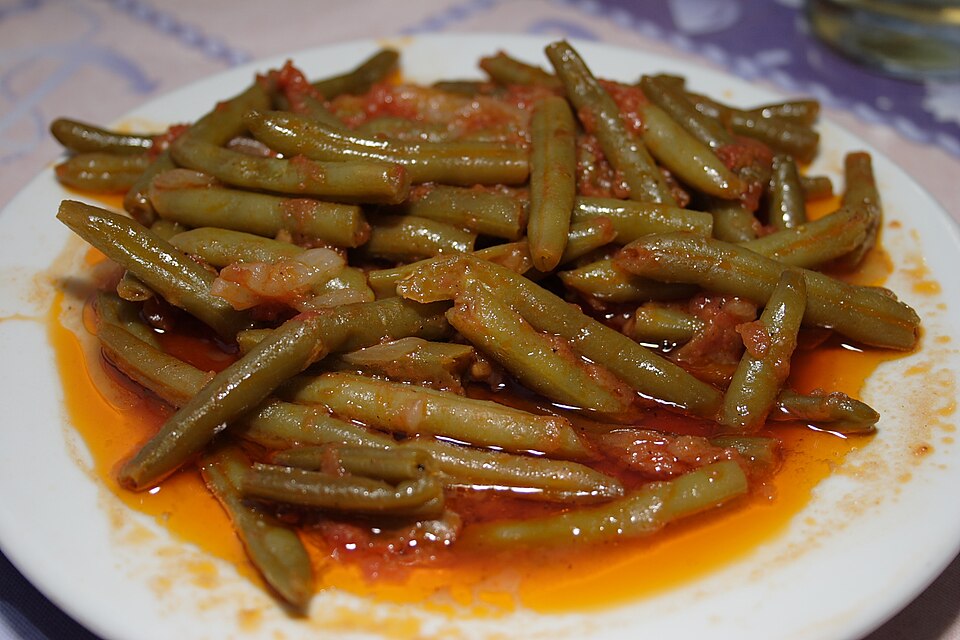
Fasolakia lathera · Φασολάκια λαδερά · fah-soh-LAH-kyah lah-theh-RAH
Green beans, with potato and onion, cooked far past the point where other cuisines stop, on purpose. A bean cooked ladera, in olive oil and tomato, is meant to be soft all the way through, never crisp. Finish it uncovered so the sauce thickens. Summer food, often a light main with bread and feta.
Yiayia’s tip: Do not skimp on the olive oil. It becomes part of the sauce itself over the long simmer. A ladera dish made with too little oil is a noticeably thinner, less satisfying dish.
Make Green Beans in Tomato and Olive Oil4. Fried Courgette Slices
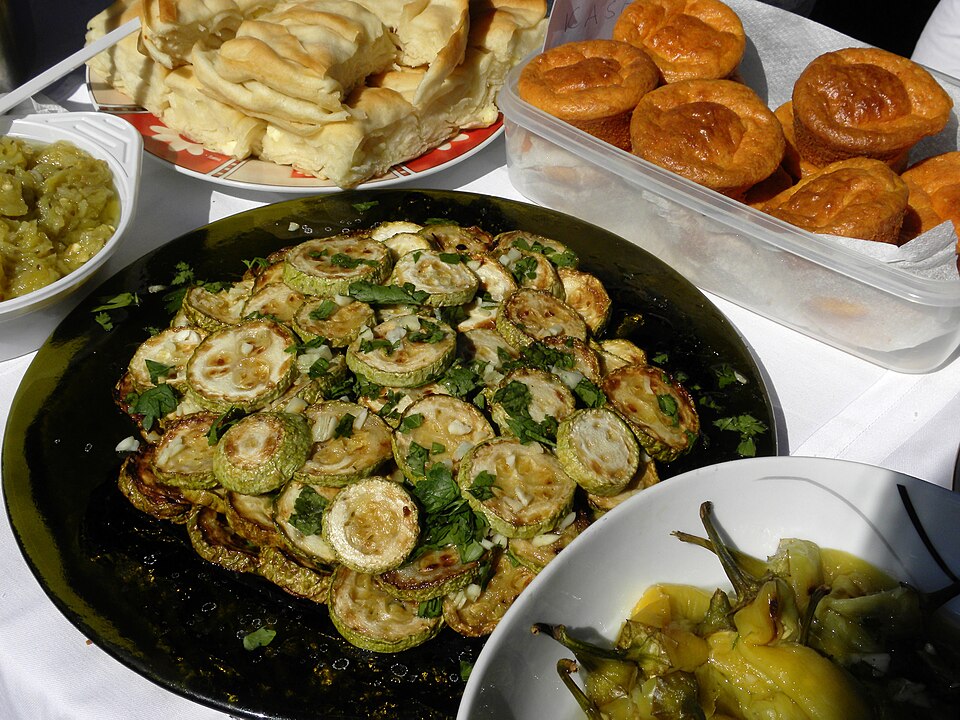
Kolokithakia tiganita · Κολοκυθάκια τηγανητά · koh-loh-kee-THAH-kyah tee-gah-nee-TAH
About as plain as Greek cooking gets, and on nearly every taverna table. Thin courgette, a light dusting of flour, hot oil, then tzatziki and lemon alongside. The oil has to be hot enough to crisp the slices, or they drink it and go soggy. They soften fast once they sit, so serve at once.
Yiayia’s tip: Slice evenly. Uneven thickness means some pieces finish frying before others. A mandoline gives the most consistent results.
Make Fried Courgette Slices5. Fried Aubergine Slices
Melitzanes tiganites · Μελιτζάνες τηγανητές · meh-leed-ZAH-nes tee-gah-nee-TES
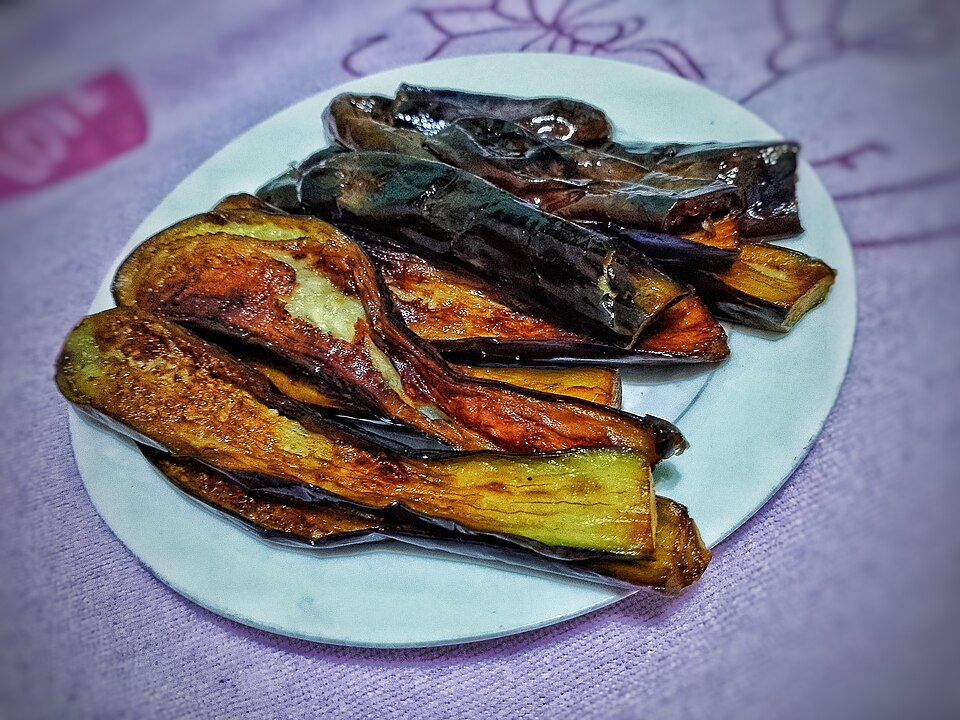
One of the two simplest things on a Greek meze table, the other being fried courgette. Aubergine is the richer of the pair, with a slightly smoky depth once fried. The slices are thin, lightly floured and served with tzatziki and lemon. They soften within minutes, so they go straight to the table.
Yiayia’s tip: Salt properly and for long enough. This draws out the bitter liquid aubergine holds and is what lets the slices crisp rather than absorb oil and turn soggy.
Make Fried Aubergine Slices6. Okra in Tomato and Olive Oil
Bamies latheres · Μπάμιες λαδερές · BAH-myes lah-theh-RES
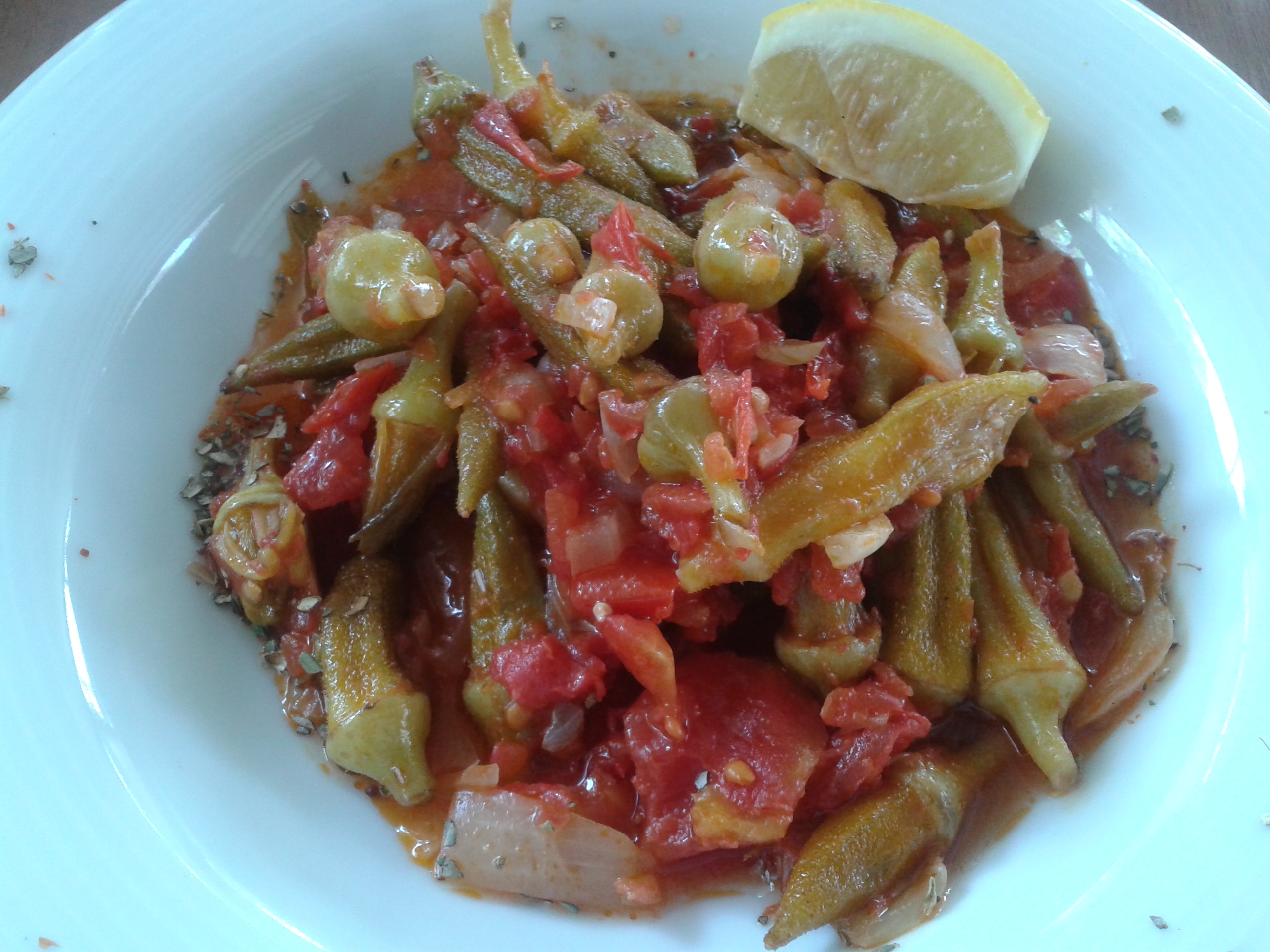
Okra frightens cooks because it can turn slimy. The traditional answer is a short soak in vinegar before the pods go near the pot. After that it is an ordinary ladera dish, simmered slowly in tomato and plenty of olive oil until the oil becomes the sauce. Shake the pan, do not stir.
Yiayia’s tip: Do not cut into the pods when trimming. Only trim the woody stem end. Exposing the interior releases the sticky substance that causes sliminess.
Make Okra in Tomato and Olive Oil7. Courgette in Tomato Sauce
Kolokithakia yiahni · Κολοκυθάκια γιαχνί · koh-loh-kee-THAH-kyah yah-NEE
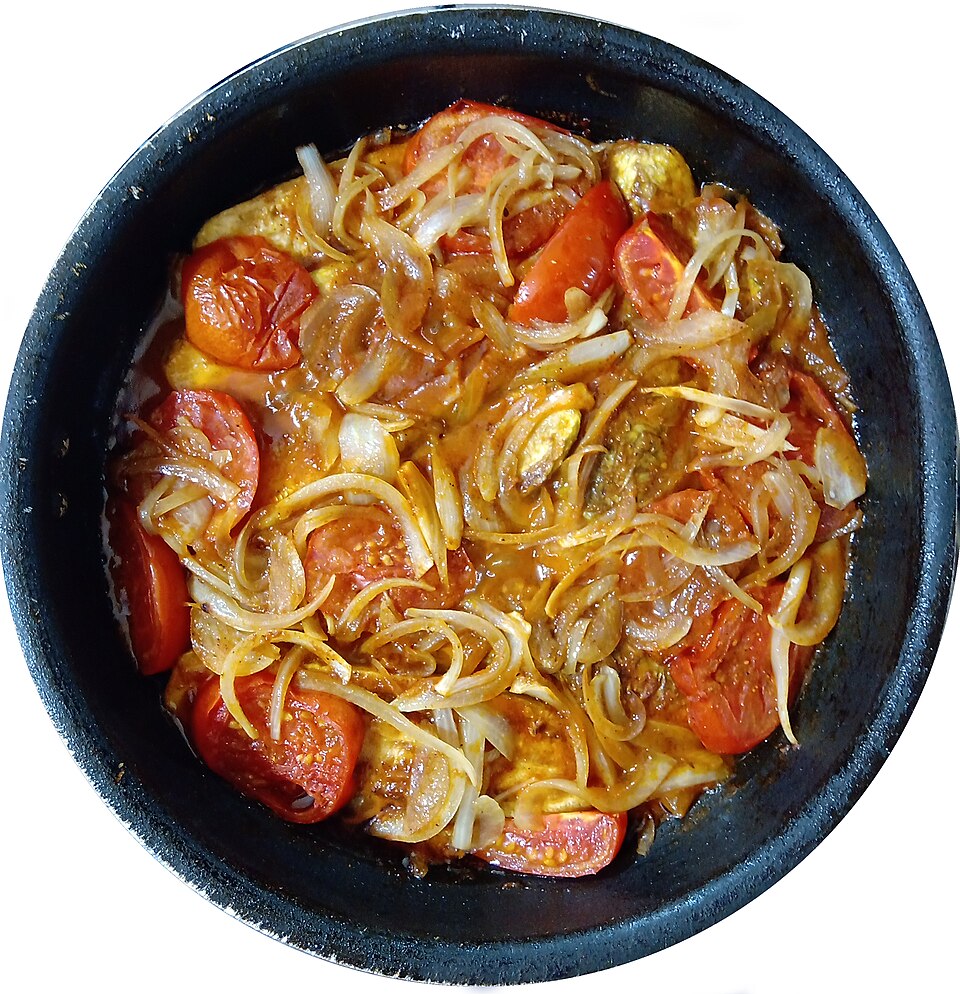
The onion and tomato braise Greeks give to green beans and aubergine, applied to courgette. Courgette cooks much faster than either, so few ladera dishes are ready sooner, and few are easier to overcook: check early and often. It is eaten warm or cooled, with feta and bread.
Yiayia’s tip: Cut thick, not thin. Thin slices disintegrate too quickly in the sauce. Thick chunks hold their shape through the simmer.
Make Courgette in Tomato Sauce8. Fried Green Peppers
Piperies tiganites · Πιπεριές τηγανητές · pee-peh-ree-ES tee-gah-nee-TES
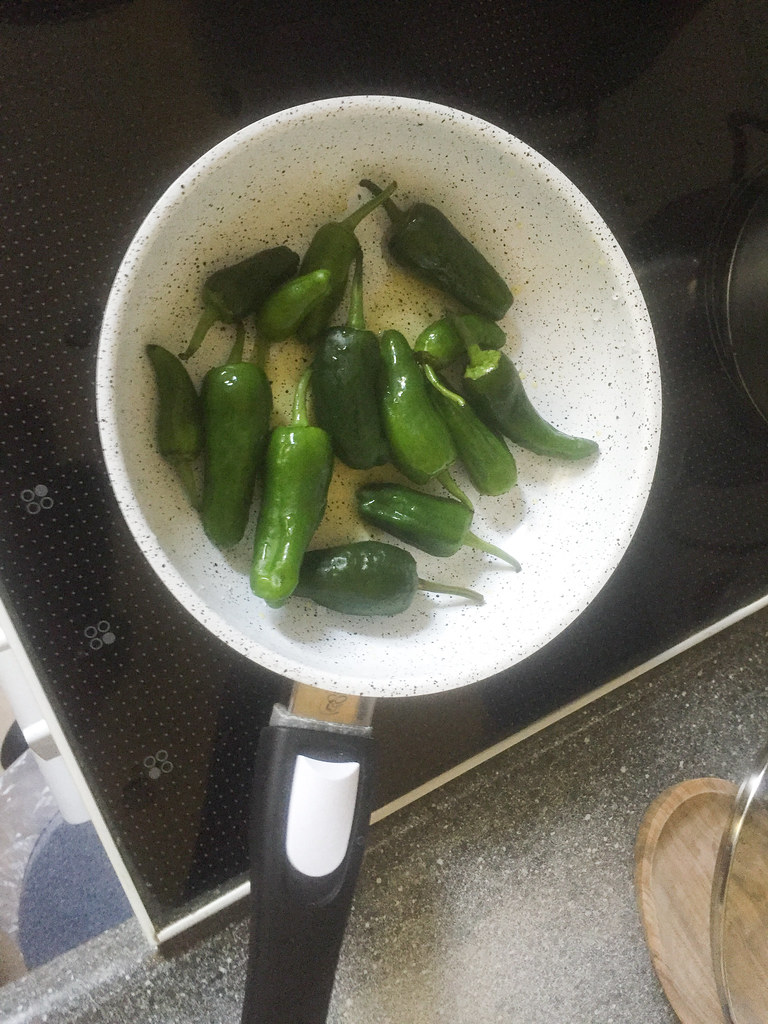
Three ingredients: green peppers, olive oil and salt. The peppers fry whole until the skins blister and the insides are sweet and soft. They reach the table quickly, next to ouzo or a cold beer. They are eaten by hand, held by the stem, skin and all.
Yiayia’s tip: Use the right pepper. Long, thin, mild frying peppers cook through quickly and turn genuinely sweet. A thick bell pepper takes far longer and never gets the same texture.
Make Fried Green Peppers9. Artichokes with Peas
Anginares me araka · Αγκινάρες με αρακά · an-gee-NAH-res meh ah-rah-KAH
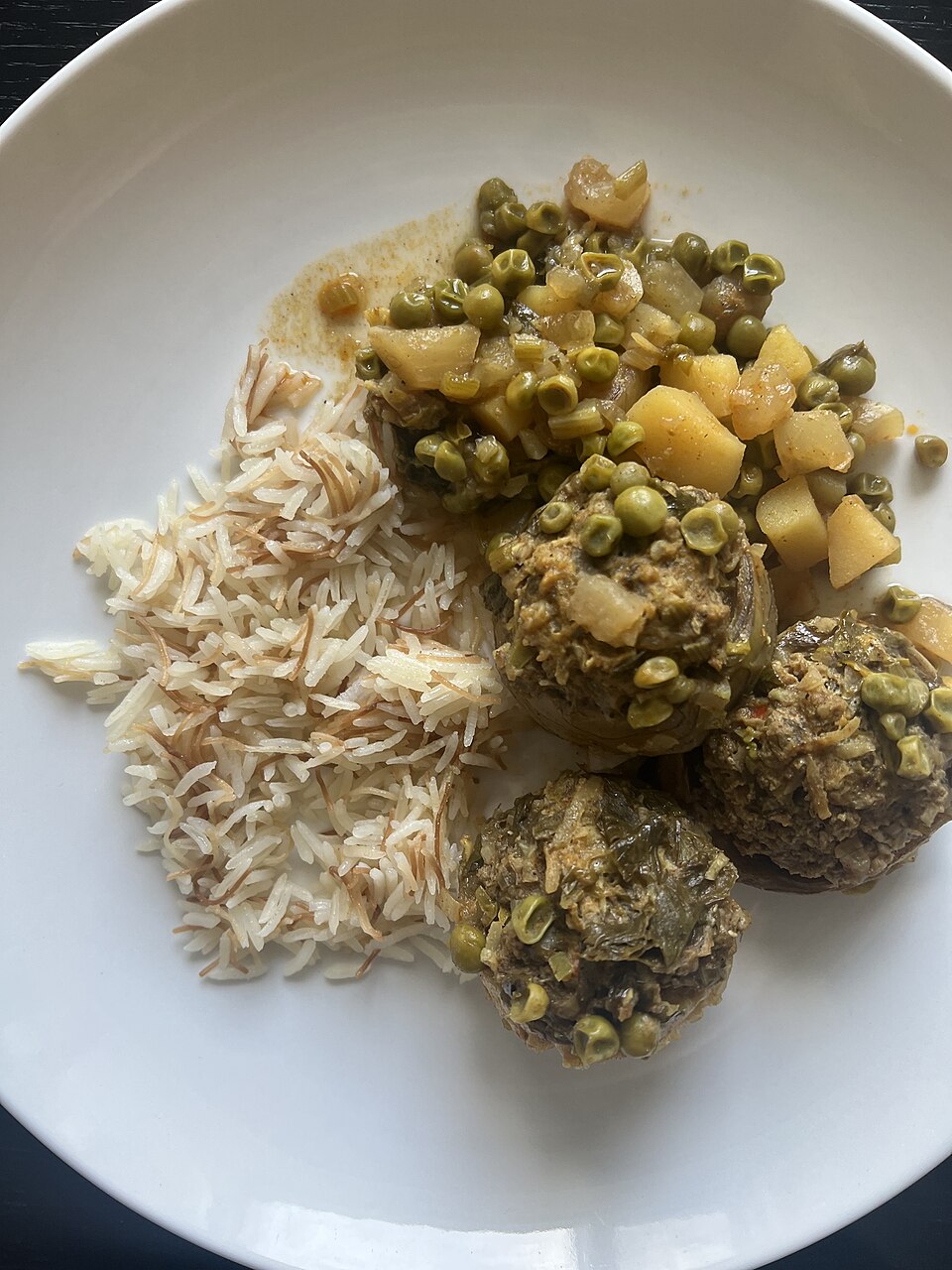
Artichokes and peas peak at the same point in spring, and cook together in olive oil with dill, spring onion and lemon. It has the flavours of lamb and artichoke fricassee with the meat left out, and stands as a vegan main course. The oil becomes the sauce, so use a good one.
Yiayia’s tip: Give the artichokes a head start. They need considerably longer than fresh peas to cook through. Add the peas only once the artichokes are nearly tender.
Make Artichokes with Peas10. Potato Fritters
Patatokeftedes · Πατατοκεφτέδες · pah-tah-toh-kef-TEH-thes
The keftedes family is a wide one, with courgette and chickpea versions and this: mashed potato bound with egg and feta, with fresh mint or dill through it. Fluffy in the middle, crisp at the edge. Twenty minutes in the fridge keeps the patties whole in the oil. Eat them hot, not reheated.
Yiayia’s tip: Boil the potatoes whole and unpeeled. This keeps them from absorbing extra water, which would otherwise make the mash too wet to shape properly.
Make Potato Fritters11. Lemon Potatoes
Patates lemonates · Πατάτες λεμονάτες · pah-TAH-tes leh-mo-NAH-tes
Not roast potatoes with lemon squeezed over. They braise first and roast second, in one tin, with nothing done in between. The liquid looks like far too much. It steams them soft, then boils away and leaves them to colour in oil and concentrated lemon. Cut it back and the middles stay hard.
Yiayia’s tip: Do not crowd the tin. Two tins are better than one overloaded one. Potatoes piled on top of each other steam and never colour, however long you give them.
Make Lemon Potatoes12. Corfu Spicy Sauteed Greens
Tsigareli · Τσιγαρέλι · tsee-gah-REH-lee
Greens with real heat, unlike horta, the plain boiled greens of the mainland. Corfu takes mixed greens, chard and spinach with wild leaves, and fries them in a lot of olive oil, with chilli and garlic. Pair a soft green with one that has more backbone. Little else goes in, so use good oil.
Yiayia’s tip: Fry hard, do not stew. This is what separates tsigareli from plain boiled horta. Keep the pan properly hot and toss constantly rather than letting the greens sit in liquid.
Make Corfu Spicy Sauteed Greens13. Oven Roasted Potatoes with Oregano
Patates riganates · Πατάτες ριγανάτες · pah-TAH-tes ree-gah-NAH-tes
The dry version of Greek roast potatoes. The better-known kind braises in lemon and stock and comes out soft and almost creamy. These get olive oil, oregano and lemon, no liquid, no basting, and come out crisp-edged like a good oven chip. More lemon and oregano go on after roasting.
Yiayia’s tip: Do not crowd the tray. Overcrowded potatoes steam rather than roast, giving a soft, pale result instead of crisp edges. Use two trays if needed.
Make Oven Roasted Potatoes with Oregano14. Boiled Vegetables with Lemon Oil
Vrasta lahanika me ladolemono · Βραστά λαχανικά με λαδολέμονο · vrah-STAH lah-hah-nee-KAH meh lah-thoh-LEH-moh-noh
As plain as Greek home cooking gets. Whatever vegetables are in season, potato, carrot, courgette, greens, are boiled soft and given ladolemono, a sauce of lemon and olive oil. It is what gets cooked after an illness in the house, or after a run of rich dinners. Be generous with the dressing.
Yiayia’s tip: Boil in stages. Potato and carrot take considerably longer than courgette or green beans. Adding them at different times means everything finishes tender together.
Make Boiled Vegetables with Lemon Oil15. Anatolian-Style Bulgur Pilaf
Pilafi me pligouri · Πιλάφι με πλιγούρι · pee-LAH-fee meh plee-GOO-ree
Cracked, parboiled wheat was a staple of Asia Minor and Anatolia, and it reached Greek kitchens with the refugees who resettled after 1922. Cooked as a pilaf in stock with a little tomato, it is ready sooner than rice, with a coarser and nuttier bite. Let it rest before fluffing, or it turns mushy.
Yiayia’s tip: Toast the bulgur before adding liquid. This deepens its flavour, the same principle behind any good pilaf, rice or otherwise.
Make Anatolian-Style Bulgur Pilaf16. Plain Greek Rice Pilaf
Rizi pilafi · Ρύζι πιλάφι · REE-zee pee-LAH-fee
Medium grain rice, butter and stock, with no vegetables and no meat through it. This is the plain base that richer rice dishes are built on, gamopilafo, the wedding rice of Crete, among them. Leave the lid alone while it simmers, and rest it before fluffing or it turns gluey.
Yiayia’s tip: Do not skip the toasting step. It genuinely deepens the flavour and is the single biggest difference between a good pilaf and plain boiled rice.
Make Plain Greek Rice Pilaf17. Zucchini Shoots and Tendrils
Kolokithokorfades · Κολοκυθοκορφάδες · koh-loh-kee-thoh-kor-FAH-thes
Not the courgette but the plant it grows on. The tips of the vine, its leaves, tendrils and curling shoots, are boiled briefly and dressed with olive oil and lemon, the way horta is. This is village garden cooking, a use for what most people throw away. The flavour is mild and faintly grassy.
Yiayia’s tip: Use only the youngest growth. Older, larger leaves and thicker vine sections are too fibrous to enjoy this way. Stick to the soft, curling tips and tendrils.
Make Zucchini Shoots and Tendrils18. Cypriot Wine and Coriander Potatoes
Patates antinaktes · Πατάτες αντινακτές · pah-TAH-tes ahn-tee-nahk-TES
Named for the shaking of the pot that tosses the potatoes. Coriander seed and red wine run through much of Cypriot cooking, and here they finish small potatoes, cracked and fried whole in olive oil. The wine goes in last, off the heat, where it hisses and steams instead of boiling away.
Yiayia’s tip: Crack, do not slice. Splitting the potatoes open gives a rough, broken surface for the wine and coriander to soak into. A clean cut face simply seals over and takes on far less flavour.
Make Cypriot Wine and Coriander Potatoes19. Cypriot Bulgur Wheat Pilaf
Pourgouri pilafi · Πουργούρι πιλάφι · poor-GHOO-ree pee-LAH-fee
The default starch in Cyprus, next to almost anything off the grill. Coarse bulgur cooks with crushed vermicelli browned in the oil first, which gives a nutty depth, and tomato cooked until it darkens. Whole cinnamon bark and cloves give it a warmth mainland pilafs do not have, and are lifted out at the end.
Yiayia’s tip: Use the same cup for everything. Cypriot cooks measure bulgur and liquid with one mug rather than scales, which is why the two-to-one ratio never goes wrong. Do the same and it will not go wrong for you either.
Make Cypriot Bulgur Wheat Pilaf

Get one proper Greek recipe a week
No round-ups, no filler, no fifteen-ingredient shortcuts. One dish, written out in full, with the reasoning included.
One email a week. Unsubscribe from any of them.