Greek Meze and Appetisers · The Mainland · Fried · Mezedes and Ouzo
Greek Keftedes Recipe (Fried Meatballs with Mint and Oregano)
Κεφτέδες kef-TEH-des · Keftedes
In short
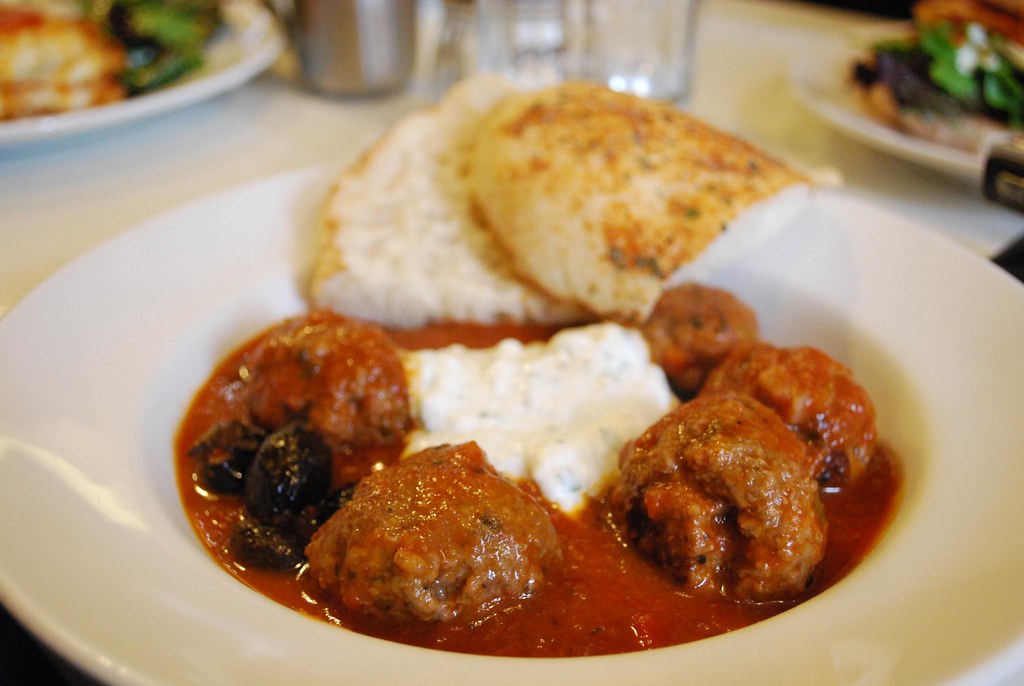
Keftedes are Greek fried meatballs made from minced beef or lamb bound with bread soaked in water rather than breadcrumbs, seasoned with grated onion, mint and oregano. The mixture is rested in the fridge before shaping so the flavours settle and the meatballs hold together.
Keftedes
- Prep
- 25m
- Cook
- 20m
- Total
- 45m
- Serves
- 6
- Level
- Beginner
Ingredients
Ingredients
Tick ingredients off as you go. Quantities rescale with the buttons above.
Method
- 01Soak the bread in a bowl of cold water for 2 minutes, then squeeze it out firmly with your hands until damp rather than wet. Crumble it into a large bowl.
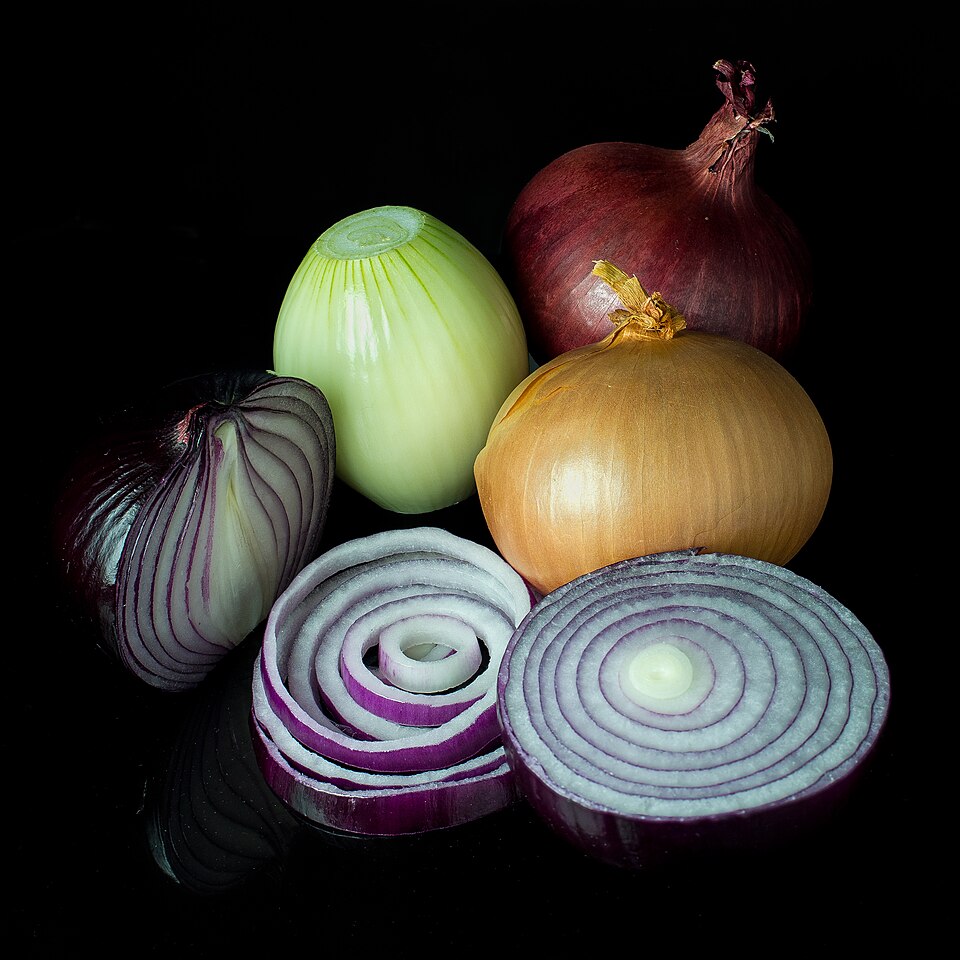
- 02Grate the onion finely, tip it into a sieve and press out the juice. Add the drained onion to the bowl.
Onion - 03Add the mince, garlic, egg, fresh and dried mint, oregano, parsley and vinegar. Season generously with salt and pepper.
- 04Mix with your hands until just combined. Do not knead it or work it beyond that point.
- 05Cover and refrigerate for at least 1 hour, ideally 2.
- 06Shape into balls slightly smaller than a walnut, rolling between wet palms so the mixture does not stick.Wet your hands to shape.Yiayia
- 07Roll each lightly in plain flour and tap off the excess.
Flour - 08Heat 1 cm of olive oil in a wide frying pan over medium heat. Fry in batches, without crowding, for 4 to 5 minutes, turning, until deep brown all over and cooked through.
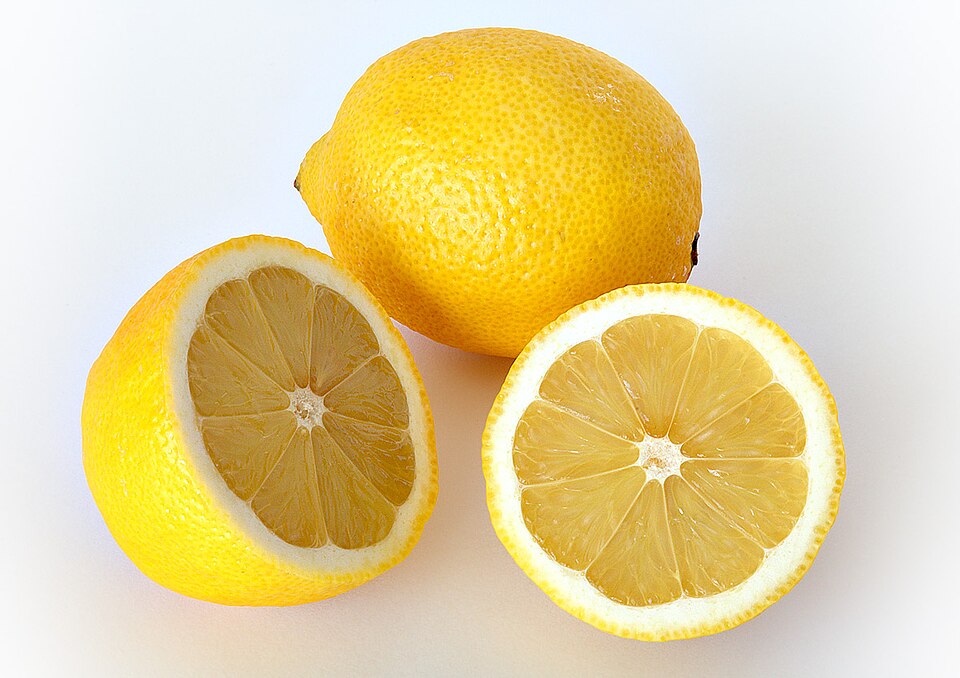
- 09Drain on kitchen paper and serve warm or at room temperature with lemon wedges.
Lemon
Nutrition, per about 5 meatballs
- Calories
- 342
- Protein
- 26 g
- Carbs
- 12 g
- Fat
- 21 g
- Sat fat
- 6 g
- Fibre
- 1 g
These figures are calculated estimates based on the ingredients listed, not laboratory analysis. Actual values vary with brands, cuts and portion size.
Greek meatballs are lighter than most, and the reason is the bread. Not breadcrumbs, which absorb moisture and tighten the mixture, but stale bread soaked in water and squeezed out, which does the opposite: it holds water inside the meatball and keeps it soft.
The other defining thing is mint. Greek keftedes taste of mint and oregano rather than of garlic and parsley, which is what separates them from Italian polpette, and dried mint alongside fresh gives a depth that fresh alone does not.
They are meze more often than a main course, eaten warm or at room temperature with lemon squeezed over, and they are very good cold the next day straight from the fridge.
Key preparation steps
- Soak stale bread in water, then squeeze it out hard.
- Grate the onion rather than chopping it, and drain the juice.
- Mix by hand, briefly, then rest the mixture for an hour.
- Flour lightly and fry in batches over a steady medium heat.
Soaked bread or breadcrumbs?
Soaked bread, and it makes a real difference. Take stale bread, crusts off, soak it in water for a couple of minutes, then squeeze it out until it is damp rather than wet and crumble it into the mince.
Dry breadcrumbs pull moisture out of the meat as they hydrate during cooking, which is why breadcrumb-bound meatballs are often firm and slightly dry. Pre-soaked bread arrives already saturated and gives that water back up as steam, keeping the inside soft.
Milk instead of water is common and gives a slightly richer result. Water is more traditional in Greece and keeps the dish dairy-free.
Why grate the onion?
Chopped onion stays in distinct pieces, creates weak points in the meatball where it breaks apart, and does not distribute its flavour evenly. Grated onion disappears into the mixture entirely.
Grate it on the fine side of a box grater, then put it in a sieve and press out the juice. That juice is mostly water and leaving it in makes the mixture too wet to shape.
Some cooks use the juice in the mixture and add a little more bread to compensate. Either works, but do not simply tip in wet grated onion and hope.
Why rest the mixture?
An hour in the fridge, minimum, and two is better. Three things happen: the salt draws out proteins that help the meatballs bind, the bread finishes distributing, and the mixture firms up so it shapes cleanly.
Meatballs made from a mixture straight off the mixing bowl are noticeably more likely to break up in the pan.
Do not overwork the mixture when you make it. Mix with your hands until just combined and stop. Over-kneaded mince goes dense and springy, closer to a sausage than a meatball.
Flouring and frying
A light dusting of plain flour, tapped off well, and nothing else. No egg wash, no breadcrumb coating. The flour gives a thin crust that browns quickly and helps them hold together.
Fry in shallow oil over a medium heat, not a fierce one. Too hot and the outside burns before the middle is done; too cool and they absorb oil. Give them four or five minutes, turning, until deep brown all over.
Do not crowd the pan and do not move them for the first ninety seconds, so a crust forms and they release cleanly.
What matters in this dish
Wet your hands to shape
Damp palms stop the mixture sticking and give a smoother surface that browns more evenly.
Fry one first
Cook a single meatball, taste it, and adjust the salt and mint in the rest of the mixture. It is the only way to season minced meat accurately.
They can be baked
220C for 20 minutes on an oiled tray works if you would rather not fry, though you lose the crust. Turn them halfway.
Questions people ask about Keftedes
Why do my keftedes fall apart?
The mixture was too wet, was not rested, or the pan was not hot enough when they went in. Drain the grated onion, chill the mixture for an hour, and leave the meatballs undisturbed for the first ninety seconds in the pan.
Can you freeze keftedes?
Yes, either raw and shaped or cooked. Freeze on a tray first so they do not stick together, then bag them. Cook from frozen with a few extra minutes, or reheat cooked ones in a hot oven.
What is the difference between keftedes and soutzoukakia?
Keftedes are round, fried and served dry with lemon. Soutzoukakia are oval, spiced with cumin and garlic, and simmered in a tomato sauce. Different dishes with a shared ancestry.
Do Greek meatballs have mint in them?
Yes, and it is the defining seasoning. Mint and oregano rather than the garlic and parsley of Italian meatballs, usually with both fresh and dried mint.