Course
19 Greek Drinks
Frappe, mountain tea, Greek coffee brewed in a briki, and the warm spiced wine that appears the moment the weather turns.
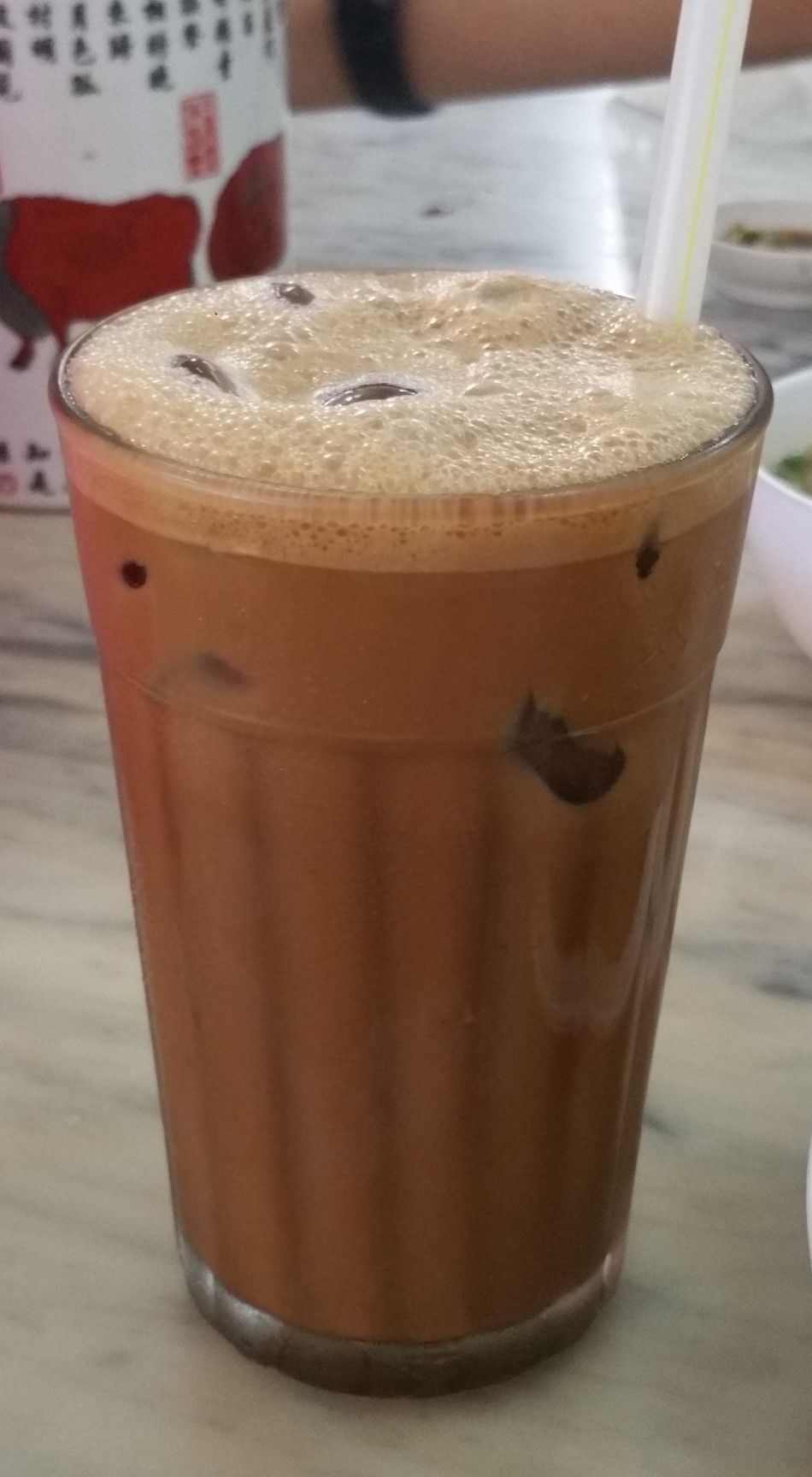
Greece runs on coffee. Frappe is instant coffee whipped to a thick foam and topped with cold water and ice, invented by accident in 1957. Iced espresso is the coffee shop order that overtook it. Greek coffee itself is brewed slowly in a briki, and the foam on top is how you tell a good cup from a bad one.
In cold weather it is herbs and warm spirits: mountain tea, sage tea, and Cretan raki warmed with honey, cinnamon and clove.
The serving guides cover ouzo, tsipouro, retsina, Metaxa, mastiha and kitro. They are not recipes. They say how each one is served.
Every recipe on Kalliopi's Kitchen carries the dish's Greek name and a pronunciation, its region where that is meaningful, ingredient quantities in both metric and imperial, and an honest note on what commonly goes wrong. Nutrition figures are calculated estimates and are labelled as such.
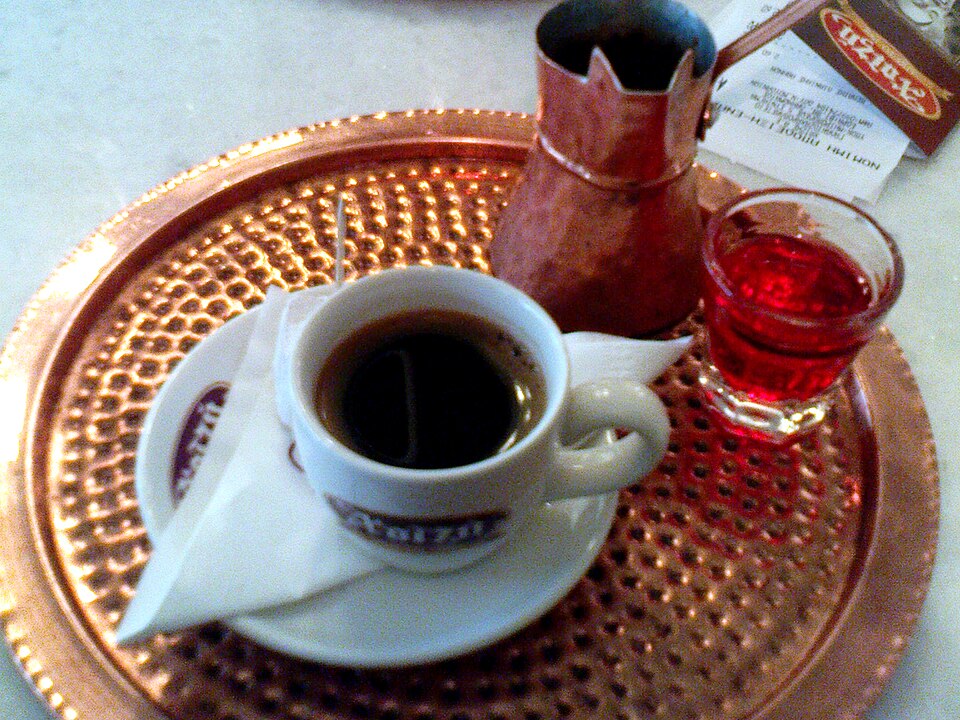
1. How to Make Greek Coffee in a Briki
Ellinikos kafes · Ελληνικός καφές · eh-lee-nee-KOS kah-FES
Neither espresso nor filter. The grounds are cooked in the water, poured into the cup with it and left to settle at the bottom. The one skill is not letting it boil, because boiling kills the kaimaki, the dense foam on top. Sugar goes in with the water, since stirring later lifts the grounds.
Yiayia’s tip: Match the briki to the quantity. A briki should be roughly two thirds full for the foam to build properly. Making one cup in a large briki gives you almost no kaimaki.
Make How to Make Greek Coffee in a Briki2. Warm Raki with Honey and Spices
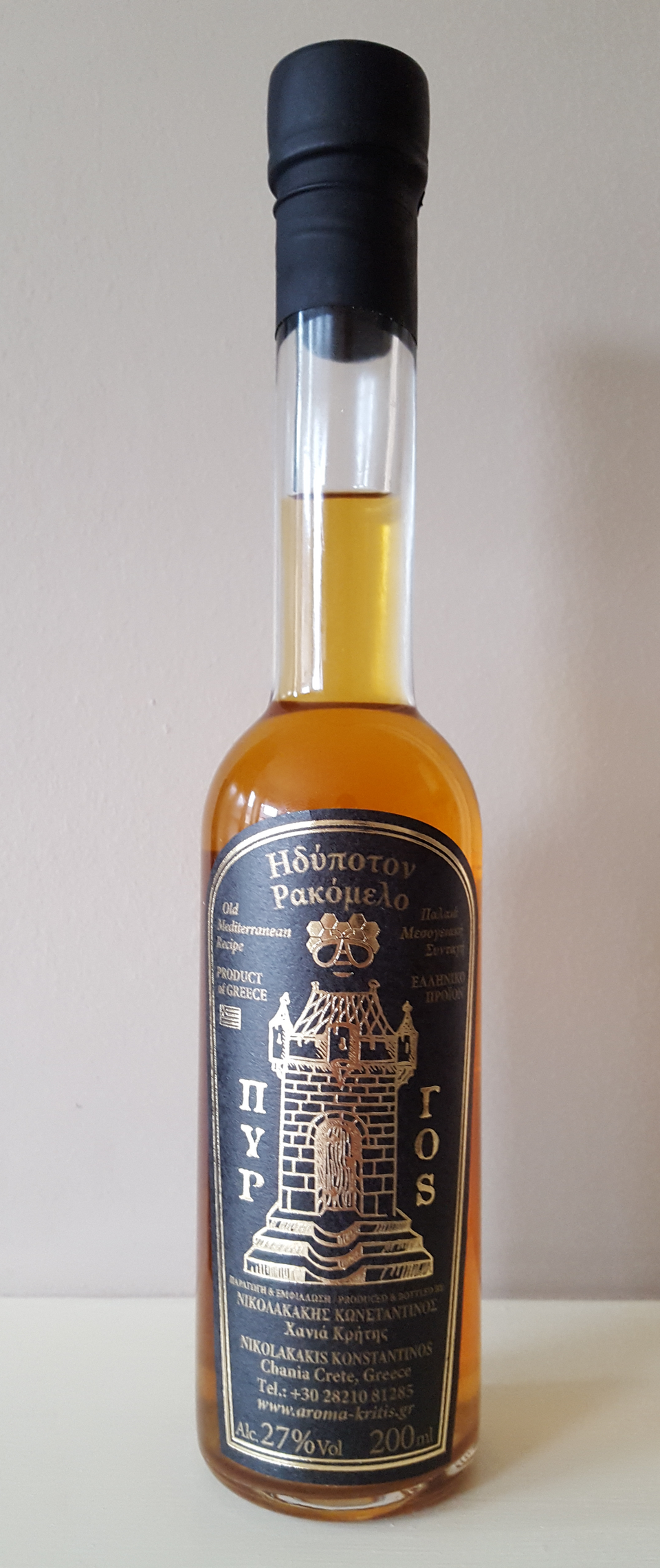
Rakomelo · Ρακόμελο · rah-KOH-meh-loh
Crete's raki is a clear spirit distilled from the skins, stems and seeds left after the grapes are pressed. Warmed with cinnamon, clove and honey it turns into a winter drink, taken slowly in small cups. Households turn to it when a cold or sore throat is starting. Use plain raki, never an aniseed one.
Yiayia’s tip: Never let it boil. Boiling drives off the alcohol along with much of the aroma. Keep the heat low throughout.
Make Warm Raki with Honey and Spices3. Frappe
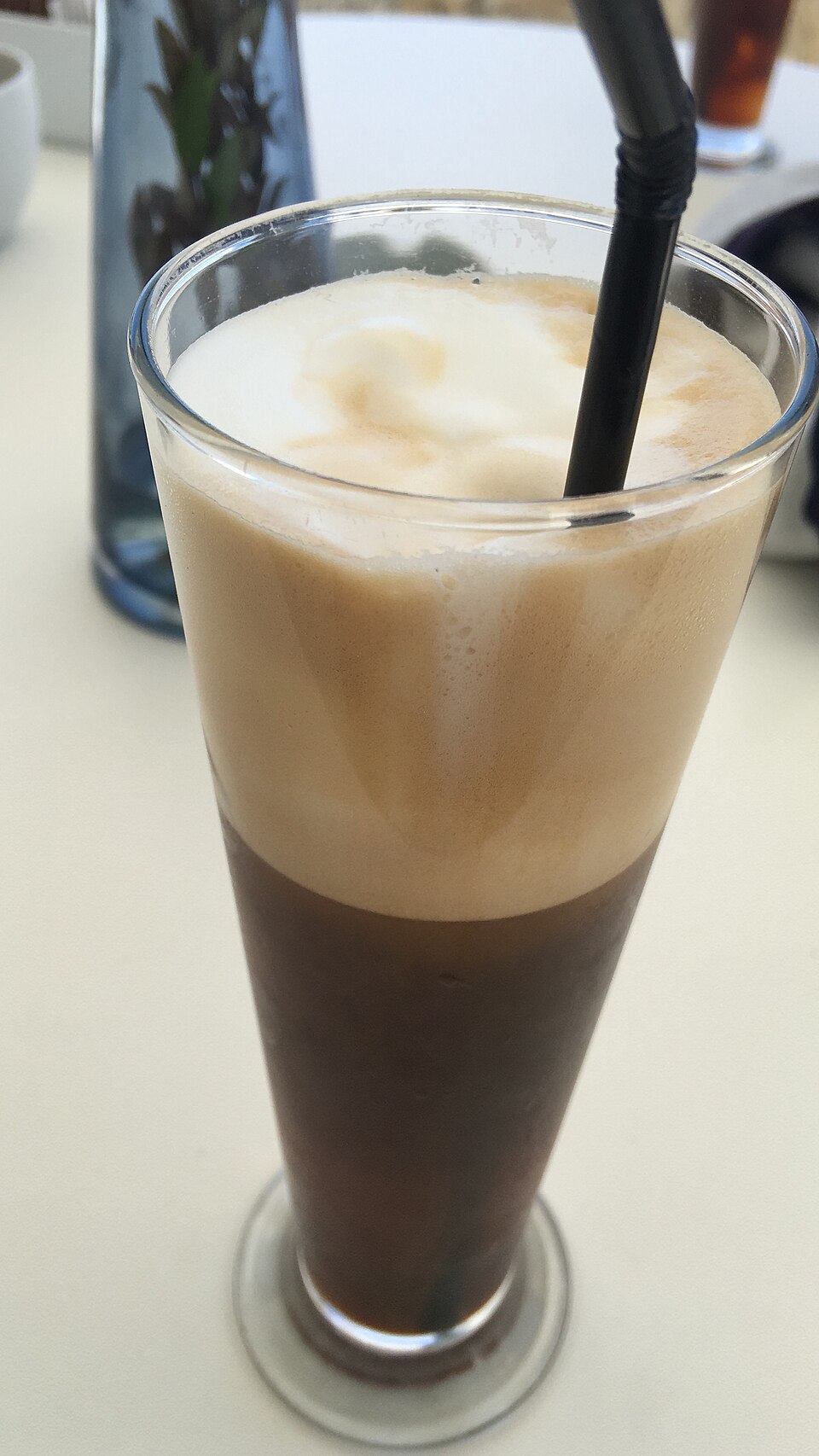
Frape · Φραπέ · frah-PEH
An accident. At the Thessaloniki International Fair of 1957 a Nescafe employee could not find hot water for his coffee and shook it with cold water instead. It has been the default cafe order through spring and summer ever since, with its own vocabulary: sketo for no sugar, metrio for medium, gliko for sweet.
Yiayia’s tip: Only instant coffee whips into foam. Conventionally brewed coffee will not produce the thick foam that defines a proper frappe. Instant is essential, not a compromise.
Make Frappe4. Iced Espresso
Frendo espreso · Φρέντο εσπρέσο · FREH-doh es-PREH-soh
The coffee that pushed frappe aside in Greece over the last twenty years. The difference is the coffee: real espresso, not instant, shaken hard with ice for fifteen to twenty seconds until it throws a thick, pale foam, then strained over fresh ice. It needs an espresso machine, or a moka pot pushed hard.
Yiayia’s tip: Let the espresso cool slightly before shaking. Shaking it while too hot melts the shaking ice too fast, over-diluting the finished drink.
Make Iced Espresso5. Iced Cappuccino
Frendo kapoutsino · Φρέντο καπουτσίνο · FREH-doh kah-poo-TSEE-noh
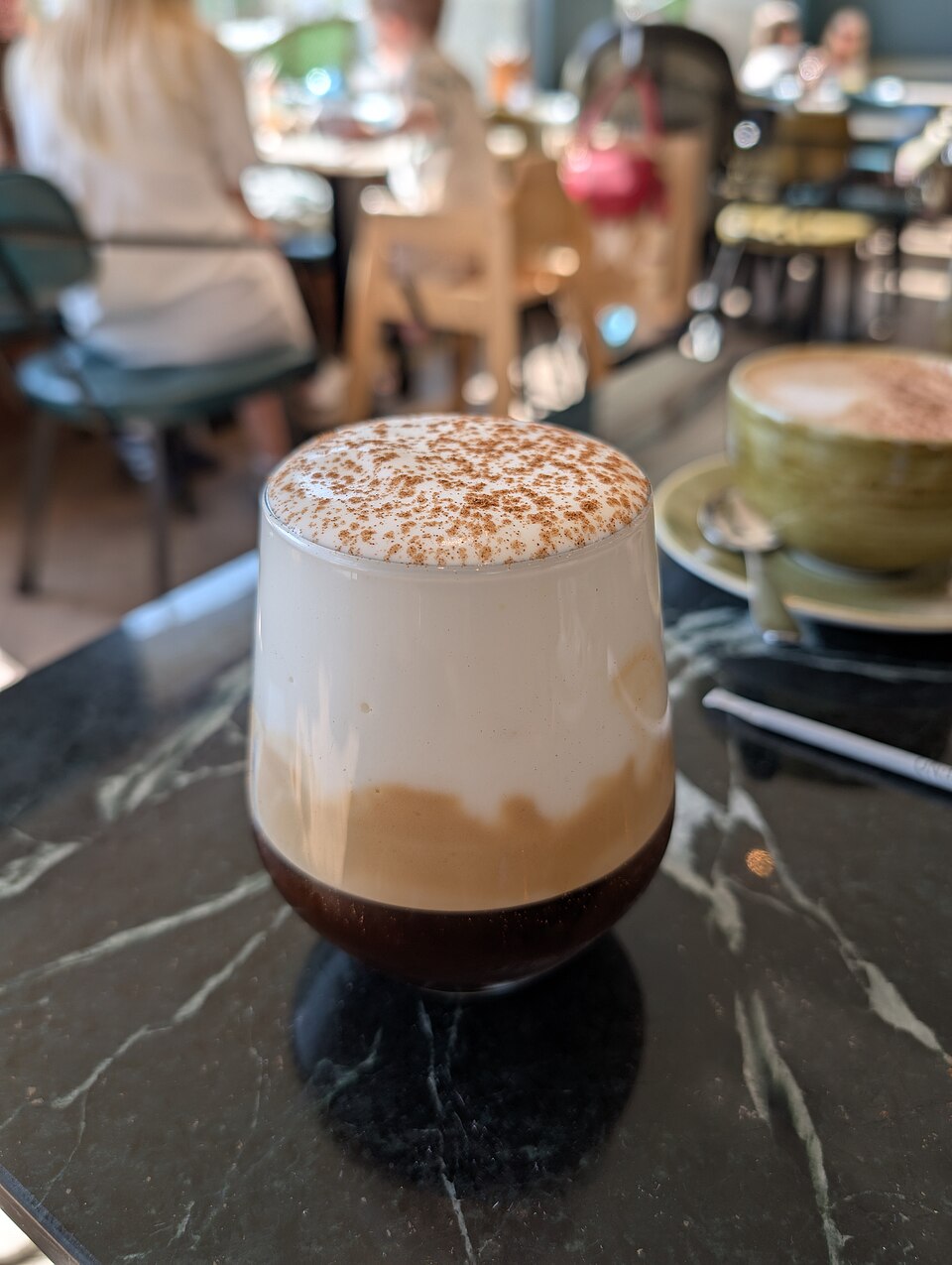
The creamier of the two iced coffees Greeks order by default. The base is the same shaken espresso as a freddo espresso. On top goes cold milk frothed to a real foam, never liquid milk, because the drink is about the layers. A small frother helps, though a sealed jar shaken hard will do.
Yiayia’s tip: Use whole milk, not skimmed. It froths into a noticeably thicker, more stable foam than a lower-fat milk.
Make Iced Cappuccino6. Mountain Tea
Tsai tou vounou · Τσάι του βουνού · TSAH-ee too voo-NOO
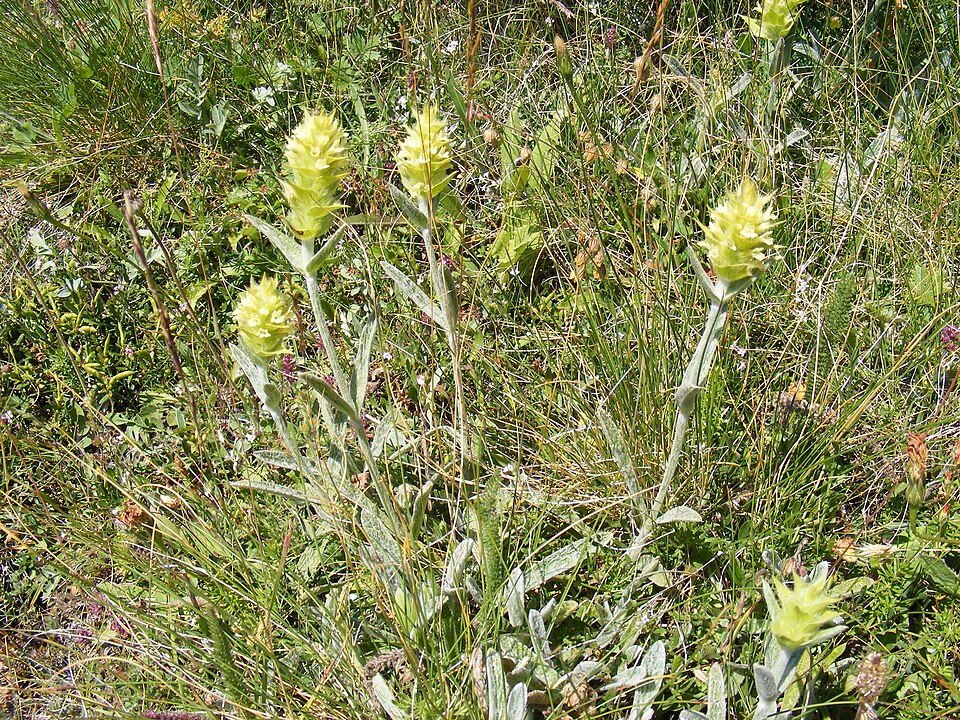
Dried sideritis, a silver-grey wild plant gathered by hand from the high, rocky parts of Epirus and Crete. The tea is mild, faintly floral and has no caffeine in it. Greeks drink it through the cold months, and it has a long history as a home remedy.
Yiayia’s tip: Use water just off the boil, not at a rolling boil. Very vigorously boiling water can scorch the delicate dried plant material and give a harsher flavour.
Make Mountain Tea7. Fresh Orange Drink
Portokalada · Πορτοκαλάδα · por-toh-kah-LAH-thah
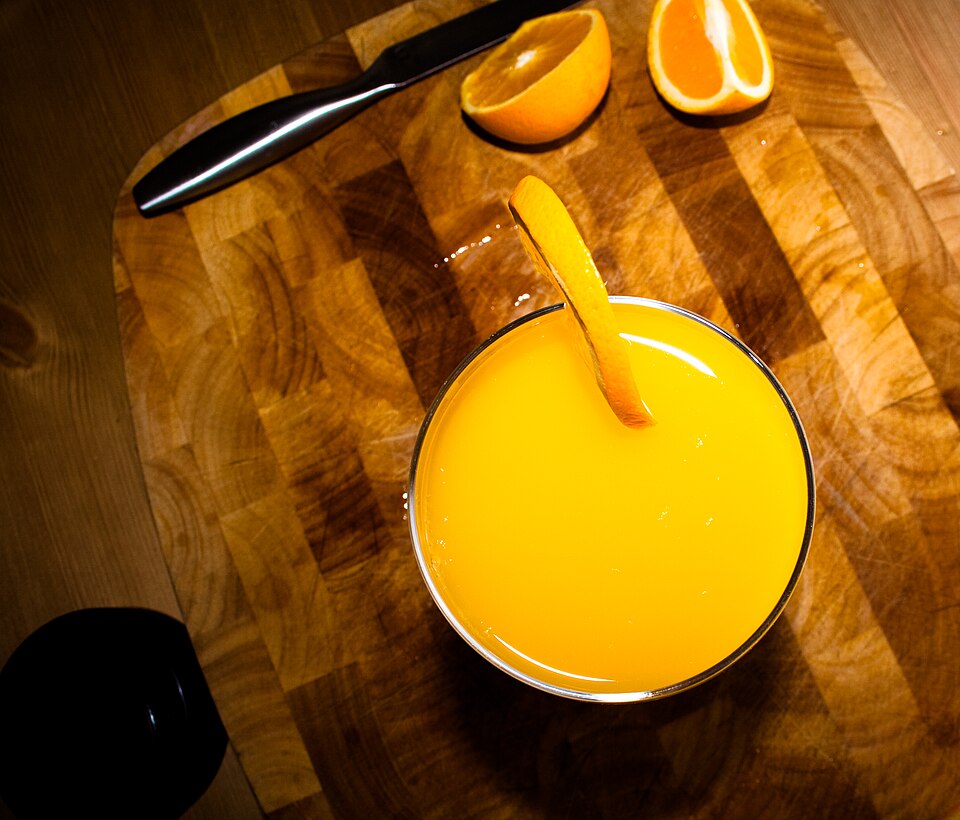
The Peloponnese grows some of the best oranges in Greece, and this is the plainest use for them: squeezed, let down with cold water or soda, poured over ice. No cooking, no syrup. Greek households make it by taste, without measuring, because every batch of oranges is different. Make it close to drinking.
Yiayia’s tip: Taste before sweetening. Genuinely good, ripe oranges often need no added sugar at all. Add it gradually, and only if the juice tastes sharp.
Make Fresh Orange Drink8. Retsina Serving Guide
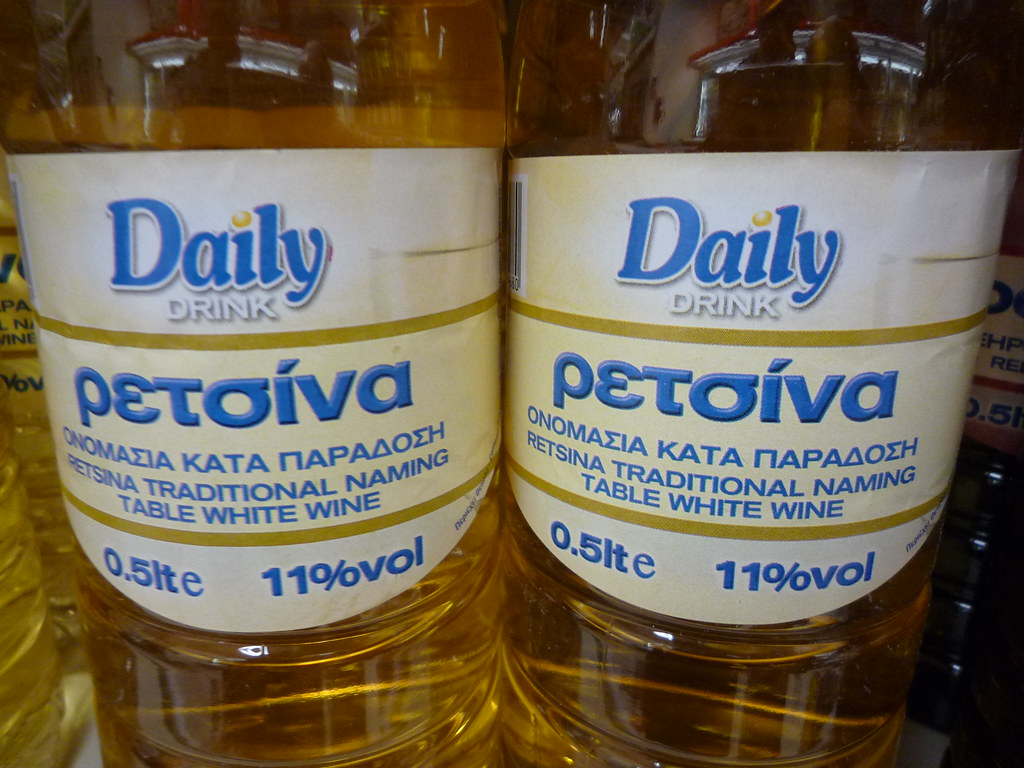
Retsina · Ρετσίνα · reh-TSEE-nah
White wine flavoured on purpose with pine resin. The taste goes back to resin-sealed clay amphorae, and Greek winemakers kept it after better seals arrived. It divides people, and it should be judged with food, not alone: the sharp edge is made for salty, oily meze and seafood. Drink it young.
Yiayia’s tip: Serve it properly cold. Colder than a standard white wine. This tempers the resin's sharpness and makes it genuinely refreshing.
Make Retsina Serving Guide9. Limonada
Λεμονάδα · lee-moh-NAH-thah
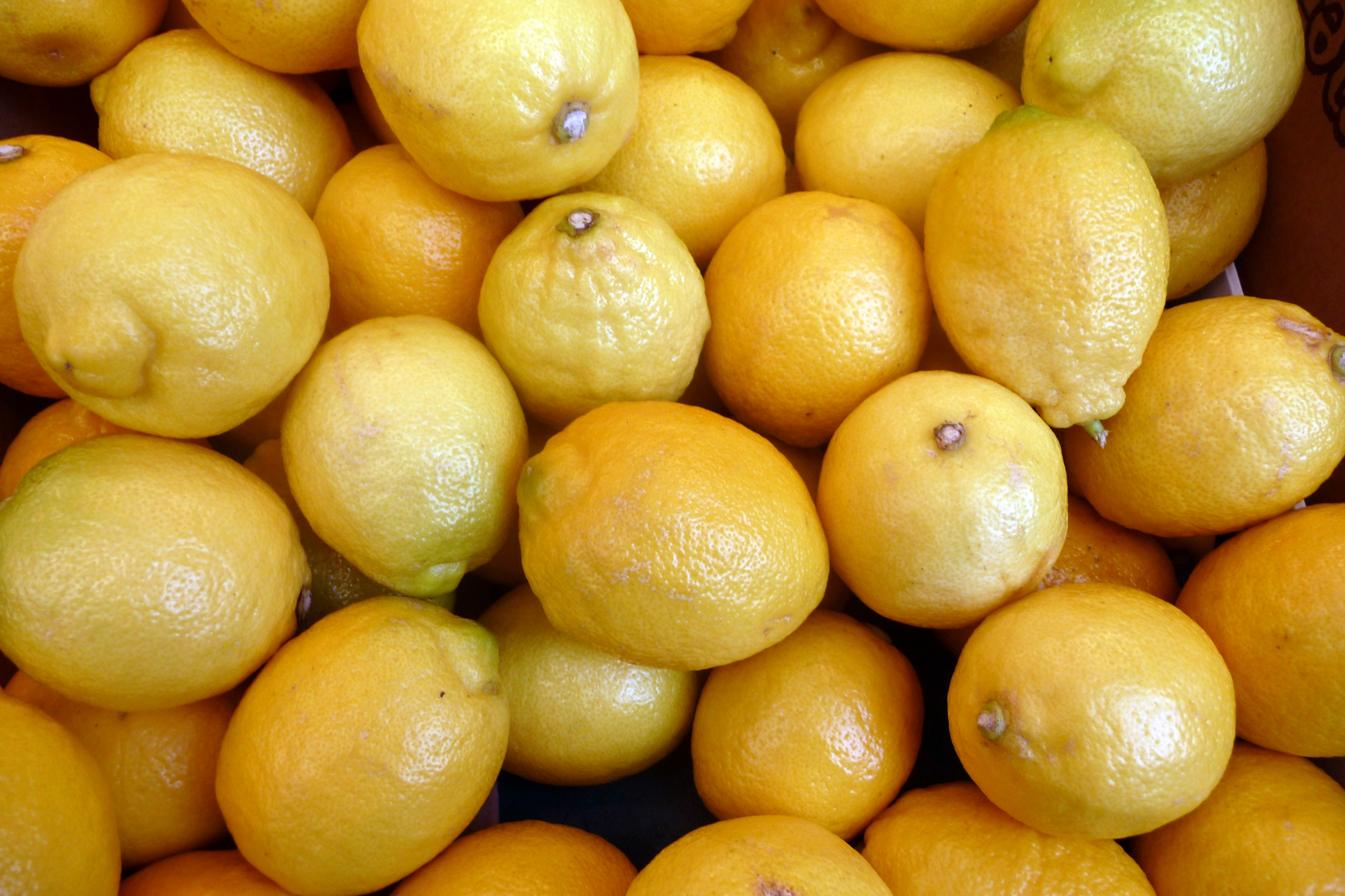
The sharper relative of portokalada, made the same way with lemons: fresh juice, sweetening, cold water and plenty of ice. Good oranges can go without sugar, but lemons cannot, because the juice is far more acidic. They vary in sharpness, so add the water gradually and taste. Bruised mint leaves often go in too.
Yiayia’s tip: Make a proper syrup. Dissolving the sugar in warm water first is what lets it mix in evenly, rather than settling undissolved in cold lemon juice.
Make Limonada10. Tsipouro Serving Guide
Tsipouro · Τσίπουρο · TSEE-poo-roh
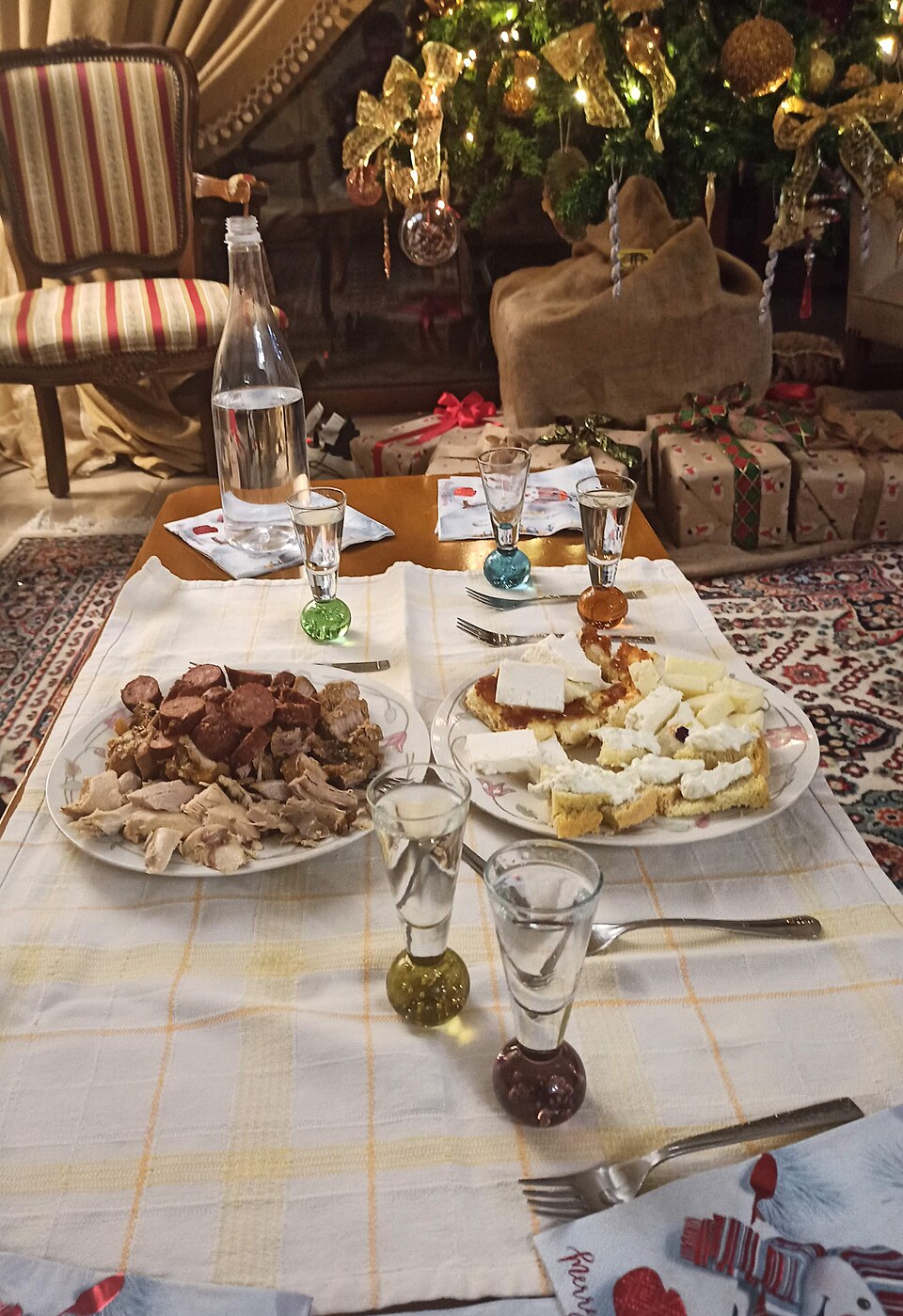
A strong, clear spirit made from what winemaking leaves behind: the skins, stems and seeds after pressing. It is the mainland's counterpart to Crete's tsikoudia. Unlike ouzo it takes no water, only ice or nothing at all, and tastes fuller and earthier for it. Some, from Tyrnavos especially, carry anise and come closer to ouzo.
Yiayia’s tip: Serve with real food, not alone. Tsipouro is genuinely built to be drunk alongside a spread of small mezedes, particularly in Thessaly and Epirus, where the two are considered inseparable.
Make Tsipouro Serving Guide11. Ouzo Serving Guide
Ouzo · Ούζο · OO-zoh
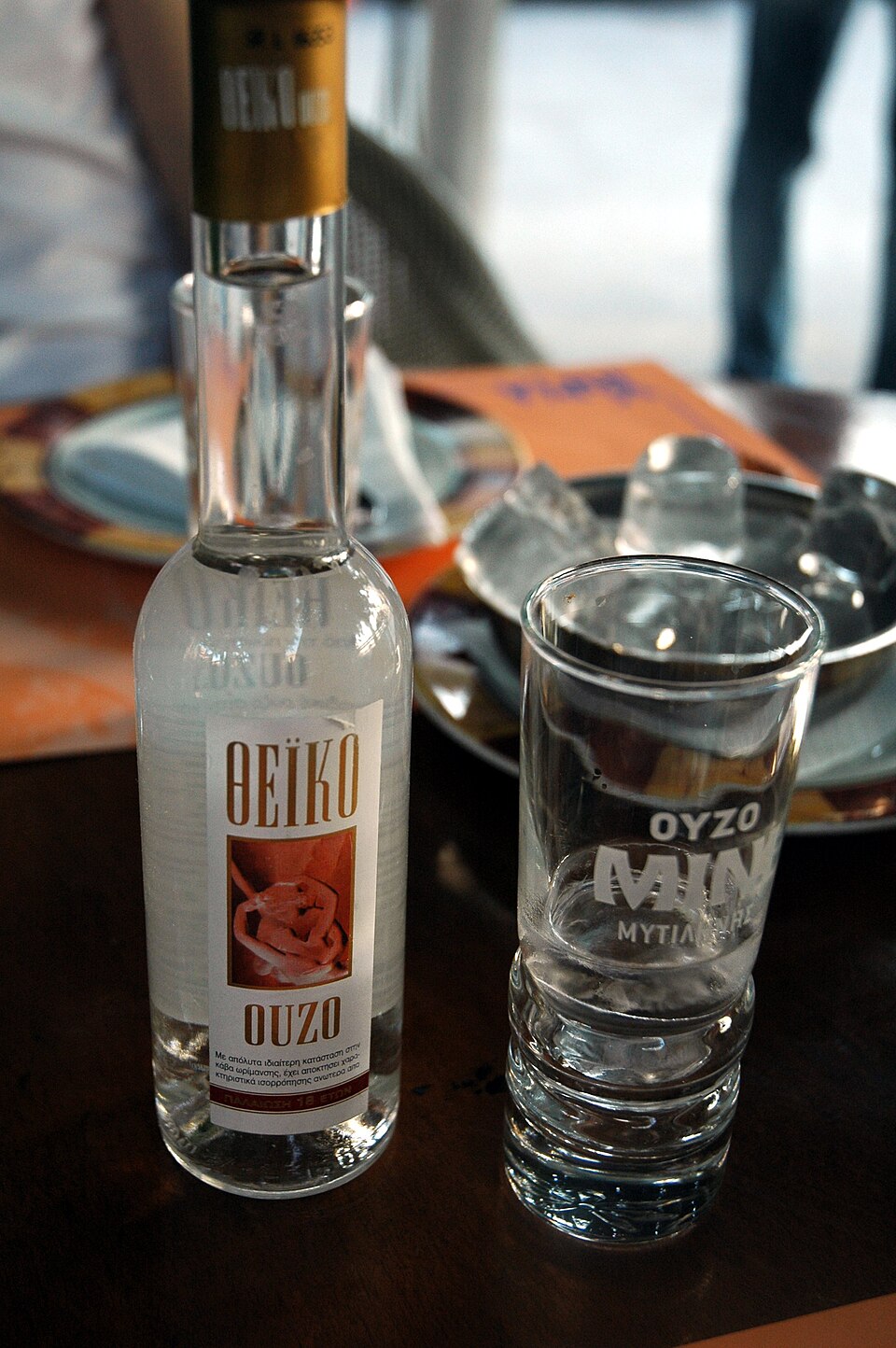
Outside Greece it is too often thrown back as a shot, which is wrong. Cold water goes in and the glass turns milky white, because anethole, the compound that gives anise its flavour, dissolves in alcohol but not in water. The clouding softens the spirit and releases the aroma. Sip it slowly, with mezedes.
Yiayia’s tip: Add water before ice. Pouring ouzo directly over ice first can cause the anethole to crystallise unpleasantly rather than staying properly suspended in the liquid.
Make Ouzo Serving Guide12. Sage Tea
Tsai faskomilo · Τσάι φασκόμηλο · TSAH-ee fahs-KOH-mee-loh
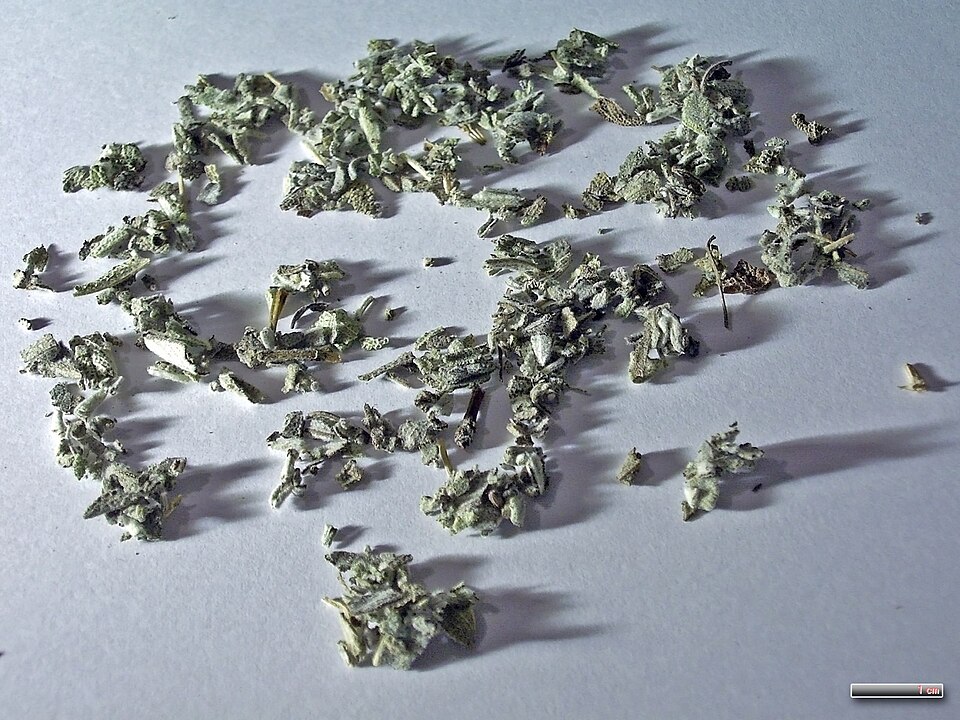
Greek sage grows wild across Crete and the islands. Its tea is a stronger thing than mountain tea, pungent and savoury where that one is floral, and it is a traditional home remedy for a sore throat. Thirteen minutes, most of them spent waiting.
Yiayia’s tip: Do not oversteep. Beyond about ten minutes, the tea can develop a bitter, overly medicinal edge it does not need.
Make Sage Tea13. Metaxa Serving Guide
Metaxa · Μεταξά · meh-tak-SAH
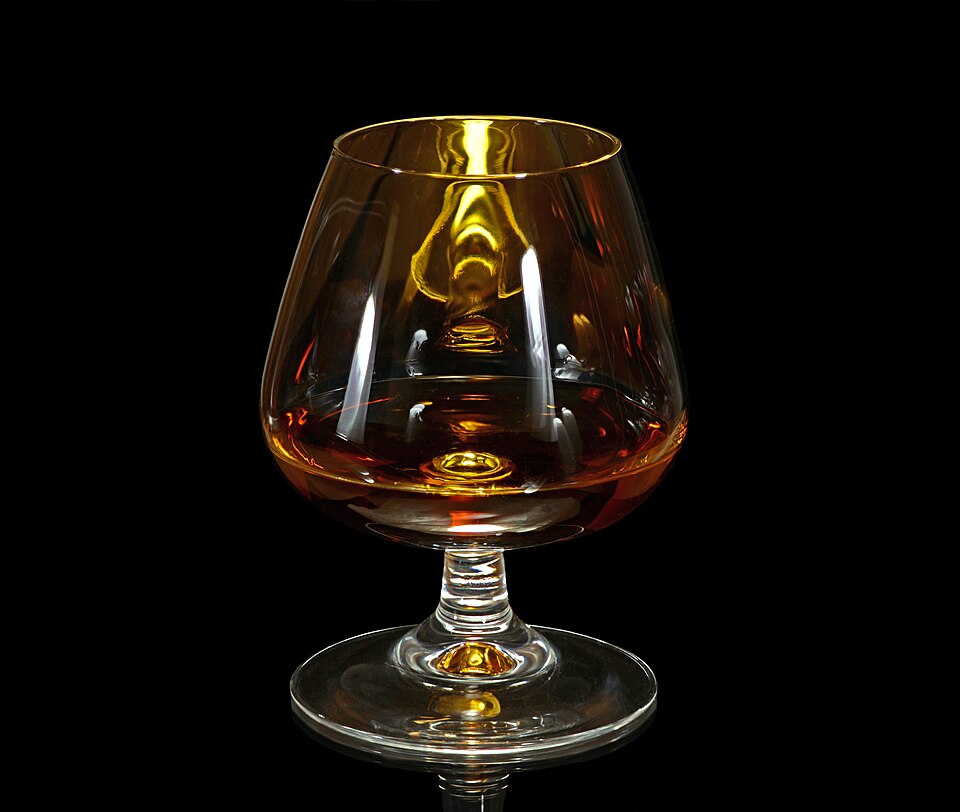
Cognac is distilled from grapes alone. Metaxa is not: it blends aged grape brandy with Muscat wine and its own mix of botanicals, which makes it sweeter and more aromatic. The stars on the label mark the age, three being the youngest. Try it after dinner with dark chocolate.
Yiayia’s tip: Match the serving style to the grade. Younger Metaxa suits ice well; older, more refined grades are better appreciated neat, warmed gently in the glass.
Make Metaxa Serving Guide14. Mastiha Liqueur Serving Guide
Mastiha · Μαστίχα · mah-STEE-hah
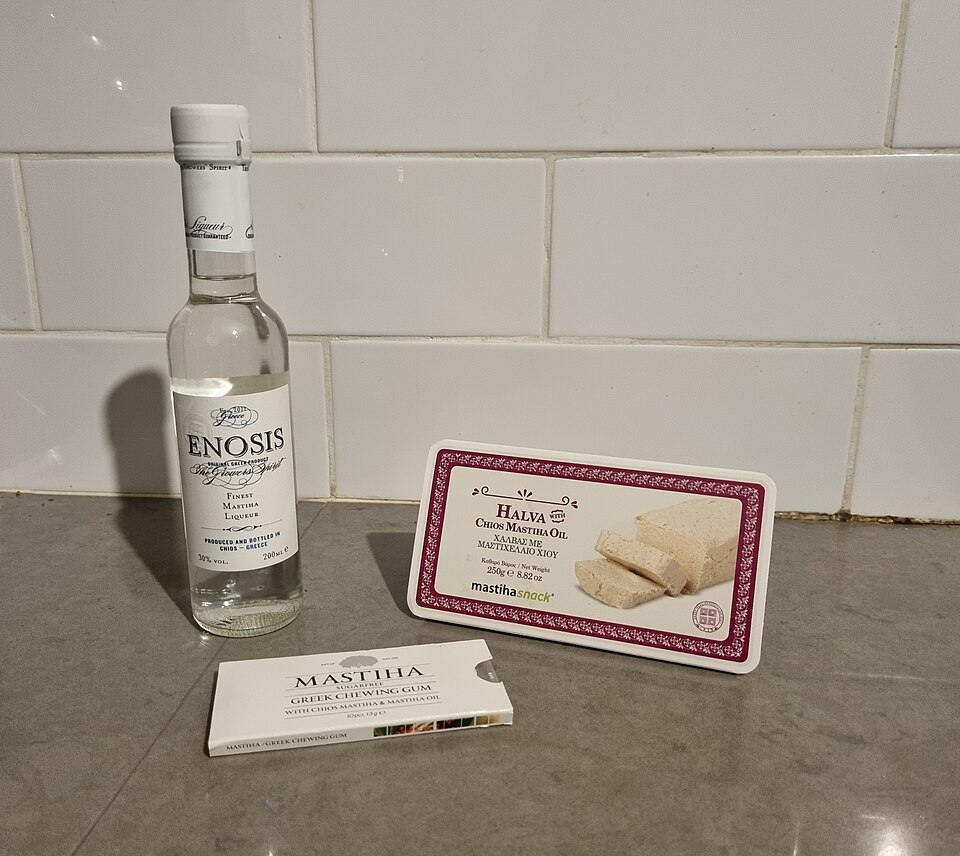
The flavour comes from mastic, a resin gathered by hand in small hardened tears from trees that grow only on Chios. For centuries the island held close to a monopoly on it. The liqueur is sweet, faintly piney and resinous, nothing like ouzo's anise, and takes no water. It is a digestif, poured small.
Yiayia’s tip: Keep it properly cold. Mastiha is genuinely best served very chilled, unlike some spirits that are fine at room temperature.
Make Mastiha Liqueur Serving Guide15. Kitro Liker Serving Guide
Kitro · Κίτρο · KEE-troh
Naxos makes this and nowhere else does. It is distilled from citron leaves, not the fruit, so the fragrance is fresh and citrusy but unlike any lemon liqueur. Three versions exist: clear is the driest, yellow sits in the middle, green is the sweetest. It is a digestif, sipped very cold and never over ice.
Yiayia’s tip: Try all three versions if you can. Comparing the clear, yellow and green versions side by side is the traditional way to appreciate the full range of sweetness this liqueur offers.
Make Kitro Liker Serving Guide16. Patras Cinnamon and Clove Liqueur
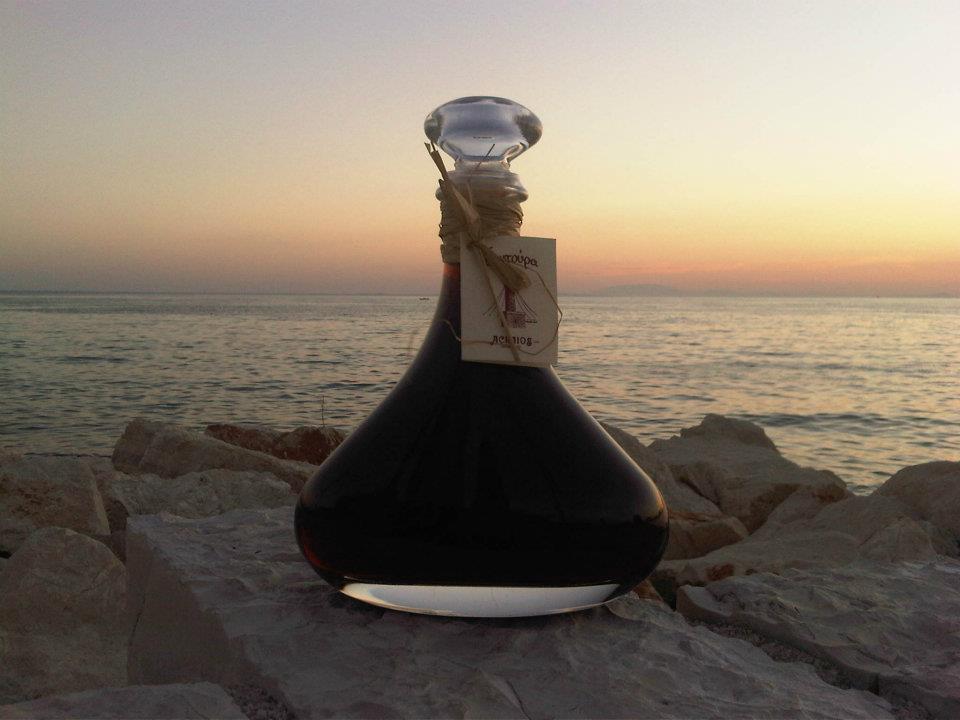
Tentoura · Τεντούρα · ten-DOO-rah
Patras has made this for centuries. Cinnamon, cloves, nutmeg and citrus peel sit in spirit for three to four weeks, then a caramel syrup goes in, which is where the dark colour comes from. Nothing is distilled, so it can honestly be made at home. Serve it very cold, in small glasses.
Yiayia’s tip: Peel the citrus with no pith. Use a vegetable peeler and take only the coloured layer. Pith is where the bitterness lives, and over four weeks in spirit it will find its way into the finished bottle.
Make Patras Cinnamon and Clove Liqueur17. Cypriot Salted Yogurt Drink
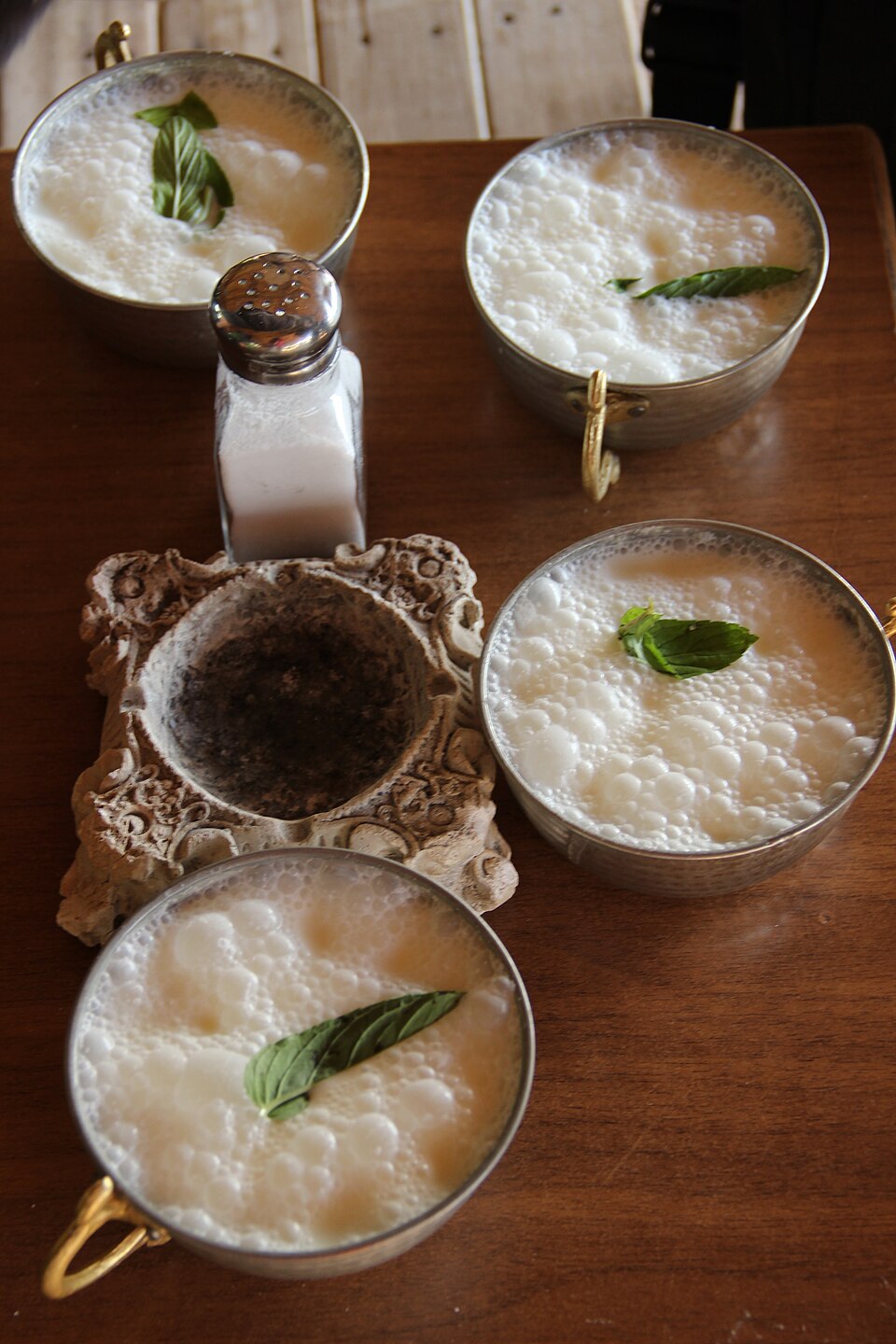
Ayrani · Αϊράνι · ah-ee-RAH-nee
Yogurt, cold water and salt, whisked hard and poured over ice. Cyprus drinks it in hot weather and beside grilled meat. Leaving out the salt is the usual mistake: without it, diluted yogurt is bland and a little chalky. Cypriots make it on the thick side, with a pinch of dried mint.
Yiayia’s tip: Loosen the yogurt first. Whisking the yogurt with a splash of water before adding the rest is the only way to get it smooth. All the water at once leaves lumps you cannot whisk out afterwards.
Make Cypriot Salted Yogurt Drink18. Brandy Sour
Μπράντι Σάουρ · BRAN-dee sowr
The unofficial national cocktail of Cyprus, and it began as a disguise. Hotels in 1930s Cyprus, then under British colonial rule, wanted a drink that did not look alcoholic. Brandy mixed pale and long passed. It outlived the reason for it. Cypriot brandy, softer and slightly sweeter, is what it is built around.
Yiayia’s tip: Use lemon squash, not fresh juice. This is the detail that makes it taste like the real thing. Sweetened cordial gives a rounder sourness than fresh lemon juice alone.
Make Brandy Sour19. Sour Cherry Cordial
Vyssinada · Βυσσινάδα · vee-see-NAH-thah
The drink made from a spoon sweet. Vissino is sour cherries preserved in thick sugar syrup, set before guests on a small dish. Thin that syrup with cold water and it becomes a bright red summer cordial, sharper than the fruit. A good jarred syrup tastes of sour cherry, not of sugar and red colouring.
Yiayia’s tip: Adjust the ratio to taste. Vissino syrups vary in sweetness and strength between brands and homemade batches. Start with three tablespoons per glass and adjust from there.
Make Sour Cherry Cordial
Get one proper Greek recipe a week
No round-ups, no filler, no fifteen-ingredient shortcuts. One dish, written out in full, with the reasoning included.
One email a week. Unsubscribe from any of them.