Greek Meze and Appetisers · The Cyclades · The Dodecanese · Grilled and Souvla · Mezedes and Ouzo
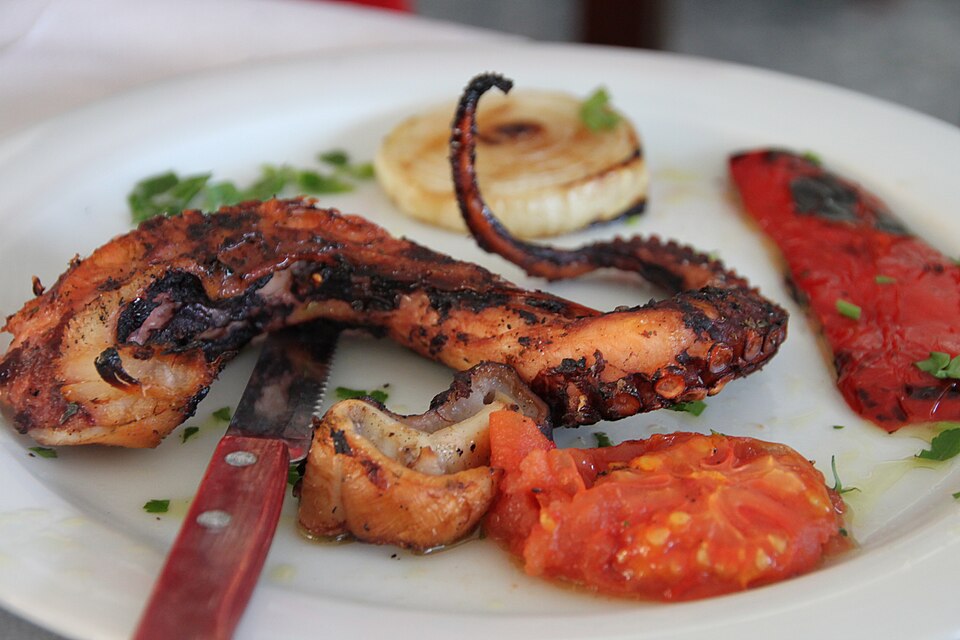
Greek Grilled Octopus Recipe (Htapodi sta Karvouna)
Χταπόδι στα κάρβουνα htah-POH-thee stah KAR-voo-nah · Htapodi sta karvouna
In short
Greek grilled octopus is simmered gently in its own liquid until completely tender, then finished briefly over hot charcoal and dressed with olive oil, red wine vinegar and oregano. Grilling raw octopus without the simmer produces something inedibly tough.
Grilled Octopus
- Prep
- 15m
- Cook
- 1h 15m
- Total
- 1h 30m
- Serves
- 4
- Level
- Intermediate
Ingredients
Ingredients
Tick ingredients off as you go. Quantities rescale with the buttons above.
Method
- 01If your octopus is fresh, freeze it for at least 48 hours first and thaw it in the fridge. This ruptures the muscle fibre and makes it noticeably more tender.Keep the poaching liquid.Yiayia
- 02Rinse the octopus and put it in a heavy pan with a tight lid. Add the bay leaf, peppercorns and the wine if using. Add no water at all.
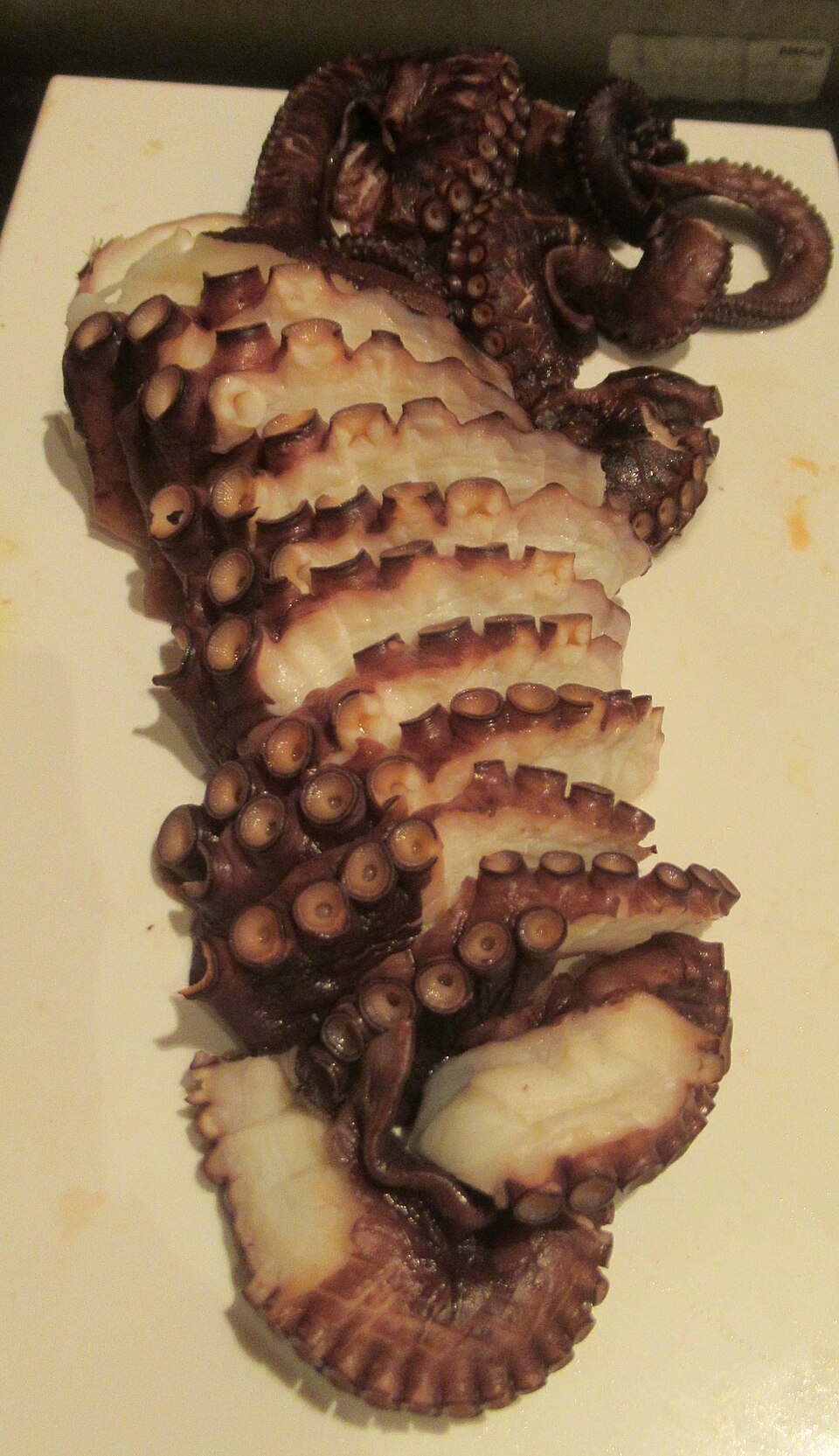
Octopus - 03Cover and set over a low heat. Within about 10 minutes it will have released enough of its own liquid to poach in.
- 04Simmer very gently, covered, for 50 to 70 minutes. It should barely bubble. Turn it once halfway through.
- 05Test with a thin knife pushed into the thickest part of a tentacle. It should slide in with no resistance. If it grips at all, continue and test again every 10 minutes.
- 06Take the pan off the heat and leave the octopus to cool in its own liquid for 30 minutes. Lifting it straight out into cold air makes it tighten.
- 07Lift it out and separate the tentacles. Pat dry and brush all over with a little of the olive oil.
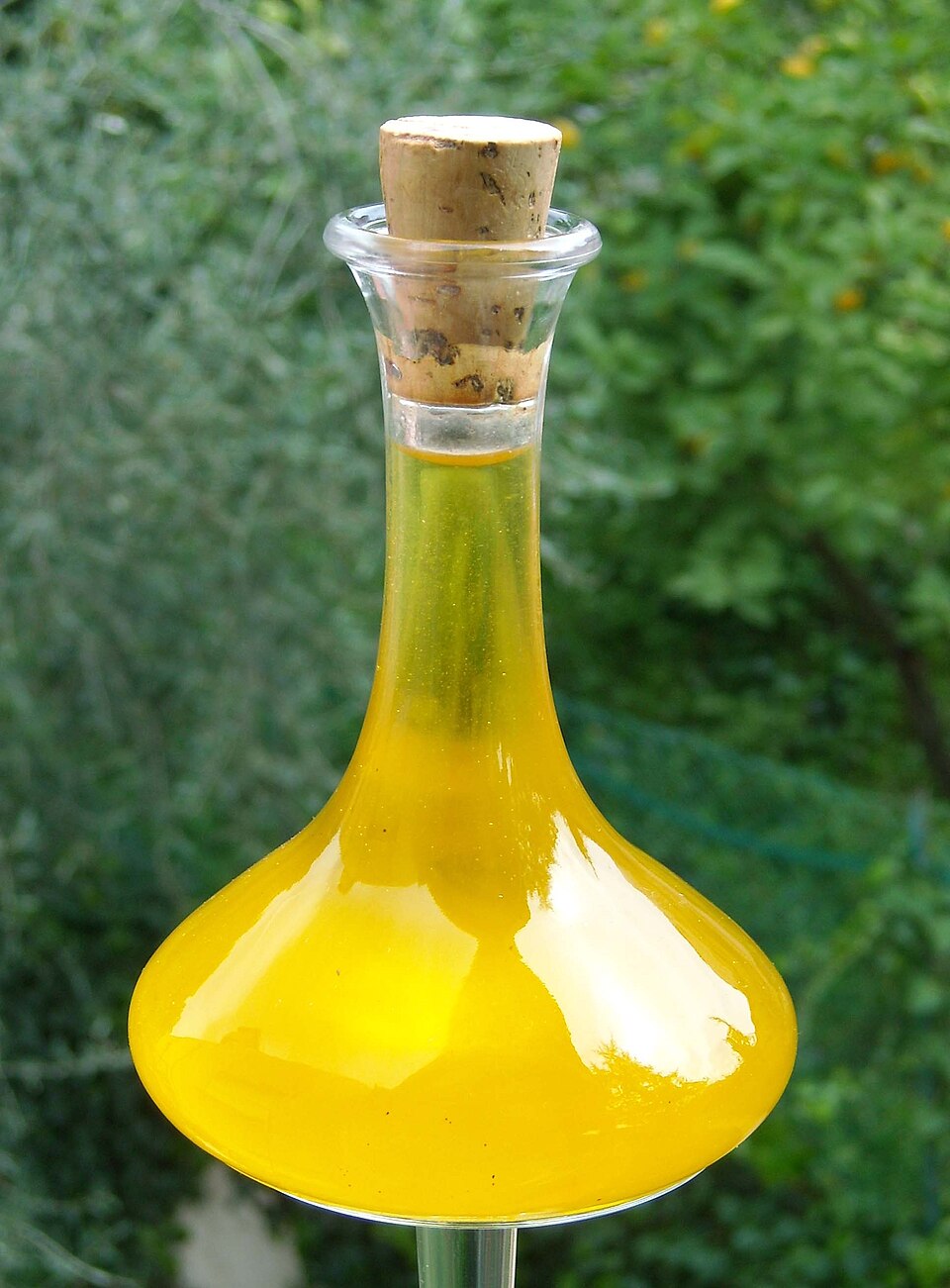
Olive Oil - 08Get a charcoal grill or a ridged griddle pan very hot. Grill the tentacles for 2 minutes a side, until charred at the edges and the suckers have crisped. No longer.
- 09Whisk the remaining olive oil with the vinegar and oregano. Cut the tentacles into pieces, pour the dressing over while still hot and turn to coat.
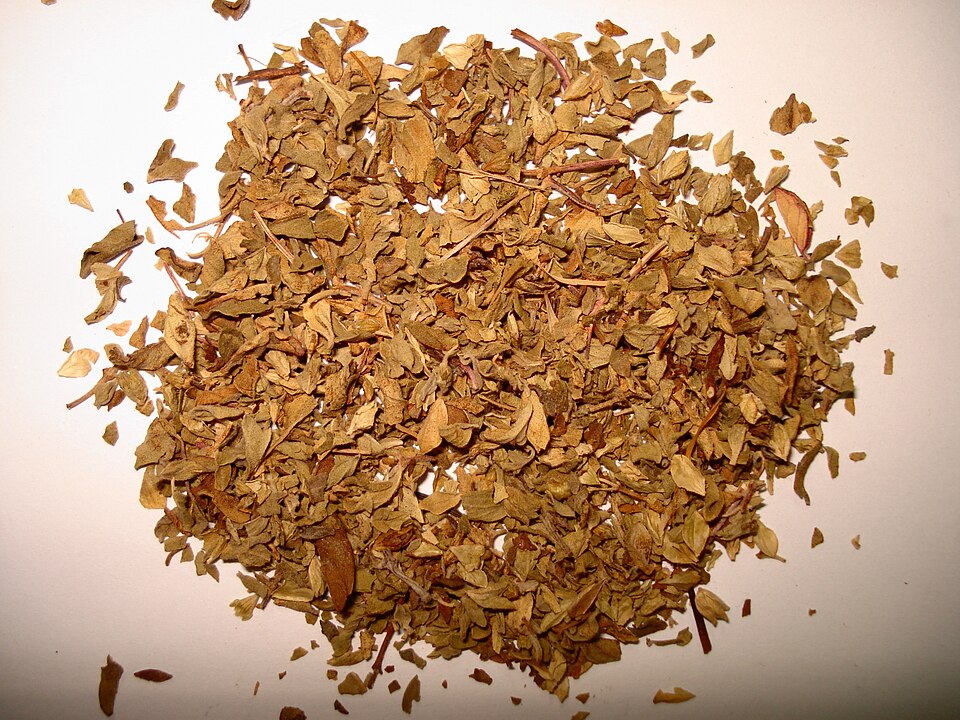
Oregano - 10Scatter with parsley, grind over black pepper, taste before adding any salt, and serve warm with lemon wedges.
Nutrition, per 1 portion
- Calories
- 286
- Protein
- 30 g
- Carbs
- 4 g
- Fat
- 17 g
- Sat fat
- 3 g
- Fibre
- 0 g
These figures are calculated estimates based on the ingredients listed, not laboratory analysis. Actual values vary with brands, cuts and portion size.
Octopus hanging on a line in the sun outside a taverna is one of the standard images of Greece, and the drying does genuinely help. But the thing that actually makes octopus tender is much less romantic: a long, slow, gentle simmer before it ever sees a fire.
Octopus muscle is dense collagen. Below about 75C, held for long enough, that collagen turns to gelatin and the flesh becomes silky. Over high heat it seizes and turns to rubber. So the grill is not the cooking step at all, it is the finishing step, and it should take four minutes.
The other thing worth knowing is that you add no water to the pot. Octopus releases a great deal of its own liquid, and that liquid is the poaching medium and is far more flavourful than water would be.
Key preparation steps
- Simmer the octopus in its own released liquid, with no water added.
- Cook until a knife slides into the thickest part with no resistance.
- Cool it in its liquid so it does not tighten.
- Grill hard and fast for colour only, then dress while warm.
Do you need to tenderise octopus first?
Not if you simmer it properly. The traditional methods, beating it against rocks, dipping it three times in boiling water, adding a wine cork to the pot, are folklore of varying usefulness. The cork does nothing. The beating genuinely breaks down muscle fibre but is unnecessary for anything you buy.
What does work reliably is buying frozen octopus, or freezing fresh octopus for at least 48 hours before cooking. Ice crystals rupture the muscle structure and the result is measurably more tender. Most octopus sold outside coastal Greece has been frozen already, which is a genuine advantage here.
After that, the simmer does everything. Give it time and it will be tender.
Why no water in the pot?
Put an octopus in a dry heavy pan over a low heat with the lid on and within ten minutes it will have released a surprising amount of purple liquid, easily enough to poach itself in.
That liquid is concentrated octopus stock. Adding water dilutes it and gives you blander meat and a wasted opportunity. Some cooks add a splash of red wine, a bay leaf and a few peppercorns, which is worth doing.
Do not salt it during the simmer. Sea creatures are already saline and the liquid reduces considerably.
How do you know when it is done?
A thin knife or a skewer pushed into the thickest part of a tentacle, where it meets the head, should slide in and out with no resistance at all. If there is any springiness or grip, keep going.
For a 1.5 kg octopus this usually takes 50 to 70 minutes at a bare simmer. Size varies enormously so the knife test matters more than the clock.
Then let it cool in its own liquid rather than lifting it straight out. Octopus tightens if it cools in air, and half an hour sitting in the warm liquid keeps it relaxed.
The grill, and the dressing
The fire should be fierce and the octopus should be on it for no more than four minutes total. You are looking for charred edges and a little crisping on the suckers, not further cooking. Brush with oil first so it does not stick.
The dressing is olive oil, red wine vinegar and dried oregano, in roughly three to one, whisked and poured over while the octopus is still hot so it absorbs. Lemon instead of vinegar is common but vinegar is the more traditional and stands up better to the char.
Serve with a glass of ouzo or tsipouro, which is not a garnish but genuinely the intended pairing, and with fava or a plate of horta.
What matters in this dish
Frozen is better than fresh here
One of the few cases where this is true. Freezing does the tenderising work that would otherwise take beating or luck.
Keep the poaching liquid
What is left in the pan is intense octopus stock. Freeze it and use it as the base for a seafood rice or a fish soup.
Do not salt until the end
The octopus is already saline and the liquid reduces around it. Season only after tasting the finished dish.
Questions people ask about Htapodi sta karvouna
How do you make octopus tender?
Freeze it for 48 hours first, then simmer it very gently in its own released liquid for around an hour until a knife slides in with no resistance. High heat from the start is what makes octopus rubbery.
Do you put a wine cork in the pot with octopus?
It is a widespread Greek and Italian tradition and it does nothing. There is no mechanism by which a cork tenderises octopus. The gentle simmer is what works.
Can you grill octopus without boiling it first?
Not successfully. Raw octopus over high heat seizes and becomes extremely tough. The simmer converts the collagen; the grill only adds char and should take four minutes.
Can you cook octopus ahead of time?
Yes, and it suits it. Simmer it up to two days ahead, keep it in its liquid in the fridge, then grill and dress just before serving.