Region
18 Greek Recipes from Epirus
Mountain food from the northwest: pies above all, made with hand-rolled phyllo, plus dairy from a region that has always been sheep and goat country rather than farmland.

Epirus is mountain food from the northwest, sheep and goat country more than farmland. That puts two things on the table above all: dairy and pies.
The pies are made with phyllo rolled by hand and filled with cheese, wild greens, courgette or spinach. Zagori has a batter pie with feta. Cornmeal makes the breads: an unleavened cornbread sometimes studded with greens, and bobota.
Winter is soup: trahanas, made from dried fermented wheat and milk, meatballs in avgolemono, boiled goat. The cheese is fried, or spread soft on a rusk. If you want to learn what Epirus does best, start with the hand-rolled cheese pie.
Every recipe on Kalliopi's Kitchen carries the dish's Greek name and a pronunciation, its region where that is meaningful, ingredient quantities in both metric and imperial, and an honest note on what commonly goes wrong. Nutrition figures are calculated estimates and are labelled as such.
1. Spanakopita
Σπανακόπιτα · spah-nah-KOH-pee-tah
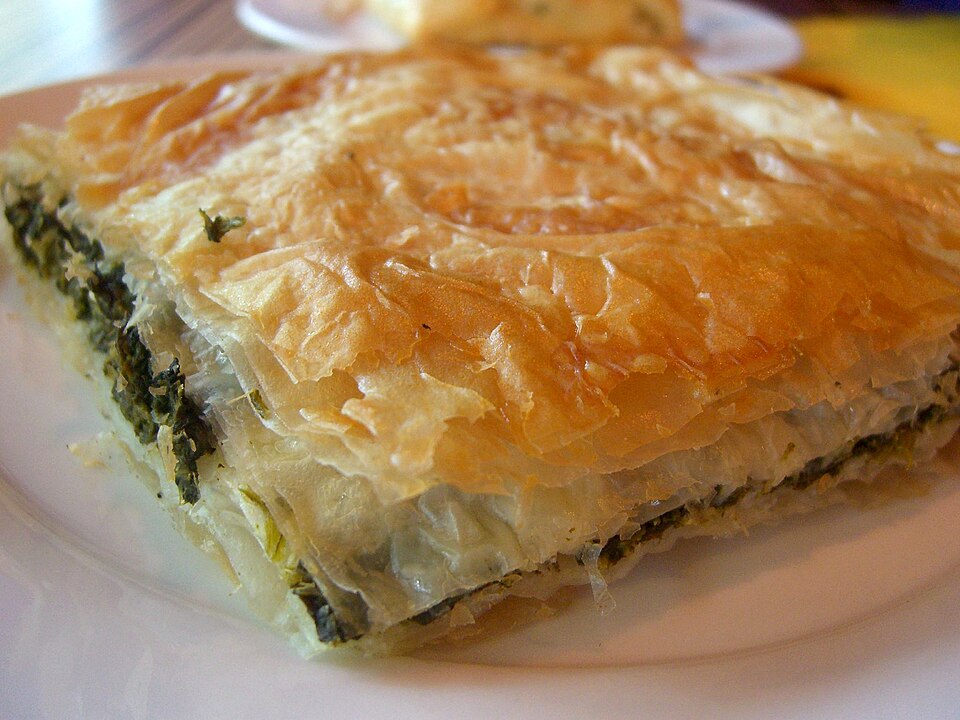
Pies are the centre of Greek home baking, and this is the one that left the country. Greens and cheese in quantity, almost nothing else, inside pastry thin enough to read through. Every sheet has to be brushed with fat. Dry phyllo fuses into one papery slab, and the separate leaves are the point.
Yiayia’s tip: Squeeze harder than you think necessary. If any liquid at all comes out when you press the filling in the bowl, go back and squeeze again. This one step decides the pie.
Make Spanakopita2. Epirus Cornbread with Greens
Batzina · Μπατζίνα · bah-DZEE-nah
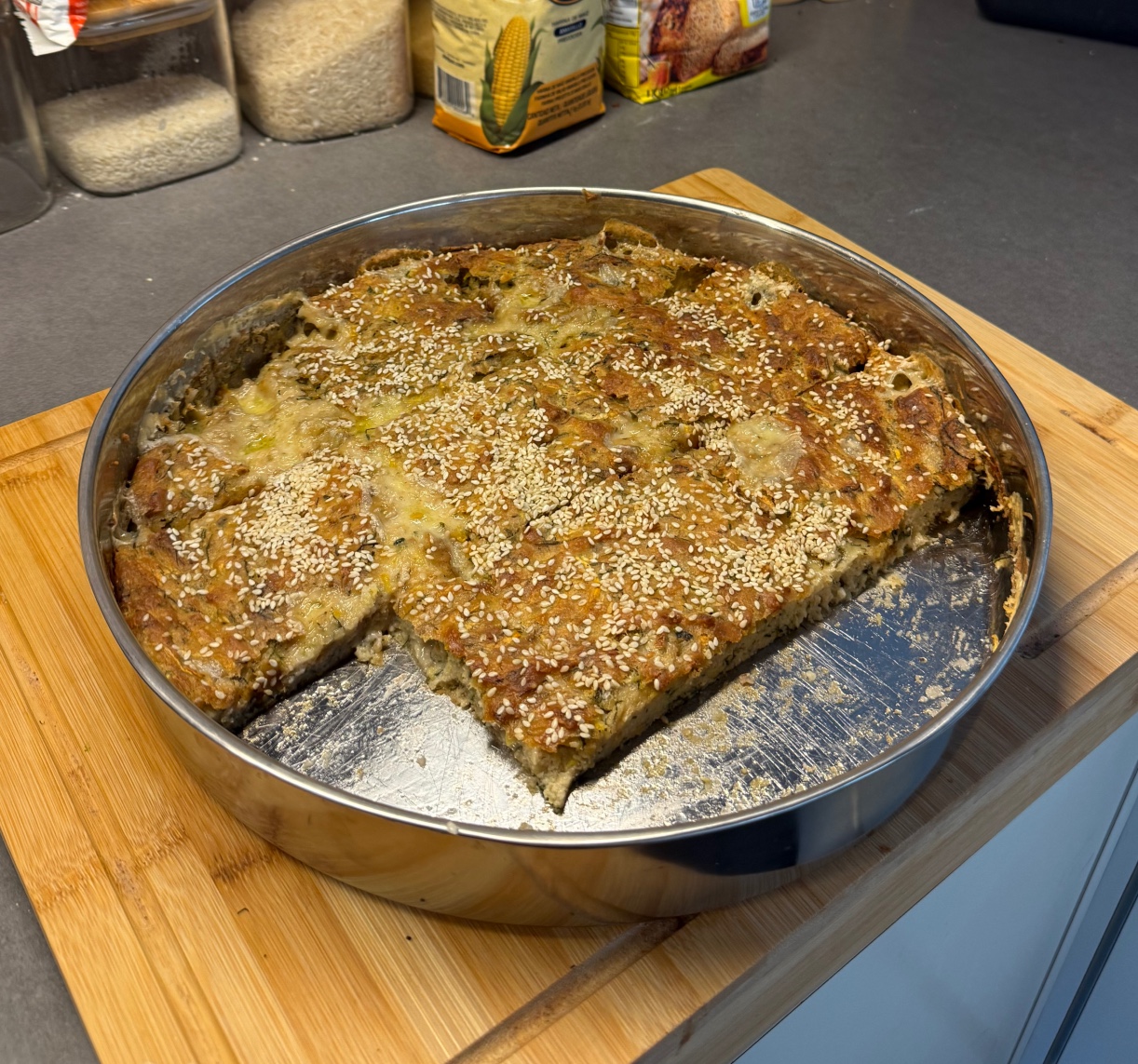
The plain, frugal end of Epirus baking, a long way from the region's hand-rolled pies. Cornmeal, water and olive oil, no yeast, baked into a loaf that mountain villages made as everyday bread. Some fold in wild greens or spring onion. Dense is correct: it sits closer to baked polenta than to a risen loaf.
Yiayia’s tip: Oil the tin generously. Cornbread batter is prone to sticking. A thorough coating of oil helps it release cleanly once baked.
Make Epirus Cornbread with Greens3. Trahanas Soup
Soupa trahana · Σούπα τραχανά · SOO-pah trah-hah-NAH
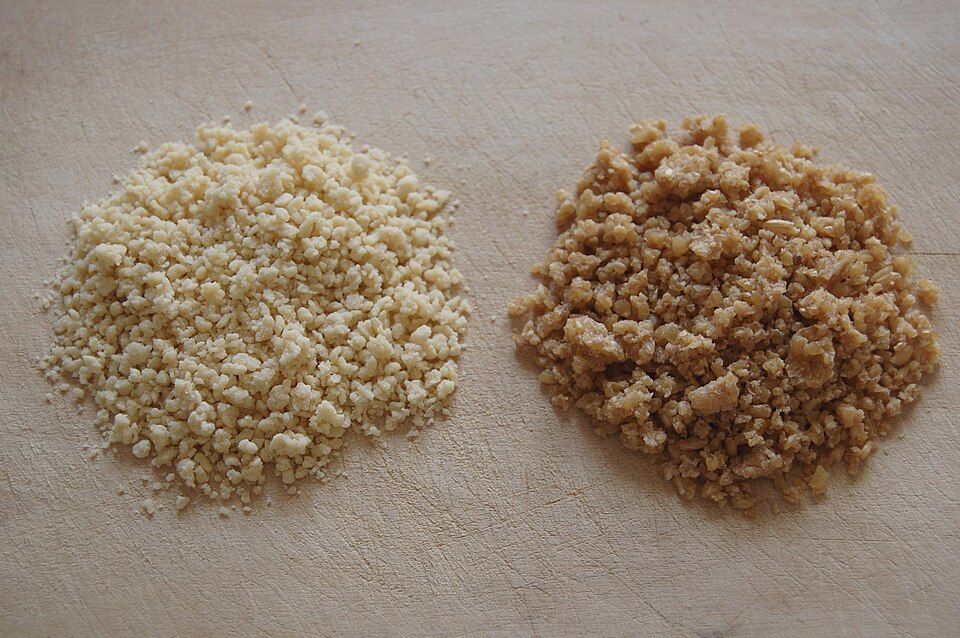
The work is done months earlier. In late summer, once a year, cracked wheat is mixed with milk or yogurt, left to ferment a little, sun-dried and crumbled into granules that keep for months. Simmered in water or stock they make a thick, tangy soup within twenty minutes. Eat it hot, before it turns stodgy.
Yiayia’s tip: Add the trahanas gradually. Tipping it all in at once causes clumping. A slow, steady addition while stirring keeps it smooth.
Make Trahanas Soup4. Meatball Soup in Avgolemono
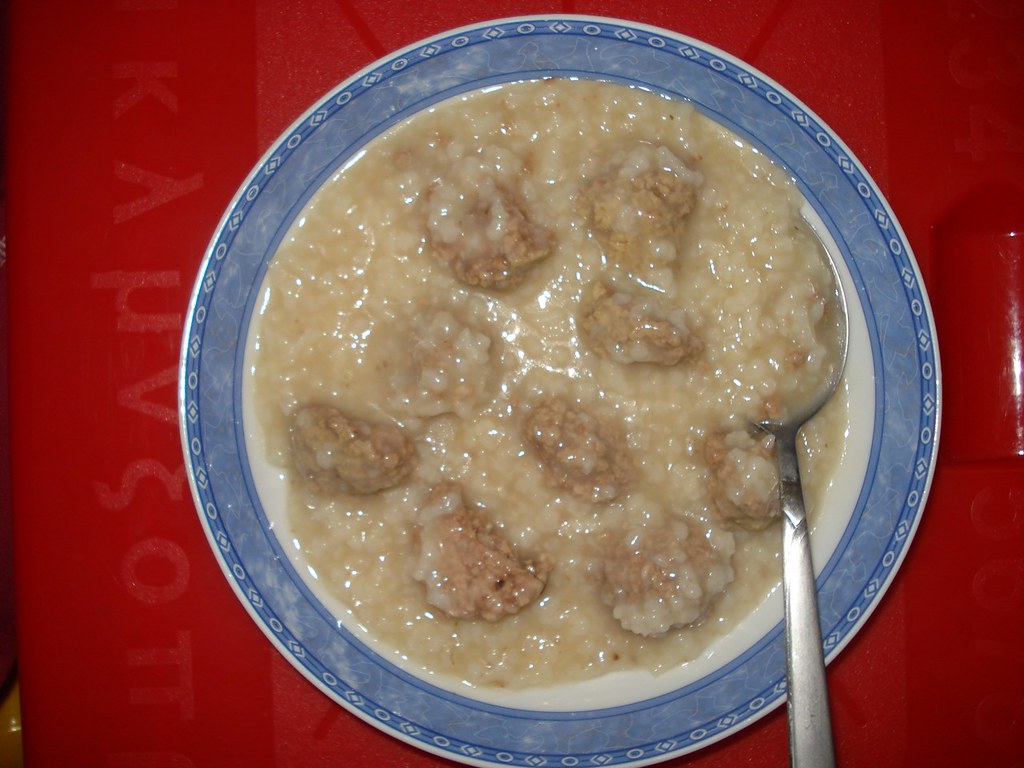
Giouvarlakia · Γιουβαρλάκια · yoo-var-LAH-kyah
Meatballs and soup in one pot. The mince is bound with raw rice and poached in broth as small balls, so the rice cooks inside them. Egg and lemon go in at the end, and avgolemono will not wait or reheat, so everybody sits down first. Winter food across the mainland, tied to no region.
Yiayia’s tip: Keep the poaching liquid at a bare simmer. A vigorous boil knocks the meatballs apart. Low and gentle throughout is what keeps them intact.
Make Meatball Soup in Avgolemono5. Mountain Tea
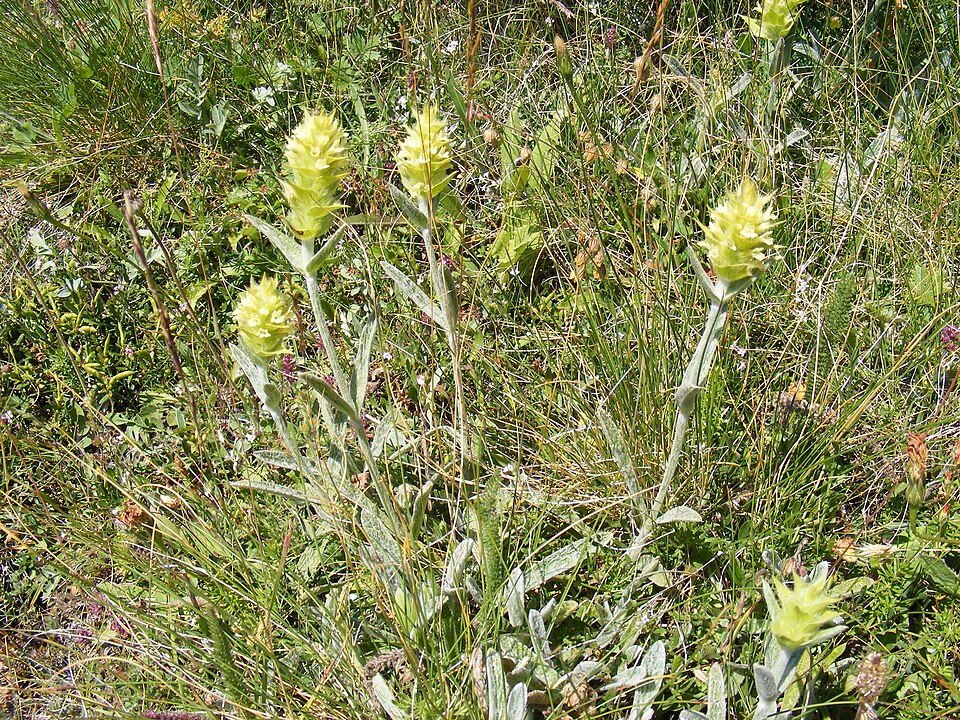
Tsai tou vounou · Τσάι του βουνού · TSAH-ee too voo-NOO
Dried sideritis, a silver-grey wild plant gathered by hand from the high, rocky parts of Epirus and Crete. The tea is mild, faintly floral and has no caffeine in it. Greeks drink it through the cold months, and it has a long history as a home remedy.
Yiayia’s tip: Use water just off the boil, not at a rolling boil. Very vigorously boiling water can scorch the delicate dried plant material and give a harsher flavour.
Make Mountain Tea6. Epirus Hand-Rolled Cheese Pie
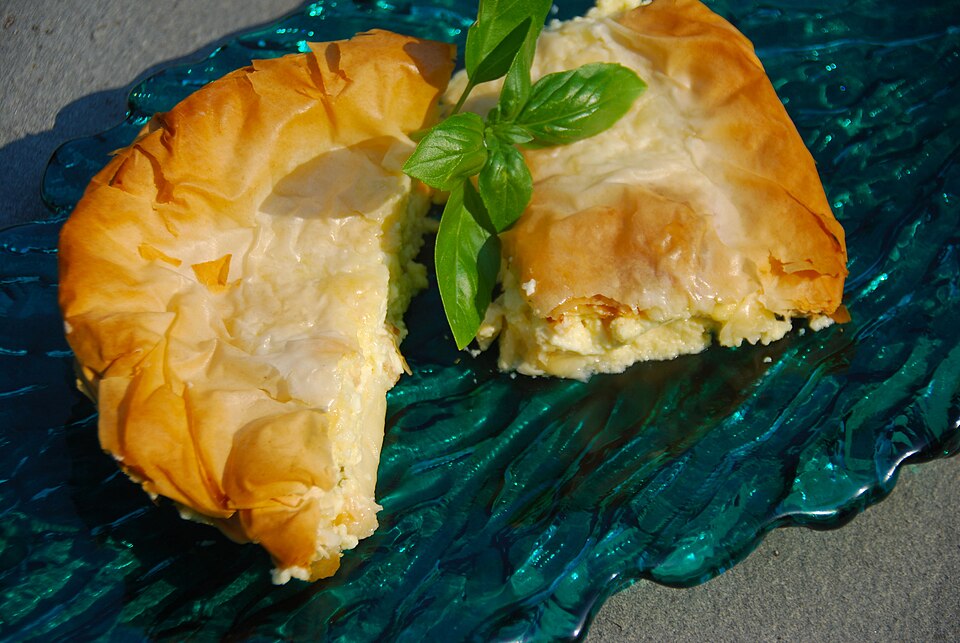
Tyropita Ipirou · Τυρόπιτα Ηπείρου · tee-ROH-pee-tah ee-PEE-roo
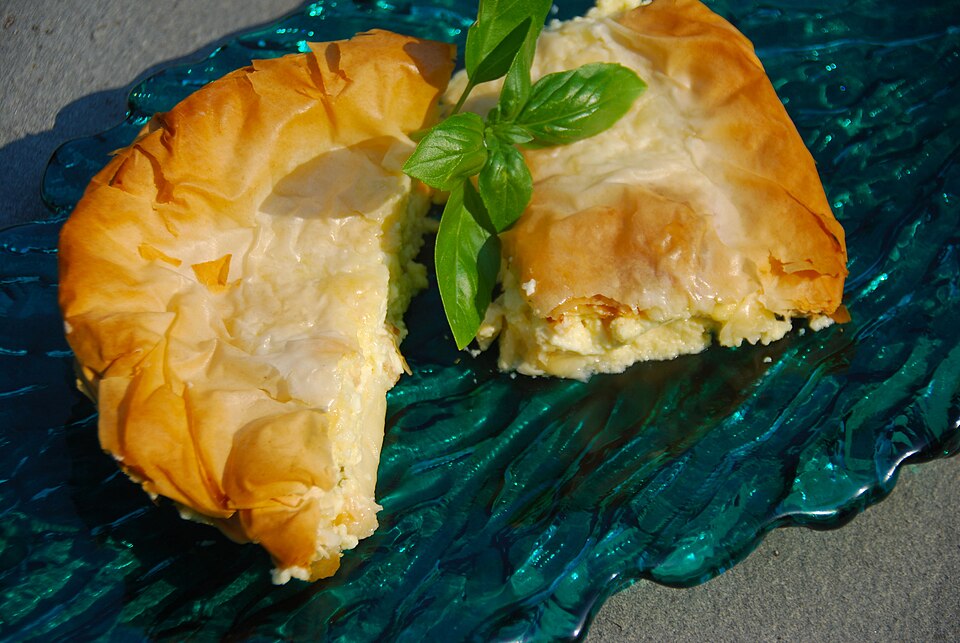
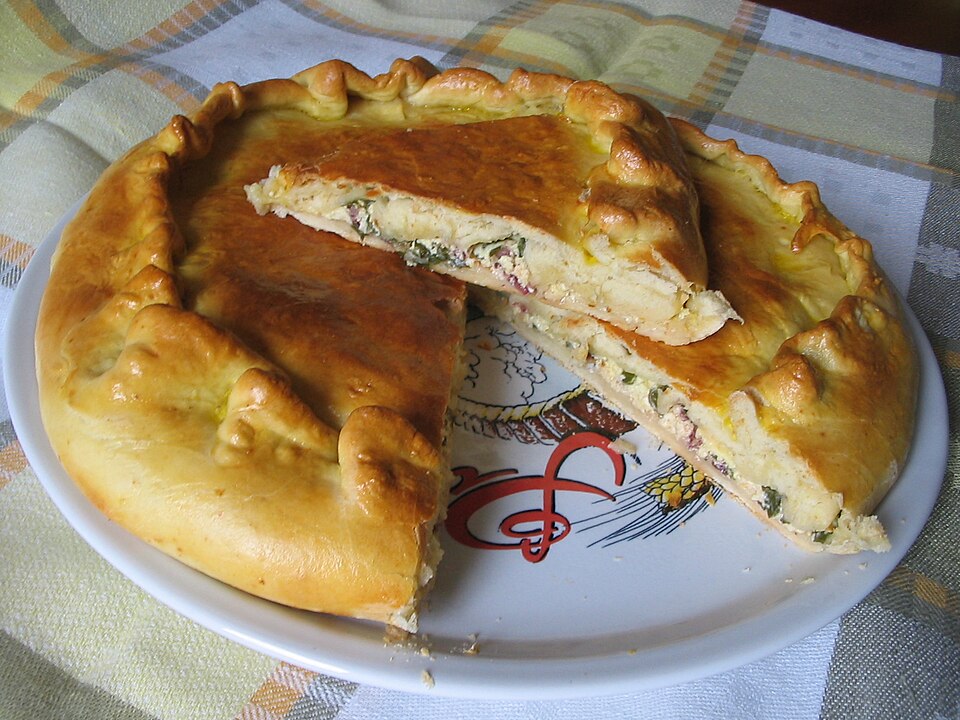
No region of Greece is taken more seriously for its hand-made pies than Epirus. Its cheese pie reverses the usual ratio: two or three thick sheets around a deep filling of feta, egg and milk, nearer to baked custard than to crumbled cheese. Rest it fifteen minutes or it will not cut cleanly.
Yiayia’s tip: Layer several sheets thick to approximate hand-rolled phyllo. Genuine Epirus phyllo uses far fewer, thicker sheets than a standard pie. Stacking shop-bought sheets gets you closer to that structure.
Make Epirus Hand-Rolled Cheese Pie7. Fried Smoked Cheese from Epirus
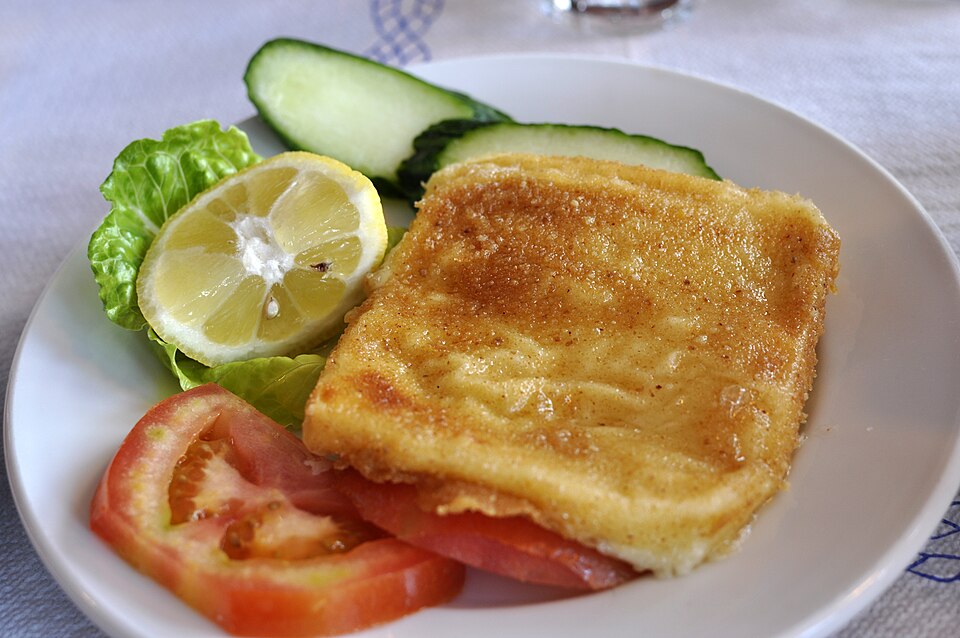
Saganaki Metsovone · Σαγανάκι μετσοβόνε · sah-gah-NAH-kee mets-oh-VOH-neh
Most saganaki is fried from whatever firm cheese is in the house. This one insists on Metsovone, the smoked cheese of Metsovo, a mountain town in Epirus, and frying concentrates both the smoke and the salt. The method is the usual one: flour, a hot pan, lemon at the end.
Yiayia’s tip: Watch the heat closely. The flour coating can burn quickly at the temperature this dish needs. Keep an eye on it rather than walking away.
Make Fried Smoked Cheese from Epirus8. Tsipouro Serving Guide
Tsipouro · Τσίπουρο · TSEE-poo-roh
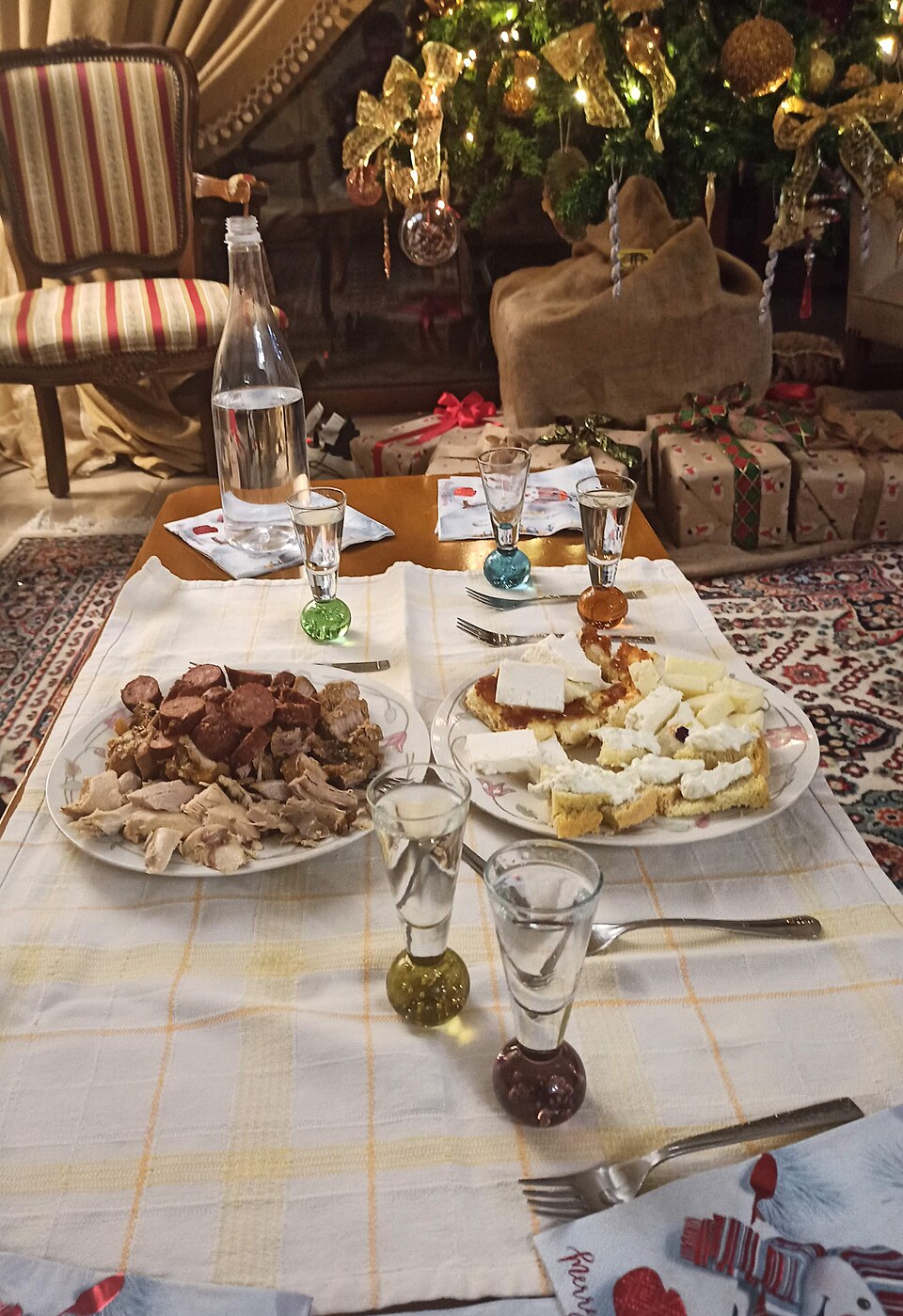
A strong, clear spirit made from what winemaking leaves behind: the skins, stems and seeds after pressing. It is the mainland's counterpart to Crete's tsikoudia. Unlike ouzo it takes no water, only ice or nothing at all, and tastes fuller and earthier for it. Some, from Tyrnavos especially, carry anise and come closer to ouzo.
Yiayia’s tip: Serve with real food, not alone. Tsipouro is genuinely built to be drunk alongside a spread of small mezedes, particularly in Thessaly and Epirus, where the two are considered inseparable.
Make Tsipouro Serving Guide9. Bobota
Μπομπότα · boh-BOH-tah
In mountain regions like Epirus, wheat was once scarcer and dearer than cornmeal, so cornbread was the everyday loaf. It is lightly sweetened with honey or petimezi, which makes it more like a dense, rustic cake than savoury American cornbread. No yeast and no proving. Let it cool before slicing or it crumbles.
Yiayia’s tip: Use fine cornmeal, not coarse polenta. A coarser grind gives a noticeably gritty texture. Fine cornmeal, sometimes labelled cornbread flour, bakes to a much better crumb.
Make Bobota10. Hand-Rolled Courgette Pie
Kolokithopita Epirou · Κολοκυθόπιτα Ηπείρου · koh-loh-kee-THOH-pee-tah ee-PEE-roo
No region of Greece matches Epirus for pies, and this courgette, feta and herb one is among the most common. The hand-rolled phyllo is thicker and more rustic than supermarket sheets, in fewer and larger pieces, and bakes into a heartier pie. Rolling it takes practice. Extra layers of shop-bought phyllo are a fair substitute.
Yiayia’s tip: Drain the courgette properly. This filling carries more water than a spinach pie. Salting and squeezing thoroughly is what keeps the finished pie from turning soggy.
Make Hand-Rolled Courgette Pie11. Epirus Soft Cheese on Rusk
Galotyri me paximadi · Γαλοτύρι με παξιμάδι · gah-loh-TEE-ree meh pahk-see-MAH-thee
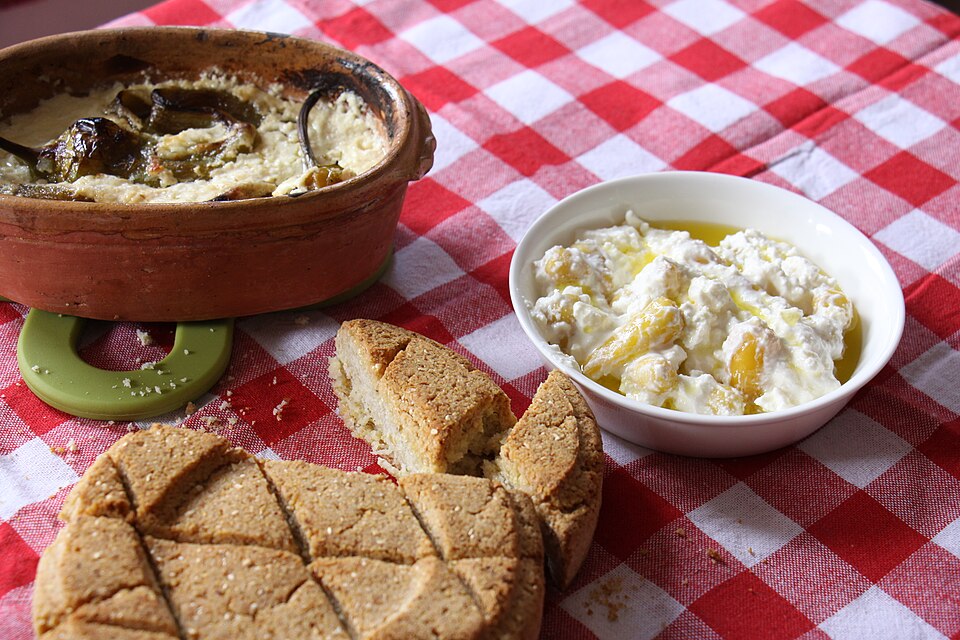
Epirus's answer to Cretan dakos: a barley rusk, olive oil, and a different cheese on top. Galotyri is soft enough to spoon and tangy from natural culturing, nearer to thick yogurt than to any table cheese. It has protected origin status in the mountains of Epirus and neighbouring Thessaly. The cheese decides everything.
Yiayia’s tip: Splash the rusk lightly, not heavily. It should soften just enough to bite through, keeping a firm, chewy base rather than turning fully soggy.
Make Epirus Soft Cheese on Rusk12. Epirus Chicken with Leeks and Rice
Bourani me kotopoulo · Μπουράνι με κοτόπουλο · boo-RAH-nee meh koh-TOH-poo-loh
So much Greek home cooking begins with tomato, and this has none. It is a one-pot dish from Epirus, where leeks and wild greens are a tradition: chicken poached among leeks, spring onions and rice, pale and green. Cook the leeks right down before the chicken goes in. Dill and lemon go on last.
Yiayia’s tip: Wash the leeks thoroughly. Grit hides between the layers, and there is nowhere for it to go once everything is simmering together in one pot.
Make Epirus Chicken with Leeks and Rice13. Epirus Wild Greens Pie
Blatsaria · Μπλατσαριά · blah-tsah-RYAH
Epirus is pie country, and this is the plainest of its pies. There is no cheese and no egg, so it is a fasting pie and the greens carry it alone. Leek and spring onion supply the sweetness that dairy would have. The pastry is a simple oil and water dough, hand-rolled into two thin sheets.
Yiayia’s tip: Use far more greens than feels sensible. A kilo and a half of raw greens cooks down to very little. The commonest fault in a home-made greens pie is a filling too thin to taste of anything.
Make Epirus Wild Greens Pie14. Zagori Batter Pie with Feta
Alevropita · Αλευρόπιτα · ah-lev-ROH-pee-tah
Zagori calls these lazy pies, and that is fair. There is no pastry at all. A thin batter of salt, flour and water is poured into a hot oiled tin with feta scattered over it. The rim bakes crisp and lacy, the middle sets like custard. Eat it within twenty minutes. It does not reheat.
Yiayia’s tip: Pour, do not stir. Once the batter is in the hot oil, leave it alone. Stirring breaks the layer of oil under it and you lose the fried crisp base that defines the pie.
Make Zagori Batter Pie with Feta15. Fried Bread with Feta
Tiganopsomo · Τηγανόψωμο · tee-gha-NOH-psoh-moh
Pan bread is what the name means. Mountain villages in Epirus made it when no oven was lit. A soft, slack yeasted dough is closed round crumbled feta, flattened and shallow-fried in olive oil until it blisters. It is torn, not cut, and eaten hot, with coffee in the morning or tsipouro at night.
Yiayia’s tip: Oil your hands, not the worktop with flour. Flour tightens this dough and makes it tough. Olive oil on your palms and on the surface lets you handle a very soft dough without adding anything to it.
Make Fried Bread with Feta16. Tiropita
Τυρόπιτα · tee-ROH-pee-tah
The pie Greeks eat most, usually standing up, before ten in the morning, from a bakery window. With no spinach to hide behind, the cheese has to be right. Feta alone bakes dense, rubbery and too salty, so a soft mild cheese goes in with it: anthotyro, mizithra or ricotta, two parts feta to one.
Yiayia’s tip: Soak the feta if it is very salty. Twenty minutes in fresh water or milk before crumbling takes the edge off without losing the character of the cheese.
Make Tiropita17. Wild Greens Pie
Hortopita · Χορτόπιτα · hor-TOH-pee-tah
Horta are the greens a household gathers from the hillside or grows in the garden: dandelion, chicory, nettle tops, chard, spinach. Crete and Epirus, both with a strong tradition of foraging, bake them into this pie. It is more bitter and more rustic than spanakopita. Without the egg and cheese it is vegan.
Yiayia’s tip: Use a genuine mix of greens. This is what gives hortopita its varied, rustic character. A single mild green alone gives something closer to plain spanakopita.
Make Wild Greens Pie18. Boiled Goat Soup
Gida vrasti · Γίδα βραστή · YEE-tha vrah-STEE
This northern mountain soup exists for a practical reason: a goat too old to milk roasts badly and boils very well. It gets three hours with little but onions, carrots, celery and potatoes. The clear broth goes into bowls with a lot of lemon, and the meat is served apart, which makes two courses.
Yiayia’s tip: Start in cold water, twice. Cold water draws the flavour out of the bones gradually. Starting in hot water seals the surface and gives a weaker broth, which defeats the point of a three hour simmer.
Make Boiled Goat Soup
Browse other regions
Get one proper Greek recipe a week
No round-ups, no filler, no fifteen-ingredient shortcuts. One dish, written out in full, with the reasoning included.
One email a week. Unsubscribe from any of them.