
Region
21 Greek Recipes from Crete
Cretan cooking is the archetype the Mediterranean diet was actually modelled on. Enormous quantities of olive oil, wild greens, barley rusk, snails, and a soft fresh cheese in almost everything.

Cretan cooking is what the Mediterranean diet was modelled on. A great deal of olive oil, wild greens, barley rusk, and a soft fresh cheese called mizithra that goes into almost everything, sweet or savoury.
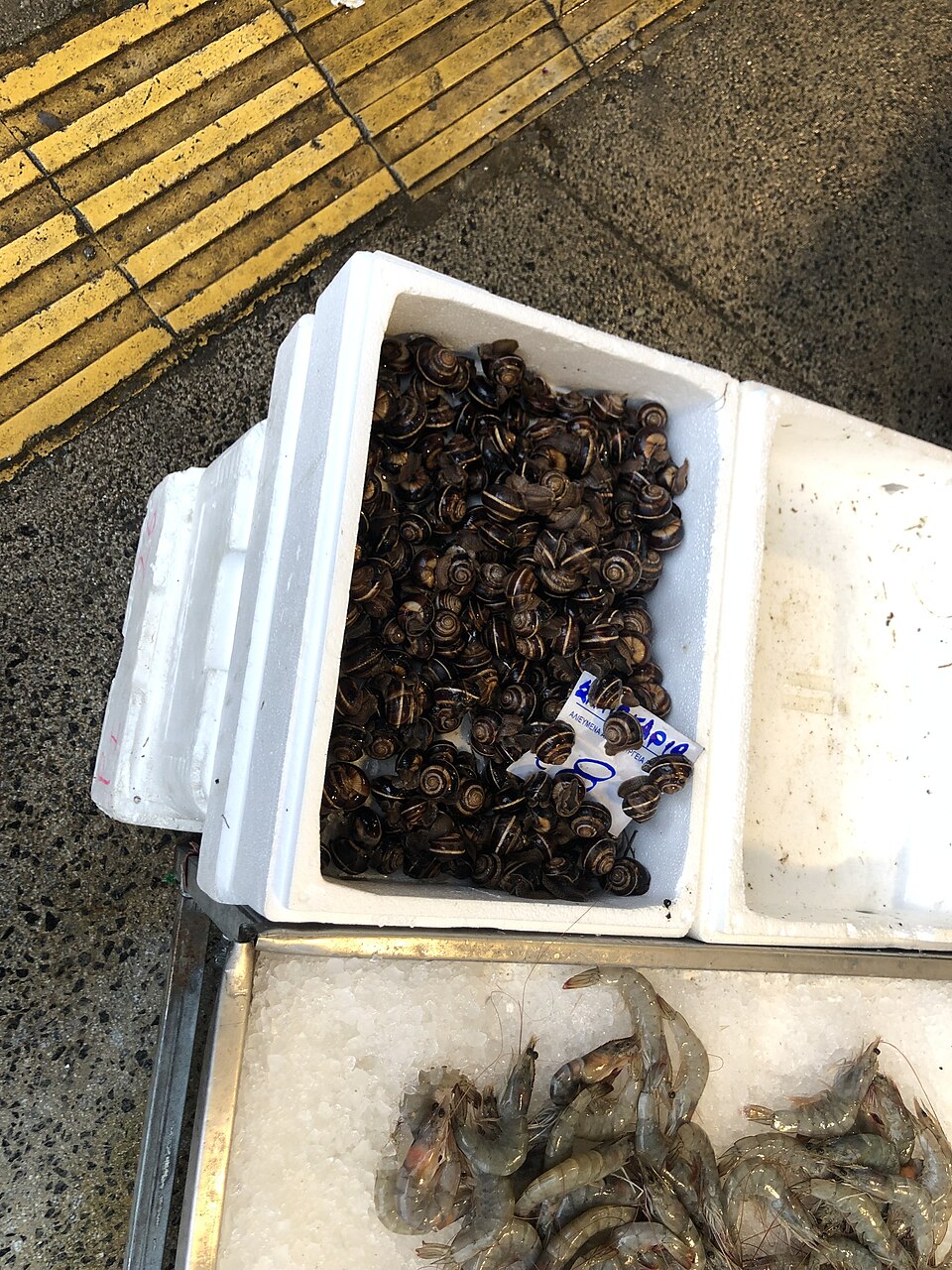
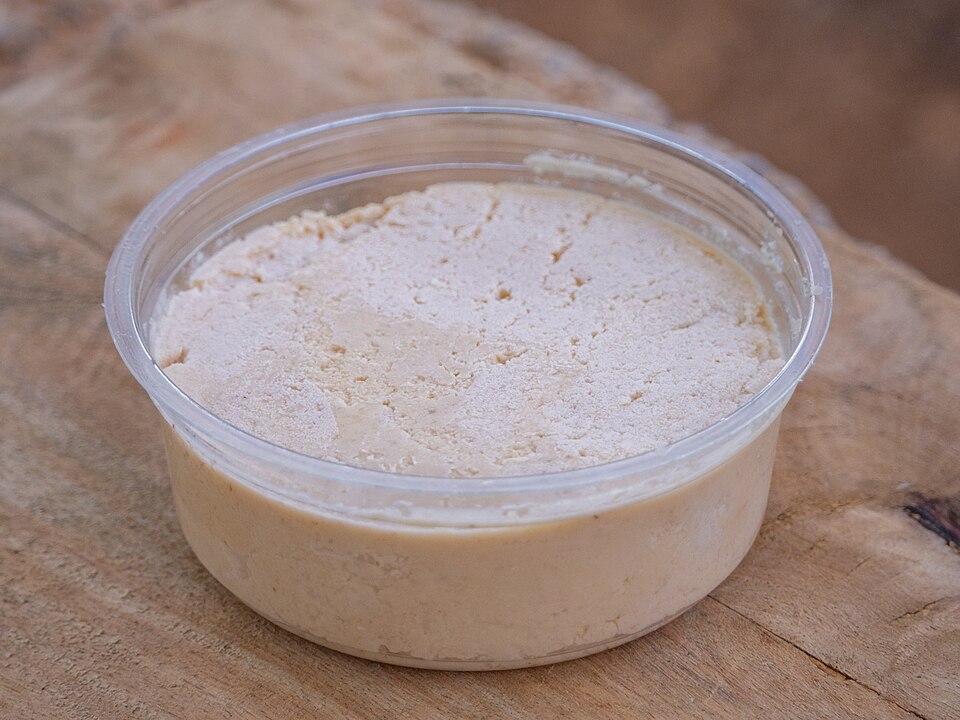
The list shows how far that cheese travels: on dakos with grated tomato, in sweet hand pies with honey and sesame, in savoury ones, in a thin pie with honey, over pasta. The greens go into a pie or are boiled as horta. Snails are fried in hot oil until they pop from their shells, then finished with vinegar and rosemary.
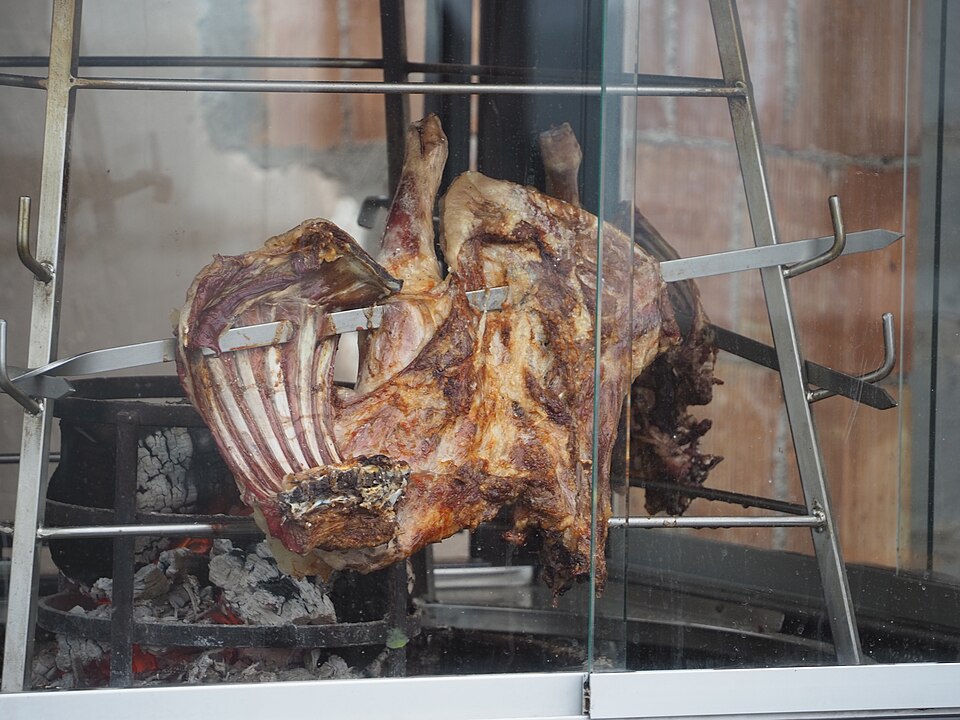
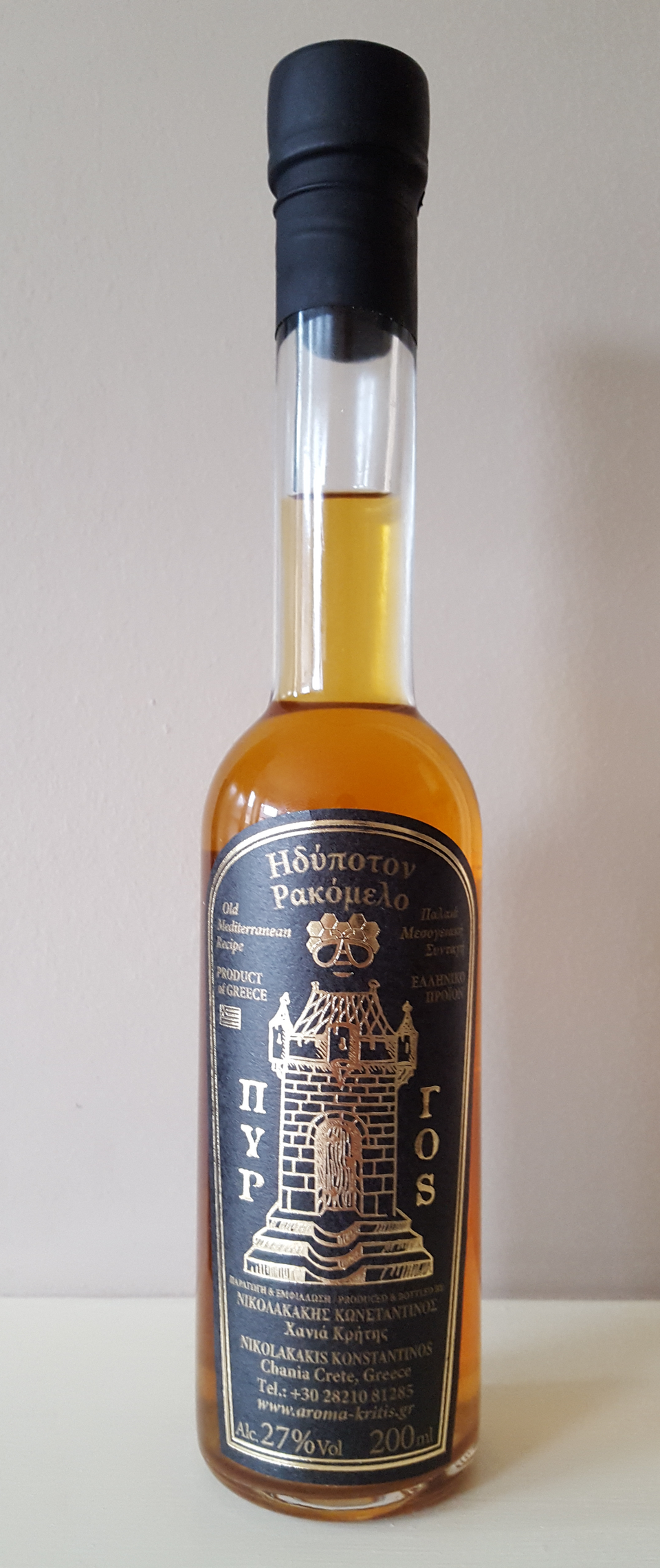
Lamb is propped facing an open fire and cooked slowly, which Crete calls antikristo. To drink there is mountain tea, sage tea, and raki warmed with honey and spices. Start with dakos. It needs no cooking, only a good tomato.
Every recipe on Kalliopi's Kitchen carries the dish's Greek name and a pronunciation, its region where that is meaningful, ingredient quantities in both metric and imperial, and an honest note on what commonly goes wrong. Nutrition figures are calculated estimates and are labelled as such.
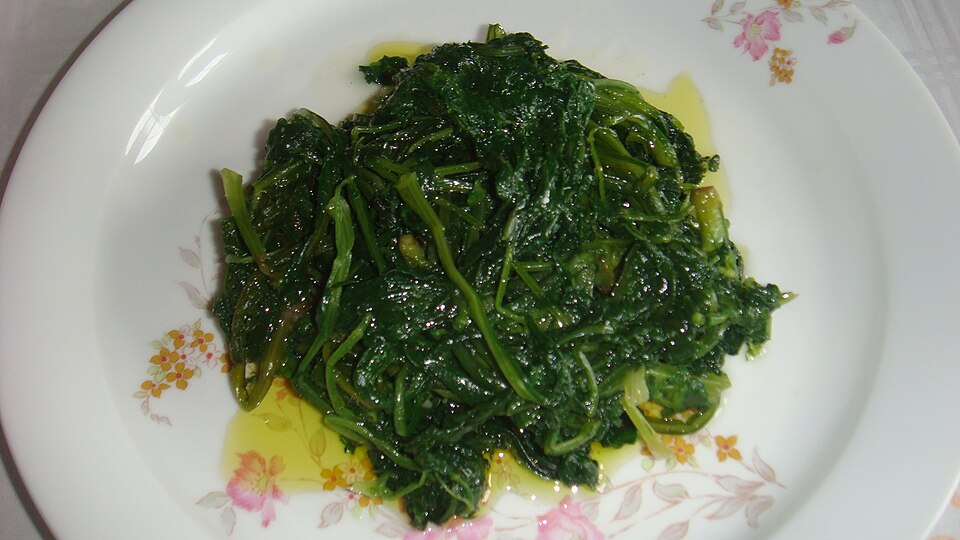
1. Horta
Horta vrasta · Χόρτα βραστά · HOR-tah vrah-STAH
Nothing in Greek cooking is plainer, and it may be the most important thing in it: boiled greens with olive oil and lemon, eaten several times a week. Dandelion, chicory, amaranth and beet greens all go in the pot. They are cooked soft and drab, never bright green, because wild greens are tough and bitter.
Yiayia’s tip: Wash more than you think necessary. Grit in horta ruins it and is very hard to detect until you are eating. Lift the greens out of the water rather than tipping the whole lot into a colander.
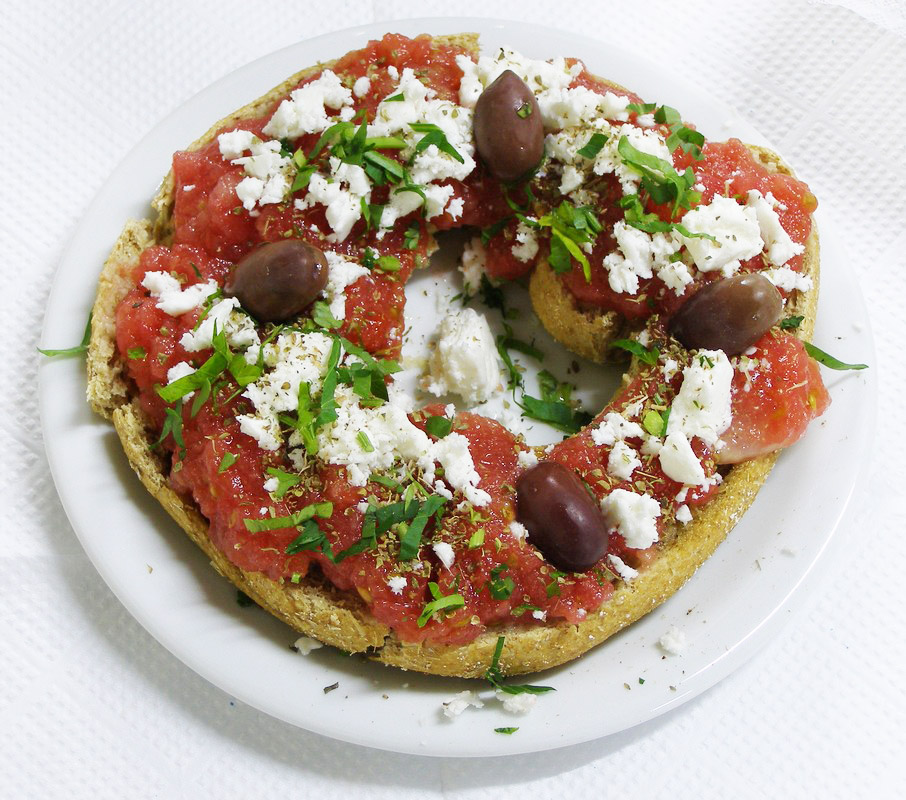
Make Horta2. Cretan Dakos
Dakos · Ντάκος · DAH-kos
Barley rusk was baked twice to last months at sea, and it comes out rock hard. Dakos is how Crete brings it back, with water and olive oil. The tomato is grated so its pulp soaks down, and the cheese is soft, mild mizithra. It is no Greek salad on a rusk.
Yiayia’s tip: Buy real barley rusks. Wheat rusks and dried bread are not the same. Barley paximadi has a nuttier, denser quality and holds up under the tomato. Greek delis and larger supermarkets stock them.
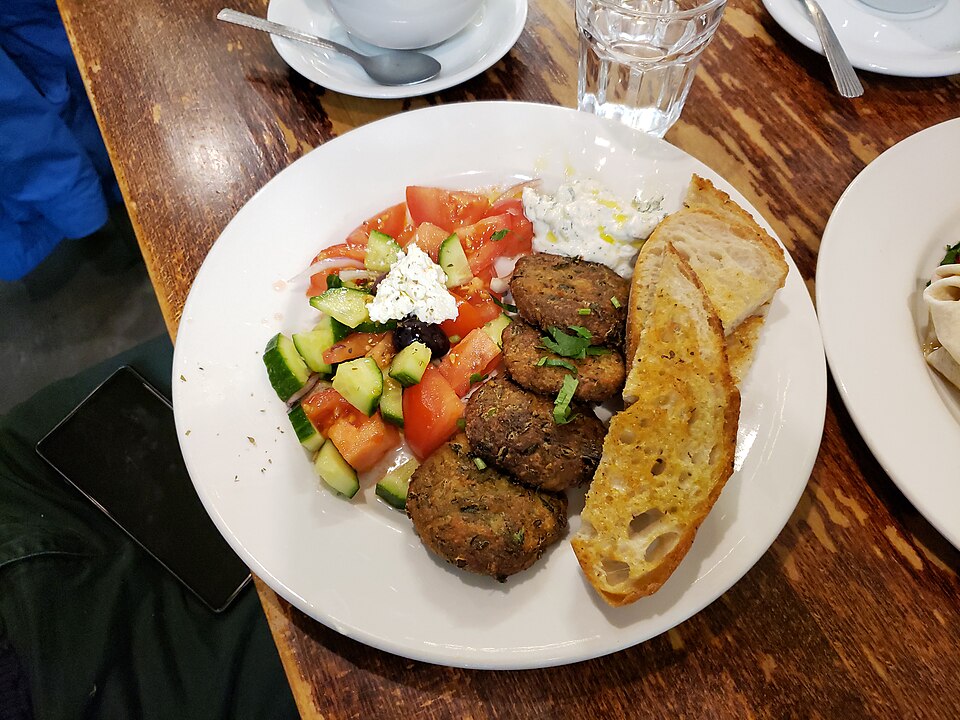
Make Cretan Dakos3. Courgette Fritters with Feta
Kolokithokeftedes · Κολοκυθοκεφτέδες · ko-lo-kee-tho-kef-TEH-des
Every Greek island has its own version: grated courgette, feta and herbs, fried crisp and eaten hot with tzatziki and lemon. A courgette is over ninety percent water. The whole method is a fight against that, because water left in the mix means more flour, and more flour means a heavy fritter.
Yiayia’s tip: Squeeze twice. Once after the salting, then again just before mixing. Courgettes keep releasing water and the second squeeze always yields more.
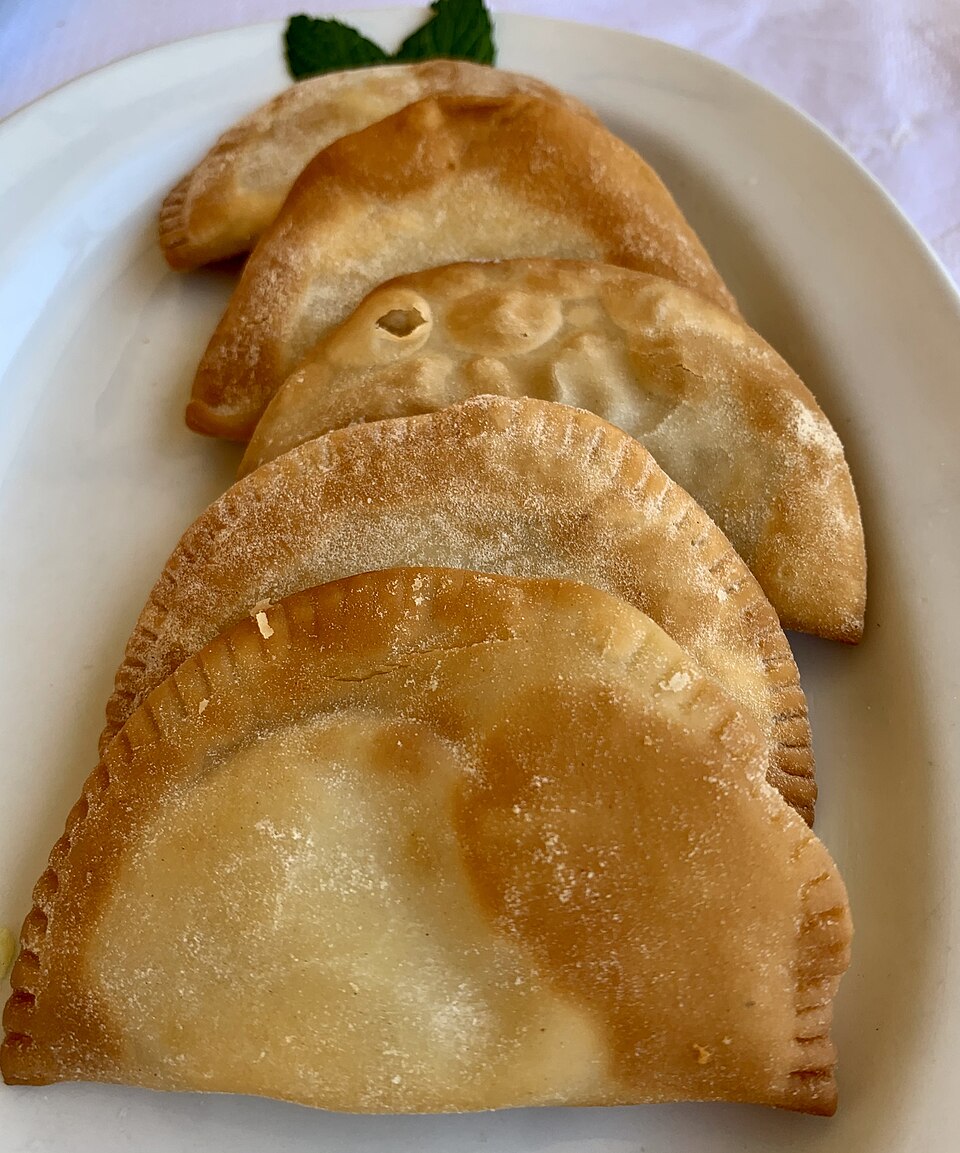
Make Courgette Fritters with Feta4. Cretan Sweet Cheese Hand Pies
Kalitsounia · Καλιτσούνια · kah-lee-TSOO-nyah
Hand pies from Crete filled with mizithra, a fresh, soft whey cheese, lightly sweetened. They are an Easter food that households make all year. Fried or baked is a family matter, not a rule: fried gives a richer crust with crisp edges, baked is lighter and keeps better. Honey goes on at the table.
Yiayia’s tip: Drain the cheese properly. A wet filling steams the dough apart from the inside. Twenty minutes minimum in a sieve or tea towel is worth the wait.
Make Cretan Sweet Cheese Hand Pies5. Cretan Fried Snails
Hochlioi boubouristi · Χοχλιοί μπουμπουριστοί · hoh-hlee-EE boo-boo-ree-STEE
Snails are ordinary food on Crete, eaten in tavernas across the island, and this is the plainest, best known way with them. They go into hot olive oil alive and the heat pops them partly out of the shell, the boubourizoun of the name. Vinegar, salt and rosemary finish it, and the vinegar matters most.
Yiayia’s tip: Only use properly purged snails. This is a genuine food safety requirement, not a traditional flourish. Buy from a specialist supplier if you are not experienced in purging them yourself.
Make Cretan Fried Snails6. Cretan Clarified Cream with Eggs
Staka me avga · Στάκα με αυγά · STAH-kah meh av-GHAH
Barely a recipe. Staka is a Cretan dairy fat rendered from the cream of sheep or goat milk, tangy and faintly cheesy where butter is not, and eggs are fried straight in it for breakfast. Baste the whites with the hot fat as they cook. Without it, ghee is the nearest thing, though milder.
Yiayia’s tip: Keep the heat moderate. Staka has a lower smoke point than plain oil. Too fierce a heat browns it unpleasantly before the eggs are done.
Make Cretan Clarified Cream with Eggs7. Cretan Spit-Roasted Lamb Facing the Fire
Antikristo · Αντικριστό · an-dee-kree-STOH
The Cretan way with a whole lamb or goat, where the rest of Greece turns a spit. The name means facing: large cuts on skewers stand upright in the ground around the fire and cook slowly from a distance. The meat leaves the bone with hardly any char. Food for Easter or a name day.
Yiayia’s tip: Burn the fire down to embers first. This method depends on steady radiant heat, not direct flame. Starting too early, over open fire, chars the outside before the inside cooks.
Make Cretan Spit-Roasted Lamb Facing the Fire8. Warm Raki with Honey and Spices
Rakomelo · Ρακόμελο · rah-KOH-meh-loh
Crete's raki is a clear spirit distilled from the skins, stems and seeds left after the grapes are pressed. Warmed with cinnamon, clove and honey it turns into a winter drink, taken slowly in small cups. Households turn to it when a cold or sore throat is starting. Use plain raki, never an aniseed one.
Yiayia’s tip: Never let it boil. Boiling drives off the alcohol along with much of the aroma. Keep the heat low throughout.
Make Warm Raki with Honey and Spices9. Wild Greens Pie
Hortopita · Χορτόπιτα · hor-TOH-pee-tah
Horta are the greens a household gathers from the hillside or grows in the garden: dandelion, chicory, nettle tops, chard, spinach. Crete and Epirus, both with a strong tradition of foraging, bake them into this pie. It is more bitter and more rustic than spanakopita. Without the egg and cheese it is vegan.
Yiayia’s tip: Use a genuine mix of greens. This is what gives hortopita its varied, rustic character. A single mild green alone gives something closer to plain spanakopita.
Make Wild Greens Pie10. Cretan Cracked Green Olives
Elies tsakistes Kritis · Ελιές τσακιστές Κρήτης · eh-lee-ES tsah-kee-STES KREE-tees
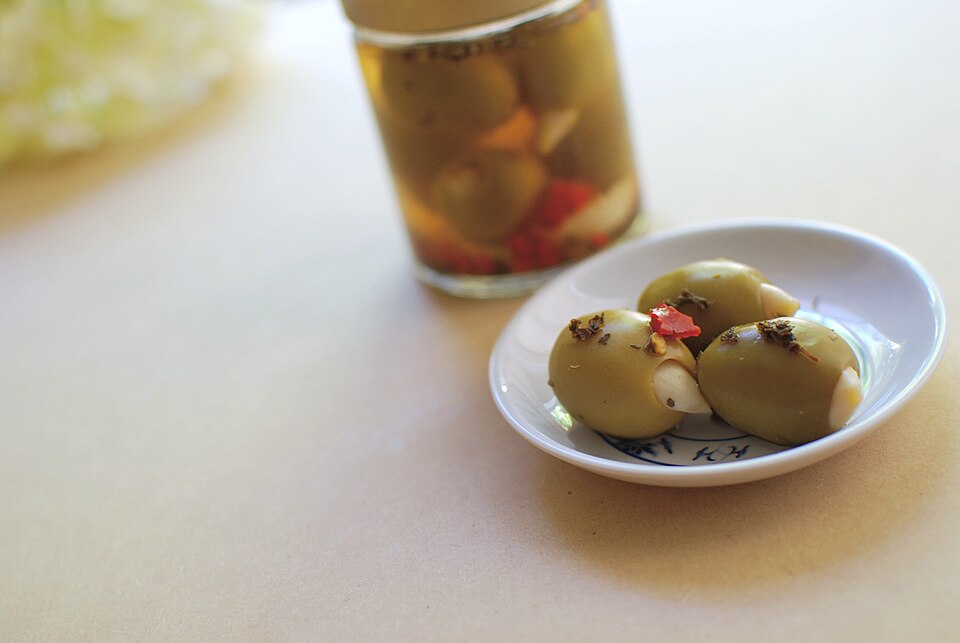
Green olives are too bitter to eat off the tree. Crete cures them the fast way, splitting each one before it goes into brine so the cure gets in sooner, though it still takes days. Garlic, coriander seed and lemon finish them. The brine is strong enough when a raw egg floats in it.
Yiayia’s tip: Crack, don't shatter. A firm crack that splits the skin is enough. Shattering the olive entirely makes it fall apart in the brine.
Make Cretan Cracked Green Olives11. Cretan Smoked Marinated Pork
Apaki Kritis · Απάκι Κρήτης · ah-PAH-kee KREE-tees
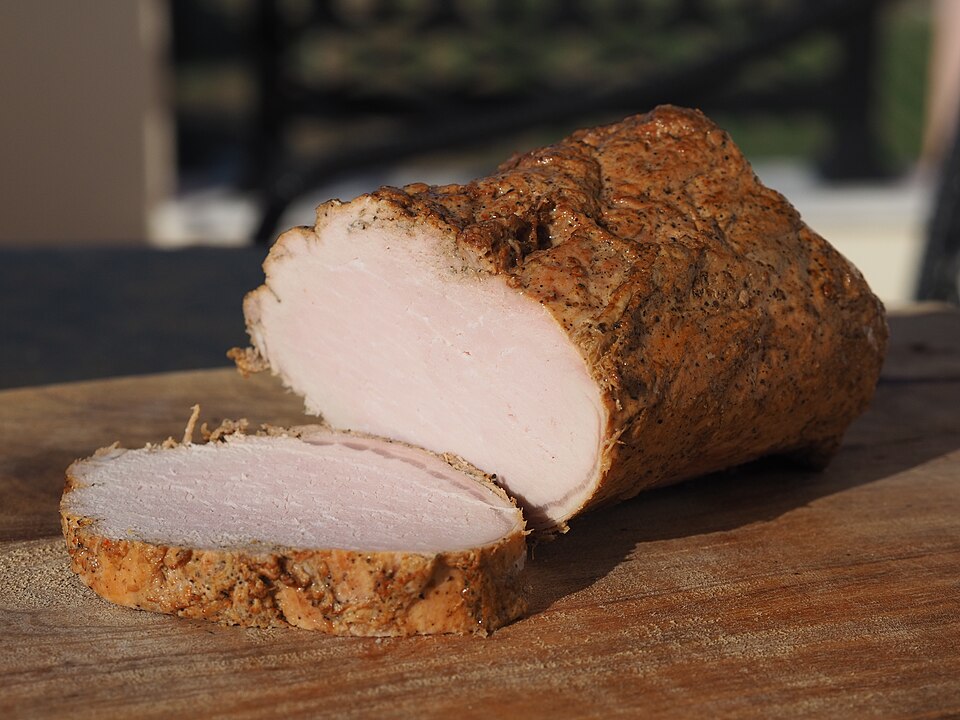
Cured pork the Cretan way: marinated, smoked over aromatic local wood and scented with oregano and wild herbs, where its island cousins use coriander seed or juniper. It is not eaten raw in thin slices as louza often is. Apaki is fried briefly or cooked into other dishes. Making it takes days.
Yiayia’s tip: The vinegar marinade is what defines apaki. It gives a tangier character than the wine-based cures used for lountza or louza, and is worth not substituting away.
Make Cretan Smoked Marinated Pork12. Sage Tea
Tsai faskomilo · Τσάι φασκόμηλο · TSAH-ee fahs-KOH-mee-loh
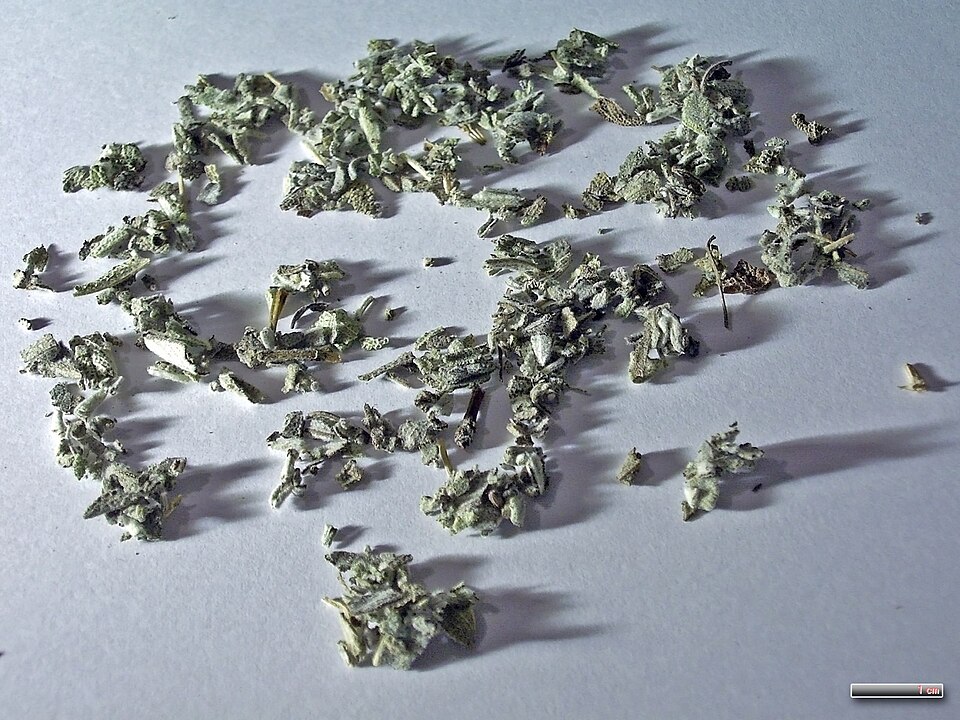
Greek sage grows wild across Crete and the islands. Its tea is a stronger thing than mountain tea, pungent and savoury where that one is floral, and it is a traditional home remedy for a sore throat. Thirteen minutes, most of them spent waiting.
Yiayia’s tip: Do not oversteep. Beyond about ten minutes, the tea can develop a bitter, overly medicinal edge it does not need.
Make Sage Tea13. Pasta with Fresh Mizithra Cheese
Makaronia me mizithra · Μακαρόνια με μυζήθρα · mah-kah-ROH-nyah meh mee-ZEE-thrah
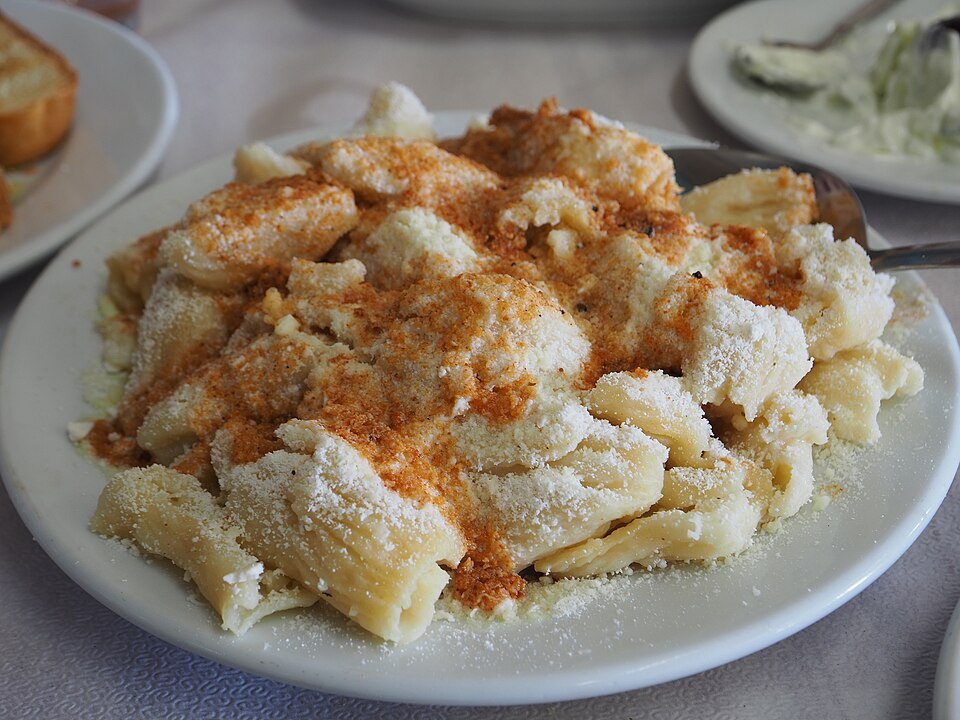
Pasta from the days before Greek kitchens went in for elaborate sauces. One cheese does the work in two forms. Fresh mizithra, a whey cheese from Crete and elsewhere, mild with a slight tang, is folded through with butter, and the aged, hard kind is grated on top for salt and sharpness.
Yiayia’s tip: Toss the butter through while the pasta is still steaming hot. This is what helps the fresh mizithra soften and cling properly, rather than sitting as separate crumbles on top of cooling pasta.
Make Pasta with Fresh Mizithra Cheese14. Cretan Sour Trahanas
Xinohondros · Ξινόχοντρος · ksee-NOH-hon-dros
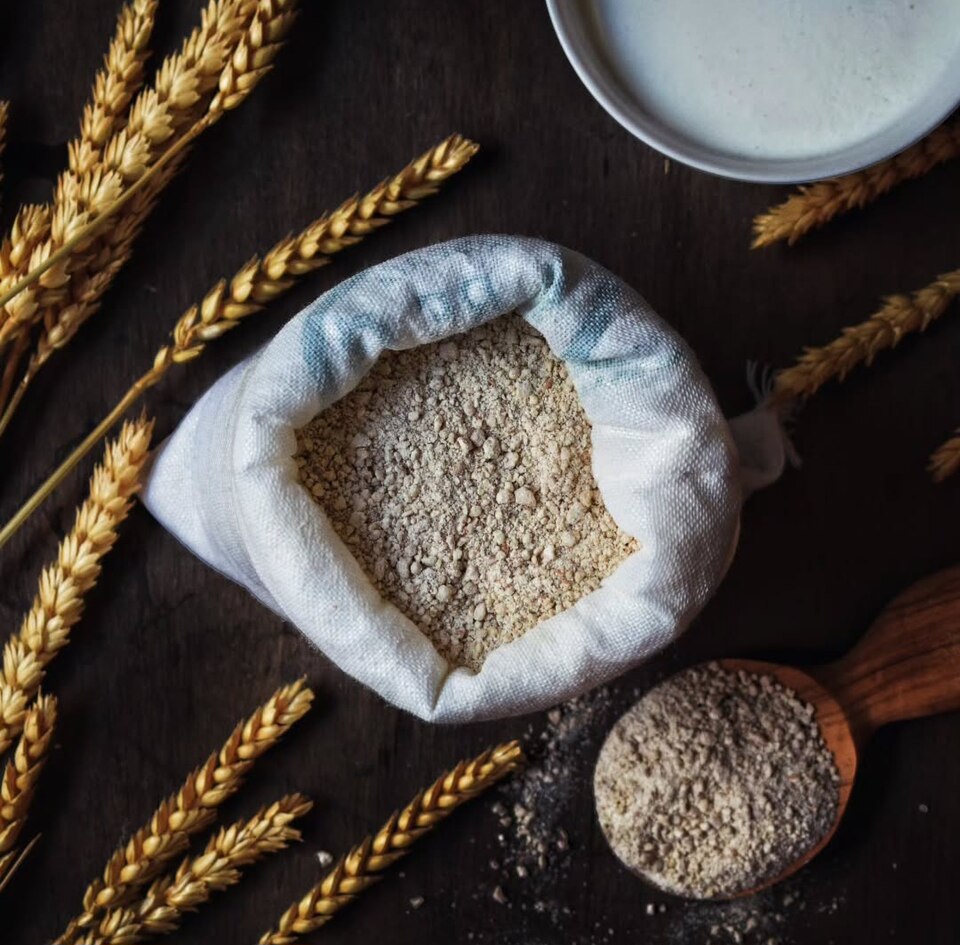
A Cretan way of keeping grain and milk through the winter. Cracked wheat is fermented with soured goat or sheep milk, sun-dried until hard, then stored for months. Cooked in stock or water it becomes a coarse, tangy porridge, close to yogurt in its sourness. Olive oil over the top rounds it out.
Yiayia’s tip: Use genuinely sour milk. This is what defines xinohondros against plain trahanas. Fresh, unsoured milk will not give the same distinctly tangy character.
Make Cretan Sour Trahanas15. Cretan Wedding Pilaf
Gamopilafo · Γαμοπίλαφο · gah-moh-PEE-lah-foh
Gamos means wedding. This is the rice that feeds a whole Cretan wedding, cooked in broth from whole roosters. At home it is one bird and one pot. It is no everyday chicken and rice, because of the fat that goes in last: butter, and by tradition a spoonful of staka, Crete's clarified dairy fat.
Yiayia’s tip: Do not rush the broth. A genuinely long simmer is what gives gamopilafo its deep savoury base. A short stock leaves the whole dish tasting thin.
Make Cretan Wedding Pilaf16. Cretan Rabbit Stew with Onions
Kouneli stifado · Κουνέλι στιφάδο · koo-NEH-lee stee-FAH-thoh
Stifado is usually beef. On Crete, where hunting remains a strong tradition, rabbit is just as common, and it needs far less time in the pot. The rest is the familiar formula: small whole onions, about two-thirds the weight of the rabbit, red wine, cinnamon and clove. Farmed rabbit does as well as wild.
Yiayia’s tip: Brown the rabbit properly. This builds real depth into the braising liquid, exactly as it would for a beef stifado.
Make Cretan Rabbit Stew with Onions17. Cretan Thin Cheese Pie with Honey
Sfakianopita · Σφακιανόπιτα · sfah-kyah-NOH-pee-tah
Nearly every Greek cheese pie wraps dough around a filling. In Sfakia, in south-western Crete, the soft cheese is kneaded into the dough, so the two become one thing. It is fried in a pan, not baked, where it puffs and blisters, and honey goes over the top. Better warm from the pan than reheated.
Yiayia’s tip: Roll the dough properly thin. A thick disc will not cook through properly in the short time it spends in the pan. Thin is essential here.
Make Cretan Thin Cheese Pie with Honey18. Rusk with Honey and Walnuts
Paximadia me meli kai karydia · Παξιμάδια με μέλι και καρύδια · pahk-see-MAH-thyah meh meh-LEE keh kah-REE-thyah
The barley rusk that carries tomato and feta in dakos, eaten sweet at breakfast under honey and crushed walnuts. It is baked twice to keep for months, an old answer to the seasons when baking fresh was not always possible. Rest it a minute or two once moistened, then eat it before it softens further.
Yiayia’s tip: A few seconds of water is enough. The rusk is porous and absorbs moisture fast. Leaving it soaking turns it to mush rather than pleasantly softened.
Make Rusk with Honey and Walnuts19. Cretan Savoury Cheese Hand Pies
Kalitsounia almyra · Καλιτσούνια αλμυρά · kah-lee-TSOO-nyah ahl-mee-RAH
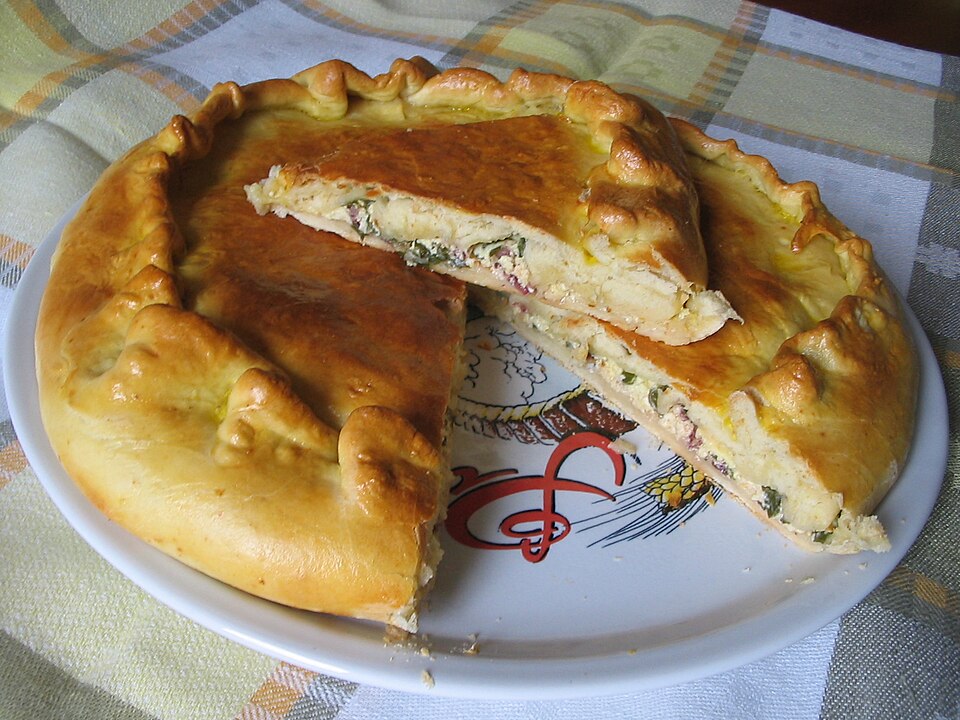
The small cheese hand pies of Crete have two identities, and this is the savoury one. The filling is still fresh mizithra and mint, but pepper replaces sugar and no honey goes near them. Fry them for a richer crust or bake for a lighter one. They belong on a meze table or at lunch.
Yiayia’s tip: Drain the cheese properly. A wet filling steams the dough apart from the inside, exactly the same risk as with the sweet version.
Make Cretan Savoury Cheese Hand Pies20. Mountain Tea
Tsai tou vounou · Τσάι του βουνού · TSAH-ee too voo-NOO
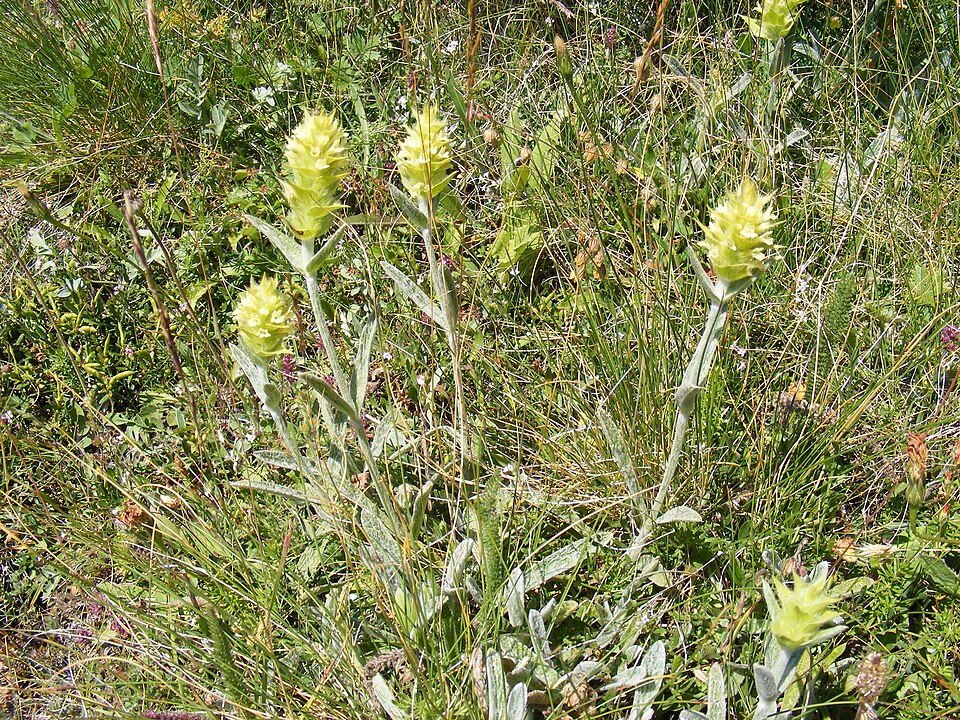
Dried sideritis, a silver-grey wild plant gathered by hand from the high, rocky parts of Epirus and Crete. The tea is mild, faintly floral and has no caffeine in it. Greeks drink it through the cold months, and it has a long history as a home remedy.
Yiayia’s tip: Use water just off the boil, not at a rolling boil. Very vigorously boiling water can scorch the delicate dried plant material and give a harsher flavour.
Make Mountain Tea21. Roast Goat with Lemon
Katsikaki lemonato · Κατσικάκι λεμονάτο · kah-tsee-KAH-kee leh-moh-NAH-toh
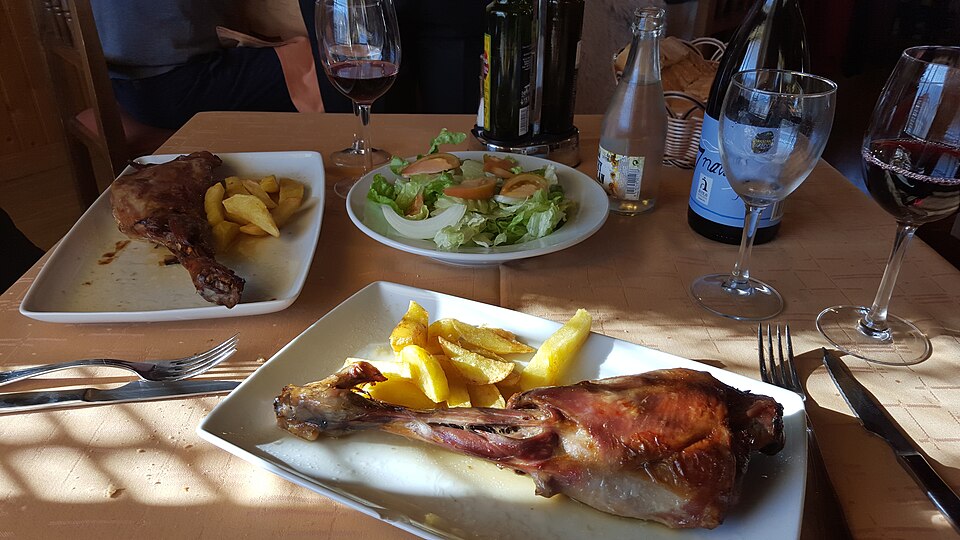
Outsiders think of Greek Easter as lamb. In the Cyclades and Crete, where goat has long been as common as sheep, it is on the table as often. The method is that of arnaki lemonato: lemon, garlic, oregano and a long covered roast. Goat tastes a little stronger and more mineral, and can need longer.
Yiayia’s tip: Ask for kid goat specifically. Katsikaki, young goat, is considerably more tender than older goat meat and is the right choice for this dish.
Make Roast Goat with Lemon
Browse other regions
Get one proper Greek recipe a week
No round-ups, no filler, no fifteen-ingredient shortcuts. One dish, written out in full, with the reasoning included.
One email a week. Unsubscribe from any of them.