Greek Drinks · Crete · Boiled and Simmered · Christmas
Greek Sage Tea (Faskomilo Tsai)
Τσάι φασκόμηλο TSAH-ee fahs-KOH-mee-loh · Tsai faskomilo
In short
Faskomilo tsai is a Greek herbal tea made from dried sage, steeped simply in hot water, distinct from mountain tea's sideritis plant despite both being caffeine-free herbal infusions drunk across Greek islands. Faskomilo has a more pungent, savoury, medicinal character than mountain tea's milder, floral note.
Sage Tea
- Prep
- 5m
- Cook
- 8m
- Total
- 13m
- Serves
- 4
- Level
- Beginner
Ingredients
Ingredients
Tick ingredients off as you go. Quantities rescale with the buttons above.
Method
- 01Bring the water to the boil, then take it off the heat.
- 02Put the dried sage leaves into a teapot or heatproof jug.
Sage - 03Pour the just-boiled water over the leaves.
- 04Cover and steep for 5 to 8 minutes.Do not oversteep.Yiayia
- 05Strain into cups and serve, with honey if you like.
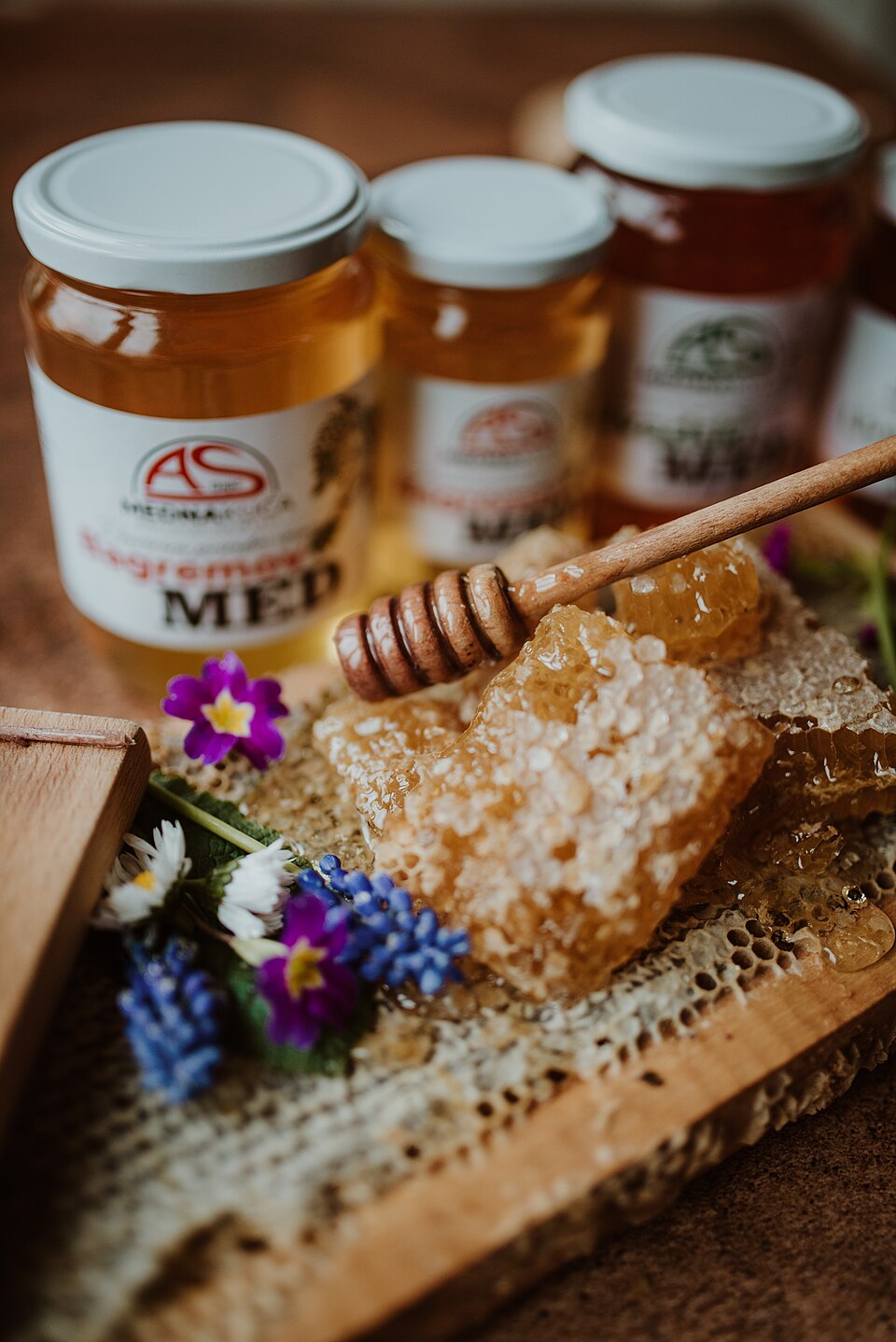
Honey
Nutrition, per 1 cup, without honey
- Calories
- 2
- Protein
- 0 g
- Carbs
- 0 g
- Fat
- 0 g
- Sat fat
- 0 g
- Fibre
- 0 g
These figures are calculated estimates based on the ingredients listed, not laboratory analysis. Actual values vary with brands, cuts and portion size.
Faskomilo, Greek sage, grows wild across Crete and many of the islands, and its dried leaves make a tea genuinely distinct from mountain tea despite both belonging to the same broad family of caffeine-free Greek herbal infusions: sage carries a more pungent, savoury, almost medicinal character, quite different from mountain tea's milder, floral note.
It is drunk both for simple pleasure through the day and, traditionally, as a home remedy for sore throats and digestive upset, in the same spirit as mountain tea, though the two plants and their flavours are genuinely their own things rather than interchangeable.
The preparation could not be simpler, dried sage leaves steeped in hot water, and the only real technique is not oversteeping it, which brings out a slightly bitter, overly medicinal edge the tea does not need.
Key preparation steps
- Break dried sage leaves into a pot or cup.
- Pour over just-boiled water.
- Steep for five to eight minutes.
- Strain and serve, with honey if you like.
What faskomilo is
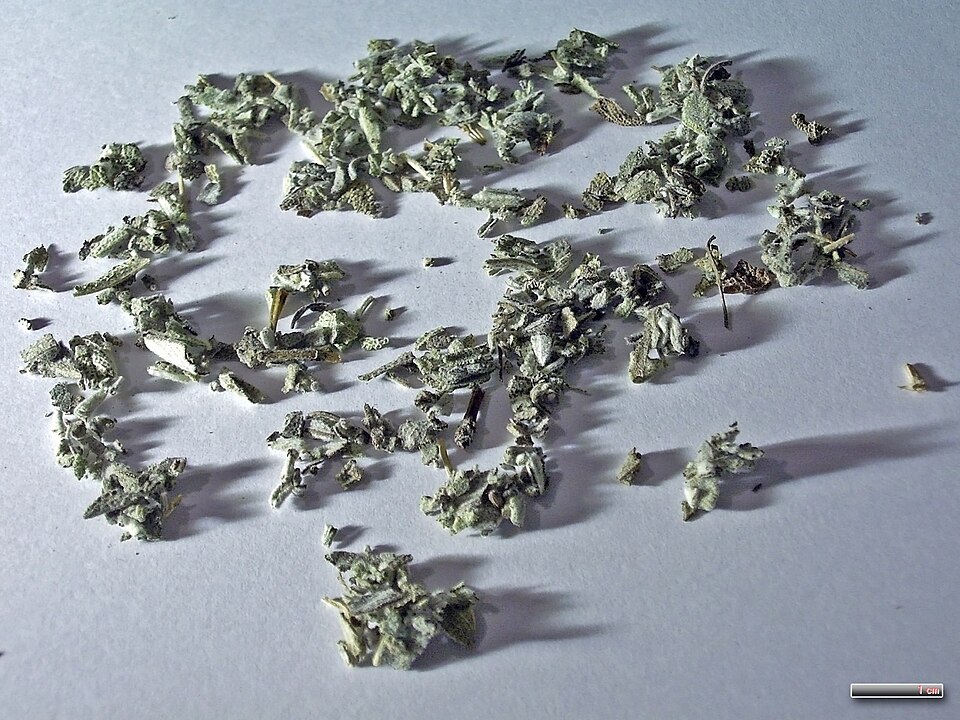
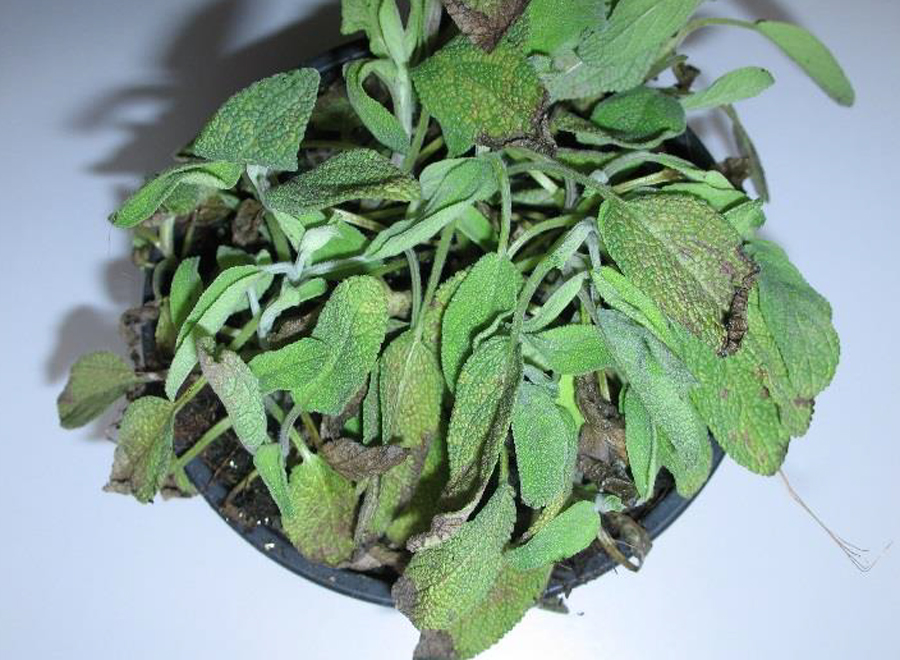
Greek sage, Salvia fruticosa, is a wild-growing shrub found across Crete and many Greek islands, distinct from the common garden sage used in Western cooking, though related. It is sold dried, usually as whole leaves, in Greek grocers and health shops.
Steeping it properly
Pour water that has just come off the boil over the dried sage leaves, cover, and steep for five to eight minutes. Oversteeping brings out a slightly bitter, overly medicinal edge, so do not leave it much beyond ten minutes if you want the tea at its most pleasant.
Serving
Strain into cups and serve as is, or with a spoon of honey, which softens sage's more assertive, savoury edge nicely. It is naturally caffeine-free, and traditionally reached for both as an everyday drink and at the first sign of a sore throat or digestive upset.
What matters in this dish
Do not oversteep
Beyond about ten minutes, the tea can develop a bitter, overly medicinal edge it does not need.
Use genuine Greek sage if you can
Salvia fruticosa has a slightly different, more pungent character from common Western garden sage.
This is not the same as mountain tea
Both are caffeine-free Greek herbal teas, but faskomilo is more savoury and pungent, while mountain tea is milder and more floral.
Questions people ask about Tsai faskomilo
What is the difference between faskomilo and mountain tea?
Both are caffeine-free Greek herbal teas, but faskomilo comes from Greek sage and has a pungent, savoury character, while mountain tea comes from the sideritis plant and is milder and more floral.
Does faskomilo tea contain caffeine?
No, it is naturally caffeine-free, made from dried sage leaves rather than tea leaves.
Is faskomilo tea a genuine home remedy?
Traditionally, yes, reached for at the first sign of a sore throat or digestive upset across Crete and the Greek islands, alongside being drunk simply for pleasure.