Greek Main Courses · Peloponnese · The Mainland · Baked · Christmas
Greek Turkey Stuffed with Chestnuts (Galopoula Gemisti me Kastana)
Γαλοπούλα γεμιστή με κάστανα gah-loh-POO-lah yeh-mee-STEE meh KAH-stah-nah · Galopoula gemisti me kastana
In short
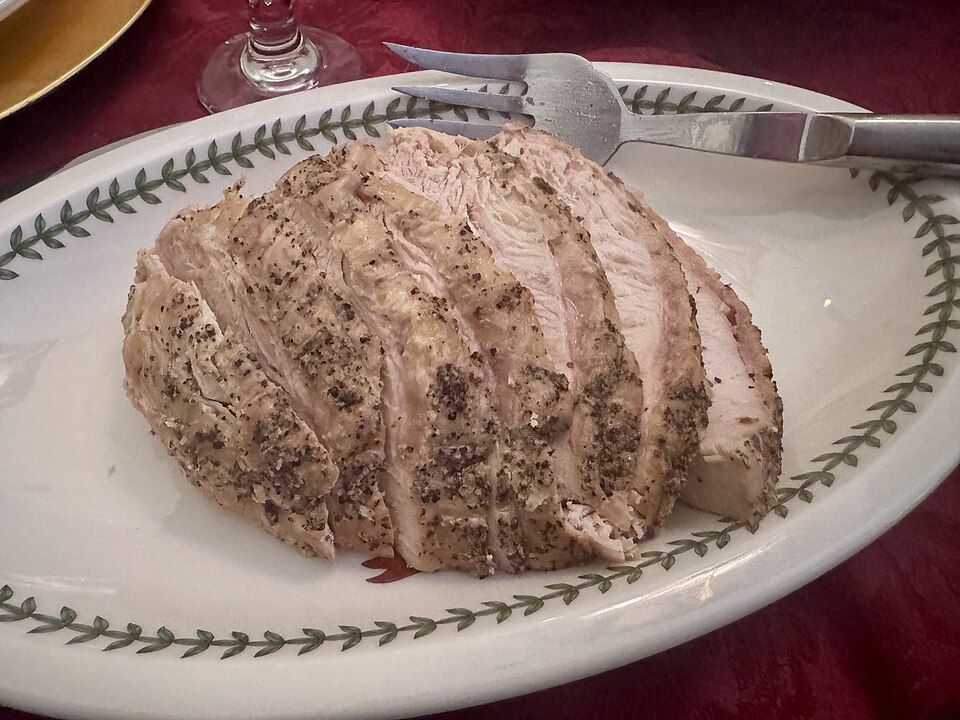
Galopoula gemisti me kastana is a whole turkey stuffed with a rich filling of minced meat, rice, chestnuts and pine nuts, roasted slowly until deeply tender. It is Greece's own Christmas centrepiece, sharing the season with a Western roast turkey but built on a completely different, considerably more savoury filling.
Turkey Stuffed with Chestnuts
- Prep
- 1h
- Cook
- 4h
- Total
- 5h
- Serves
- 12
- Level
- Advanced
Ingredients
For the filling
For the turkey
Tick ingredients off as you go. Quantities rescale with the buttons above.
Method
- 01Heat the olive oil in a wide pan and brown the mince, then add the onion and cook for 8 minutes, until soft.
- 02Stir in the rice, chestnuts, pine nuts and cinnamon. Add the hot stock and cook for 5 minutes, until partly absorbed. The rice should still be undercooked. Season well and cool completely.
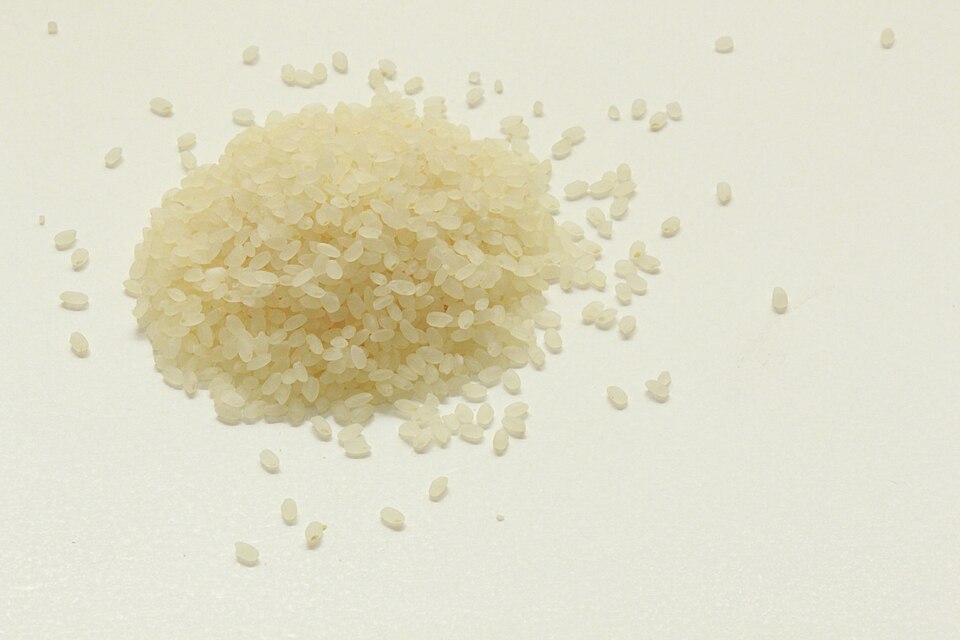
Rice - 03Heat the oven to 160C fan 140C.
- 04Season the turkey inside and out, rubbing with olive oil, lemon juice and oregano.
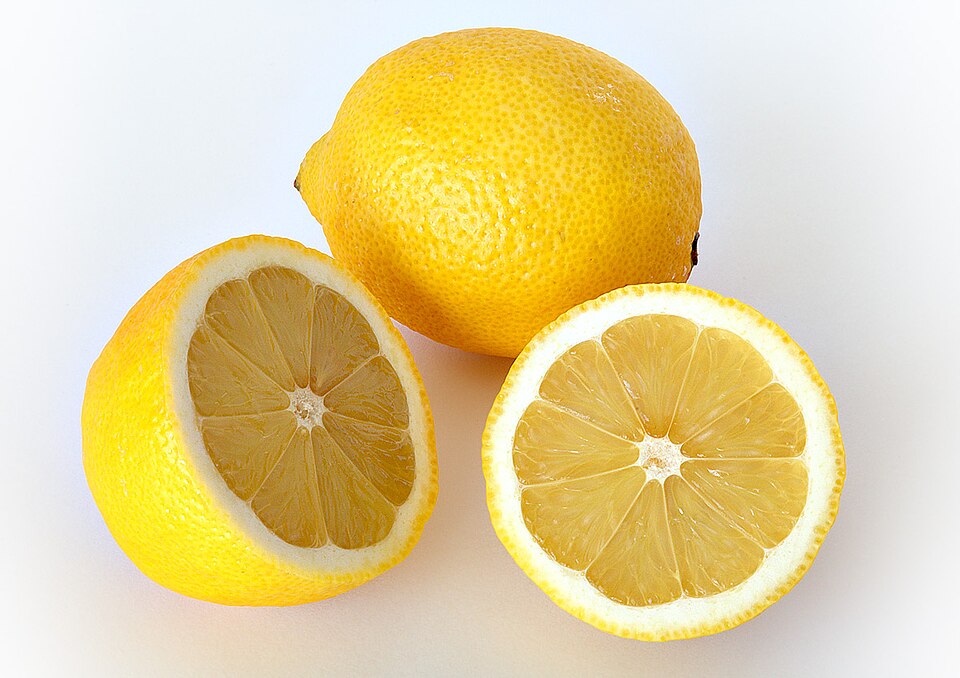
Lemon - 05Fill the cavity loosely with the cooled filling. Truss the legs and tuck the wings.
- 06Place in a large roasting tray and cover loosely with foil. Roast for about 20 minutes per kilogram, basting every 45 minutes.
- 07Remove the foil for the final 30 to 40 minutes to let the skin turn deeply golden.
- 08Check the thigh and the centre of the stuffing have reached a safe internal temperature before resting for 20 minutes and carving.Undercook the rice before stuffing.Yiayia
Nutrition, per 1 portion
- Calories
- 486
- Protein
- 42 g
- Carbs
- 28 g
- Fat
- 22 g
- Sat fat
- 6 g
- Fibre
- 2 g
These figures are calculated estimates based on the ingredients listed, not laboratory analysis. Actual values vary with brands, cuts and portion size.
Turkey arrived on the Greek Christmas table relatively recently, as a genuinely global holiday centrepiece, but Greek households gave it their own filling entirely: minced meat, rice, chestnuts and pine nuts, cooked down with warm spices before ever going near the bird, quite unlike the bread-based stuffing found elsewhere.
Chestnuts, in season and widely available across Greece exactly at Christmas, are the ingredient that gives this filling its specific festive character, and roasted or boiled chestnuts, chopped and folded through the rice and meat, add both sweetness and real texture.
This is a genuine full-day project for a large gathering, and the turkey needs real time in the oven at a moderate temperature to cook through fully without drying out, given how much larger it is than the chicken most other Greek roasts are built around.
Key preparation steps
- Cook the mince and rice filling with chestnuts and pine nuts.
- Cool the filling before stuffing the bird.
- Stuff loosely and truss the turkey.
- Roast slowly, basting regularly, until completely tender.
The chestnut and rice filling
Cook minced beef or a beef and pork mix with onion until browned, then stir in raw rice, chopped roasted or boiled chestnuts, toasted pine nuts, and a little cinnamon, cooking briefly with a splash of stock until the rice has begun to absorb liquid. The rice will finish cooking inside the turkey itself, so it should be undercooked, not tender, at this stage.
Cool the filling completely before it goes anywhere near the bird, since a hot filling inside a whole turkey creates a food safety risk as well as being impractical to stuff.
Stuffing and trussing
Fill the turkey's main cavity loosely, never packed tightly, since the rice needs room to expand as it finishes cooking, and any extra filling that does not fit can be baked separately in a dish alongside. Truss the legs and tuck the wings to help the bird cook evenly and hold its shape.
The long, slow roast
Roast at a moderate temperature, around 160C, calculating roughly twenty minutes per kilogram plus a little extra to account for the stuffing, basting regularly with the pan juices to keep the breast from drying out. Cover loosely with foil for most of the cook, removing it for the final thirty to forty minutes to let the skin turn deeply golden.
Check that both the thickest part of the thigh and the centre of the stuffing have reached a safe internal temperature before resting and carving.
What matters in this dish
Stuff loosely, never tightly
The rice expands considerably as it finishes cooking inside the bird. Packing it tightly risks uneven cooking and a food safety issue.
Undercook the rice before stuffing
It finishes cooking using the turkey's own juices during the long roast. Fully cooked rice going in would turn to mush by the time the bird is done.
Baste regularly
A turkey this size dries out easily without regular basting through the long, slow roast.
Questions people ask about Galopoula gemisti me kastana
Why chestnuts specifically in Greek turkey stuffing?
They are in season across Greece exactly at Christmas, and their sweetness and texture became a defining feature of the Greek approach to this relatively recently adopted holiday centrepiece.
Can you cook extra stuffing separately?
Yes, any filling that does not fit inside the bird bakes well separately in a covered dish alongside, for the final hour or so of the turkey's roasting time.
How do you know when the turkey is fully cooked?
Check both the thickest part of the thigh and the centre of the stuffing reach a safe internal temperature, since stuffed poultry needs the filling checked separately from the meat itself.