Greek Main Courses · Northern Greece · Boiled and Simmered · The Sunday Table
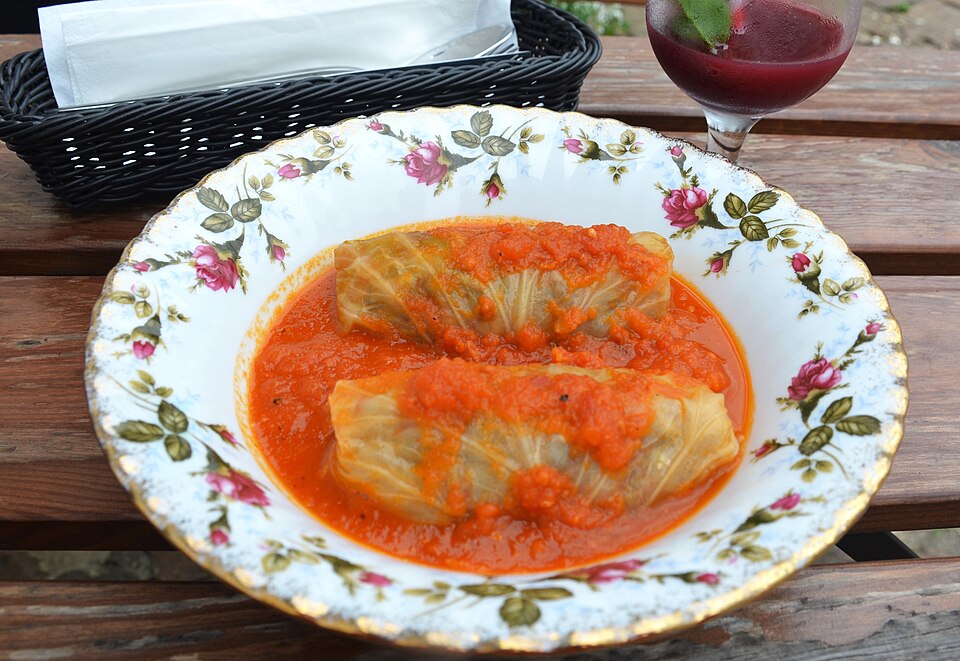
Macedonian Stuffed Cabbage Leaves (Giaprakia Thessalonikis)
Γιαπράκια Θεσσαλονίκης yah-PRAH-kyah theh-sah-loh-NEE-kis · Giaprakia Thessalonikis
In short
Giaprakia are cabbage leaves stuffed with rice and minced meat, rolled and simmered gently, then finished with avgolemono, associated specifically with Thessaloniki and the wider Macedonian region of northern Greece. They are the winter, cabbage-leaf cousin of vine leaf dolmades, using a vegetable in season when grape leaves are not.
Macedonian Stuffed Cabbage Leaves
- Prep
- 1h
- Cook
- 1h
- Total
- 2h
- Serves
- 6
- Level
- Intermediate
Ingredients
Ingredients
Tick ingredients off as you go. Quantities rescale with the buttons above.
Method
- 01Core the cabbage and blanch it in a large pot of boiling water, peeling away softened leaves as they loosen. Trim the thick central rib of each leaf.Trim the thick central rib.Yiayia
- 02Mix the minced meat, rice, grated onion, parsley and half the olive oil in a bowl. Season generously.
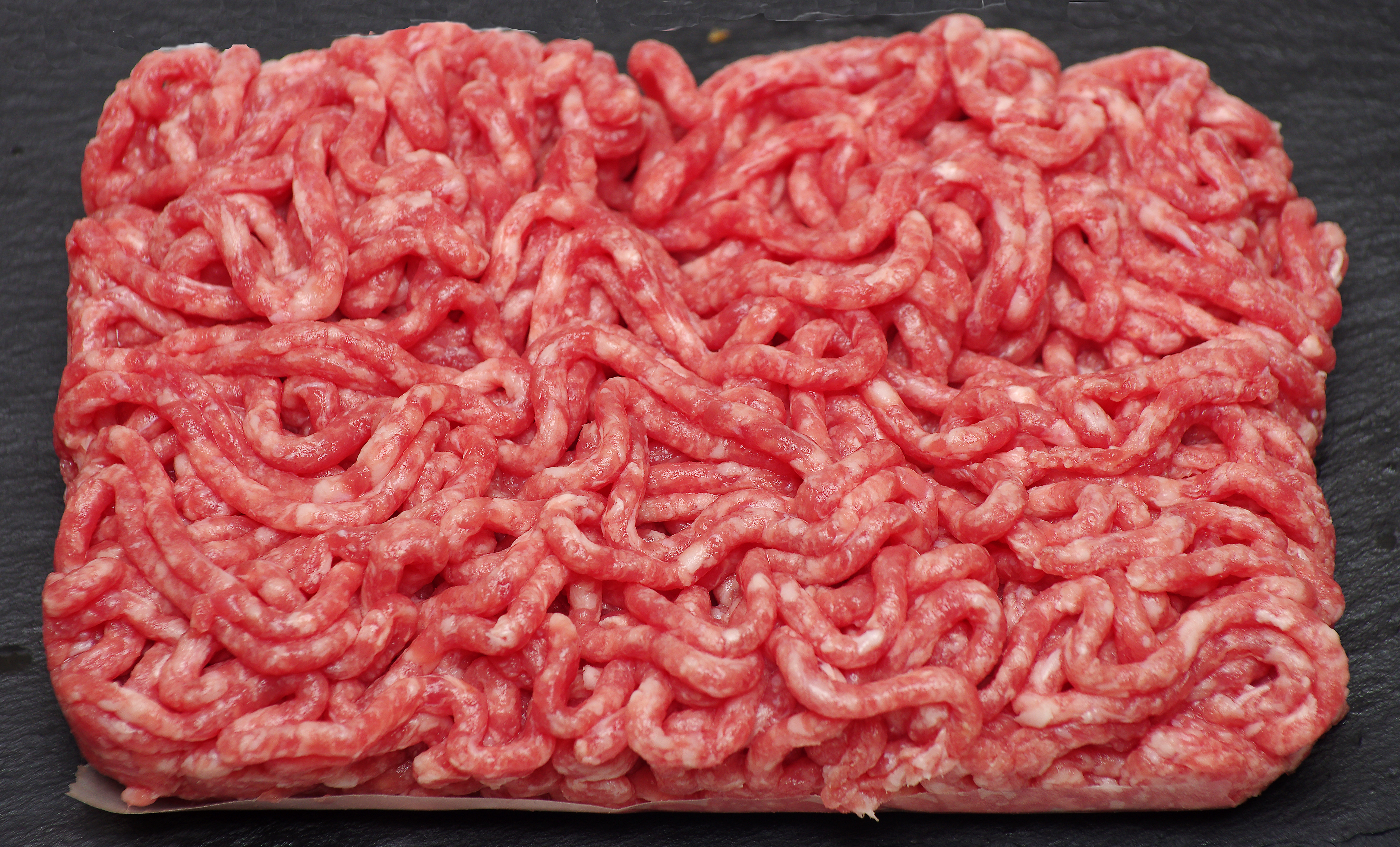
Minced Meat - 03Place a spoonful of filling near the base of each leaf, fold in the sides, and roll up tightly.
- 04Line a large pot with any torn or spare cabbage leaves. Pack the rolls in tightly, seam side down.
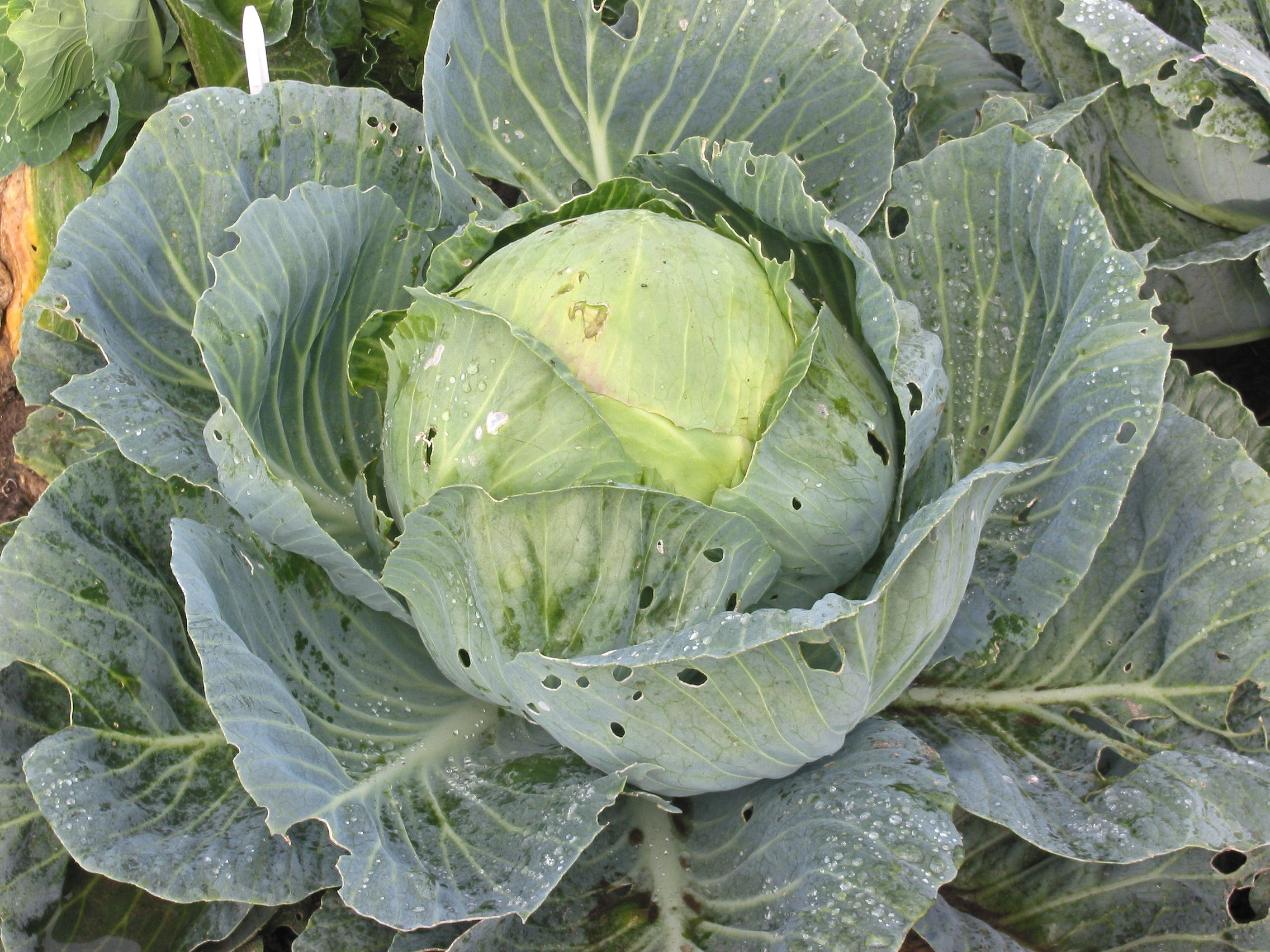
Cabbage - 05Pour over the remaining olive oil and the hot water or stock, and sit a plate directly on top to weight the rolls down.
- 06Bring to a gentle simmer, cover, and cook on low for 50 minutes to 1 hour, until the rice is fully tender.
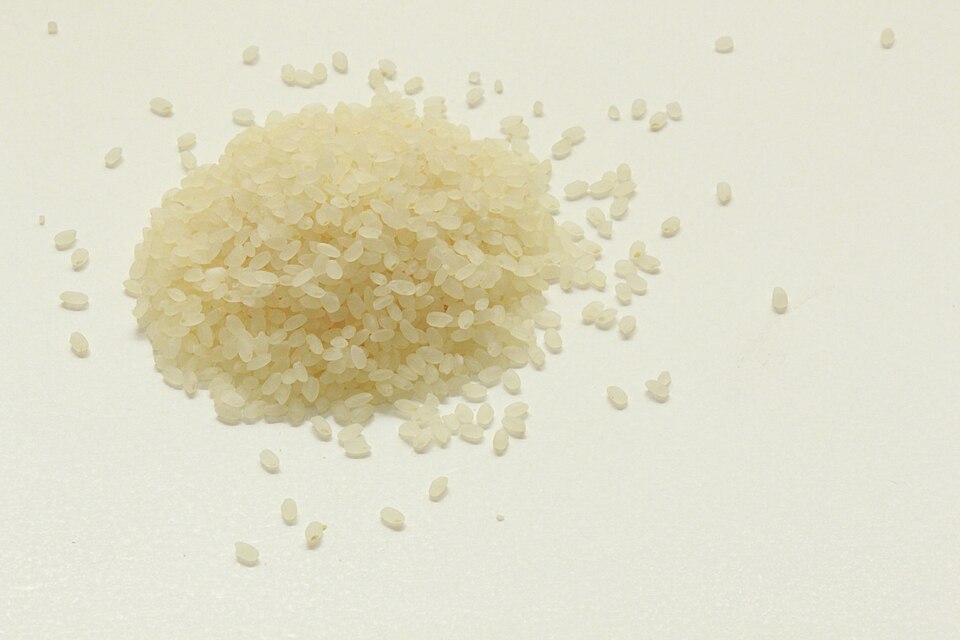
Rice - 07Take the pot completely off the heat. Beat the eggs with the lemon juice, temper with several ladlefuls of the hot liquid, whisking constantly, then stir back into the pot.
- 08Serve warm.
Nutrition, per 4 rolls
- Calories
- 342
- Protein
- 18 g
- Carbs
- 26 g
- Fat
- 19 g
- Sat fat
- 6 g
- Fibre
- 3 g
These figures are calculated estimates based on the ingredients listed, not laboratory analysis. Actual values vary with brands, cuts and portion size.
Vine leaves are only good for rolling for part of the year, and giaprakia solves the rest of it: cabbage leaves, blanched soft and pliable, wrapped around the same rice and minced meat filling used in koupepia or meat-filled dolmades, giving northern Greece, and Thessaloniki specifically, a version that works through the colder months when grape leaves have long since dropped.
The name and the dish both reflect the wider Balkan tradition of stuffed cabbage found across the region, adapted into Macedonian Greek cooking with its own particular seasoning and, distinctly, a finish of avgolemono that many neighbouring versions do not use.
This is proper cold-weather comfort food, and like most stuffed vegetable dishes, it rewards patience both in the rolling and in the gentle, unhurried simmer that follows.
Key preparation steps
- Blanch whole cabbage leaves until pliable.
- Mix a rice and minced meat filling.
- Roll tightly and pack into a weighted pot.
- Simmer gently and finish with avgolemono.
Preparing the cabbage
Core a whole cabbage and blanch it briefly in a large pot of boiling water, peeling away softened outer leaves as they loosen, a few at a time, returning the remaining head to the water until you have enough pliable leaves. Trim the thick central rib of each leaf so it folds easily without tearing.
The filling
Minced pork and beef mixed, with raw rice, grated onion and chopped parsley, exactly the same proportions used in Cypriot koupepia, since both dishes share the same underlying logic of raw rice swelling as it cooks inside the wrap. Season generously.
Rolling and the gentle simmer
Roll each portion of filling tightly inside a cabbage leaf, tucking in the sides as you go, and pack the rolls closely, seam side down, in a pot lined with any spare or torn leaves. Weight with a plate, add water or stock to just cover, and simmer gently for around fifty minutes to an hour, until the rice is fully tender.
Finish with avgolemono, taking the pot fully off the heat, tempering beaten egg and lemon with hot liquid from the pot, then stirring it back in gently, exactly as with any other avgolemono-finished dish.
What matters in this dish
Trim the thick central rib
This is what lets each cabbage leaf fold and roll without tearing.
Roll tightly
The rice swells considerably as it cooks. A loose roll opens up in the pot.
Weight the pot properly
A plate sitting directly on the rolls stops them unravelling as the rice expands during the simmer.
Questions people ask about Giaprakia Thessalonikis
What is the difference between giaprakia and dolmades?
Giaprakia use cabbage leaves rather than vine leaves, making them a practical winter version when grape leaves are not in season, and are particularly associated with Thessaloniki and the wider Macedonian region.
Do giaprakia always have meat?
The classic version does, following the same logic as meat-filled koupepia, though vegetarian versions using just rice and herbs exist as well, closer to vine leaf dolmadakia yialantzi.
Can you make giaprakia ahead?
Yes, they keep well for a couple of days refrigerated in their cooking liquid, though the avgolemono is best added fresh at serving rather than stored on the rolls.