Greek Desserts · Peloponnese · No-Cook · Christmas
Peloponnese Dried Fig and Walnut Bars (Sykomaida)
Συκομαΐδα see-koh-mah-EE-thah · Sykomaida
In short
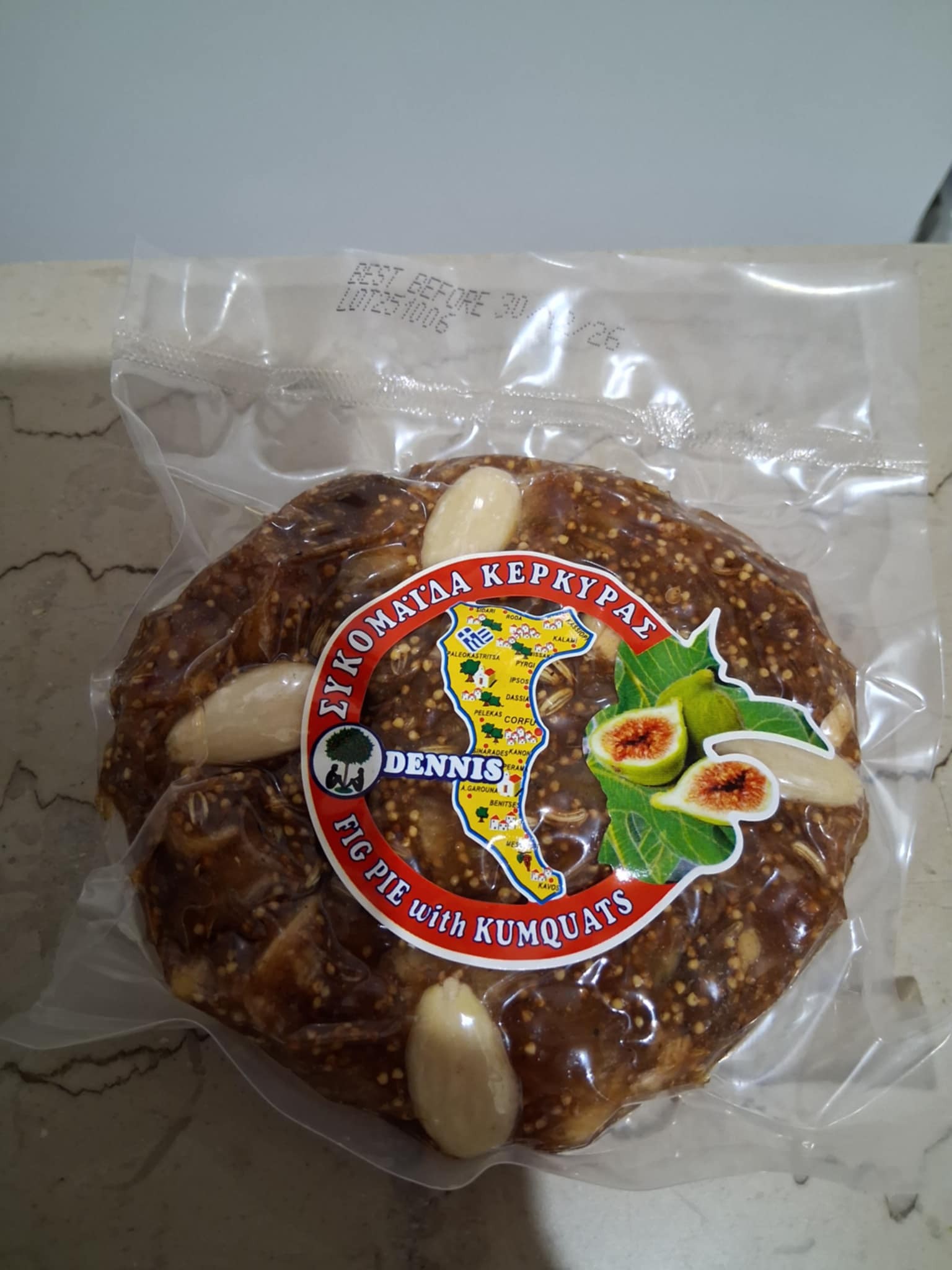
Sykomaida is a Peloponnese specialty, particularly associated with the Mani peninsula, made from dried figs pounded together with walnuts, sesame seeds and a splash of raki or ouzo, pressed into firm bars. It needs no baking at all, relying entirely on the sugar already concentrated in good dried figs.
Peloponnese Dried Fig and Walnut Bars
- Prep
- 30m
- Cook
- None
- Total
- 30m
- Serves
- 12
- Level
- Beginner
Ingredients
Ingredients
Tick ingredients off as you go. Quantities rescale with the buttons above.
Method
- 01If the figs feel firm, steam briefly over simmering water or soak in warm water for a few minutes, then pat dry.Use genuinely good, soft dried figs.Yiayia
- 02Put the figs, walnuts and toasted sesame seeds into a food processor.
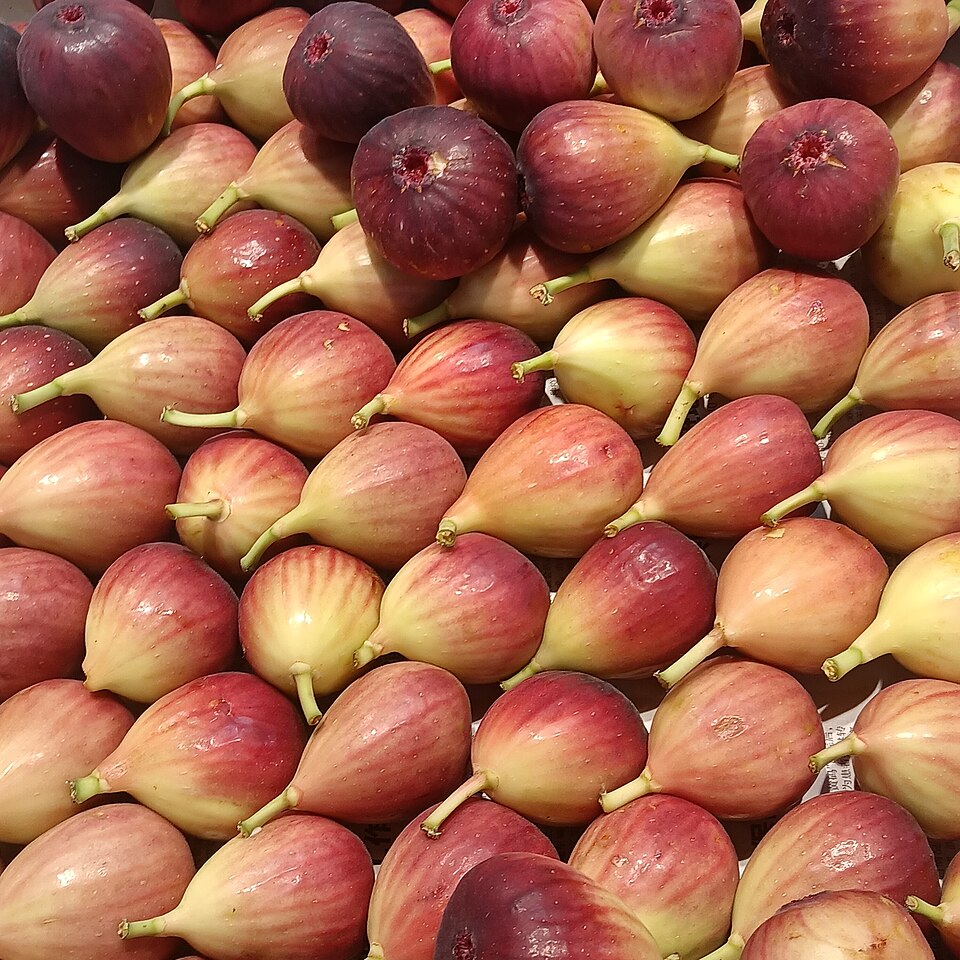
Fig - 03Pulse until you have a thick, coarse, sticky paste, not completely smooth.
- 04Work in the raki or ouzo by hand or with a final pulse.

Ouzo - 05Press the mixture firmly into a lined tin, about 1.5 cm thick.
- 06Chill for at least 30 minutes to firm up, then cut into bars.
Nutrition, per 1 bar
- Calories
- 212
- Protein
- 4 g
- Carbs
- 28 g
- Fat
- 11 g
- Sat fat
- 1 g
- Fibre
- 4 g
These figures are calculated estimates based on the ingredients listed, not laboratory analysis. Actual values vary with brands, cuts and portion size.
Sykomaida is one of the oldest, most practical Greek sweets, built entirely around preserving the fig harvest through winter, and it is particularly associated with the Mani peninsula in the Peloponnese, where fig trees have long been abundant and drying them for the colder months was simply good sense.
The whole method needs no cooking at all, since dried figs already carry a concentrated natural sweetness, and pounding them with walnuts, a scatter of sesame and a splash of raki or ouzo, then pressing the mixture firmly into bars, is genuinely all the technique required.
This is a real pantry sweet, keeping for weeks without refrigeration, and it makes good use of a fig harvest that would otherwise spoil, giving households something genuinely sweet to reach for through the winter months without any added sugar at all.
Key preparation steps
- Soften dried figs briefly if very firm.
- Pound or process figs with walnuts and sesame.
- Add a splash of raki or ouzo.
- Press firmly into bars and slice.
Choosing and softening the figs
Good quality dried figs, soft enough to pinch easily, are what this recipe wants. If they feel particularly firm or leathery, steam them briefly over simmering water, or soak in warm water for a few minutes, then pat dry before proceeding, which makes them considerably easier to pound or process.
Pounding the mixture
Traditionally pounded by hand in a mortar, though a food processor gives a faster, entirely acceptable result, blend the figs with a generous amount of chopped walnuts and toasted sesame seeds until you have a thick, coarse, sticky paste rather than a completely smooth one, since some texture is genuinely part of the appeal.
Adding raki and pressing into bars
Work in a splash of raki or ouzo, which adds real aromatic depth and helps bind the mixture further. Press the paste firmly into a lined tin, roughly one and a half centimetres thick, and chill briefly to firm up before cutting into bars.
What matters in this dish
Use genuinely good, soft dried figs
Very firm, leathery figs are hard to process properly. Steam or soak them briefly first if needed.
Keep some texture in the paste
A completely smooth puree loses the pleasant chew that is genuinely part of this sweet's appeal.
Press firmly into the tin
A well-compacted block holds together and slices far more cleanly than a loosely pressed one.
Questions people ask about Sykomaida
Why is sykomaida associated with the Mani peninsula?
Fig trees have long been abundant across the Mani region of the Peloponnese, and drying the fig harvest to preserve it through winter was a practical, longstanding tradition there, with sykomaida being the sweet that came from putting those dried figs to use.
Does sykomaida contain any added sugar?
No, it relies entirely on the natural sugar already concentrated in good dried figs, needing nothing added at all.
How long does sykomaida keep?
Several weeks at room temperature in a sealed container, since dried figs are already a preserved, shelf-stable ingredient to begin with.