Greek Desserts · Peloponnese · Fried · Christmas
Peloponnese New Year's Eve Fried Dough (Lalangia)
Λαλάγγια lah-LAHN-gyah · Lalangia
In short
Lalangia are thin ribbons of simple yeasted or unleavened dough, stretched and fried until crisp and golden, traditionally eaten on the night before New Year across the Peloponnese, particularly in Mani, and finished simply with honey or a dusting of sugar.
Peloponnese New Year's Eve Fried Dough
- Prep
- 1h 30m
- Cook
- 20m
- Total
- 1h 50m
- Serves
- 8
- Level
- Intermediate
Ingredients
Ingredients
Tick ingredients off as you go. Quantities rescale with the buttons above.
Method
- 01Mix the flour, yeast if using, and salt in a bowl. Add the olive oil and warm water and bring together into a soft dough.
- 02Knead for 5 to 6 minutes until smooth. Cover and rest for 30 minutes to 1 hour.
- 03Divide the dough into small portions and stretch or roll each one out as thin as possible into rough strips or rounds.Rest the dough properly.Yiayia
- 04Heat a generous depth of vegetable oil in a deep pan to about 180C.
- 05Fry the dough pieces one or two at a time for 1 to 2 minutes, until puffed and deeply golden. Drain on kitchen paper.
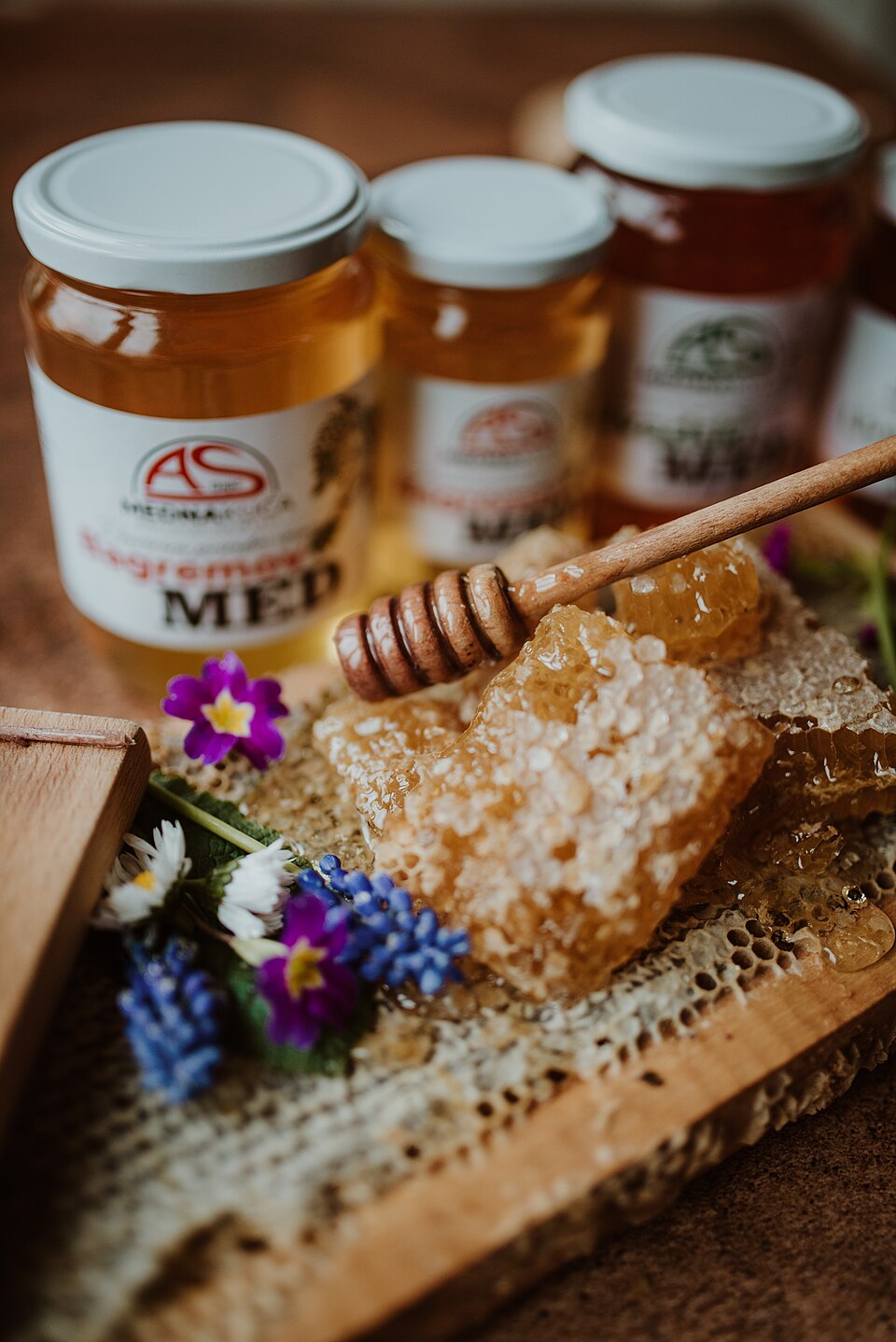
- 06Serve warm, drizzled with honey or dusted with sugar, and scattered with crushed walnuts if using.
Honey
Nutrition, per 3 pieces
- Calories
- 186
- Protein
- 3 g
- Carbs
- 24 g
- Fat
- 8 g
- Sat fat
- 1 g
- Fibre
- 1 g
These figures are calculated estimates based on the ingredients listed, not laboratory analysis. Actual values vary with brands, cuts and portion size.
Lalangia are one of those dishes that exist almost entirely because of when they are eaten rather than any elaborate technique: thin strips of dough, stretched and fried until crisp, made specifically on New Year's Eve across much of the Peloponnese, with Mani households in particular treating them as an essential part of seeing out the old year.
The dough itself is genuinely simple, closer to a bread dough than a pastry, and the whole method rests on stretching it thin enough that it fries up properly light and crisp rather than doughy. Some households make it with yeast for a lighter result, others without, for something closer to a cracker.
Finished simply with honey, a dusting of sugar, or occasionally a scatter of walnuts, lalangia is unpretentious, quick once the dough has rested, and exactly the kind of thing a household would make together while waiting for midnight.
Key preparation steps
- Make a simple dough and let it rest properly.
- Stretch or roll pieces very thin.
- Fry in hot oil until puffed and golden.
- Finish warm with honey, sugar, or both.
The dough
A simple dough of flour, water, a little olive oil and salt, with or without a small amount of yeast, needs a genuine rest, at least thirty minutes and up to an hour, so the gluten relaxes enough to let you stretch it thin without it fighting back and springing to a thicker shape.
Yeasted versions give a lighter, slightly puffier result once fried; unleavened versions are thinner and crisper, closer to a fried cracker. Both are traditional and the choice varies by household.
Stretching and frying
Take small portions of the rested dough and stretch or roll them out as thin as you can manage without tearing, into rough strips or rounds, since the traditional shape is not especially precise. The thinner the dough, the crisper the final result.
Fry in hot oil, a piece or two at a time so the oil temperature does not drop, until puffed, deeply golden and genuinely crisp, which takes only a minute or two per piece given how thin they are. Drain well.
Finishing
Serve warm, drizzled generously with honey, or simply dusted with caster sugar if a lighter finish is wanted, and a scatter of crushed walnuts is a common and welcome addition. They are best eaten the same day, while still properly crisp.
What matters in this dish
Rest the dough properly
A rushed dough fights back when you try to stretch it thin. A genuine thirty to sixty minute rest makes it far easier to work with.
Stretch it as thin as you dare
The thinner the dough, the crisper and lighter the fried result. This is not a dish that wants thickness.
Eat them the same day
Lalangia are at their best freshly fried and still crisp. They soften noticeably if left to sit.
Questions people ask about Lalangia
When are lalangia traditionally eaten?
On New Year's Eve, particularly in Mani and across much of the wider Peloponnese, as part of the household's way of seeing out the old year.
Is the dough always yeasted?
No, both yeasted and unleavened versions are traditional. Yeasted dough gives a lighter, slightly puffier result; unleavened dough fries up thinner and crisper.
How are lalangia usually served?
Warm, drizzled with honey or dusted with sugar, sometimes with crushed walnuts scattered over the top.