Greek Desserts · The Mainland · Baked · Name Days
Greek Almond Macaroons (Amygdalota)
Αμυγδαλωτά ah-meeg-thah-loh-TAH · Amygdalota
In short
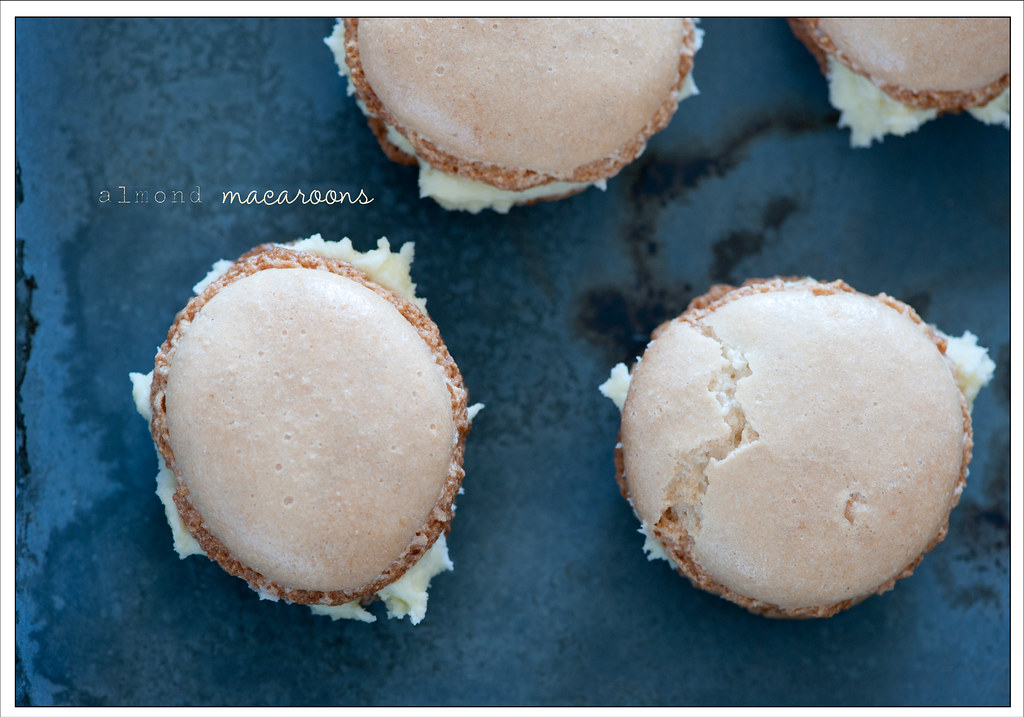
Amygdalota are Greek almond macaroons, made from ground almonds bound with egg white and sugar rather than butter and flour, giving a moist, chewy texture quite different from the short, crumbly bite of kourabiedes. They are traditionally shaped into crescents or teardrops and dusted generously in icing sugar.
Almond Macaroons
- Prep
- 30m
- Cook
- 20m
- Total
- 50m
- Serves
- 12
- Level
- Intermediate
Ingredients
Ingredients
Tick ingredients off as you go. Quantities rescale with the buttons above.
Method
- 01Heat the oven to 160C fan 140C and line a baking tray.
- 02Mix the ground almonds and caster sugar in a bowl.
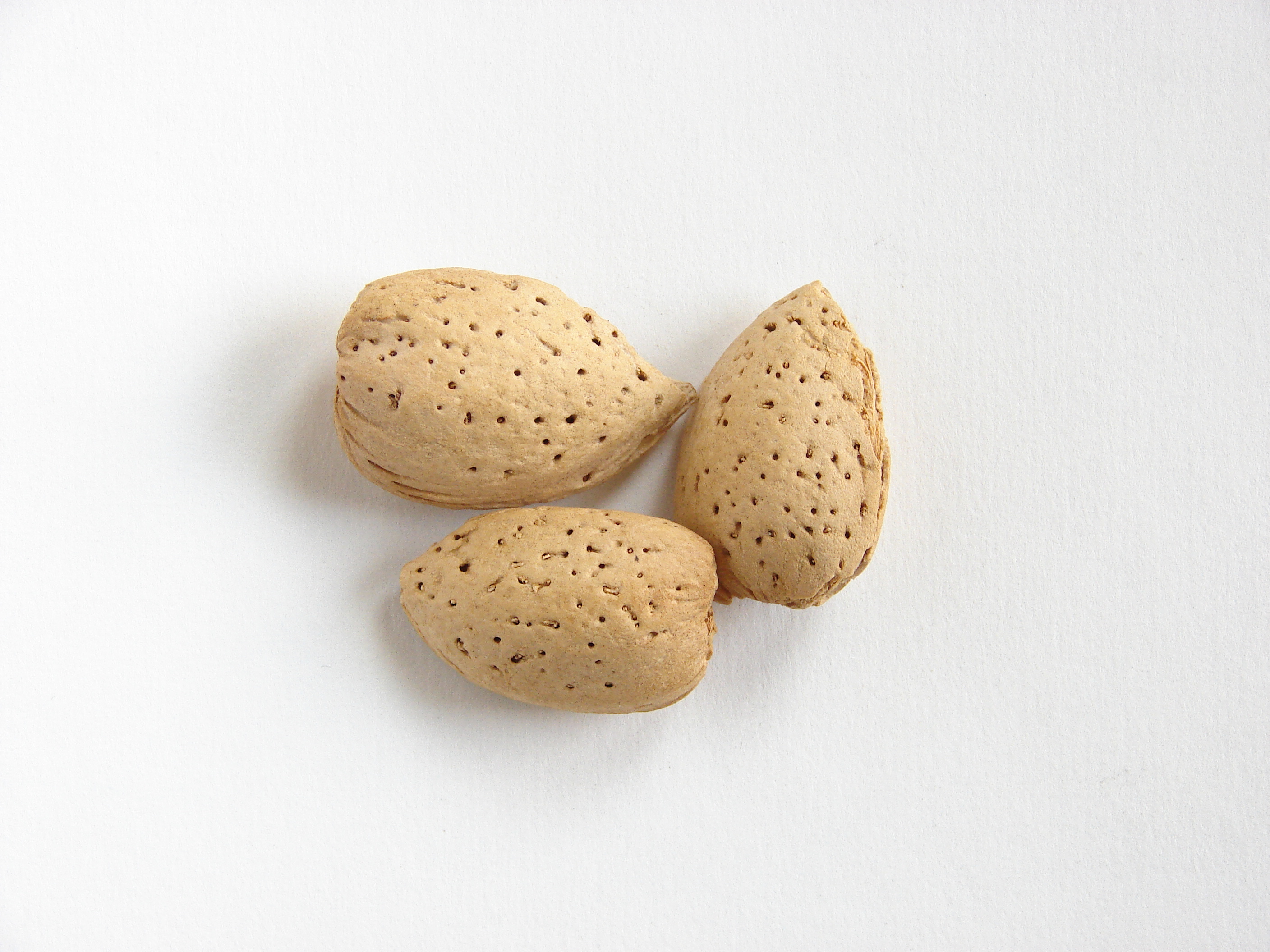
Almonds - 03Add the orange blossom or rose water and enough egg white, a little at a time, to bring the mixture together into a firm, workable paste. Add the cornflour if using.Add the egg white gradually.Yiayia
- 04Shape into small crescents or teardrops, about 4 cm long, and place on the lined tray, spaced apart.
- 05Bake for 15 to 20 minutes, until very lightly golden but still soft inside. Watch closely, since they should not dry out or brown much.
- 06Cool completely on the tray.
- 07Dust generously with icing sugar before serving.
Sugar
Nutrition, per 2 macaroons
- Calories
- 168
- Protein
- 4 g
- Carbs
- 18 g
- Fat
- 10 g
- Sat fat
- 1 g
- Fibre
- 1 g
These figures are calculated estimates based on the ingredients listed, not laboratory analysis. Actual values vary with brands, cuts and portion size.
Amygdalota get confused with kourabiedes far too often, since both are traditional Greek sweets finished with a generous dusting of icing sugar, but the two are genuinely different things: kourabiedes are a butter and flour shortbread, short and crumbly, while amygdalota are built almost entirely from ground almonds bound with egg white, giving a moist, dense, chewy bite that has more in common with an Italian amaretti than any shortbread.
They are naturally gluten-free, since the recipe uses no flour at all beyond perhaps a token spoonful to help bind, and they hold a real place at weddings and christenings on several Greek islands, where their shape, often a crescent or teardrop, carries its own small symbolism.
The technique is genuinely simple, closer to making a paste than a dough, and the main thing to get right is not overbaking, since amygdalota are meant to stay soft and moist inside rather than drying all the way through.
Key preparation steps
- Mix ground almonds with sugar and egg white into a firm paste.
- Shape into crescents or teardrops.
- Bake briefly at a low temperature.
- Dust generously with icing sugar once cooled.
The almond paste
Mix finely ground almonds with caster sugar, a little orange or rose water for fragrance, and enough lightly beaten egg white to bring everything together into a firm, workable paste, closer to marzipan than a standard cookie dough. A tiny amount of flour or cornflour, just enough to help the shape hold, keeps the recipe genuinely gluten-free if left out entirely or replaced with cornflour.
Shaping
Shape the paste into small crescents or teardrops, traditional forms carrying their own small symbolism at weddings and christenings, though simple rounds are equally acceptable for everyday baking. Handle gently, since the paste is soft and can lose its shape if pressed too hard.
Baking briefly
Bake at a genuinely low temperature for a short time, just until the outside is very lightly golden and set, since amygdalota are meant to stay soft and moist inside rather than drying all the way through the way a firmer cookie would. Cool completely before dusting generously with icing sugar, which should coat them thickly rather than a token sprinkle.
What matters in this dish
Do not overbake
Amygdalota are meant to stay soft and moist inside. A short bake at low heat, just enough to set the outside, is what gives them their characteristic texture.
Add the egg white gradually
Too much makes the paste too loose to shape properly. Add it a little at a time until you reach a firm, workable consistency.
Dust thickly, not lightly
A generous coating of icing sugar is traditional and part of the finished look, not a token sprinkle.
Questions people ask about Amygdalota
What is the difference between amygdalota and kourabiedes?
Kourabiedes are a butter and flour shortbread, short and crumbly. Amygdalota are built almost entirely from ground almonds bound with egg white, giving a moist, dense, chewy texture closer to an Italian amaretti than a shortbread.
Are amygdalota gluten-free?
Yes, when made without wheat flour, using only ground almonds and, if needed, a little cornflour to help bind, they are naturally gluten-free.
Why are amygdalota shaped into crescents?
This traditional shape, along with teardrops, carries its own small symbolism at weddings and christenings on several Greek islands, where these sweets are made in large batches for such celebrations.