Greek Main Courses · The Mainland · Peloponnese · Greek Stews and Ladera · The Sunday Table
Greek Stifado Recipe (Beef and Shallot Stew with Cinnamon)
Στιφάδο stee-FAH-thoh · Stifado
In short
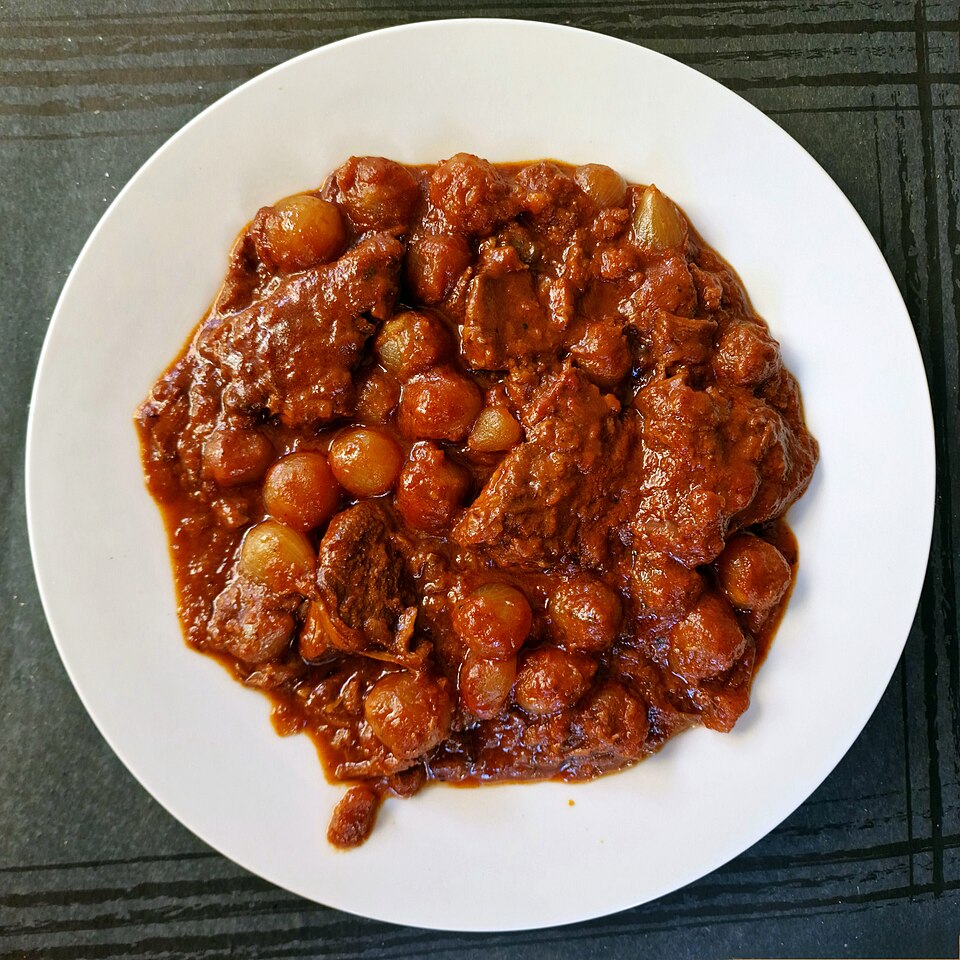
Stifado is a Greek stew of beef or rabbit slow-cooked with a very large quantity of whole small onions, red wine vinegar, cinnamon, clove and bay. The onions equal the meat by weight and are added whole so they stay intact.
Stifado
- Prep
- 30m
- Cook
- 2h 30m
- Total
- 3h
- Serves
- 6
- Level
- Beginner
Ingredients
Ingredients
Tick ingredients off as you go. Quantities rescale with the buttons above.
Method
- 01Drop the onions into boiling water for 1 minute, then into cold water. The skins will slip off easily. Peel them, leaving the root end intact so they hold together.Blanch the onions to peel them.Yiayia
- 02Pat the beef thoroughly dry and season well. Heat 3 tablespoons of the oil in a heavy casserole over a high heat.
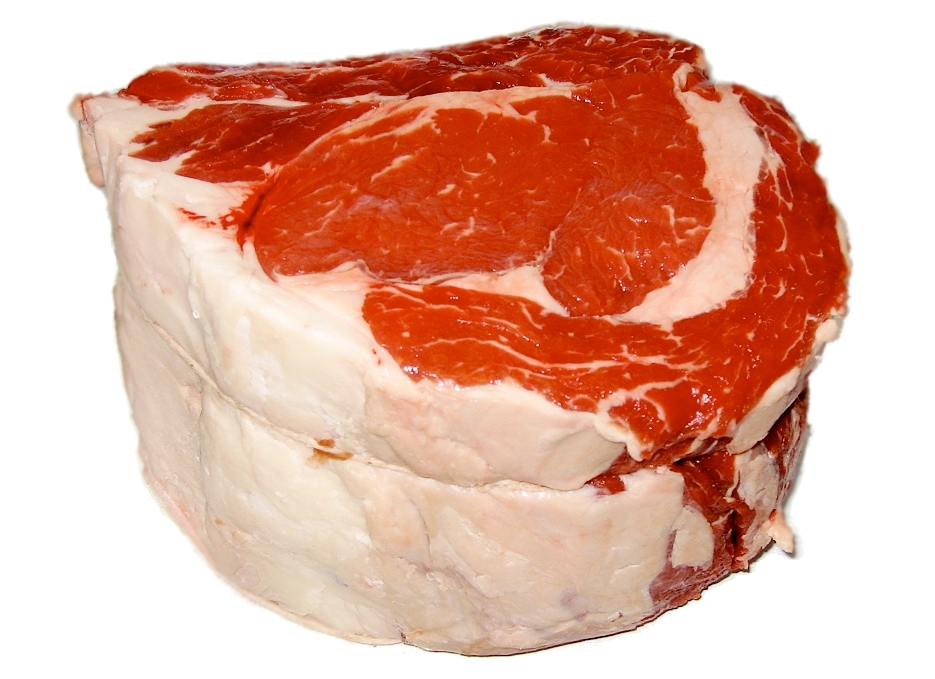
Beef - 03Brown the beef hard in three batches, without crowding the pan, until deeply coloured on all sides. Remove and set aside. This browning is most of the flavour.
- 04Lower the heat, add the remaining oil and the whole garlic cloves and cook for 1 minute.
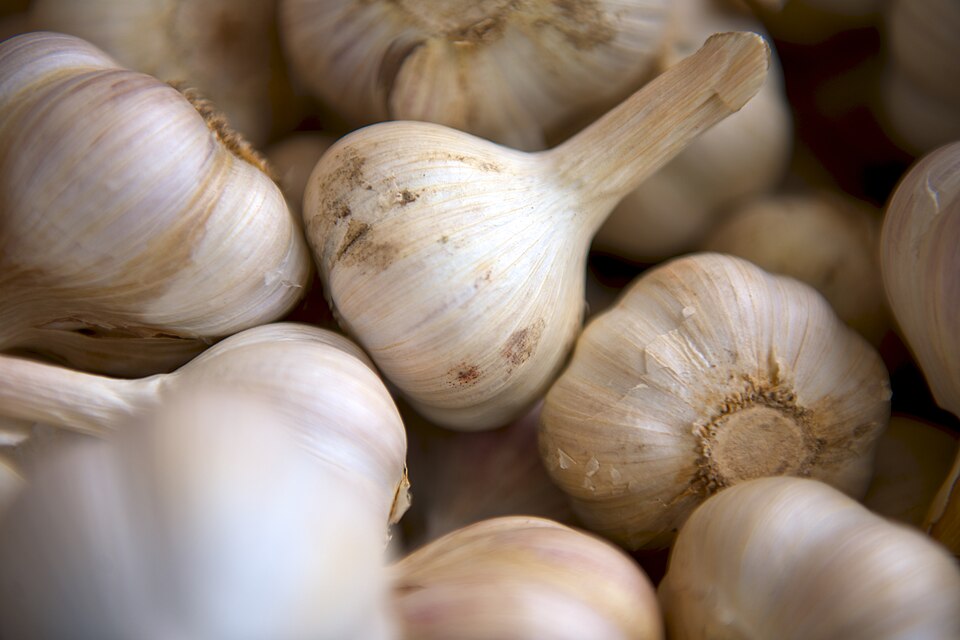
Garlic - 05Pour in the vinegar and let it bubble hard for 2 minutes, scraping the base of the pan, until the sharp smell has softened.
- 06Add the wine and reduce by half. Stir in the tomatoes, tomato puree, cinnamon stick, cloves, allspice, bay leaves, orange peel and honey if using.
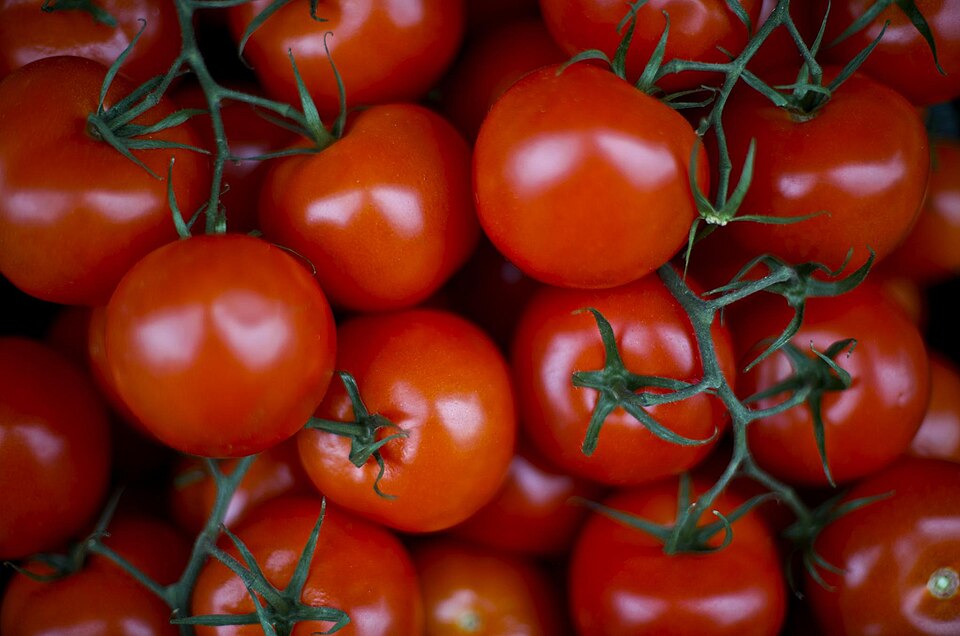
Tomato - 07Return the beef with any resting juices. Add just enough water to almost cover. Season, bring to a bare simmer, cover and cook very gently for 1 hour 30 minutes.
- 08Add the whole onions, tucking them in among the meat. From this point stir as little as possible: shake the pot by the handles instead, or the onions will break up.
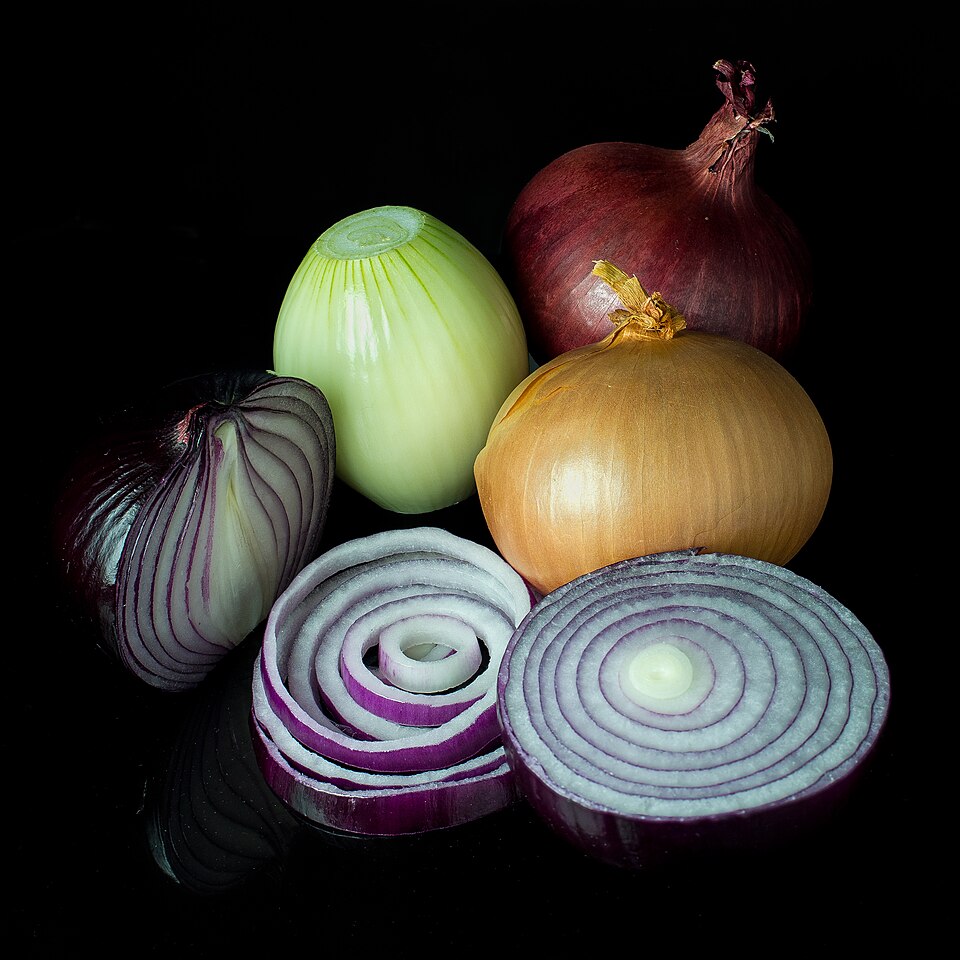
Onion - 09Cover and continue cooking gently for a further 45 to 60 minutes, until the beef is completely tender and the onions are soft but still whole.
- 10Uncover and simmer for a final 15 minutes to reduce the sauce until thick and glossy. Remove the cinnamon stick, bay leaves and orange peel.
- 11Rest for 15 minutes off the heat before serving, with rice or a plain puree and plenty of bread.
Nutrition, per 1 portion
- Calories
- 542
- Protein
- 44 g
- Carbs
- 28 g
- Fat
- 26 g
- Sat fat
- 8 g
- Fibre
- 5 g
These figures are calculated estimates based on the ingredients listed, not laboratory analysis. Actual values vary with brands, cuts and portion size.
Stifado is defined by its onions, not by its meat. The proportion is roughly one to one by weight, which means a kilo of beef gets a kilo of small onions, and when it is done the onions have gone sweet and translucent and are as much the dish as the meat is.
The other defining elements are vinegar and warm spice. Red wine vinegar gives it a sharpness no other Greek stew has, and cinnamon, clove and bay give it the aromatic character that makes it unmistakably Greek rather than French.
Rabbit is arguably the more traditional meat and hare more traditional still. Beef is what most people make now and works perfectly well. Whichever you use, this needs two and a half hours and cannot be hurried.
Key preparation steps
- Brown the meat hard, in batches, and set aside.
- Deglaze with vinegar and let the harshness cook off.
- Add the whole peeled onions and do not stir them much.
- Simmer very gently for two and a half hours until the sauce is dark and thick.
Why the onions go in whole
Because they are meant to be eaten as onions, not to dissolve into a sauce base. Whole small onions or shallots hold their shape through a long cook and turn sweet and silky rather than disappearing.
Peel them but leave the root end intact, which holds the layers together. Do not chop, halve or slice them.
Once they are in, stir as little as possible. Shake the pot by the handles instead. Stirring breaks the onions apart and you lose the whole character of the dish.
Peeling a kilo of small onions without weeping
Drop them into boiling water for one minute, then straight into cold water. The skins slip off between your fingers afterwards with almost no effort.
This is worth doing. Peeling a kilo of small onions by knife takes half an hour and is genuinely unpleasant.
Pickling onions, small shallots or banana shallots cut into two or three chunks all work. Aim for pieces around 3 cm.
The vinegar, and how much
Red wine vinegar, about 100 ml for a kilo of meat, added early and boiled hard for a minute or two so the raw sharpness cooks off.
It sounds like a lot and it reduces into something rounded rather than sour. That underlying acidity is what makes stifado stifado, and cutting it back gives you a generic beef stew.
Some cooks add a spoonful of honey or a few currants alongside it, which sharpens the sweet and sour balance. That is a Peloponnesian habit and it is very good.
The spicing, and what to serve it with
A cinnamon stick, four or five whole cloves, two bay leaves, a few allspice berries and a strip of orange peel. Whole spices rather than ground, and fished out at the end.
The aim is aromatic warmth sitting behind the meat, not a spiced stew. Ground cinnamon in this quantity would be overpowering, which is why whole is specified.
Serve with plain rice, buttered noodles, or a puree of potato or celeriac. Something plain, because the sauce is doing all the work. Bread is essential either way.
What matters in this dish
Blanch the onions to peel them
One minute in boiling water then into cold, and the skins slip off. Saves half an hour and a lot of unpleasantness.
Shake, do not stir
Once the onions are in, moving a spoon through the pot breaks them apart. Lift the pot and shake it instead.
Better the next day
Like most stews, stifado improves overnight. Cool it, refrigerate, and reheat gently the following day.
Questions people ask about Stifado
What meat is used in stifado?
Beef is the most common today, but rabbit and hare are the older and arguably more traditional choices. Veal and octopus stifado are also made, the last being a fasting version.
Why is stifado so sweet?
The kilo of onions cooked slowly for over an hour releases a great deal of natural sugar. That sweetness balanced against the red wine vinegar is the defining character of the dish.
Can you make stifado in a slow cooker?
Yes. Brown the meat and cook off the vinegar in a pan first, which is not optional, then transfer everything to the slow cooker for 6 to 7 hours on low, adding the onions at the halfway point.
What is the difference between stifado and kokkinisto?
Kokkinisto is the general term for a Greek red tomato braise. Stifado is a specific type of it, defined by the huge quantity of whole small onions and the vinegar.