Greek Drinks · Epirus · Crete · Boiled and Simmered · Christmas
Greek Mountain Tea (Tsai tou Vounou)
Τσάι του βουνού TSAH-ee too voo-NOO · Tsai tou vounou
In short
Tsai tou vounou, mountain tea, is a herbal infusion made from dried sideritis, a wild-growing plant gathered from high-altitude slopes across Greece. Steeped simply in hot water, it is naturally caffeine-free and has been drunk across Greek mountain communities for centuries, both for enjoyment and traditional home remedies.
Mountain Tea
- Prep
- 5m
- Cook
- 8m
- Total
- 13m
- Serves
- 4
- Level
- Beginner
Ingredients
Ingredients
Tick ingredients off as you go. Quantities rescale with the buttons above.
Method
- 01Bring the water to the boil, then take it off the heat.Use water just off the boil, not at a rolling boil.Yiayia
- 02Break the dried sideritis stems into a teapot or heatproof jug.
Greek Mountain Tea - 03Pour the just-boiled water over the stems.
- 04Cover and steep for 5 to 8 minutes.
- 05Strain into cups and serve, with honey if you like.
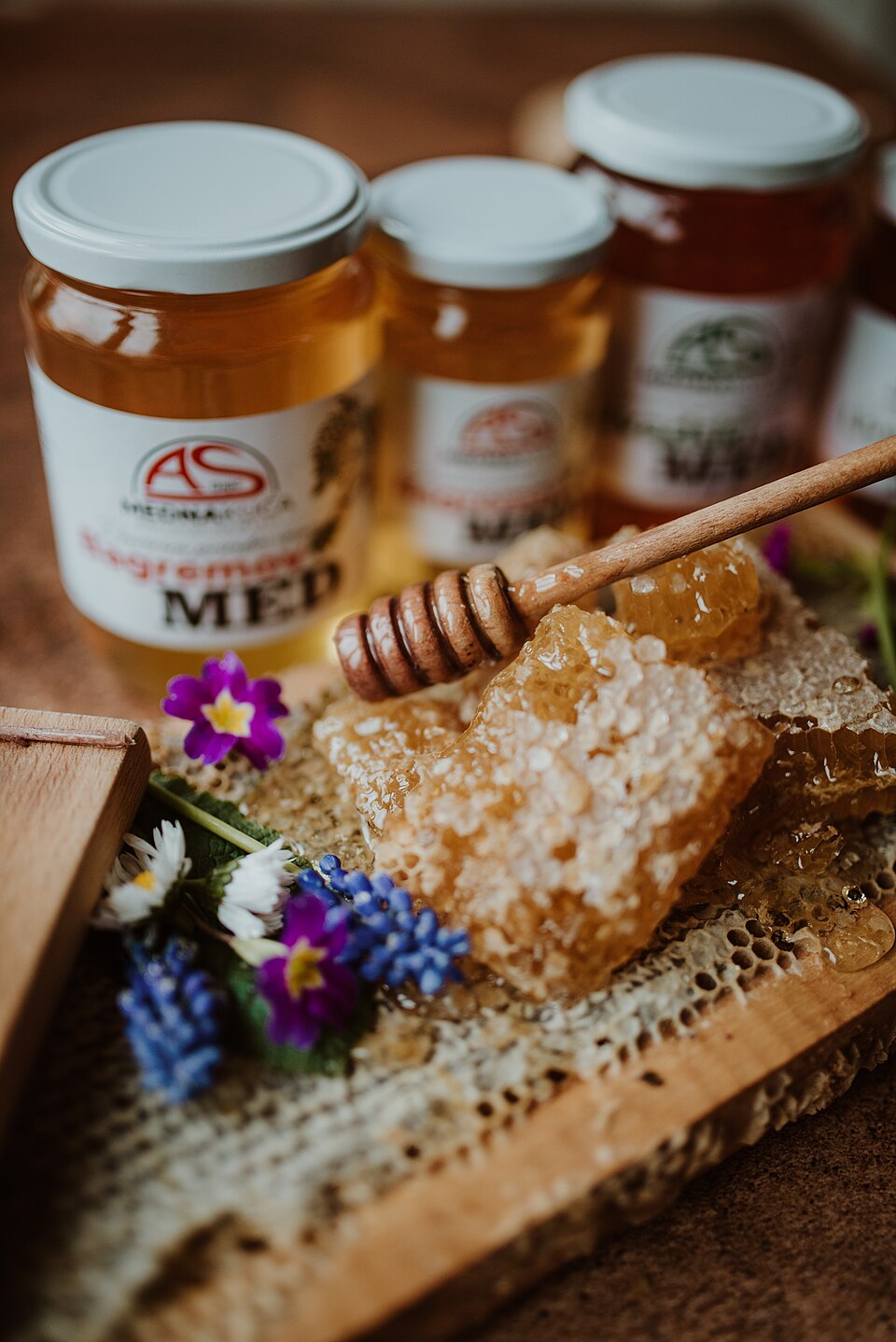
Honey
Nutrition, per 1 cup, without honey
- Calories
- 2
- Protein
- 0 g
- Carbs
- 0 g
- Fat
- 0 g
- Sat fat
- 0 g
- Fibre
- 0 g
These figures are calculated estimates based on the ingredients listed, not laboratory analysis. Actual values vary with brands, cuts and portion size.
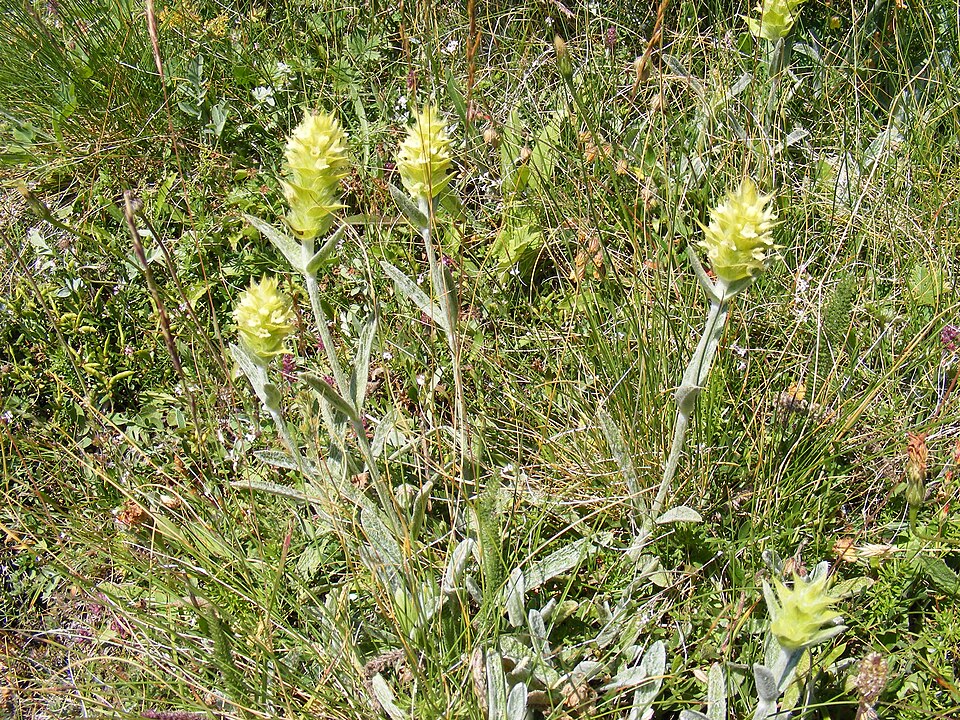
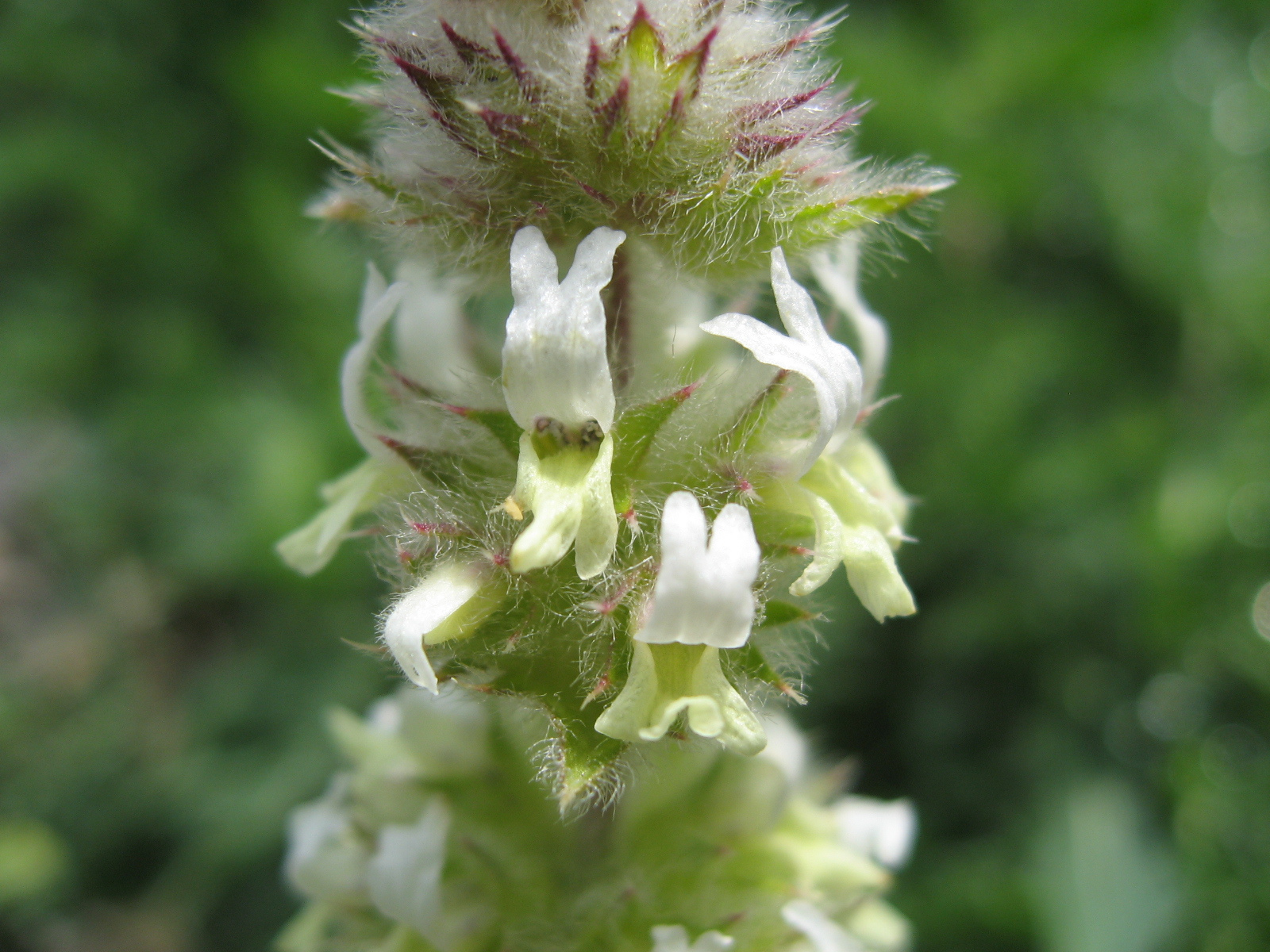
Mountain tea comes from sideritis, sometimes called ironwort, a wild plant with distinctive fuzzy, silver-grey stems and flowers that grows across the higher, rockier parts of Greece, particularly in Epirus and Crete, and has been gathered and dried by hand for generations rather than farmed at scale. Steeped in hot water, it gives a mild, faintly floral, slightly astringent tea unlike black or green tea in character.
It has genuinely deep roots in Greek rural life, drunk both as an everyday warming drink through the colder months and, traditionally, as a home remedy reached for at the first sign of a cold, in the same spirit as chamomile elsewhere.
The whole preparation could not be simpler, just dried sideritis stems and hot water, and the only real technique is not oversteeping it, which can bring out a slightly bitter edge the tea does not need.
Key preparation steps
- Break dried sideritis stems into a pot or teapot.
- Pour over just-boiled water.
- Steep for five to eight minutes.
- Strain and serve, with honey if you like.
What sideritis is
Sideritis, sold dried in bunches of stems, leaves and small yellow flowers, grows wild at altitude across several Greek mountain ranges and is harvested by hand, traditionally by people from mountain villages who have gathered it for generations. It is sold widely in Greek grocers and health shops, usually as whole dried stems rather than a tea bag.
Steeping it properly
Break a few dried stems, leaves and flowers into a teapot or directly into a cup, and pour over water that has just come off the boil, not water still at a rolling boil, which can scorch the delicate plant material. Cover and steep for five to eight minutes.
Oversteeping brings out a slightly bitter, overly astringent edge, so do not leave it much beyond ten minutes if you want the tea at its most pleasant.
Serving
Strain into cups and serve as is, or with a spoon of honey, which is the traditional way most people actually drink it. It is naturally caffeine-free, which is exactly why it works as a warming evening drink in a way coffee or black tea would not.
What matters in this dish
Use water just off the boil, not at a rolling boil
Very vigorously boiling water can scorch the delicate dried plant material and give a harsher flavour.
Do not oversteep
Beyond about ten minutes, the tea can develop a slightly bitter, astringent edge it does not need.
Buy whole dried stems if you can
They tend to be fresher and more fragrant than pre-crumbled versions, which lose aroma faster once broken up.
Questions people ask about Tsai tou vounou
Does Greek mountain tea contain caffeine?
No, it is naturally caffeine-free, made from the dried sideritis plant rather than tea leaves, which is exactly why it works well as an evening drink.
Where does sideritis grow?
Wild, at higher altitudes across several Greek mountain ranges, particularly associated with Epirus and Crete, where it has traditionally been hand-gathered rather than farmed at scale.
What does mountain tea taste like?
Mild and faintly floral, with a slight astringency, quite different in character from black or green tea. Many people drink it with a spoon of honey to soften that edge.