Greek Desserts · The Mainland · Baked · Christmas
Greek New Year Cake with the Hidden Coin (Vasilopita)
Βασιλόπιτα vah-see-LOH-pee-tah · Vasilopita
In short
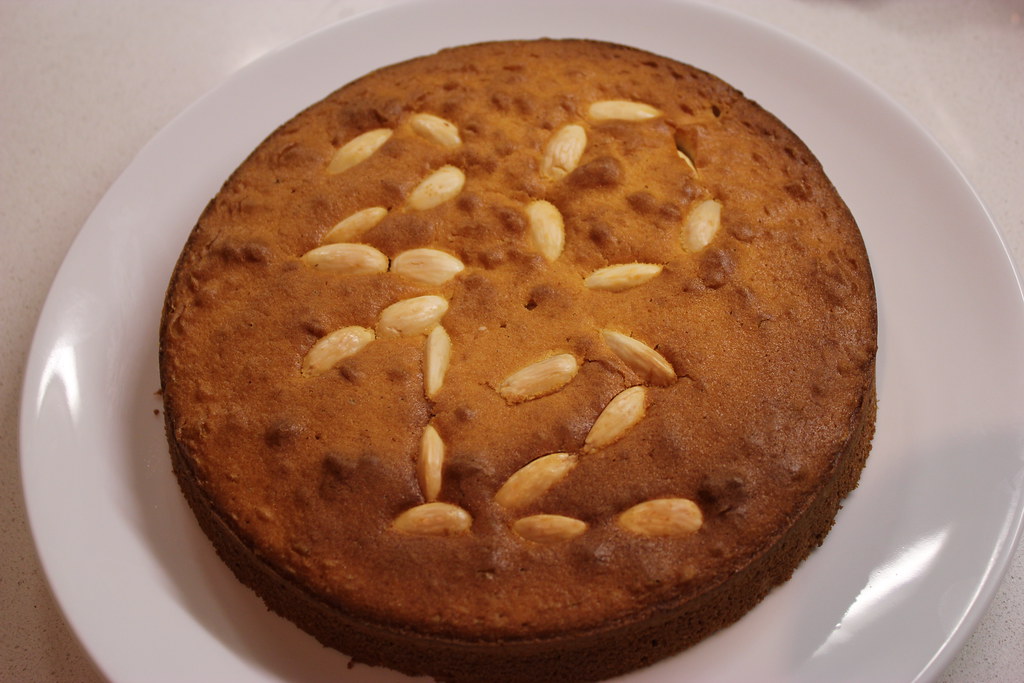
Vasilopita is a Greek New Year cake, usually orange-scented and lightly sweet, with a single coin baked or hidden inside before serving. It is traditionally cut at midnight on January 1st, or after New Year's lunch, with the first slices set aside for Christ, the household, and absent family members before anyone eats.
New Year Cake with the Hidden Coin
- Prep
- 25m
- Cook
- 45m
- Total
- 1h 10m
- Serves
- 12
- Level
- Beginner
Ingredients
Ingredients
Tick ingredients off as you go. Quantities rescale with the buttons above.
Method
- 01Heat the oven to 170C fan 150C. Butter and line a 24 cm round cake tin.
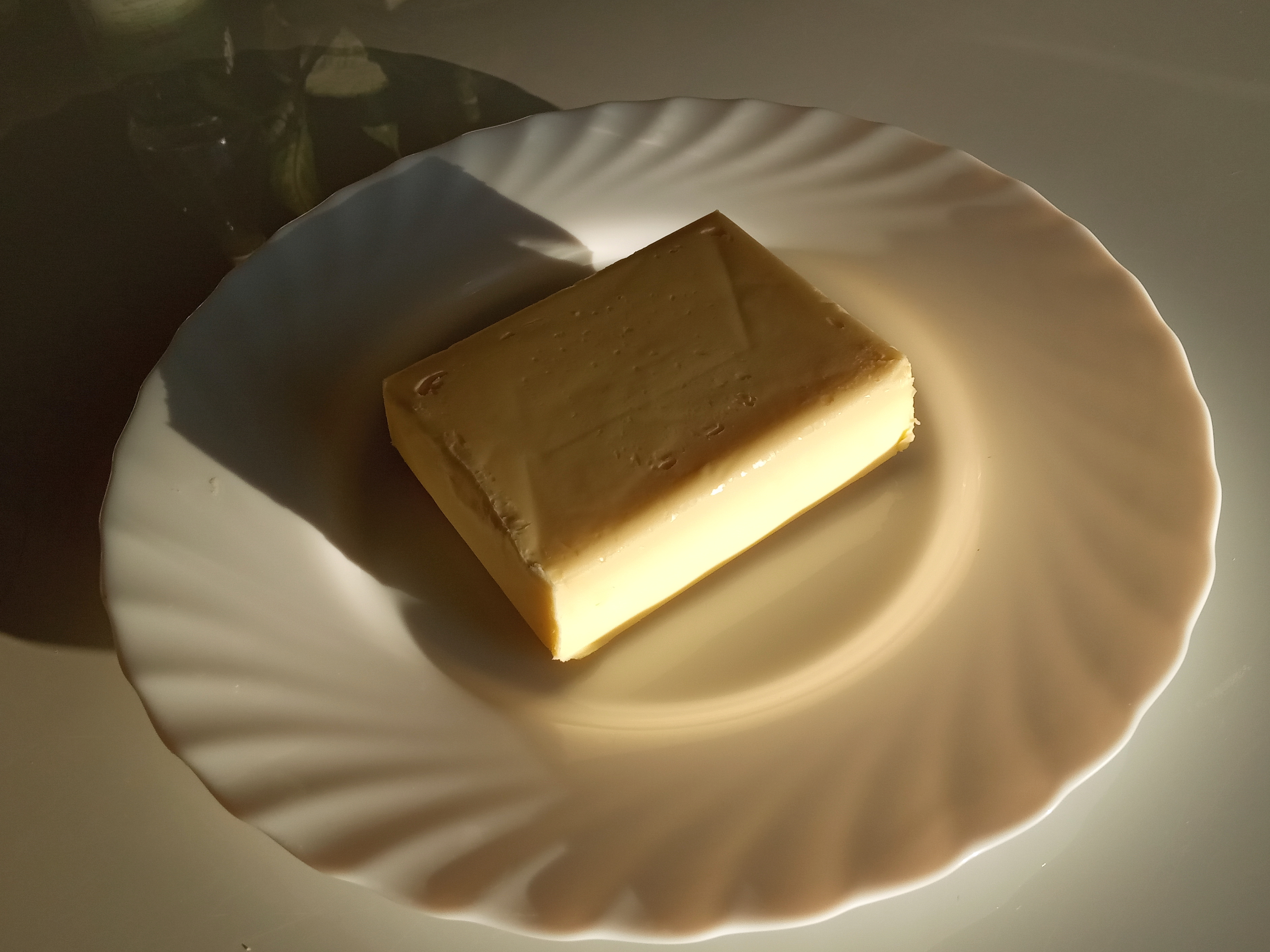
- 02Beat the butter and sugar together until pale and light, about 4 minutes.
Butter - 03Beat in the eggs one at a time, then stir in the orange zest.
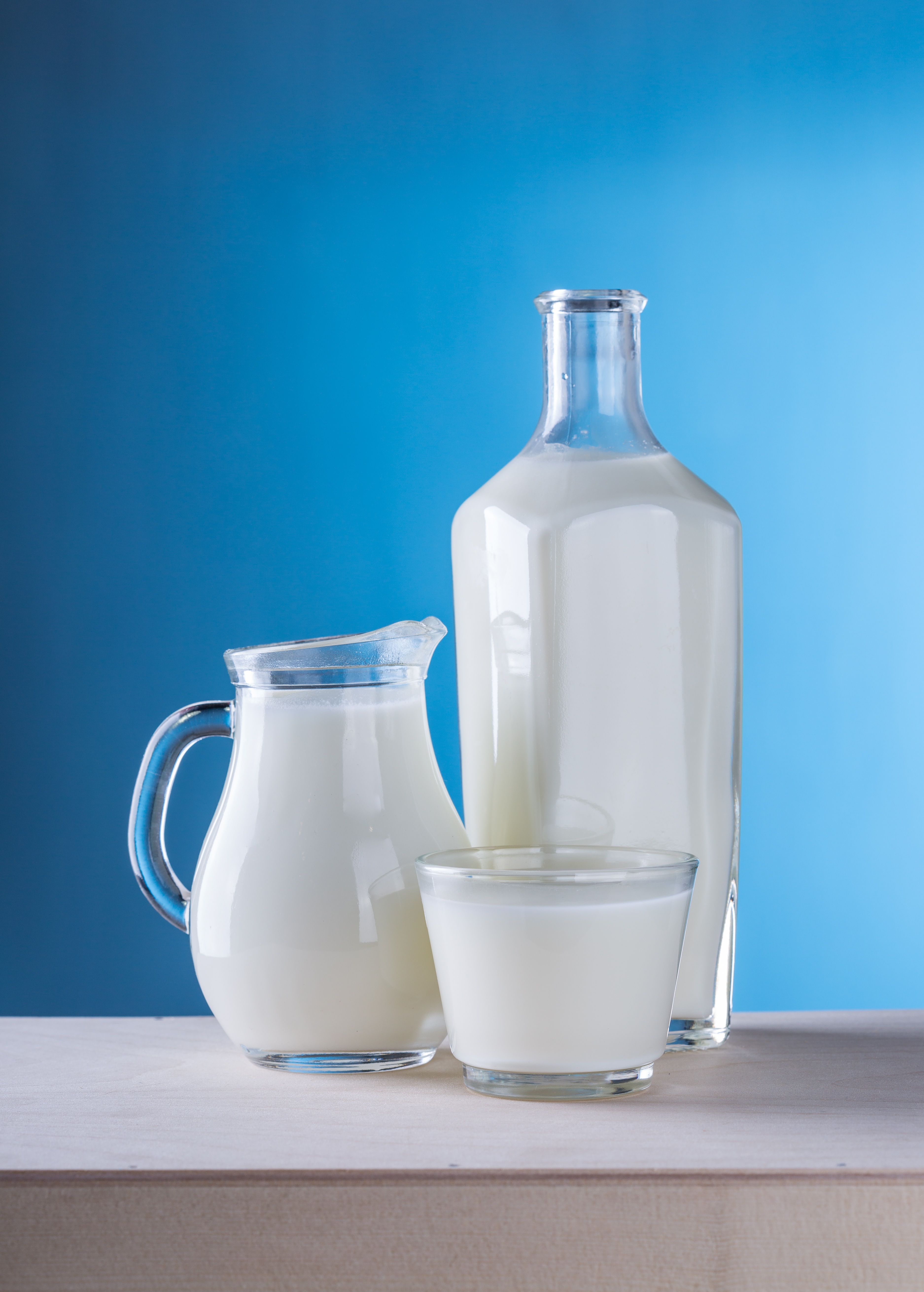
- 04Sift together the flour, baking powder and salt. Fold into the wet mixture in three batches, alternating with the orange juice and milk, until just combined.
Milk - 05Pour half the batter into the prepared tin. Push the foil-wrapped coin down into the batter so it is fully covered, then pour over the remaining batter and smooth the top.Wrap the coin tightly in foil.Yiayia
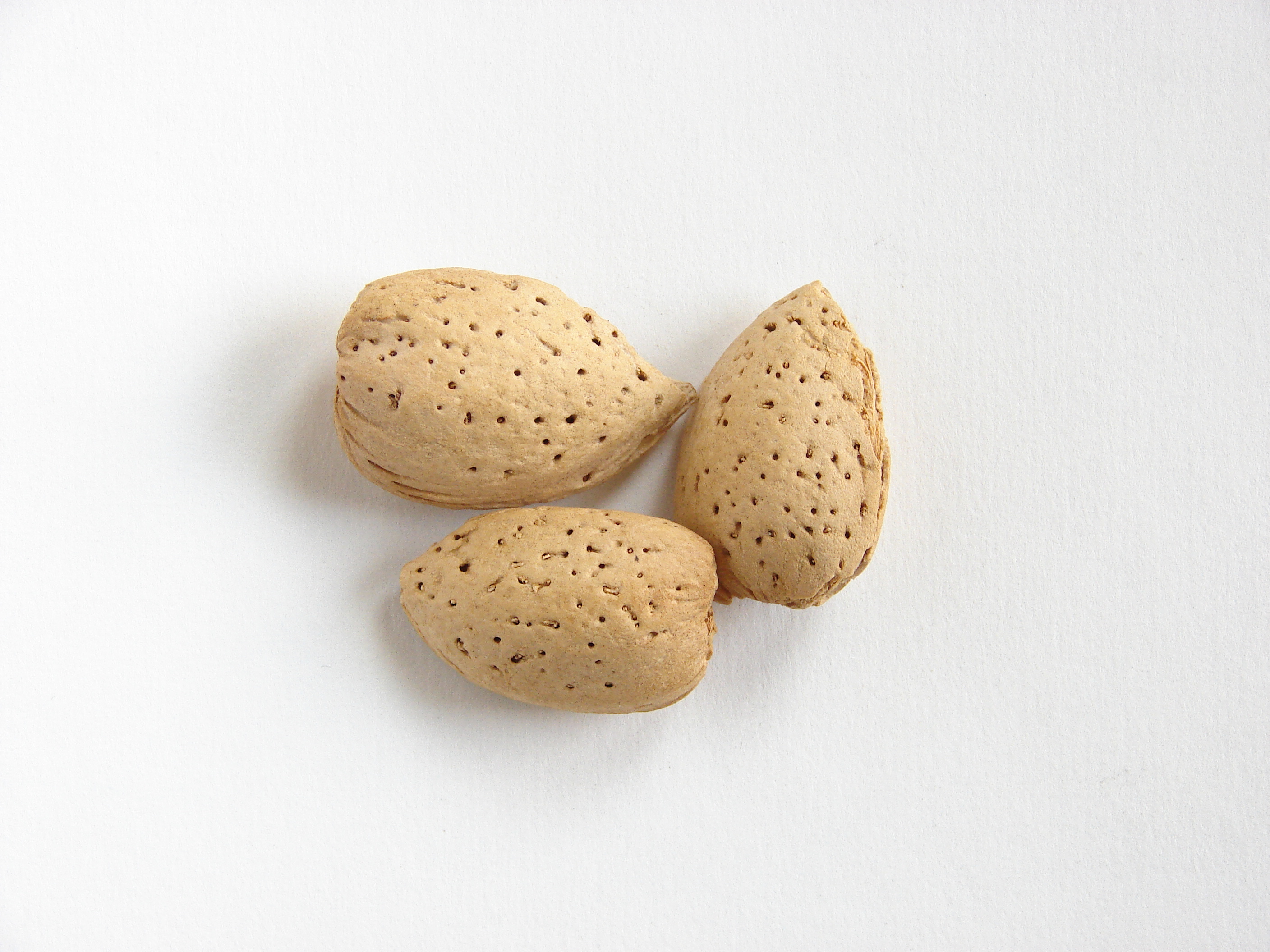
- 06Arrange the flaked almonds on top in the shape of the new year's numerals or however you like.
Almonds - 07Bake for 40 to 50 minutes, until deeply golden and a skewer inserted into the centre comes out clean.
- 08Cool in the tin for 15 minutes, then turn out onto a wire rack to cool completely. Dust with icing sugar before serving.
Sugar - 09Cut following the traditional order: a slice for Christ, a slice for the household, slices for any absent family members, then slices for everyone at the table, watching to see who finds the coin.
Nutrition, per 1 slice
- Calories
- 312
- Protein
- 5 g
- Carbs
- 40 g
- Fat
- 14 g
- Sat fat
- 8 g
- Fibre
- 1 g
These figures are calculated estimates based on the ingredients listed, not laboratory analysis. Actual values vary with brands, cuts and portion size.
Vasilopita is named for Saint Basil, whose feast day falls on January 1st in the Orthodox calendar, and the cake is inseparable from a specific ritual: a coin, wrapped in foil or simply pushed in whole, is baked into the batter, and the cake is cut in a fixed order at midnight or after New Year's lunch, with the first slice set aside for Christ, the second for the household or the Virgin Mary, and further slices for absent or departed family members before anyone actually eats.
Whoever finds the coin in their slice is said to have good luck for the coming year, which makes the cutting itself something of an event, with everyone watching closely as each slice is served.
The cake itself is a simple, lightly sweet, orange-scented sponge, closer to a plain cake than anything elaborate, since the ritual and the coin are really the point rather than any complexity in the bake.
Key preparation steps
- Beat together a simple orange-scented cake batter.
- Fold in a foil-wrapped coin just before the batter goes into the tin.
- Bake until a skewer comes out clean.
- Decorate simply and cut following the traditional order at midnight.
The coin, and how to include it properly
A clean coin, wrapped tightly in a small square of foil to keep it from direct contact with the batter, is pushed into the batter from underneath once it is in the tin, so it sits somewhere in the middle of the finished cake rather than visible on top or sitting right at the base. Tell everyone at the table that a coin is inside before anyone eats, both for the fun of the tradition and, more importantly, so nobody bites down on it unexpectedly.
Some households prefer a specially made vasilopita charm rather than an actual coin, sold at Greek shops around the New Year, which removes any risk entirely while keeping the same tradition alive.
The cake itself
A straightforward butter or oil-based sponge, flavoured generously with orange zest and juice, and sometimes a splash of brandy or mastic for extra depth. It should be moist and tender but genuinely plain in character, since it is meant to be a cake for a whole household to share rather than an elaborate showpiece.
The numeral for the new year, or the initials of the household, is traditionally piped or arranged on top using flaked almonds, and a dusting of icing sugar is a common simple finish.
The cutting ritual
At midnight on January 1st, or after the New Year's lunch, the head of the household makes the sign of the cross over the cake, then cuts the first slice for Christ, the second for the house or the Virgin Mary, and further slices for any family members who could not be present, before finally cutting slices for everyone actually at the table.
Whoever's slice contains the coin is said to have good luck for the year ahead. It is entirely a matter of good-natured tradition rather than anything to take too seriously, and the anticipation of the cut is genuinely half the fun.
What matters in this dish
Tell everyone about the coin before cutting
It is essential both for the fun of the tradition and, more practically, so nobody bites down on it by surprise.
Wrap the coin tightly in foil
This keeps it clean and separate from the batter, and makes it easy to spot and remove safely once found in a slice.
Keep the cake simple
Vasilopita is meant to be a plain, shareable household cake. The ritual and the coin are the point, not an elaborate bake.
Questions people ask about Vasilopita
When is vasilopita cut?
Traditionally at midnight on January 1st, Saint Basil's feast day in the Orthodox calendar, or immediately after New Year's lunch, depending on family tradition.
What happens if you find the coin in your slice?
Tradition says you will have good luck for the coming year. It is a light-hearted custom rather than anything taken too seriously, and it makes the cutting itself a fun, anticipated moment.
Can you use a charm instead of a real coin?
Yes, small vasilopita charms, sold at Greek shops around the New Year, are a popular alternative that removes any risk of biting down on metal while keeping the tradition exactly the same.