Greek Soups · The Mainland · Boiled and Simmered · The Summer Table
Greek Fisherman's Soup (Kakavia)
Κακαβιά kah-kah-vee-AH · Kakavia
In short
Kakavia is the original Greek fisherman's soup, a mix of several kinds of fish and shellfish, traditionally whatever the day's catch happened to bring in, simmered together in one pot with onion, tomato, potato and a generous amount of olive oil. It is considered by many food historians to be an ancestor of the wider Mediterranean fish soup family, including bouillabaisse.
Fisherman's Soup
- Prep
- 30m
- Cook
- 40m
- Total
- 1h 10m
- Serves
- 6
- Level
- Intermediate
Ingredients
Ingredients
Tick ingredients off as you go. Quantities rescale with the buttons above.
Method
- 01Heat the olive oil in a large, wide pot. Cook the onions for 10 minutes, until soft.
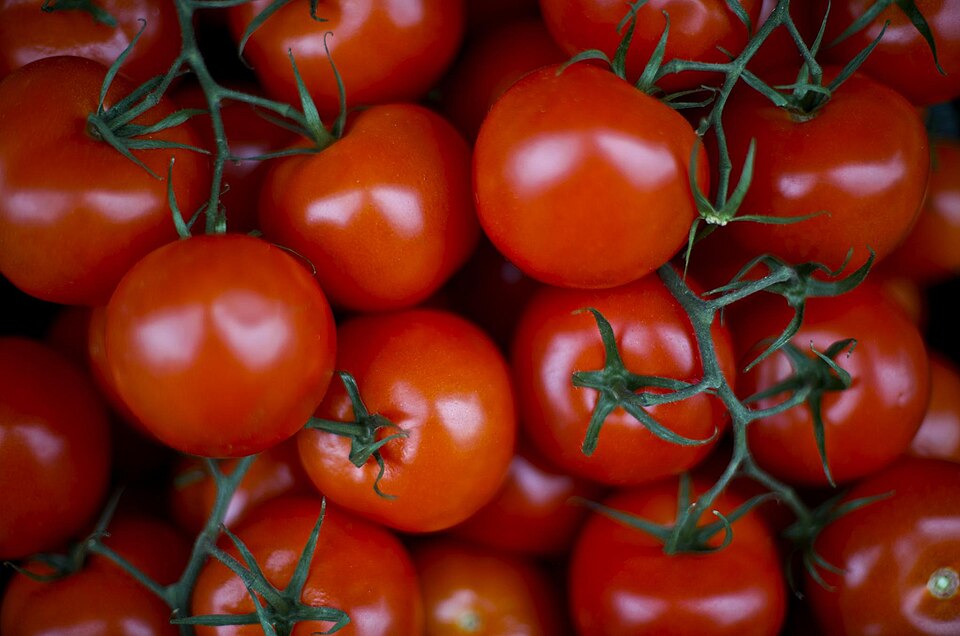
- 02Add the tomatoes and potatoes. Pour in the water, season, and bring to a simmer.
Tomato - 03Simmer for 15 minutes, until the potatoes are nearly tender.
- 04Add the firmest, thickest pieces of fish first and simmer for 8 to 10 minutes.Add the seafood in stages.Yiayia
- 05Add any more delicate fish and shellfish, and simmer for a further 5 to 8 minutes, until everything is just cooked through.
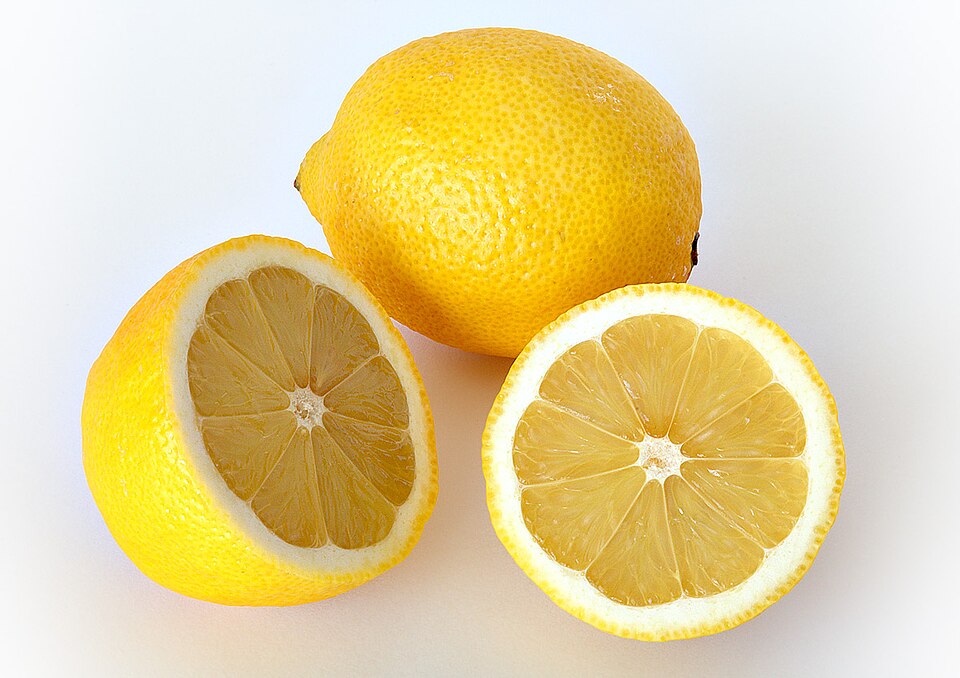
- 06Stir in the lemon juice and check the seasoning.
Lemon - 07Serve hot, in bowls, with plenty of crusty bread.
Nutrition, per 1 portion
- Calories
- 386
- Protein
- 36 g
- Carbs
- 20 g
- Fat
- 20 g
- Sat fat
- 3 g
- Fibre
- 3 g
These figures are calculated estimates based on the ingredients listed, not laboratory analysis. Actual values vary with brands, cuts and portion size.
Kakavia takes its name from the pot it was traditionally cooked in, and its whole character comes from a genuinely practical origin: fishermen at sea, cooking whatever mix of fish and shellfish had not sold or was too small or awkward to bring to market, simmered together in one pot with whatever vegetables and oil were on board. Several food historians consider it a direct ancestor of the whole Mediterranean fish soup family, bouillabaisse very much included.
The dish rewards genuine variety rather than a single type of fish, several different textures and flavours from a mix of firm white fish, a more delicate variety, and shellfish if available, all simmering together and contributing to a broth richer than any single fish could give alone.
This is honest, rustic cooking rather than anything precious, built around whatever good, fresh seafood you can actually get, and it needs nothing more than a generous hand with the olive oil and a proper simmering time to come together.
Key preparation steps
- Use a genuine mix of fish and shellfish for the best broth.
- Build a base of onion, tomato and potato in plenty of olive oil.
- Add the seafood in stages, firmest first.
- Finish with lemon and serve with bread.
Choosing a mix of seafood
A genuine mix, several kinds of firm white fish cut into large pieces, perhaps a more delicate fish, and shellfish such as mussels or prawns if available, gives a considerably richer, more complex broth than any single fish used alone. This is not a dish that wants precision about exactly which species, since its whole spirit is built around variety and what is genuinely fresh and available.
The vegetable and oil base
Cook a generous amount of onion in a genuinely generous quantity of olive oil, closer to a ladera dish than a thin broth, until soft, then add tomato and potato and enough water to cover everything well. Simmer this base alone for fifteen minutes before any seafood goes in, giving the potato a head start.
Adding the seafood in stages
Add the firmest, thickest pieces of fish first, simmering for several minutes, before adding more delicate fish and any shellfish, which need considerably less time. Cooking everything in stages rather than all at once means nothing overcooks while waiting for a slower piece to catch up.
Finish with a generous squeeze of lemon and serve hot, with plenty of good bread for the rich, oily broth.
What matters in this dish
Use a genuine mix of seafood
Several different kinds of fish and shellfish give a richer, more complex broth than any single variety used alone.
Add the seafood in stages
Firmest and thickest pieces first, delicate fish and shellfish last, so nothing overcooks while waiting for slower pieces.
Do not skimp on the olive oil
A generous amount, closer to a ladera dish than a thin broth, is genuinely part of what makes kakavia rich rather than watery.
Questions people ask about Kakavia
What is the difference between kakavia and psarosoupa?
Kakavia traditionally uses a genuine mix of several kinds of fish and shellfish cooked together in one pot, in the fisherman's tradition of using the day's mixed catch. Psarosoupa more often uses a single whole fish, served in two separate courses.
Is kakavia related to bouillabaisse?
Many food historians consider kakavia an ancestor of the wider Mediterranean fish soup family, which includes bouillabaisse, given the shared idea of simmering a mix of the day's catch together in one pot.
What fish should you use for kakavia?
A genuine mix works best, a firm white fish, a more delicate variety, and shellfish such as mussels or prawns if available, rather than any single type used alone.