Greek Soups · The Mainland · Boiled and Simmered · Easter
Greek Easter Offal and Herb Soup (Magiritsa)
Μαγειρίτσα mah-yee-REE-tsah · Magiritsa
In short
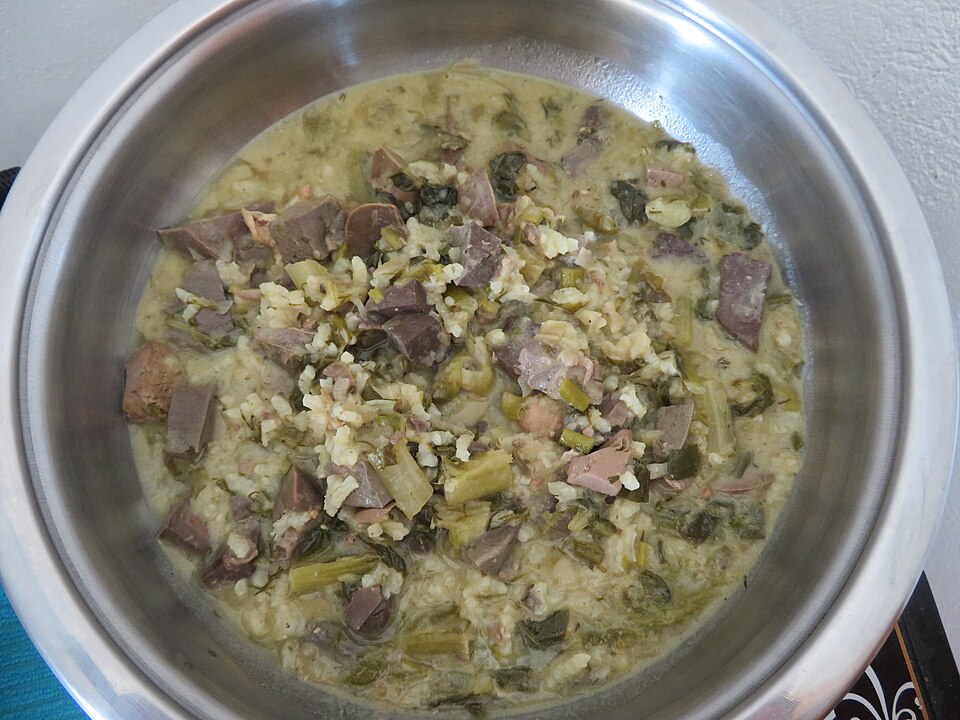
Magiritsa is the soup traditionally eaten just after midnight at the end of Easter Saturday, breaking the Lenten fast. It is made from lamb offal and intestines, simmered with a large quantity of spring onion and dill, and finished with an avgolemono, egg and lemon, liaison.
Easter Offal and Herb Soup
- Prep
- 1h
- Cook
- 1h 30m
- Total
- 2h 30m
- Serves
- 8
- Level
- Advanced
Ingredients
Ingredients
Tick ingredients off as you go. Quantities rescale with the buttons above.
Method
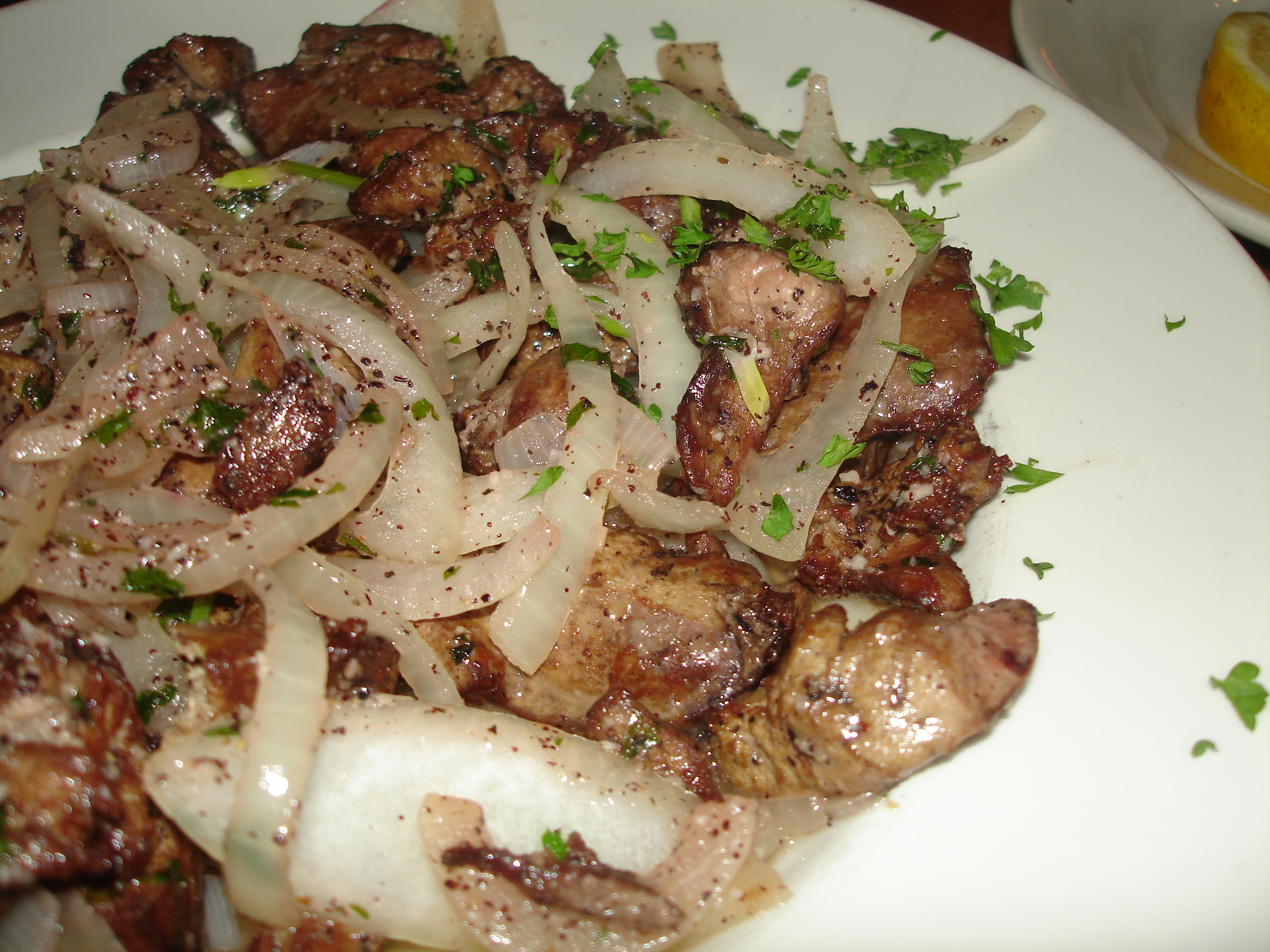
- 01Put the lamb liver, heart, intestines if using, and bay leaves into a large pot with the water. Bring to the boil, skim off any foam, then simmer for 40 to 45 minutes, until tender.
- 02Lift the offal out with a slotted spoon, reserving the cooking broth, and set aside to cool slightly. Discard the bay leaves. Once cool enough to handle, chop the offal finely.
Offal and Liver - 03In a large, clean pot, heat the olive oil and cook the spring onions over a low heat for 10 minutes, until very soft.
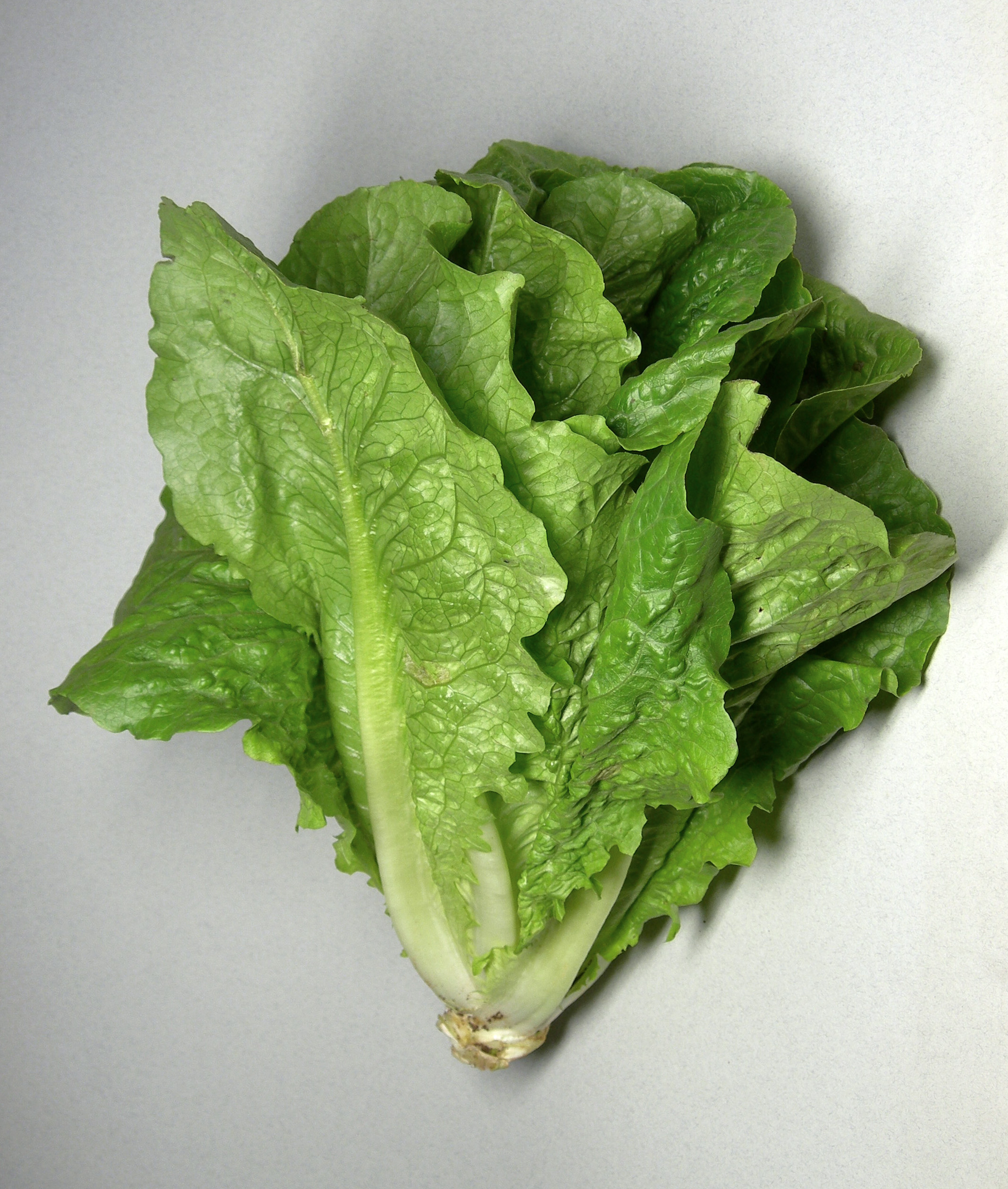
- 04Add the shredded lettuce and cook for 3 to 4 minutes until wilted.
Lettuce - 05Pour in the reserved offal broth and bring to a simmer. Add the chopped offal and half the dill, and season with salt and pepper.The vegetables are half the dish.Yiayia
- 06Simmer gently for 20 minutes.
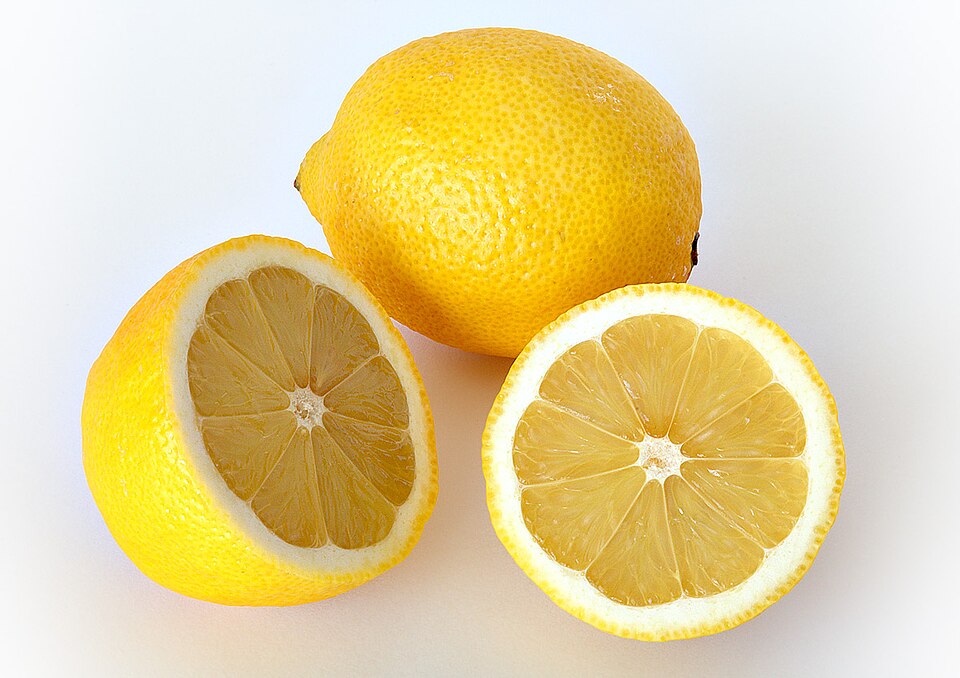
- 07Take the pot fully off the heat. Beat the eggs hard with the lemon juice, then temper with several ladlefuls of the hot broth, whisking constantly.
Lemon - 08Pour the tempered mixture back into the pot, stirring gently to combine. Do not return to the heat.
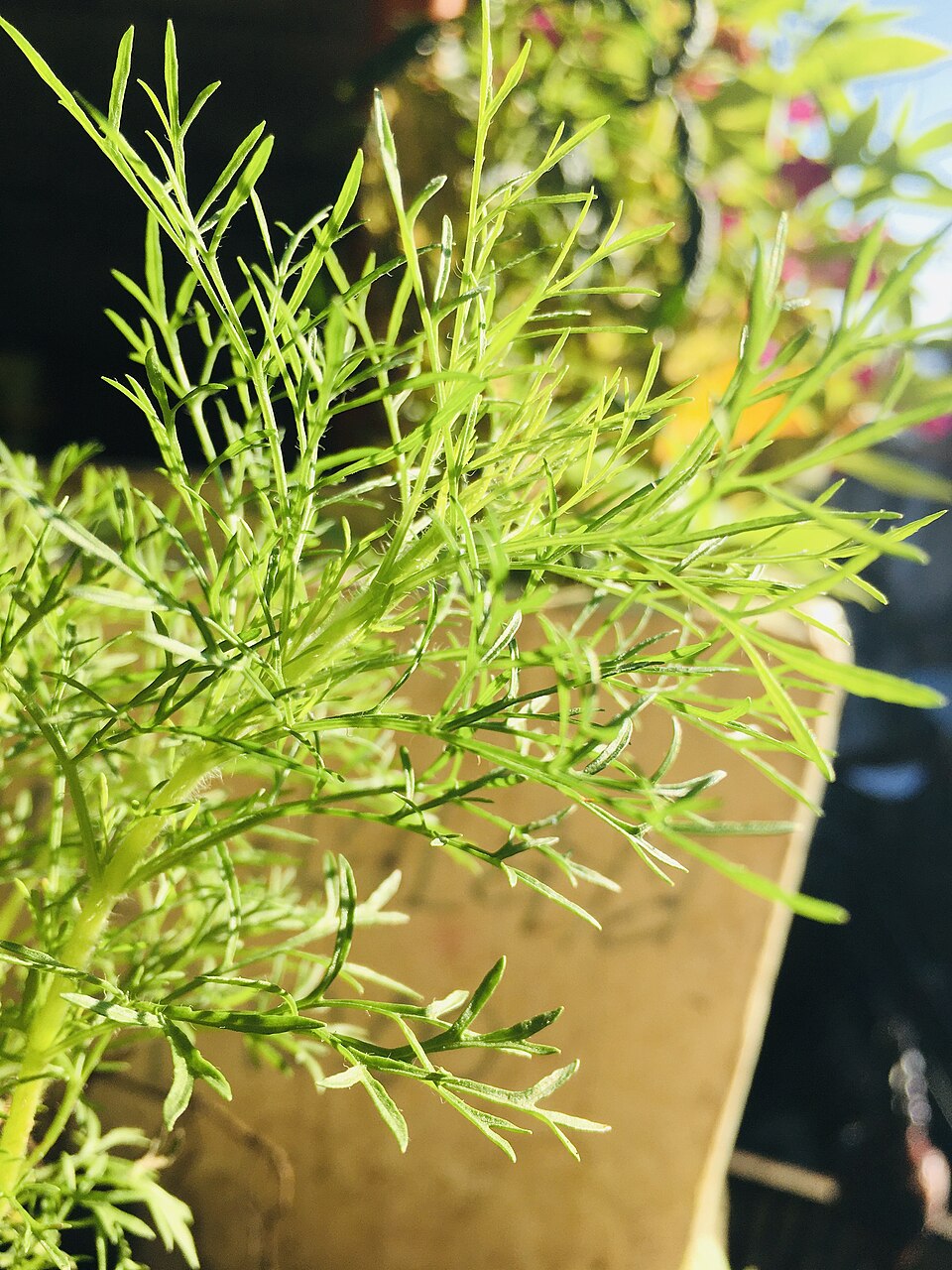
- 09Stir in the remaining fresh dill and serve immediately.
Dill
Nutrition, per 1 portion
- Calories
- 312
- Protein
- 24 g
- Carbs
- 8 g
- Fat
- 20 g
- Sat fat
- 5 g
- Fibre
- 2 g
These figures are calculated estimates based on the ingredients listed, not laboratory analysis. Actual values vary with brands, cuts and portion size.
Magiritsa exists to do one specific job: break seven weeks of Lenten fasting at the precise moment Easter is declared, just after midnight on Holy Saturday, when Greek households return from church and sit down to the first proper meal of meat since before Lent began. It uses the offal and inner organs of the lamb whose leg and shoulder are being saved for the main Easter Sunday feast the next day, so almost nothing goes to waste across the two days.
The ingredient list will be unfamiliar to a lot of home cooks: lamb liver, heart, and often the cleaned intestines, simmered with a huge quantity of spring onion, dill and lettuce, then finished with the same egg and lemon avgolemono liaison used across Greek cooking. It is a dish built on genuine culinary craft rather than convenience, and it rewards a butcher who can supply and prepare the offal properly.
If offal itself is a hard no in your household, a version made with just lamb liver and heart, leaving out the intestines, is a completely legitimate simplification that keeps the spirit and flavour of the dish while asking less of the cook.
Key preparation steps
- Simmer lamb offal until tender, then chop it finely.
- Sauté a large quantity of spring onion, then wilt in dill and lettuce.
- Simmer everything together in the offal cooking broth.
- Finish with a generous avgolemono, off the heat, just before serving.
Sourcing and preparing the offal
Lamb liver and heart are the two essential components, and cleaned lamb intestines are the traditional addition for a fully authentic version, though they need thorough cleaning, usually done by the butcher, before they reach your kitchen. Ask specifically for magiritsa offal at a good butcher around Easter, since many will have it ready-prepared at exactly this time of year.
Simmer the offal in plenty of water with a bay leaf until tender, which takes around forty-five minutes, then lift it out, chop it finely, and keep the cooking liquid, since that broth becomes the base of the soup itself.
Building the herb base
A very large quantity of spring onion, both white and green parts, sautéed slowly in olive oil until soft, is the backbone of magiritsa's flavour, well beyond what most Western soups would use. Fresh dill, added generously, is the second defining flavour, and shredded lettuce, usually a cos or romaine type, is stirred in for body and a subtle sweetness.
This is a soup where the vegetables are not a garnish, they are close to half the substance of the finished dish, alongside the chopped offal.
The avgolemono finish
As with any avgolemono, take the pot fully off the heat before you begin. Beat eggs vigorously with lemon juice, then temper the mixture gradually with hot broth from the pot, a ladleful at a time, before pouring the tempered mixture back into the pot and stirring gently to combine.
Never let the soup return to a boil once the egg has gone in, since it will split and turn grainy rather than staying silky. Serve immediately once the avgolemono is stirred through.
What matters in this dish
Ask your butcher for prepared offal around Easter
Many Greek and Cypriot butchers stock cleaned lamb offal specifically for magiritsa at exactly this time of year, saving significant preparation work.
The vegetables are half the dish
A generous quantity of spring onion, dill and lettuce is what gives magiritsa its character, not just the offal. Do not skimp on any of the three.
Never boil after the egg goes in
As with any avgolemono, the soup will split and turn grainy if it returns to a full boil once the egg and lemon liaison is stirred through.
Questions people ask about Magiritsa
When is magiritsa traditionally eaten?
Just after midnight on Holy Saturday, immediately following the Resurrection church service that marks the start of Easter, breaking the seven-week Lenten fast.
Can you make magiritsa without intestines?
Yes, a version using just lamb liver and heart is a completely legitimate and common simplification, keeping the character of the dish while being considerably easier to prepare.
Why is magiritsa made from lamb offal specifically?
The lamb whose leg and shoulder are reserved for the main Easter Sunday feast is typically slaughtered in the days before, and magiritsa uses the offal from that same animal, so very little of it goes to waste across the two days of celebration.