Greek Soups · The Mainland · Boiled and Simmered · The Sunday Table
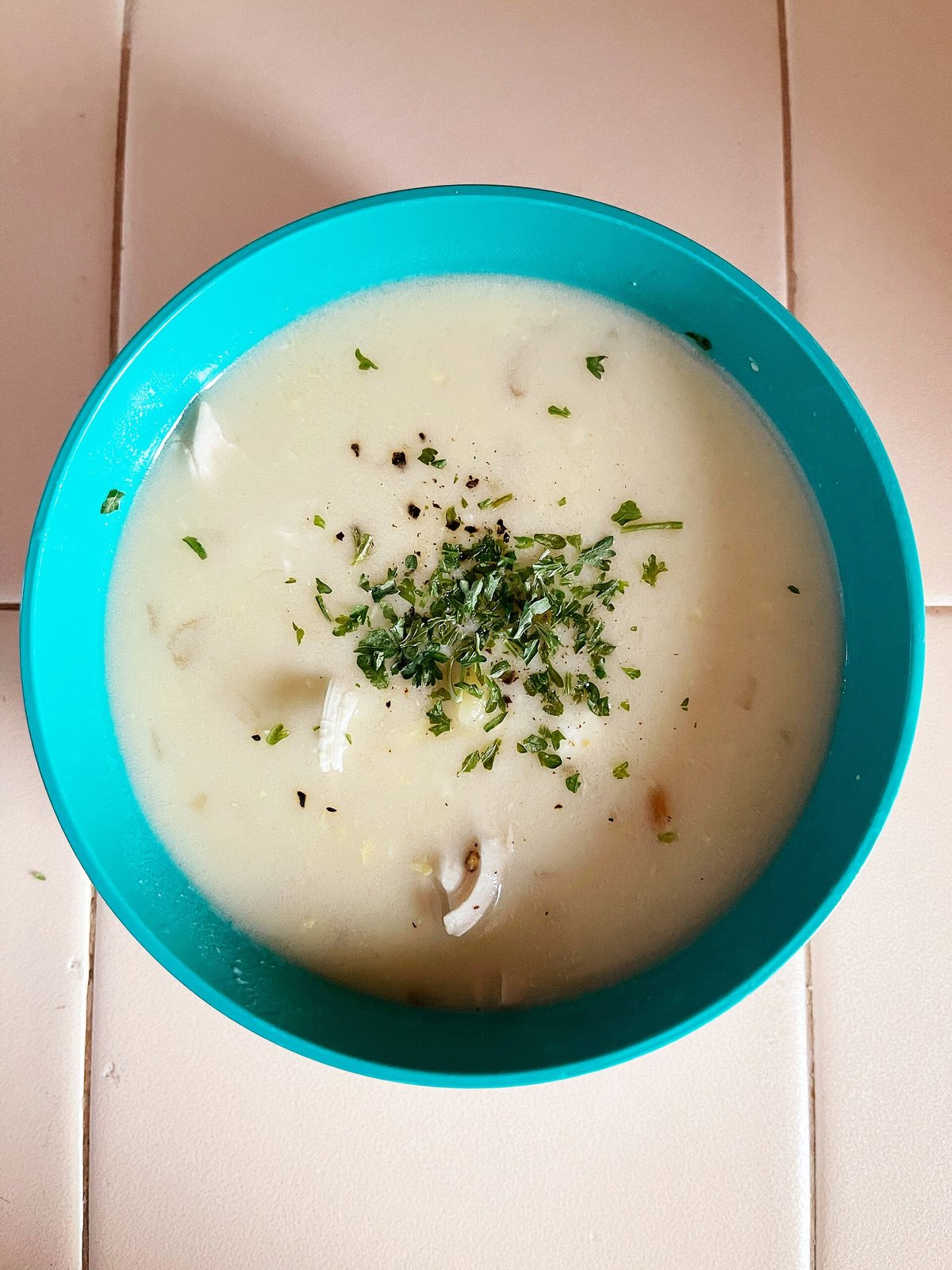
Greek Avgolemono Soup Recipe (Egg and Lemon Chicken Soup)
Κοτόσουπα αυγολέμονο ahv-gho-LEH-mo-no · Kotosoupa avgolemono
In short
Avgolemono is a Greek soup thickened with a mixture of beaten eggs and lemon juice rather than flour or cream. The egg mixture must be tempered with hot broth a ladleful at a time, off the heat, or it will scramble instead of emulsifying.
Avgolemono Soup
- Prep
- 15m
- Cook
- 1h 15m
- Total
- 1h 30m
- Serves
- 6
- Level
- Intermediate
Ingredients
For the broth and soup
For the avgolemono
Tick ingredients off as you go. Quantities rescale with the buttons above.
Method
- 01Put the chicken in a large pot with the onion, carrots, celery, bay leaves and peppercorns. Cover with the cold water. Starting from cold gives a clearer broth.
- 02Bring slowly to a bare simmer and skim off any foam that rises in the first ten minutes. Simmer very gently, uncovered, for about an hour until the chicken is falling from the bone. Do not let it boil hard or the broth will turn cloudy.
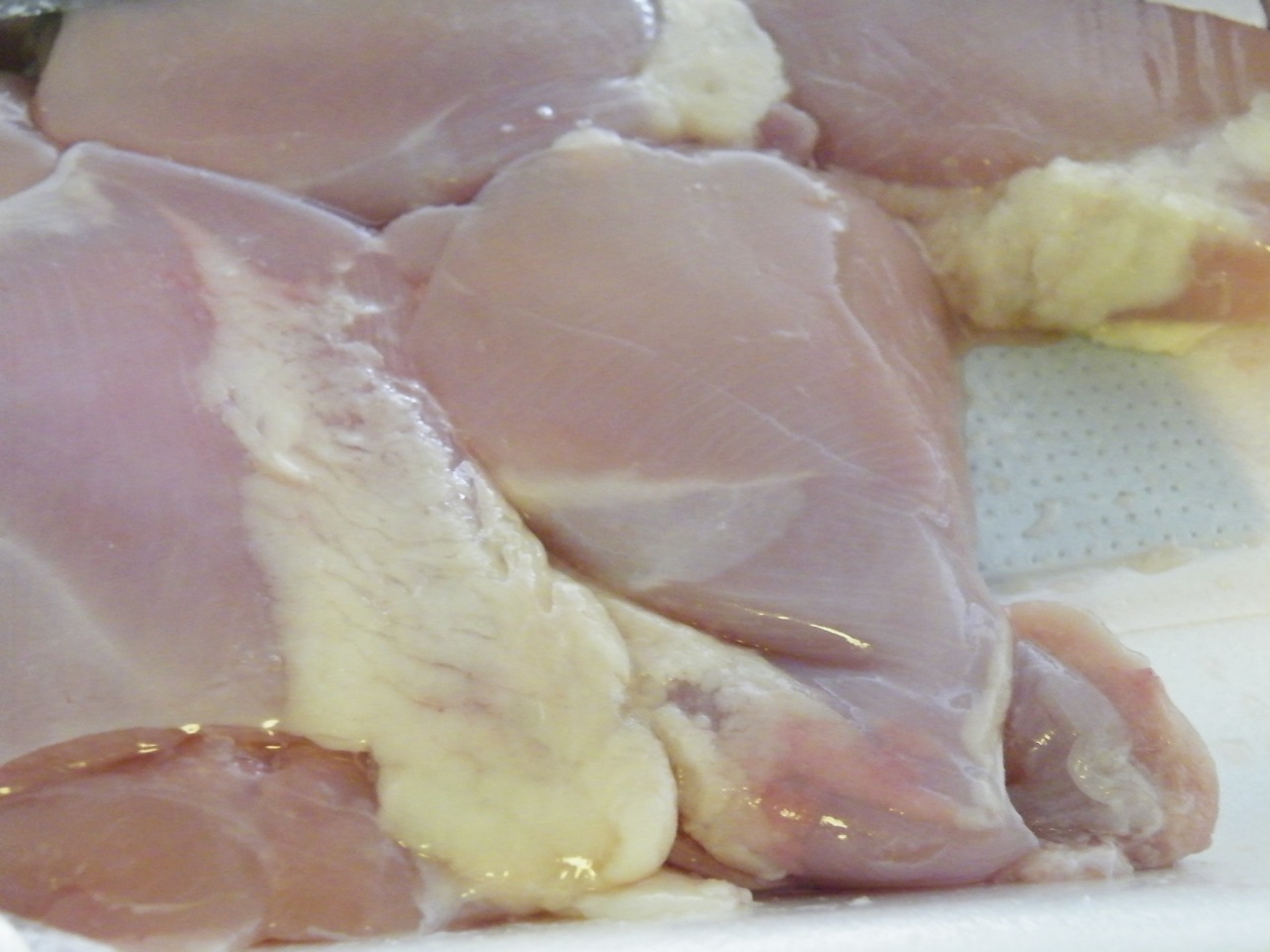
Chicken - 03Lift out the chicken and set aside to cool. Strain the broth through a sieve and discard the vegetables and aromatics. You want about 2 litres. Season with salt now, tasting carefully.
- 04Return the broth to the pot, bring to a simmer and add the rice or orzo. Cook for 12 to 15 minutes until tender.
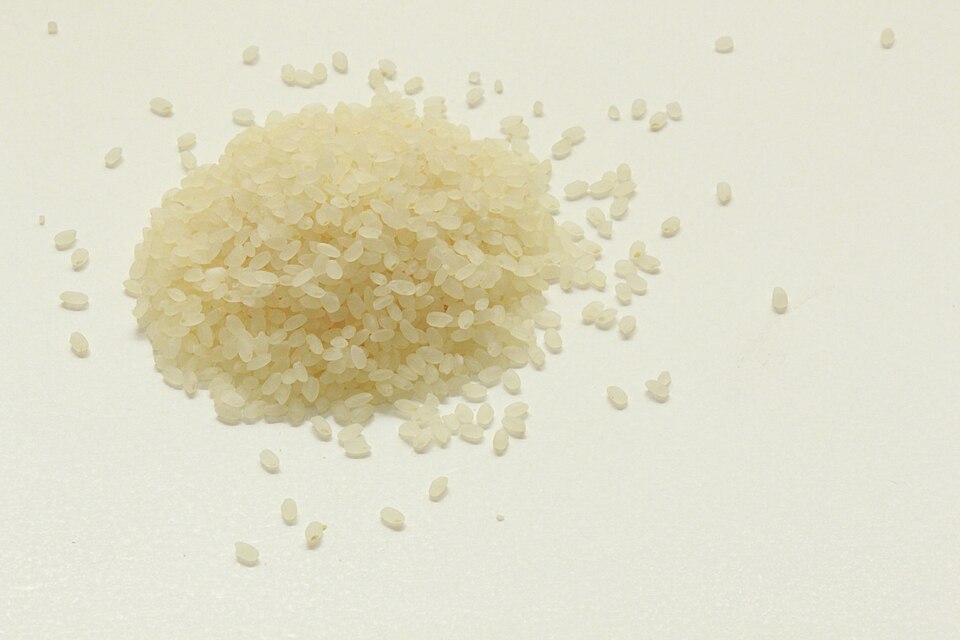
Rice - 05Meanwhile, pull the chicken meat off the bones and shred it into bite-sized pieces, discarding the skin. Add the meat to the pot and warm through.
- 06Take the pot off the heat completely and let it stand for 2 minutes. This is important: the broth needs to stop boiling before the eggs go anywhere near it.Room temperature eggs.Yiayia
- 07In a large bowl, whisk the whole eggs and yolks hard for 2 minutes until pale and frothy. Whisk in the lemon juice.
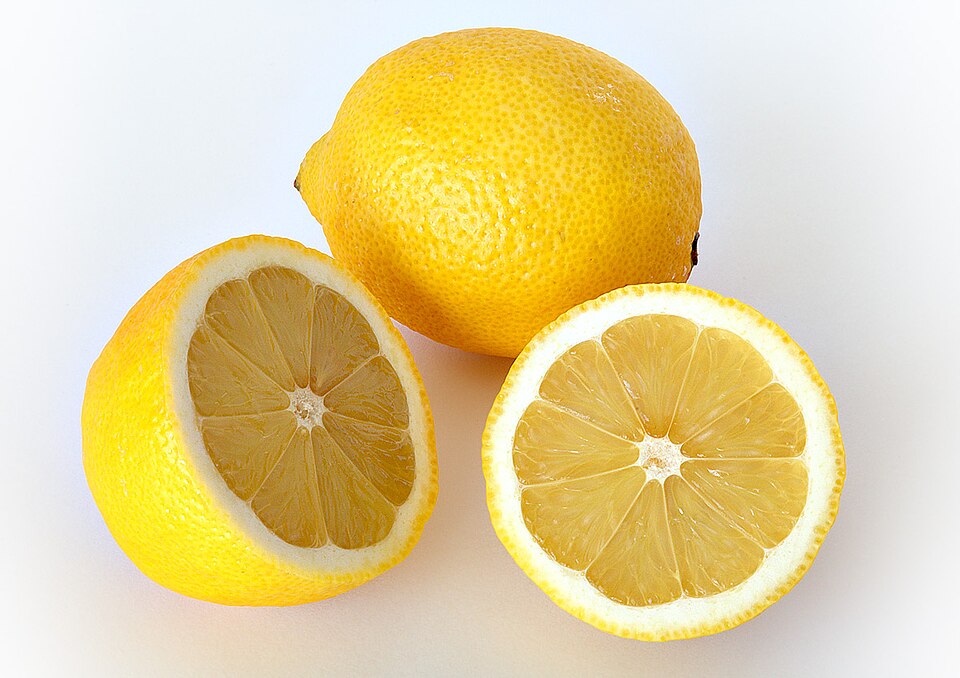
Lemon - 08Now temper. Whisking the egg mixture constantly with one hand, add a small ladleful of the hot broth with the other, in a thin stream. Repeat with at least 4 more ladlefuls, one at a time. The bowl should feel properly hot by the end.
- 09Pour the tempered mixture back into the pot in a steady stream, stirring as you go. The soup will thicken and turn pale gold and slightly opaque.
- 10Taste and add more lemon or salt as needed. Do not return the pot to the heat. If it needs to be hotter, warm it very gently and stop well short of a simmer.

Salt - 11Serve straight away with plenty of black pepper and chopped dill.
Nutrition, per 1 bowl
- Calories
- 312
- Protein
- 29 g
- Carbs
- 16 g
- Fat
- 14 g
- Sat fat
- 4 g
- Fibre
- 1 g
These figures are calculated estimates based on the ingredients listed, not laboratory analysis. Actual values vary with brands, cuts and portion size.
Avgolemono is not really a recipe, it is a technique, and once you have it you can use it on soups, stews, stuffed vine leaves, fricassee and fish. Avgo is egg, lemoni is lemon, and the two beaten together and let down with hot broth produce a sauce that is thick, glossy and pale gold without a gram of flour or cream in it.
It is also the Greek answer to feeling unwell, the thing that gets made when someone has flu, and the soup served at Easter in a more elaborate form. Every family thinks theirs is correct.
The one difficulty is the tempering. Eggs set at around 70C, and soup is a great deal hotter than that, so pouring beaten egg into a hot pan gives you egg-drop soup. The fix is straightforward, and I have set it out in detail below.
Key preparation steps
- Poach a whole chicken gently to build a proper broth, then shred the meat.
- Cook the rice or orzo directly in the strained broth.
- Beat the eggs hard, then beat in the lemon juice.
- Take the pan off the heat and add hot broth to the eggs, very slowly, whisking constantly.
- Return the mixture to the pan off the heat and never let it boil again.
How do you stop avgolemono from curdling?
Three rules, and if you follow all three it will not curdle.
First, beat the eggs properly before anything else goes near them. Whisk whole eggs until they are pale, frothy and noticeably increased in volume, at least two minutes by hand. Air and thorough beating make the emulsion far more stable.
Second, add the lemon juice to the eggs and whisk that in fully before any broth. The acid partially denatures the protein in a controlled way, which raises the temperature at which the eggs will set.
Third, temper slowly and off the heat. Take the pan off the hob entirely. Then add hot broth to the egg mixture one small ladleful at a time, whisking continuously, until you have added at least four ladlefuls and the bowl feels hot rather than warm. Only then pour it back into the pot, whisking. The soup must not boil again after this point, ever.
Rice or orzo?
Both are standard. Short or medium grain rice releases more starch, which gives the soup extra body and helps the emulsion hold, and it is what most households use. Orzo, the rice-shaped pasta Greeks call kritharaki, gives a slightly cleaner texture and is common in tavernas.
Cook whichever you choose directly in the broth rather than separately, so the starch stays in the soup. About 100 g for six servings is right. Any more and you end up with a rice dish in a lemon sauce rather than a soup, though a lot of Greek grandmothers would say that is not a problem.
Whole eggs, or yolks only?
Whole eggs give a lighter, frothier, more everyday soup. Yolks only give a richer, thicker, more velvety result, closer to a restaurant version.
The compromise many cooks use, and the one in this recipe, is whole eggs plus one or two extra yolks. You get the volume from the whites and extra richness and stability from the yolks.
Some cooks whisk the whites to soft peaks separately before folding in the yolks and lemon. It produces a beautifully foamy soup and it is a genuine traditional method, though it makes little difference once the soup is in the bowl.
How much lemon?
More than most recipes admit. Avgolemono should be assertively lemony, not faintly citrus. The juice of two decent lemons for six servings is a sensible baseline and three is not unusual.
Add the juice of two at the start, then taste the finished soup and add more off the heat if it needs sharpening. Lemons vary enormously in acidity and a recipe cannot know how sharp yours are.
Reheating avgolemono without splitting it
Gently, and never to a boil. Warm it over a low heat, stirring, and stop as soon as it is hot enough to eat. If you boil it the egg will set and the soup will go grainy, and there is no way back.
It thickens considerably in the fridge, so loosen it with a splash of water or broth as you reheat. It keeps for two days and does not freeze: the emulsion breaks on thawing.
What matters in this dish
Room temperature eggs
Cold eggs hitting hot broth is a bigger temperature shock and a bigger curdling risk. Take them out of the fridge half an hour ahead.
Use a big bowl for tempering
A cramped bowl means you whisk badly and splash. Use something twice the size you think you need so you can whisk freely.
Save the technique
The same egg and lemon mixture finishes lamb fricassee, dolmades, pork with celery and countless other dishes. Learn it once and use it everywhere.
Questions people ask about Kotosoupa avgolemono
Why did my avgolemono curdle?
The broth was too hot, the eggs went in too fast, or the soup boiled after the eggs were added. Take the pot fully off the heat, add hot broth to the eggs a ladleful at a time while whisking, and never let it simmer again afterwards.
Can you freeze avgolemono soup?
No. The egg emulsion separates on thawing and the texture becomes grainy and unpleasant. It keeps for two days in the fridge and should be reheated gently without boiling.
Can I make avgolemono without chicken?
Yes. It works with vegetable stock and is often made that way during fasting periods, though the eggs mean it is not vegan. Fish avgolemono, made with the broth from poached fish, is a traditional and excellent variation.
How do you reheat avgolemono soup?
Slowly, over low heat, stirring, and stopping as soon as it is hot. It thickens in the fridge so add a splash of water or broth to loosen it. Boiling it will set the egg and ruin the texture.
What is the difference between avgolemono and magiritsa?
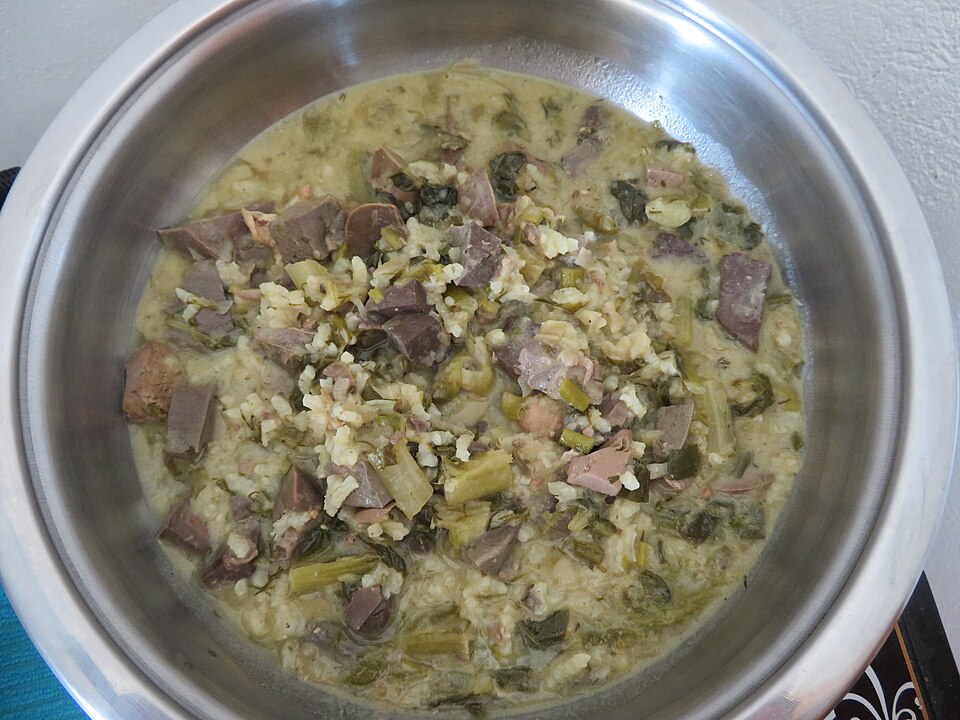
Magiritsa is the Easter soup made from lamb offal and greens, finished with the same avgolemono technique. Avgolemono itself is the egg and lemon liaison, not a specific soup, though it usually refers to the chicken and rice version.