Greek Dips and Sauces · The Mainland · No-Cook · Lent and Nistisima
Skordalia Recipe (Greek Garlic and Potato Dip)
Σκορδαλιά skor-dah-lee-AH · Skordalia
In short
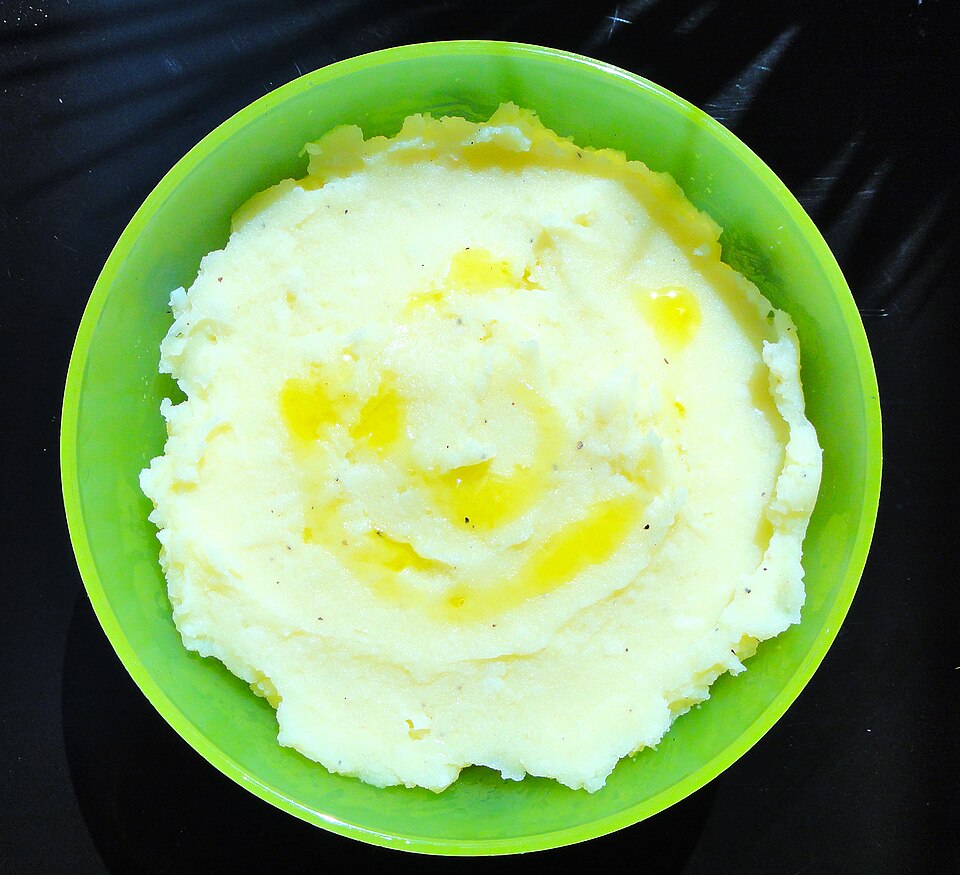
Skordalia is a Greek dip of mashed potato, or sometimes bread, whipped with a generous amount of raw garlic, olive oil and vinegar into a smooth, pungent puree. It is the traditional accompaniment to fried salt cod, bakaliaros, especially on March 25th.
Skordalia
- Prep
- 20m
- Cook
- 15m
- Total
- 35m
- Serves
- 6
- Level
- Beginner
Ingredients
Ingredients
Tick ingredients off as you go. Quantities rescale with the buttons above.
Method
- 01Scrub the potatoes and boil them whole, unpeeled, in salted water for 30 to 40 minutes, until completely tender. Reserve a cup of the cooking water, then drain.Boil the potatoes whole and unpeeled.Yiayia
- 02Once cool enough to handle, peel the potatoes and pass them through a ricer, or mash gently by hand, into a large bowl. Do not use a food processor.
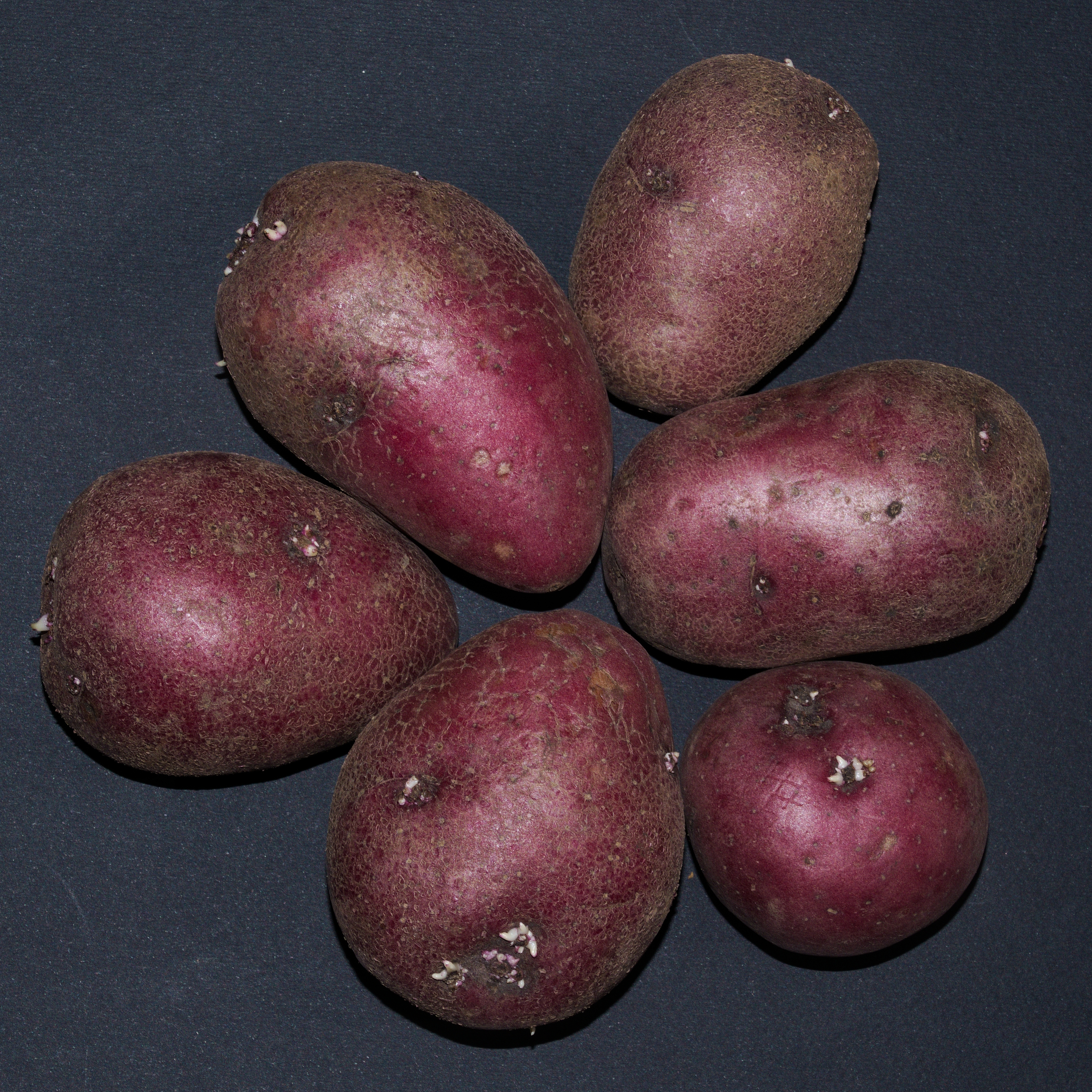
Potato - 03Crush the garlic with the salt using a mortar and pestle, or the flat of a knife, until it forms a completely smooth paste.
- 04Work the garlic paste into the mashed potato with a wooden spoon.
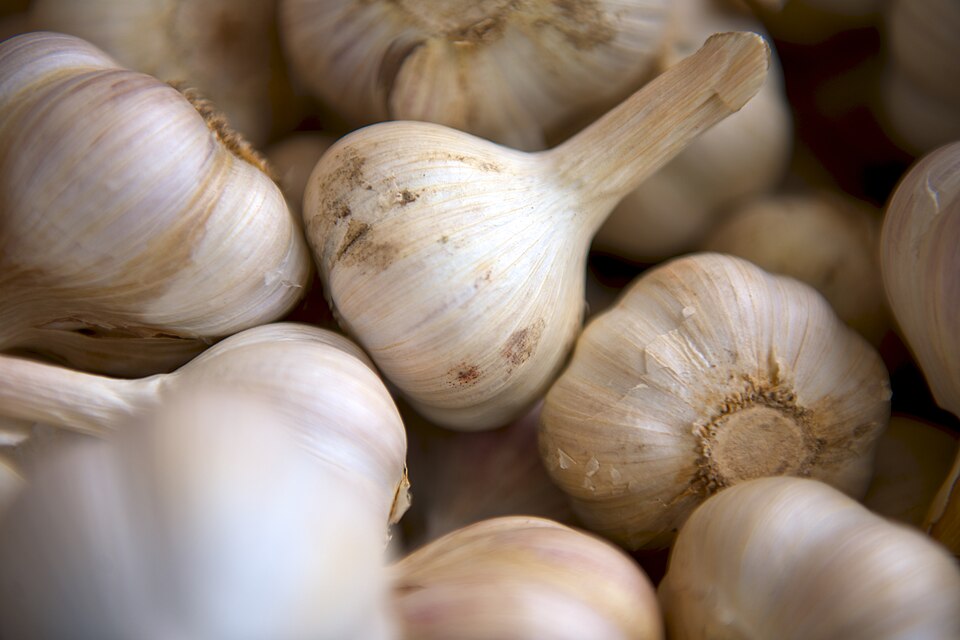
Garlic - 05Beat in the olive oil gradually, a few tablespoons at a time, alternating with splashes of the vinegar, working the mixture continuously until smooth and glossy.
- 06Loosen with a little of the reserved potato water if the mixture is too stiff. Taste and adjust the salt, garlic and vinegar.
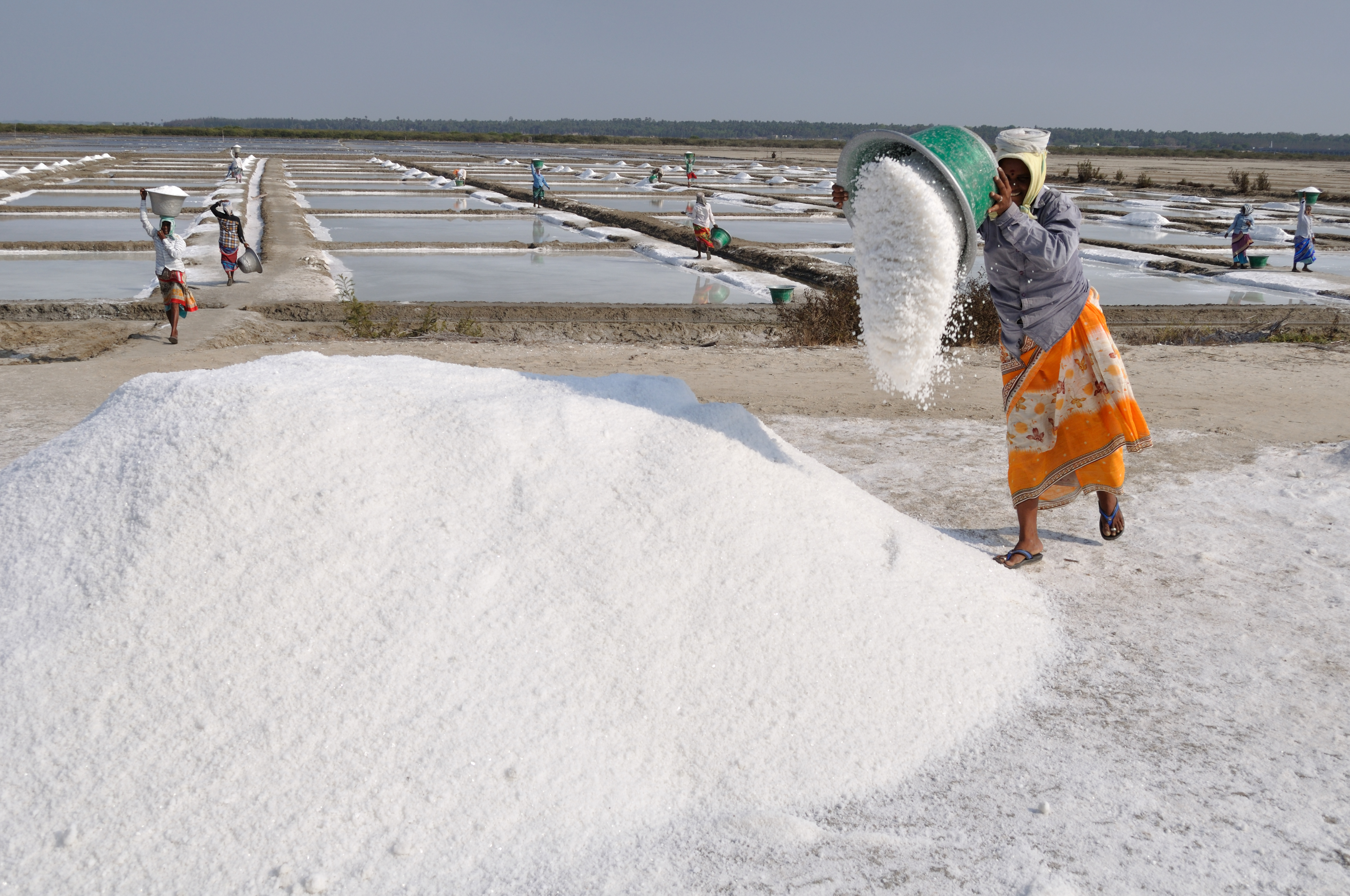
Salt - 07Serve at room temperature, drizzled with a little extra olive oil.
Nutrition, per 3 tbsp
- Calories
- 218
- Protein
- 2 g
- Carbs
- 19 g
- Fat
- 15 g
- Sat fat
- 2 g
- Fibre
- 2 g
These figures are calculated estimates based on the ingredients listed, not laboratory analysis. Actual values vary with brands, cuts and portion size.
Skordalia takes its name directly from skordo, the Greek word for garlic, and there is no version of this dip that is shy about it. Boiled potato whipped with raw garlic, olive oil and a splash of vinegar, it is meant to be assertive, the kind of dip that announces itself the moment the plate reaches the table.
It exists specifically to be eaten alongside fried salt cod on March 25th, Greek Independence Day, which falls during Lent, making the pairing of a fasting-friendly fish and a dairy-free dip a genuinely practical combination as much as a delicious one. Outside that specific date it turns up constantly as a meze alongside fried vegetables and grilled meats.
The whole dip lives or dies on how the potato is mashed. Overwork it in a food processor and you get wallpaper paste, not a dip. This is one of the few recipes on the site where the old-fashioned hand tools genuinely beat the modern electric ones.
Key preparation steps
- Boil potatoes whole in their skins, never peeled and cut.
- Mash by hand, never in a food processor.
- Pound raw garlic to a smooth paste with salt.
- Beat in olive oil and vinegar gradually until silky.
Why the potato must be mashed by hand
A food processor shears potato cells and releases their starch violently, which is exactly how you get a gluey, gummy paste instead of a light, fluffy dip. A potato ricer or an old-fashioned masher, used gently, breaks the potato apart without over-agitating the starch.
Boil the potatoes whole, in their skins, rather than peeled and cut into pieces. Whole potatoes take on far less water during boiling, which keeps the finished dip from turning watery and thin.
Handling the raw garlic
Crush the garlic to a completely smooth paste with a pinch of salt, using the flat of a knife or a mortar and pestle, rather than leaving any texture. Chunks of raw garlic in the finished dip are unpleasant, both in texture and in how sharply they hit compared with garlic that has been properly worked into a paste.
The exact quantity of garlic is genuinely a matter of preference and household tradition, and the range across real Greek kitchens is wide. Start with less than you think, taste, and add more, since raw garlic's heat is hard to walk back once it's in.
Building the emulsion
Beat the olive oil into the mashed potato and garlic paste gradually, alternating with small splashes of vinegar, working the mixture the whole time with a wooden spoon or hand whisk. Adding the oil too quickly, exactly as with a mayonnaise, risks the mixture turning oily and separated rather than silky.
The finished skordalia should be thick enough to hold a shape on a spoon but genuinely smooth, not stodgy. A splash of the potato cooking water, kept back for exactly this purpose, is the right way to loosen it if it is too stiff.
What matters in this dish
Boil the potatoes whole and unpeeled
This keeps them from absorbing extra water, which would otherwise thin the finished dip.
Never use a food processor
It over-works the potato starch into a gluey paste. A ricer or gentle hand mashing is what gives skordalia its proper light texture.
Start with less garlic than you think
Raw garlic's heat is easy to add and impossible to remove. Build it up gradually, tasting as you go.
Questions people ask about Skordalia
What is skordalia traditionally served with?
Fried salt cod, bakaliaros, is the classic pairing, especially on March 25th, Greek Independence Day, which falls during Lent. It is also a common meze alongside fried courgette, aubergine or grilled meat.
Can you make skordalia with bread instead of potato?
Yes, a bread-based version exists using soaked, squeezed stale bread instead of potato, giving a slightly lighter, more pungent result. Both are traditional.
Why did my skordalia turn out gluey?
Almost always from mashing the potato in a food processor, which breaks down the starch too violently. Use a ricer or mash gently by hand instead.
How long does skordalia keep?
Around 3 days in the fridge, covered. The raw garlic mellows slightly over the first day, which some people prefer.