Greek Soups · The Mainland · Boiled and Simmered · Lent and Nistisima
Fasolada Recipe (Greek White Bean Soup)
Φασολάδα fah-so-LAH-thah · Fasolada
In short
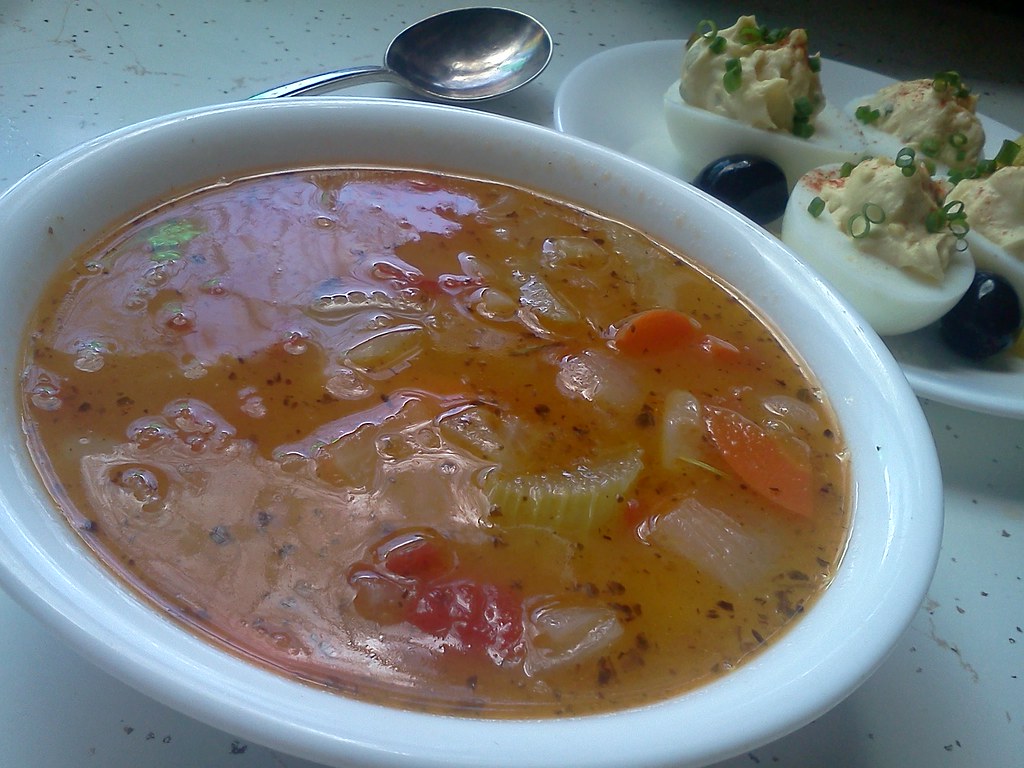
Fasolada is a Greek soup of dried white beans simmered with onion, celery, carrot, tomato and a generous quantity of olive oil. Often called the national dish of Greece, it is naturally vegan and is thickened only by the starch of the beans themselves.
Fasolada
- Prep
- 15m
- Cook
- 1h 30m
- Total
- 1h 45m
- Serves
- 6
- Level
- Beginner
Ingredients
Ingredients
Tick ingredients off as you go. Quantities rescale with the buttons above.
Method
- 01Drain the soaked beans, put them in a large pot with fresh cold water to cover by 5 cm, and bring to the boil. Boil hard for 5 minutes, skimming off the foam, then drain and rinse.Boil hard for five minutes first.Yiayia
- 02Return the beans to the pot with 2 litres of fresh cold water. Bring to a simmer and cook gently for 30 minutes. Do not salt yet.
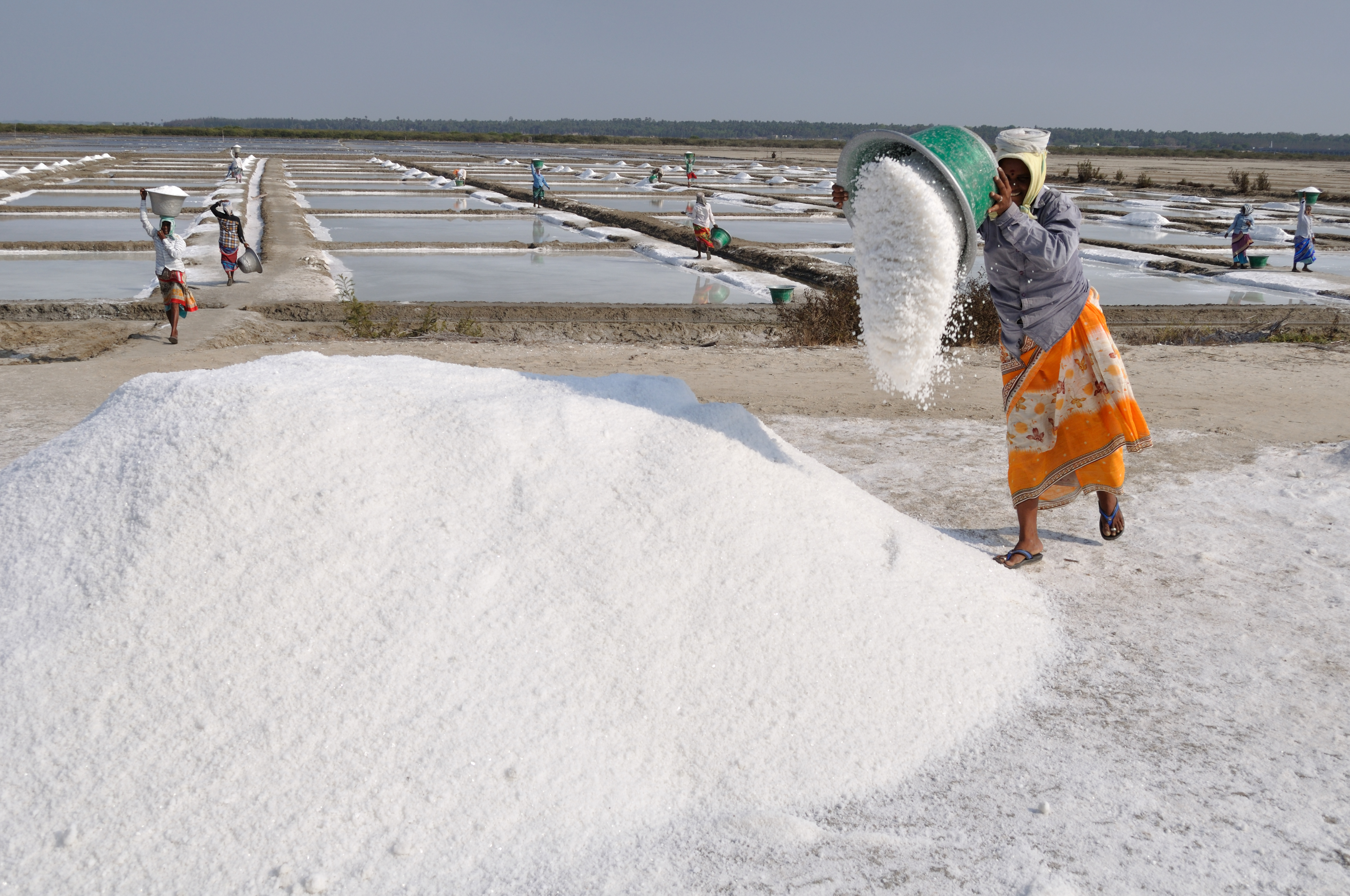
Salt - 03Meanwhile, heat half the olive oil in a frying pan and cook the onions, celery and carrots gently for 12 minutes until softened. Add the garlic for a further minute.
- 04Add the vegetables to the bean pot along with the bay leaves and oregano. Simmer for another 30 minutes.
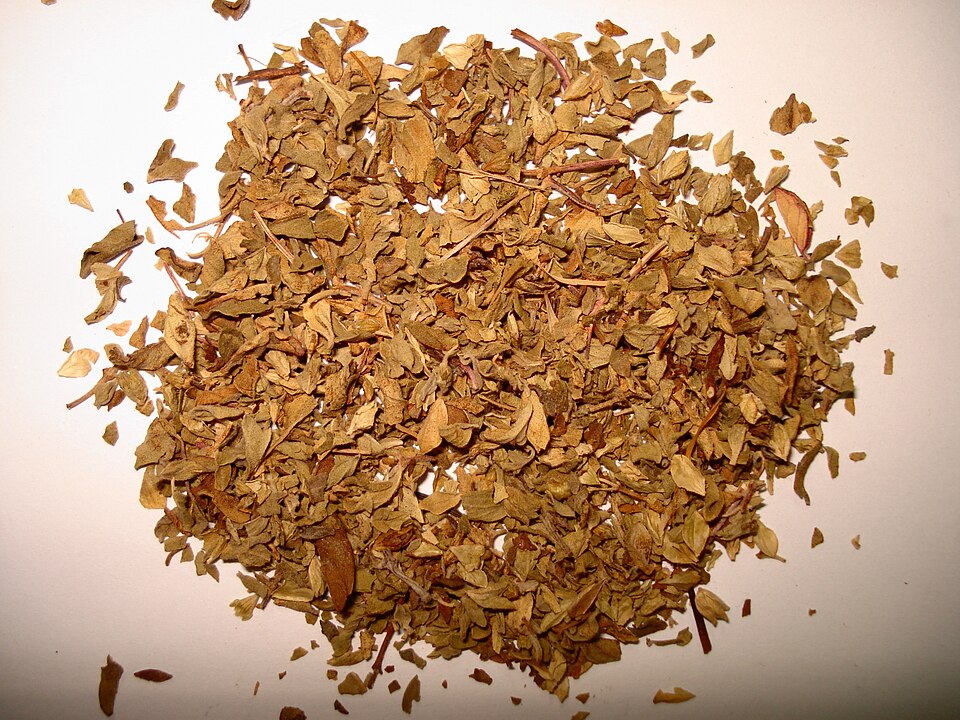
Oregano - 05Once the beans are tender, stir in the tomatoes, tomato puree and chilli flakes if using. Season generously with salt and pepper.
- 06Simmer for a further 25 to 30 minutes until the soup has thickened and the flavours have come together.
- 07Crush a ladleful of beans against the side of the pot and stir back in to thicken. Check the seasoning.
- 08Take off the heat, stir through the parsley and the remaining raw olive oil, and let it stand for 10 minutes before serving. Serve with bread, olives and feta.
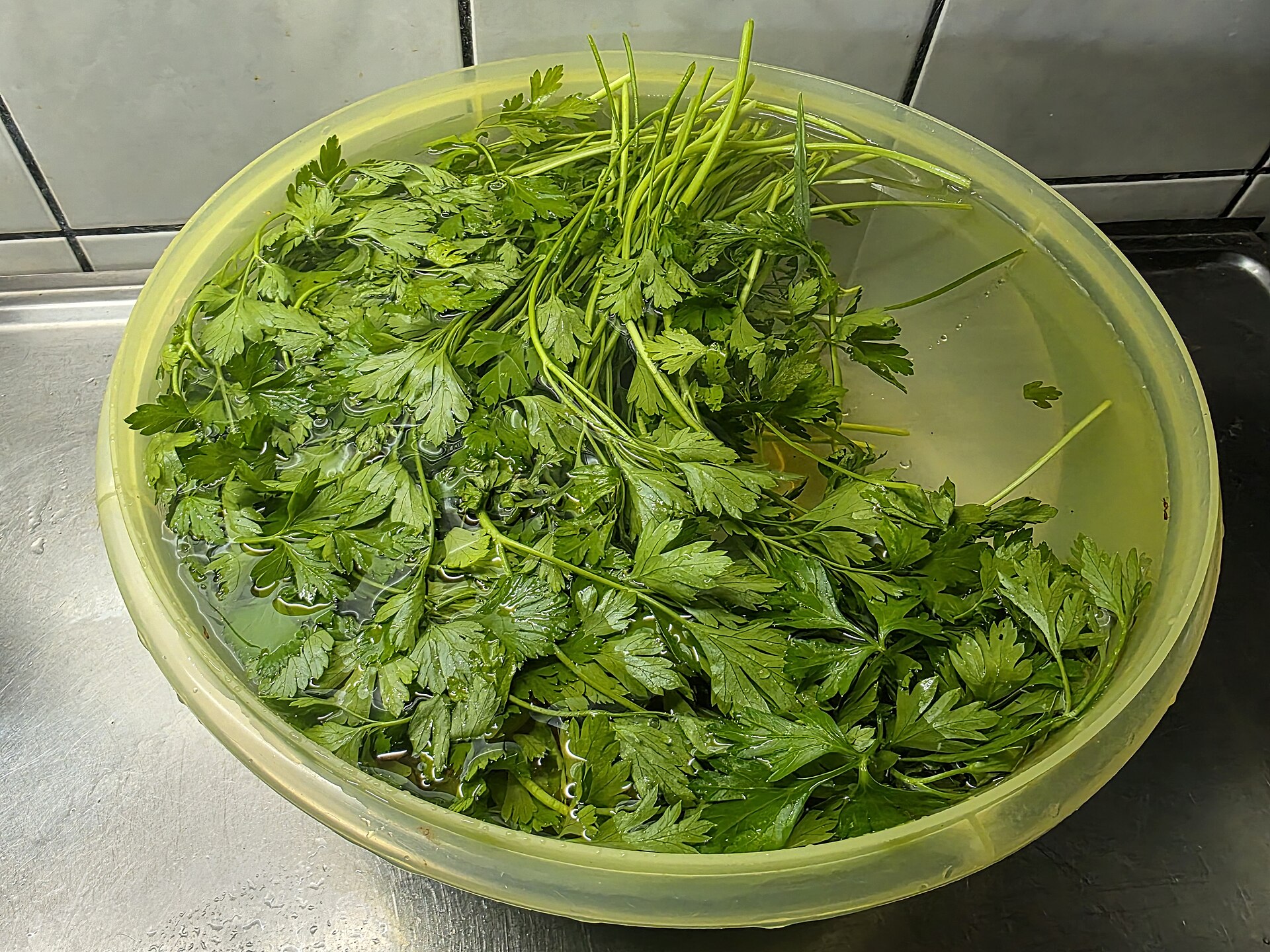
Parsley
Nutrition, per 1 bowl
- Calories
- 396
- Protein
- 16 g
- Carbs
- 48 g
- Fat
- 16 g
- Sat fat
- 2 g
- Fibre
- 15 g
These figures are calculated estimates based on the ingredients listed, not laboratory analysis. Actual values vary with brands, cuts and portion size.
Fasolada is routinely called the national dish of Greece, and the claim survives scrutiny better than you might expect. It is what people actually ate, several times a week, for centuries, in every part of the country. It is cheap, it keeps, it is filling, and it is permitted during every fasting period.
It is also very easy to make badly, and the way it goes wrong is always the same: not enough olive oil and not enough time. Fasolada is a ladera dish. The oil is not a garnish, it is what turns bean water into soup, and it goes in at the start as well as at the end.
There is no stock in it. The liquid is water, and everything it tastes of comes from the vegetables, the beans and the oil.
Key preparation steps
- Soak the beans overnight and simmer them in plain water first.
- Build the base with a lot of olive oil, celery and carrot.
- Add tomato only once the beans are tender.
- Finish with raw olive oil and let it sit before serving.
Which beans, and do you have to soak them?
Medium white beans, sold as haricot, navy or cannellini. In Greece these are simply fasolia. Cannellini are the easiest to find and work well.
Soak them overnight in plenty of cold water. It shortens the cooking substantially and gives a more even texture. If you have forgotten, cover with boiling water and leave for an hour, which gets you most of the way.
As with all bean cookery, no salt and nothing acidic until the beans are tender. Salt early toughens the skins and tomato added early can stop them softening altogether.
How much olive oil?
At least 120 ml for six servings, and a good number of Greek cooks would use more. Half goes in with the vegetables at the start, and the rest is poured over raw at the end.
The oil emulsifies with the starch released by the beans and that is what gives fasolada its body. Without enough of it you have vegetables floating in cloudy water.
The final raw pour matters as much as the cooked oil, because heat drives off the fresh grassy aromatics. Use a good peppery Greek oil for it.
Getting the texture right
Fasolada should be thick enough that a spoon leaves a brief trail, but it is a soup rather than a stew. It thickens as it stands, so stop slightly looser than you want it.
The traditional way to thicken it is to crush a ladleful of the cooked beans against the side of the pot and stir them back in. That releases starch without turning the whole thing into a puree.
Cook it long enough that some beans are starting to break down while most hold their shape. Ninety minutes of gentle simmering after the initial boil is about right.
What goes with it
Bread, olives, raw onion and feta if you are not fasting. That is the traditional accompaniment and it is a complete meal.
Salt cod, bakaliaros, is the classic pairing on days when fish is allowed. A few drops of vinegar stirred into the bowl at the table is common and worth trying.
It is unambiguously better on the second day. Make it in advance if you can.
What matters in this dish
Boil hard for five minutes first
The initial hard boil and change of water removes compounds that cause digestive discomfort and gives a cleaner-tasting soup.
Keep the celery leaves
The leaves carry more flavour than the stalks. Chop them in with everything else rather than discarding them.
Finish with raw oil, every time
Cooked oil and raw oil taste different. The final pour is where the peppery, grassy character comes from.
Questions people ask about Fasolada
Is fasolada really the national dish of Greece?
It is very widely described that way, on the grounds that it was the everyday food of ordinary households across the whole country for centuries. There is no official designation, but the claim reflects a real place in Greek life.
Can you use tinned beans for fasolada?
You can, and it takes about thirty minutes. The texture is softer and the soup thinner, because you lose the starch released during long cooking. Crush more of the beans to compensate.
Is fasolada vegan?
Yes, entirely. It contains no animal products at all, which is why it appears throughout the Orthodox fasting calendar.
Why won't my beans soften?
Old beans, hard water, or salt and tomato added too early. Keep anything acidic out of the pot until the beans are already tender.