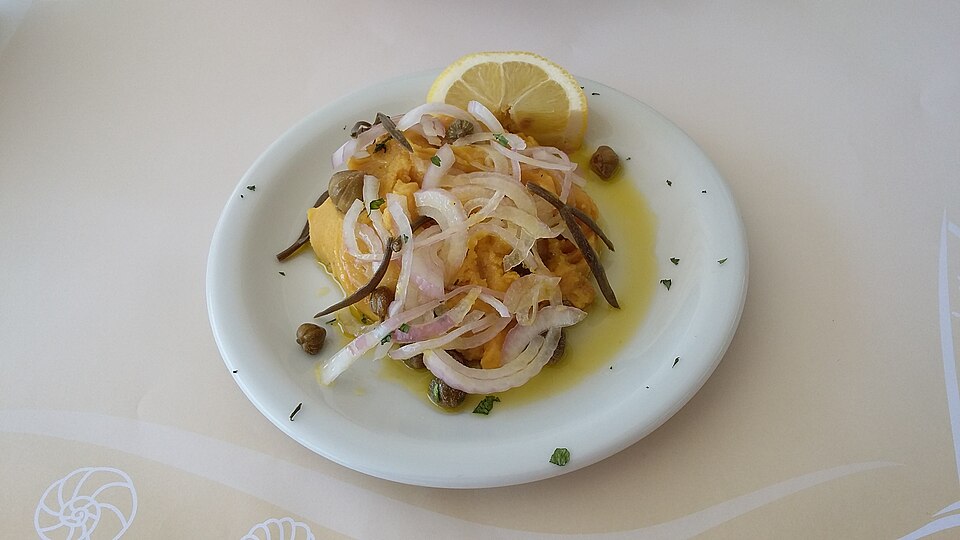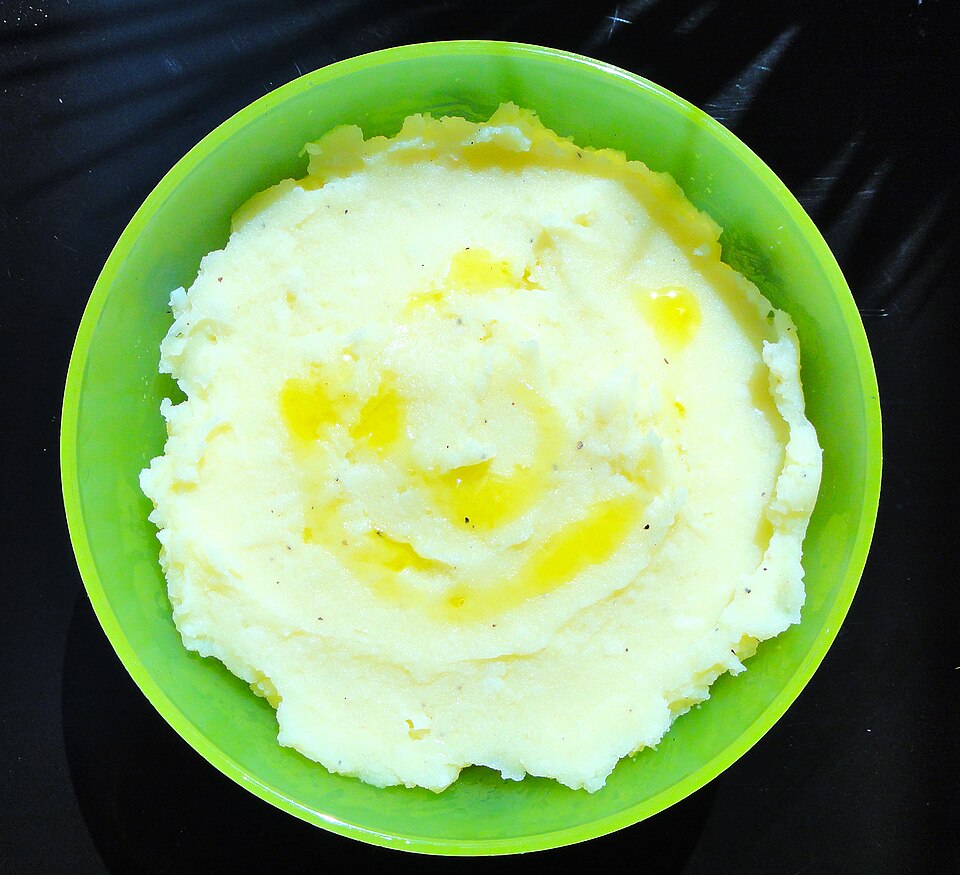
Greek Dips and Sauces · The Mainland · Grilled and Souvla · Mezedes and Ouzo
Greek Smoky Aubergine Dip (Melitzanosalata)
Μελιτζανοσαλάτα meh-lee-tzah-no-sah-LAH-tah · Melitzanosalata
In short
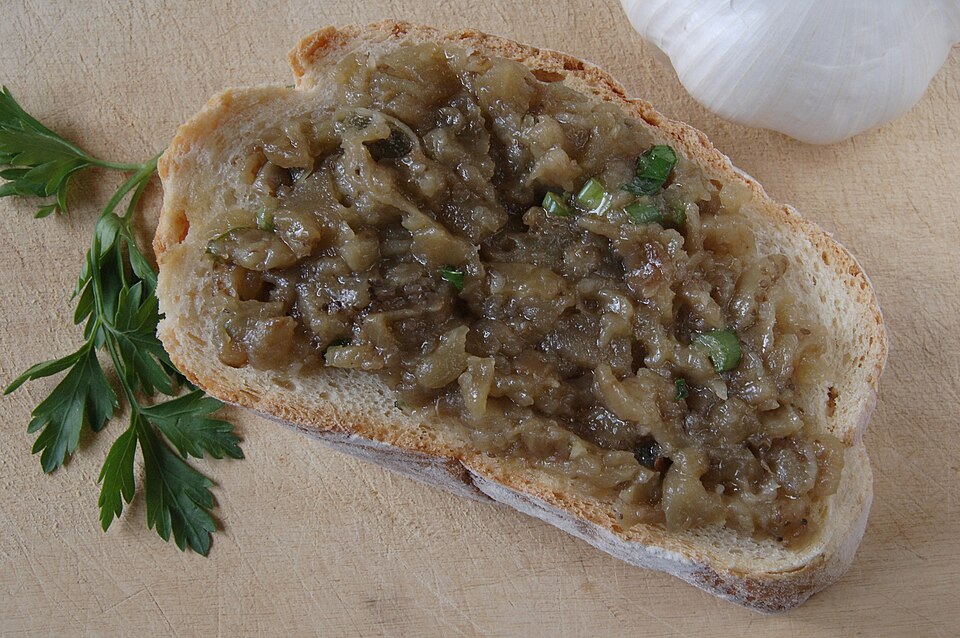
Melitzanosalata is a Greek dip of aubergines charred whole until the skin blackens, then peeled, drained and mashed with olive oil, garlic, vinegar and parsley. The smoke from charring over a direct flame is the defining flavour and cannot be replicated in an oven.
Smoky Aubergine Dip
- Prep
- 20m
- Cook
- 25m
- Total
- 45m
- Serves
- 6
- Level
- Beginner
Ingredients
Ingredients
Tick ingredients off as you go. Quantities rescale with the buttons above.
Method
- 01Prick each aubergine two or three times with a knife so steam can escape. Sit them directly on a gas burner over a medium flame, or on a hot barbecue.
- 02Char for 15 to 20 minutes, turning every few minutes with tongs, until the skin is blackened all over and the aubergines have collapsed. They should feel completely soft when pressed.
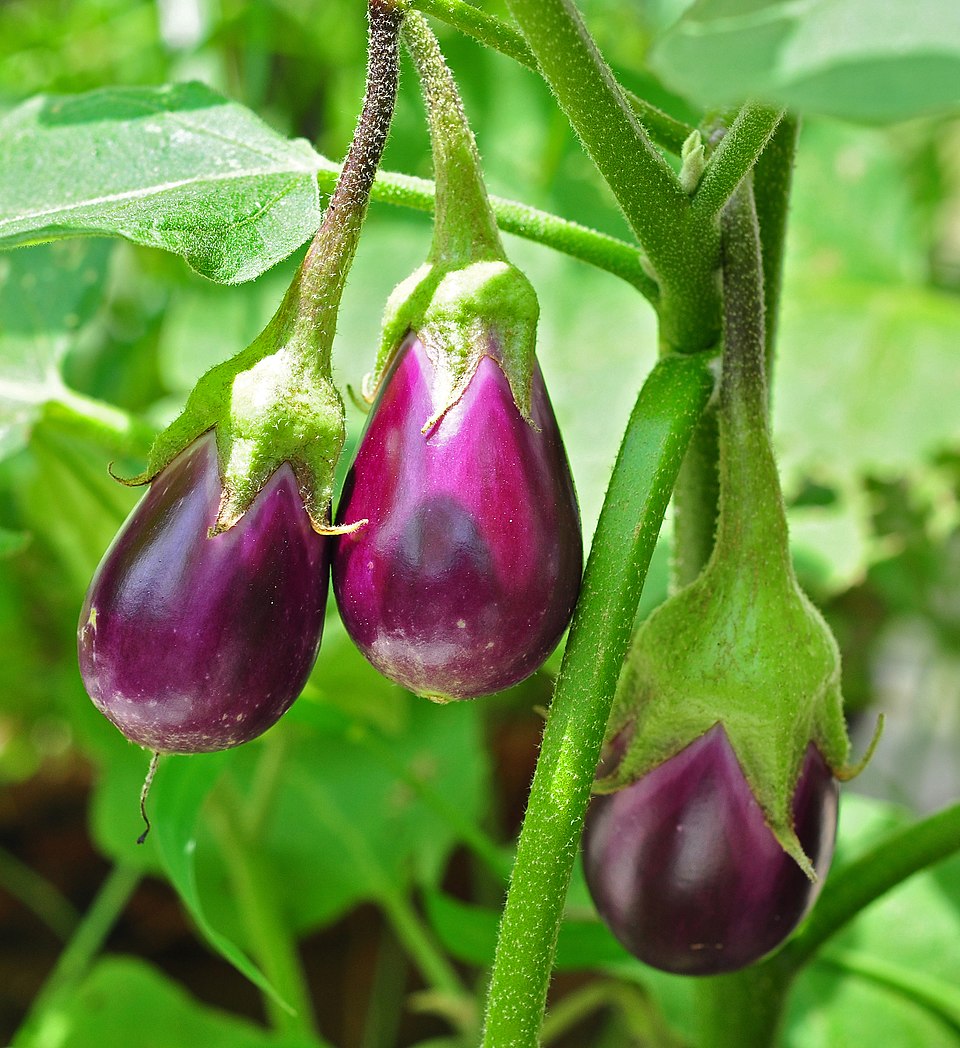
Aubergine - 03Put them in a bowl, cover, and leave for 10 minutes. The trapped steam loosens the skin.
- 04Split each aubergine open and scoop the flesh out with a spoon, leaving the blackened skin behind. Do not rinse it, or you wash away the smoke.Do not rinse the flesh.Yiayia
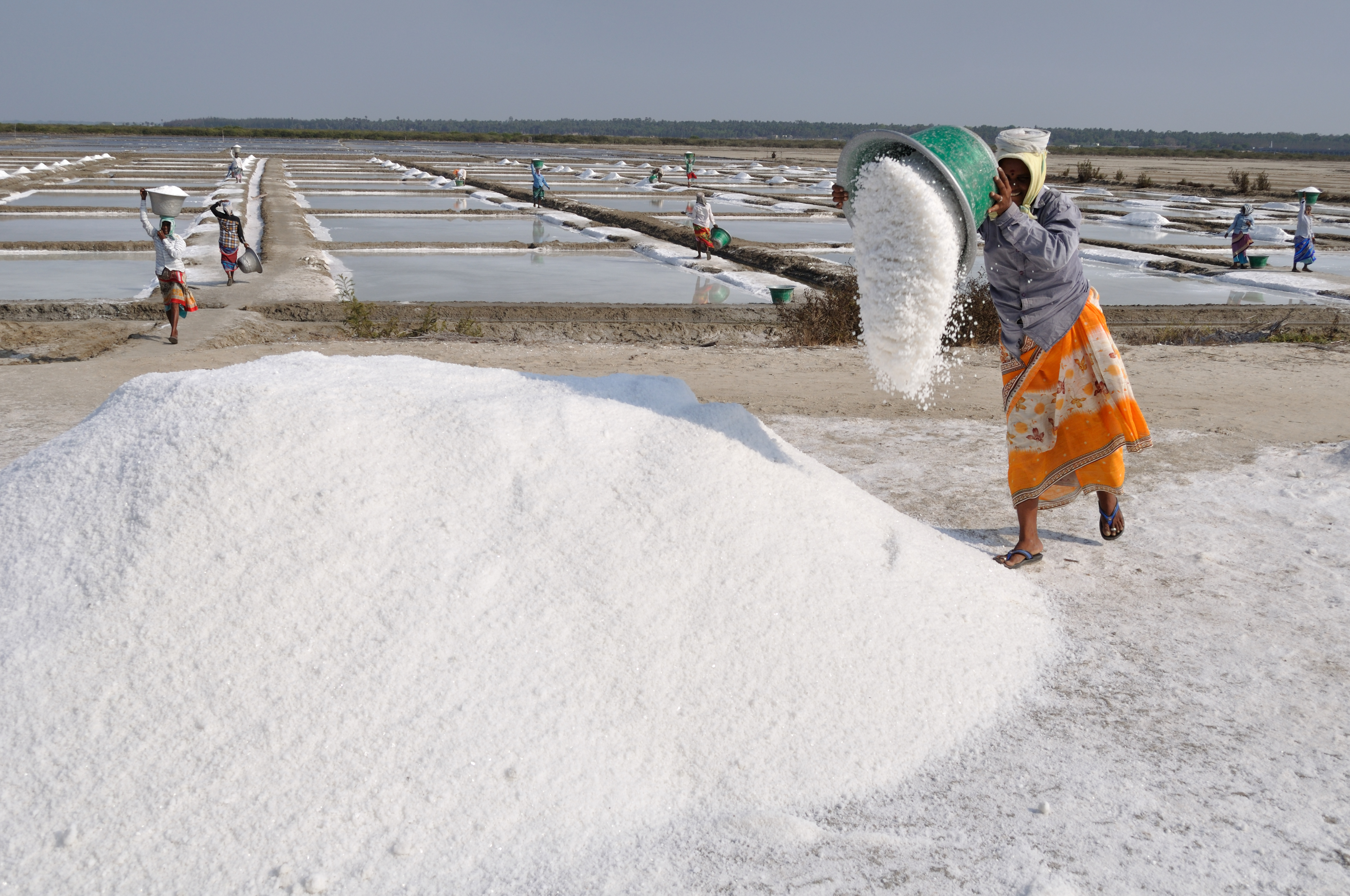
- 05Tip the flesh into a sieve set over a bowl, sprinkle with a little salt, and leave to drain for 20 minutes.
Salt - 06Chop the drained flesh on a board with two knives, or in a bowl with a fork, until it is a rough, uneven mash. Do not use a food processor.
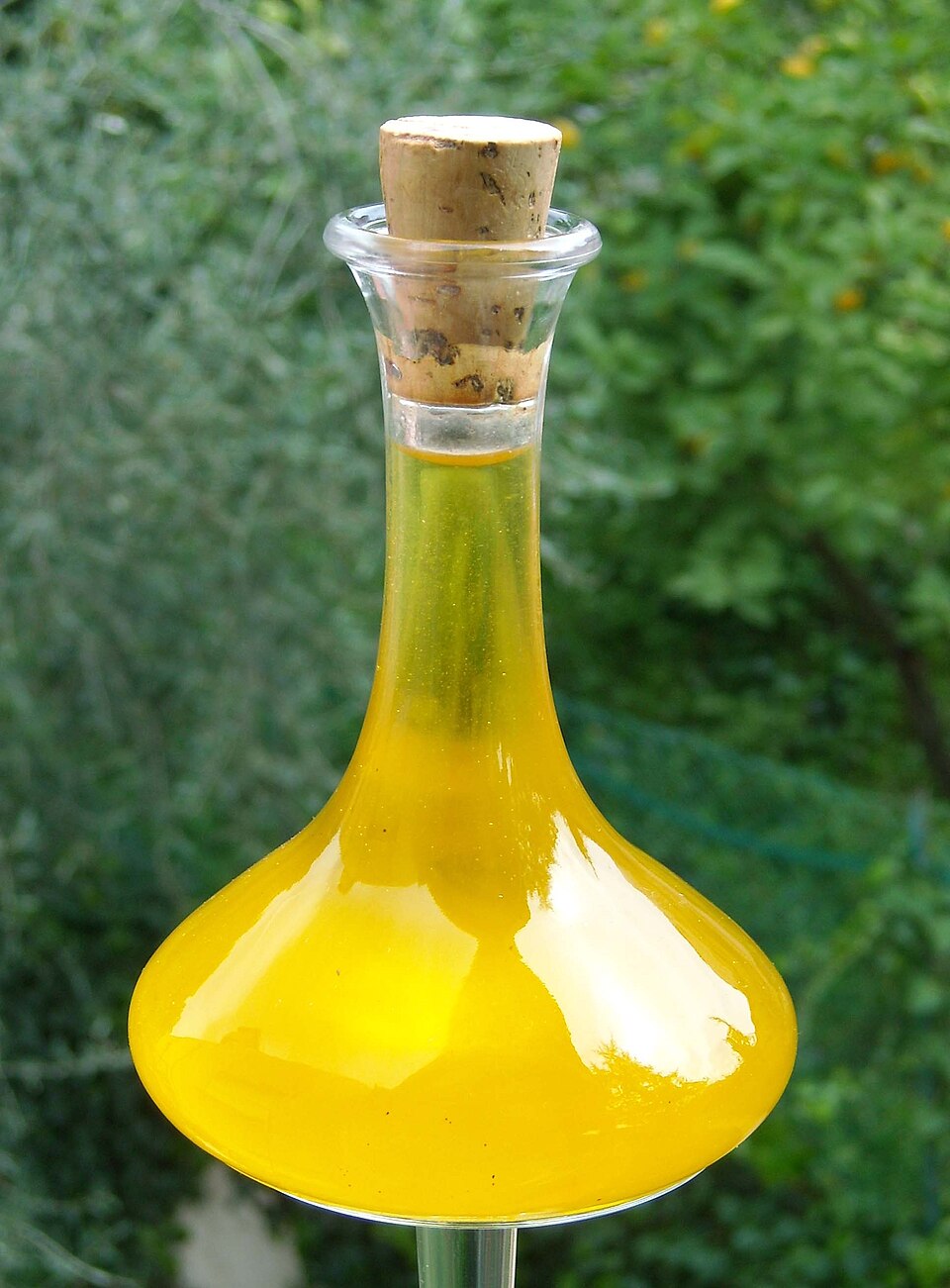
- 07Beat in the olive oil a tablespoon at a time with a fork, letting each addition absorb before the next. The mixture will lighten and thicken.
Olive Oil - 08Stir in the garlic, vinegar, spring onions and most of the parsley, and the walnuts if using. Season well with salt and pepper.
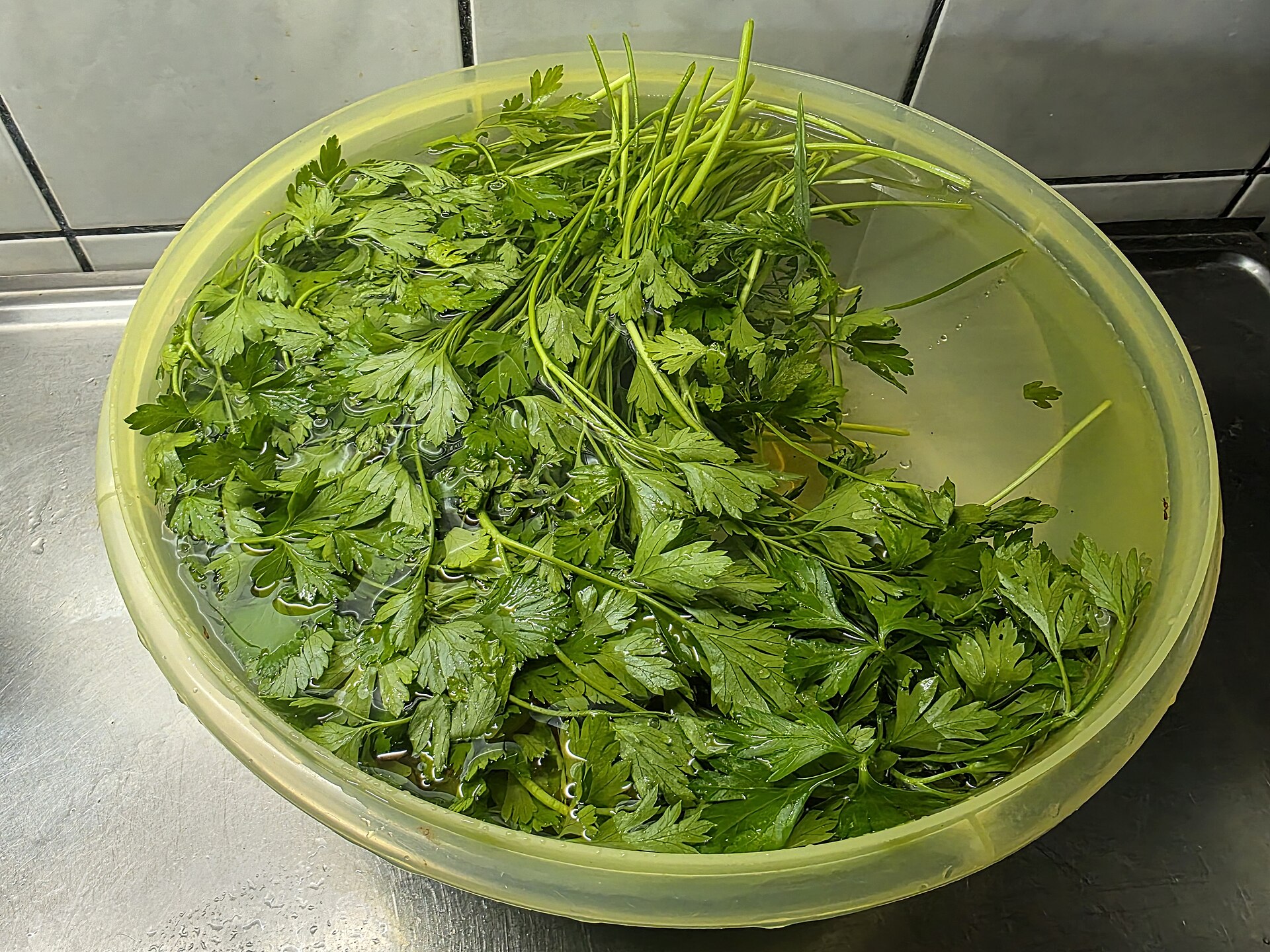
- 09Chill for an hour, then bring back towards room temperature to serve. Spread in a shallow bowl, pour over olive oil and finish with the rest of the parsley.
Parsley
Nutrition, per about 75 g
- Calories
- 186
- Protein
- 3 g
- Carbs
- 9 g
- Fat
- 16 g
- Sat fat
- 2 g
- Fibre
- 5 g
These figures are calculated estimates based on the ingredients listed, not laboratory analysis. Actual values vary with brands, cuts and portion size.
The whole dish is decided in the first ten minutes, when you char the aubergines. Do it over a naked flame until the skin is genuinely black and collapsing and the flesh inside has gone completely slack, and you get the smoke that makes melitzanosalata worth eating. Roast them politely in an oven and you get a pleasant beige puree that tastes of nothing much.
The second thing that decides it is drainage. Aubergine flesh holds a startling amount of bitter liquid, and if you skip the draining step the dip will be loose and slightly sour rather than thick and rich.
Everything after that is seasoning to taste. Greeks argue about whether it should contain vinegar or lemon, whether onion belongs in it, and whether adding walnuts is a good idea or a Macedonian eccentricity. I have set out where I land on each.
Key preparation steps
- Char the aubergines whole over a flame until the skins blacken and collapse.
- Scoop the flesh out and drain it in a sieve for at least twenty minutes.
- Chop rather than blend, so the texture stays rough.
- Beat in olive oil slowly, then season with garlic, vinegar and parsley.
How do you get the smoky flavour?
Direct flame. A gas hob is the easiest domestic option: sit the aubergines straight on the burner grate over a medium flame and turn them every few minutes with tongs until the skin is black all over and the aubergine has visibly deflated. It takes fifteen to twenty minutes and it makes a mess of the hob, which is unavoidable.
A charcoal barbecue is better still, and a gas grill is fine. Under an electric grill on maximum, as close to the element as possible, gets you perhaps two thirds of the way.
An oven alone will not do it. If the oven is your only option, roast at 220C until completely collapsed, then finish with a very short blast under the grill to blister the skin, and accept that the result is milder.
Why draining matters so much
Once the flesh is scooped out, put it in a sieve over a bowl and leave it for at least twenty minutes. A surprising amount of dark liquid comes out, and that liquid is where most of the bitterness lives.
Skipping this gives you a dip that is watery on the plate and slightly acrid. Some cooks press the flesh gently with a spoon to speed it up, which is fine, but do not squeeze hard or you lose texture.
A traditional trick is to leave the flesh in a sieve with a little salt and lemon juice, which both draws out liquid and stops the aubergine browning while it drains.
Should you blend it or chop it?
Chop it. Melitzanosalata means aubergine salad, not aubergine puree, and the texture should be rough enough that you can see what it is made of.
A food processor turns it into a smooth grey paste in about four seconds and there is no coming back. If you must use one, pulse two or three times only. Two knives on a board, or a fork and some patience, is the traditional and better method.
Adding the olive oil slowly while beating with a fork, almost as if making a mayonnaise, gives the dip a lighter and creamier consistency than pouring it all in at once.
Vinegar or lemon, and what about walnuts?
Red wine vinegar is the more traditional acid and gives a rounder, deeper flavour. Lemon is common, brighter, and better if you are serving it in summer alongside fish. Using a little of each is not a compromise anyone will object to.
Walnuts are a northern Greek addition, particularly around Macedonia, and they are very good: a handful chopped in adds richness and texture. Some versions add roasted red pepper, which pushes it towards the Anatolian dips.
Finely chopped raw onion divides opinion. It is traditional, it is sharp, and it stops the dip keeping well. I add spring onion instead, which is gentler.
What matters in this dish
Do not rinse the flesh
It is tempting when flecks of black skin get mixed in, but rinsing removes the smoke you spent twenty minutes creating. A few black flecks are a sign you did it right.
Line the hob
Charring aubergines over a gas flame drips. A sheet of foil under the burner grate saves a lot of scrubbing afterwards.
Season last, taste twice
The salt used during draining carries through. Season at the end, taste, then taste again after it has chilled, since cold mutes salt and acid.
Questions people ask about Melitzanosalata
Can you make melitzanosalata in the oven?
You can, but it will be noticeably milder. Roast at 220C until fully collapsed, then blister the skins briefly under a hot grill. The smoke from a direct flame is the defining flavour and an oven cannot fully replicate it.
How long does melitzanosalata keep?
Three to four days in the fridge in a sealed container. The garlic strengthens over that time. Bring it back towards room temperature before serving, as the olive oil firms up when cold.
What is the difference between melitzanosalata and baba ganoush?
Both are smoked aubergine dips. Baba ganoush contains tahini, which makes it creamier and nuttier. Melitzanosalata uses olive oil, vinegar and parsley instead, giving a sharper, lighter result.
Why is my melitzanosalata bitter?
The flesh was not drained. The dark liquid that comes out of charred aubergine carries most of the bitterness, so twenty minutes in a sieve makes a large difference.