
Vegetables
Celery
Σέλινο · Selino
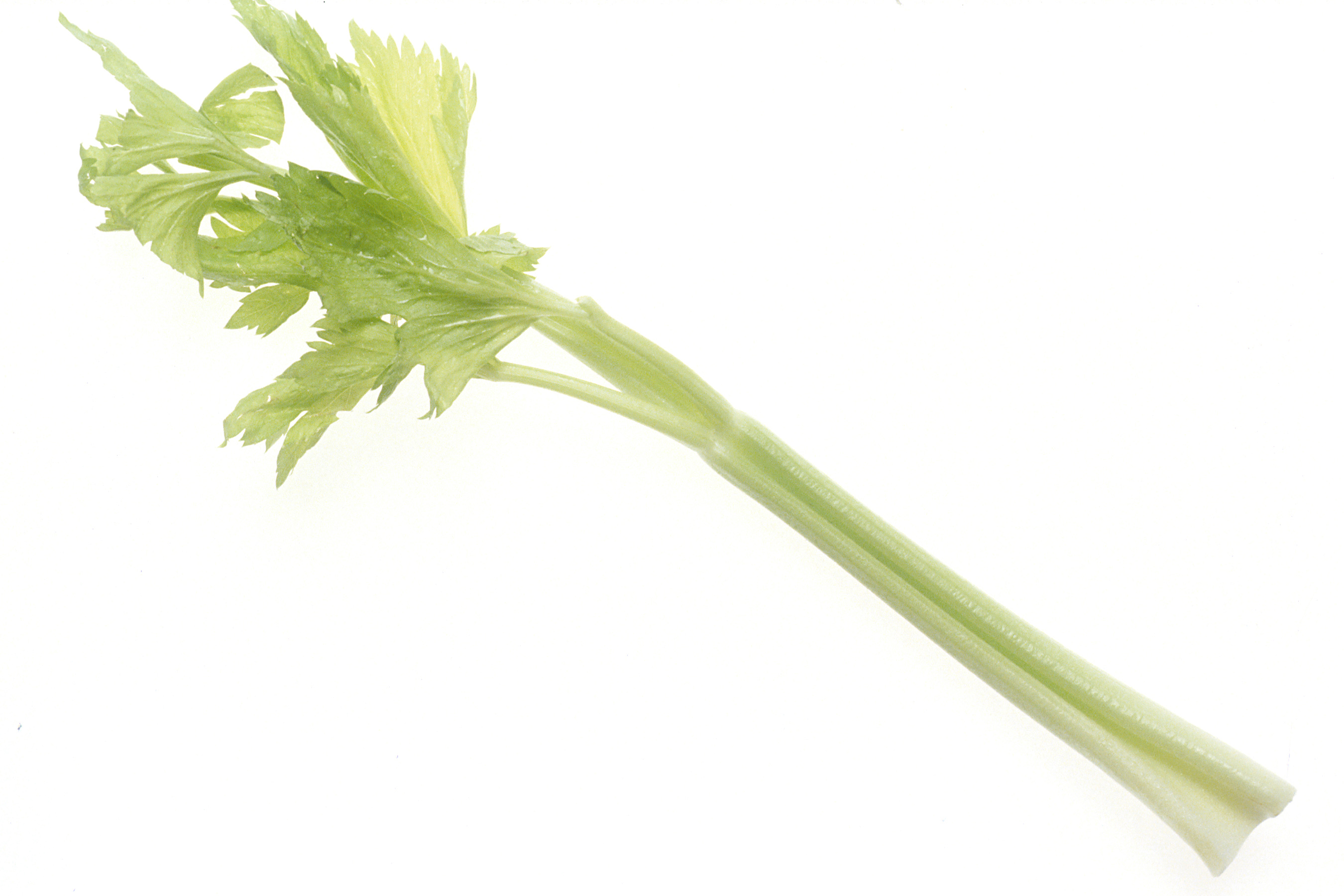
The celery a Greek recipe means is often not the same plant sold as celery elsewhere. Greek selino is usually a leaf celery, grown for its strong-flavoured leaves and thin stalks rather than the thick, mild ribs of the crisp salad variety, and it is closer in intensity to a herb than to a vegetable. Recipes that say stalks and leaves are being literal about the leaves.
Hirino me selino, pork braised with celery and finished with avgolemono, is the dish that shows what the vegetable can carry. A kilo or so of celery goes in against the pork, cooked until it softens completely, and the egg and lemon sauce at the end works against the celery's slight bitterness rather than against the meat. It is winter food, made when celery is at its best.
Outside that dish it does quieter work in stocks, bean soups and fish soups, where a stalk or two goes in whole and comes out again, and in the aromatic base of most braises. If only the crisp salad variety is available, using a few extra stalks and keeping every leaf attached gets closer to the flavour a Greek recipe is expecting.
Recipes with celery
11 recipes on the site using it.
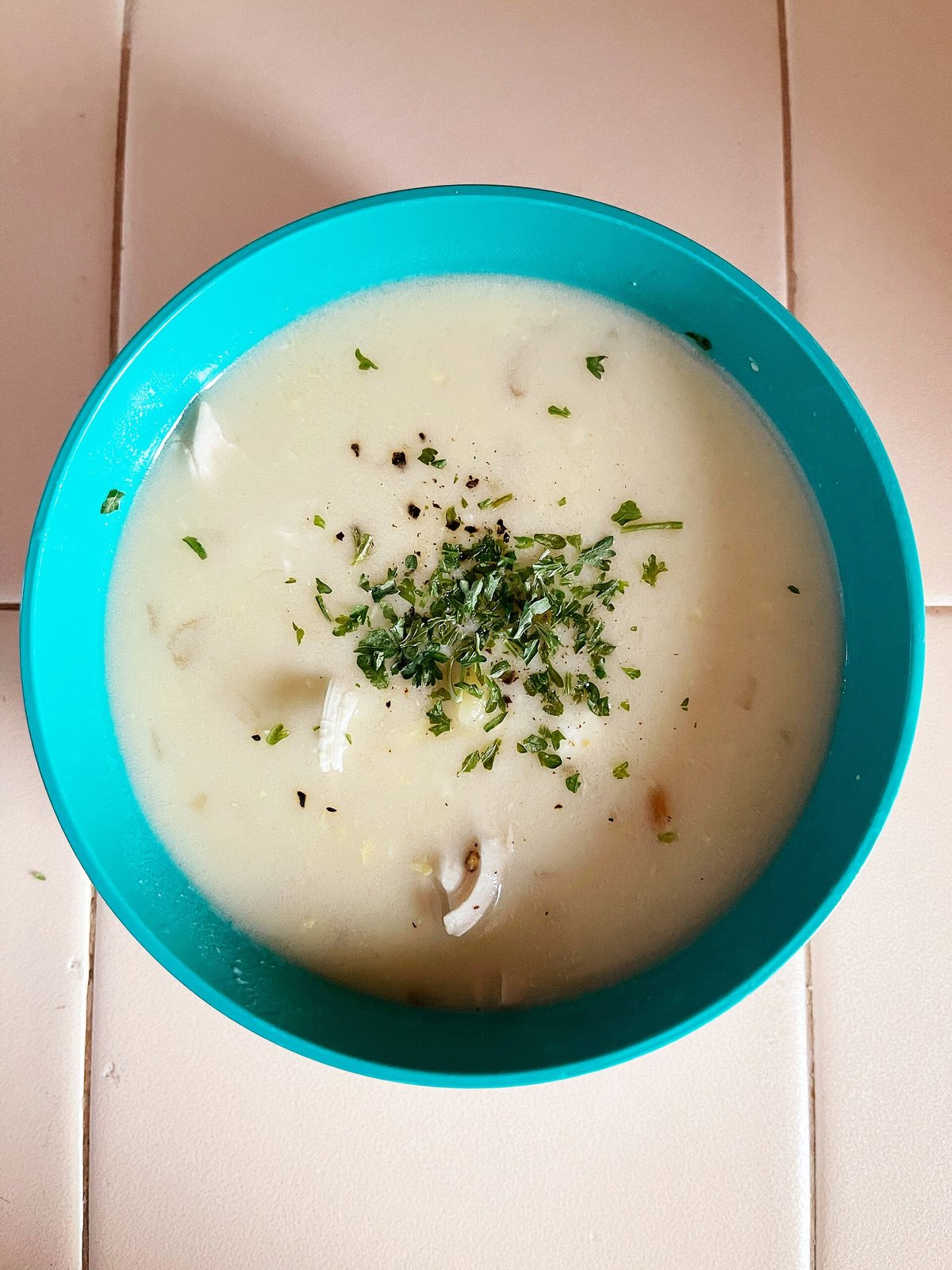 Avgolemono SoupKotosoupa avgolemono Κοτόσουπα αυγολέμονοSoups · 1h 30m · serves 6
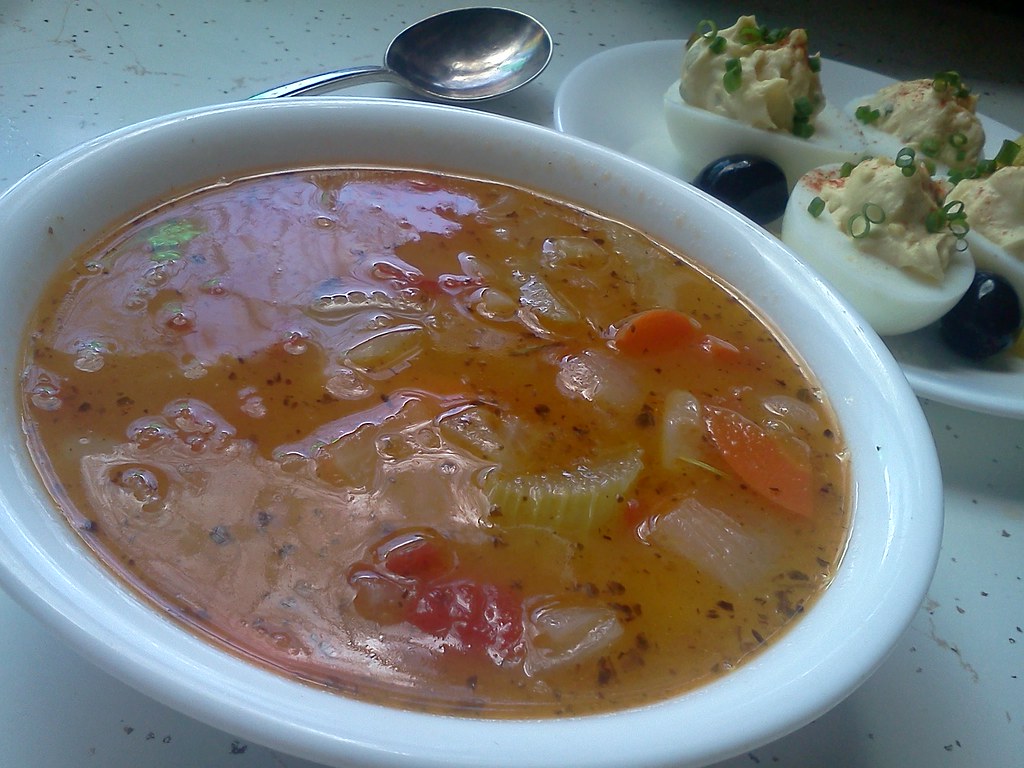 FasoladaFasolada ΦασολάδαSoups · 1h 45m · serves 6
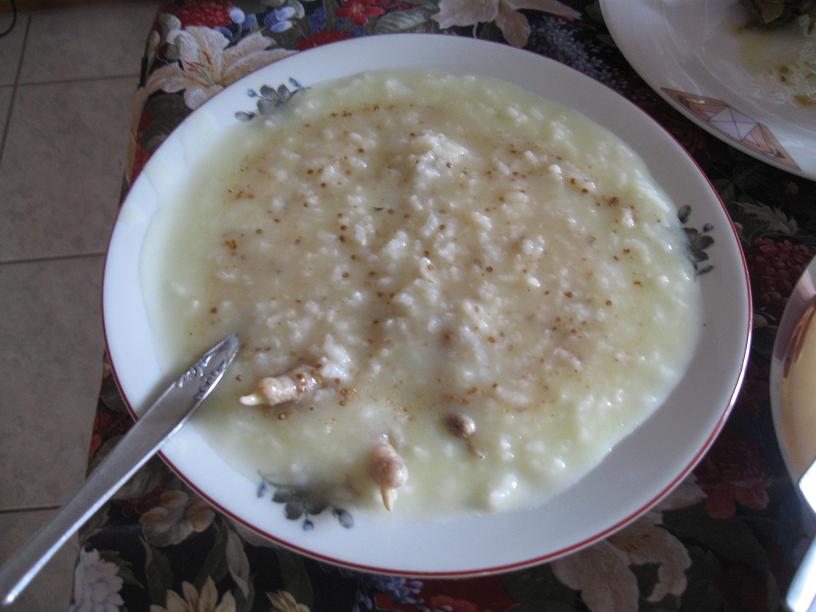 Chicken and Rice SoupKotosoupa avgolemono Κοτόσουπα αυγολέμονοSoups · 1h 50m · serves 6
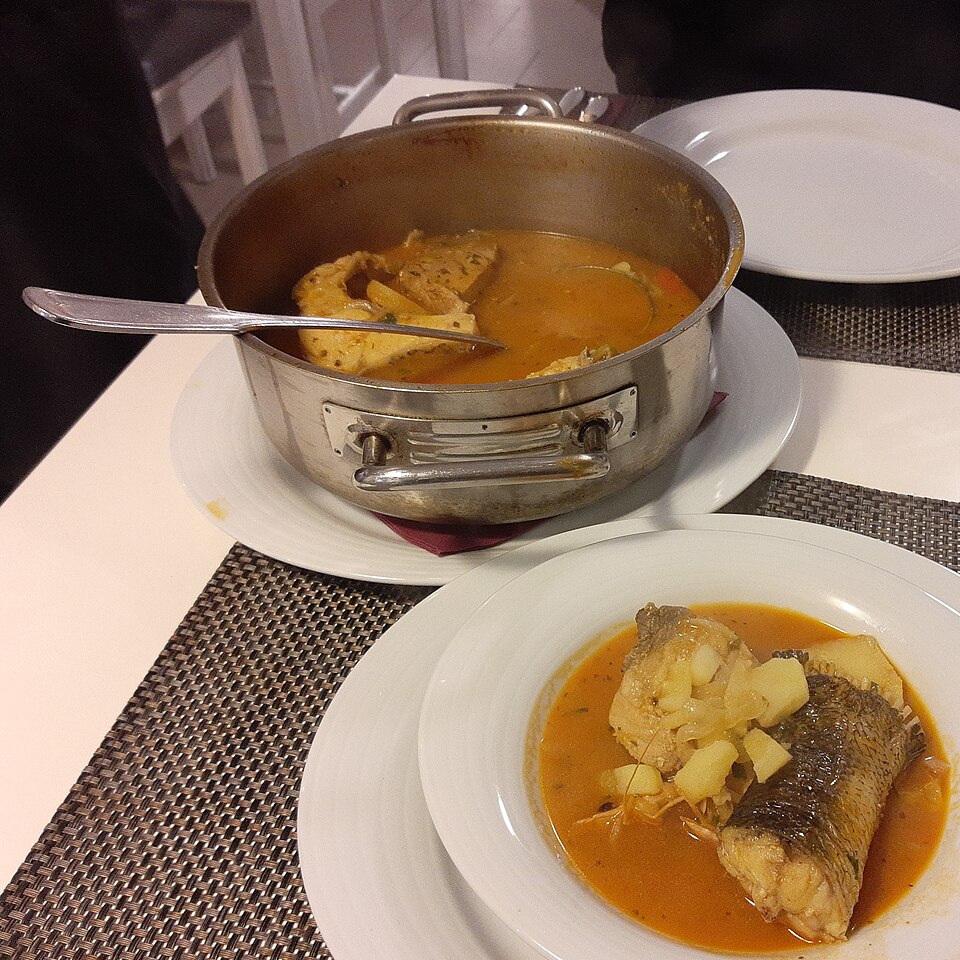 Fish SoupPsarosoupa ΨαρόσουπαSoups · 1h 10m · serves 6
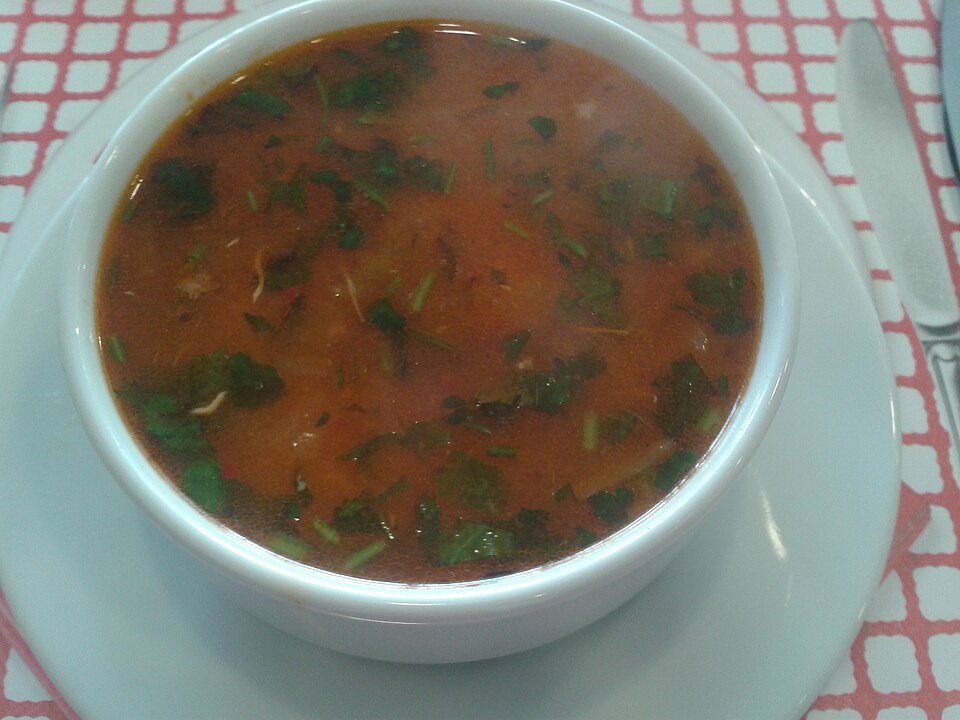 Orzo SoupSoupa kritharaki Σούπα κριθαράκιSoups · 40m · serves 4
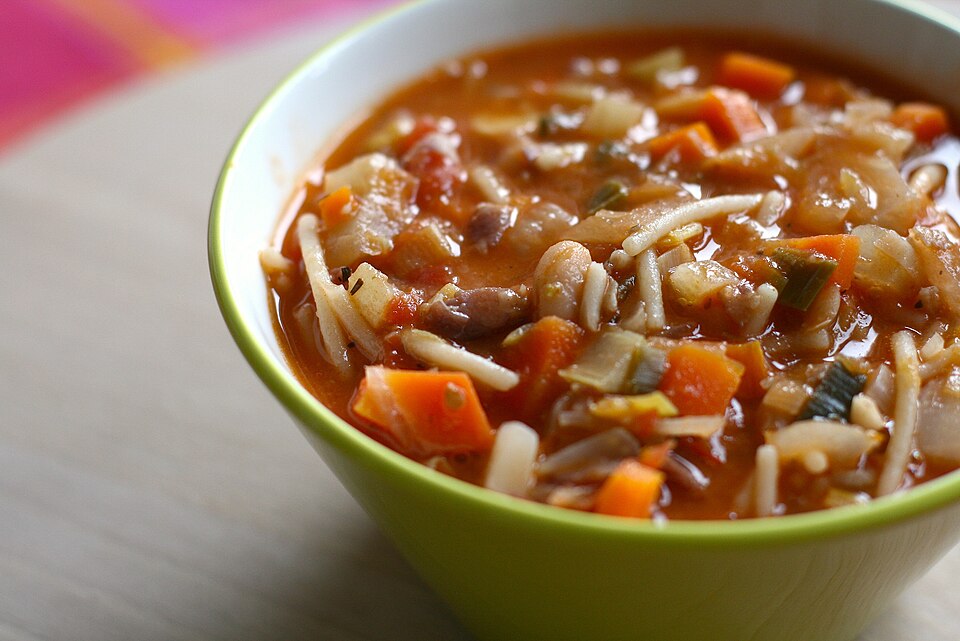 Corfu Vegetable and Pasta SoupBourou bourou Μπουρού μπουρούSoups · 55m · serves 5
Get one proper Greek recipe a week
No round-ups, no filler, no fifteen-ingredient shortcuts. One dish, written out in full, with the reasoning included.
The signup form is not connected yet, so there is nothing here that would quietly lose your address. Email contact@kalliopiskitchen.com and you go on the list by hand.