Greek Soups · Corfu and the Ionian · Boiled and Simmered · Lent and Nistisima
Corfu Vegetable and Pasta Soup (Bourou Bourou)
Μπουρού μπουρού boo-ROO boo-ROO · Bourou bourou
In short
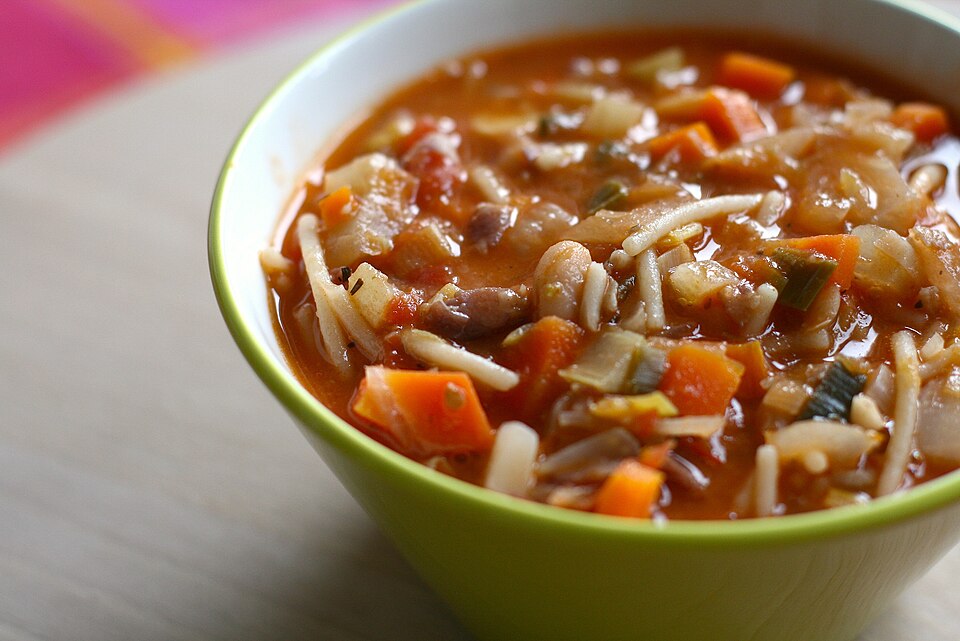
Bourou bourou is a Corfiot vegetable soup thickened with broken-up pasta, made from courgette, potato, carrot, onion and tomato cooked slowly in olive oil. It is a frugal summer dish built on whatever the garden gave and whatever pasta was left in the packet, and it is thick enough to eat as a meal rather than a starter.
Corfu Vegetable and Pasta Soup
- Prep
- 15m
- Cook
- 40m
- Total
- 55m
- Serves
- 5
- Level
- Beginner
Ingredients
Ingredients
Tick ingredients off as you go. Quantities rescale with the buttons above.
Method
- 01Heat the olive oil in a large pot over medium heat. Add the onion, carrot and celery and cook gently for 10 minutes, until soft and sweet.
- 02Stir in the courgette and potato and cook for another 5 minutes, turning them in the oil.
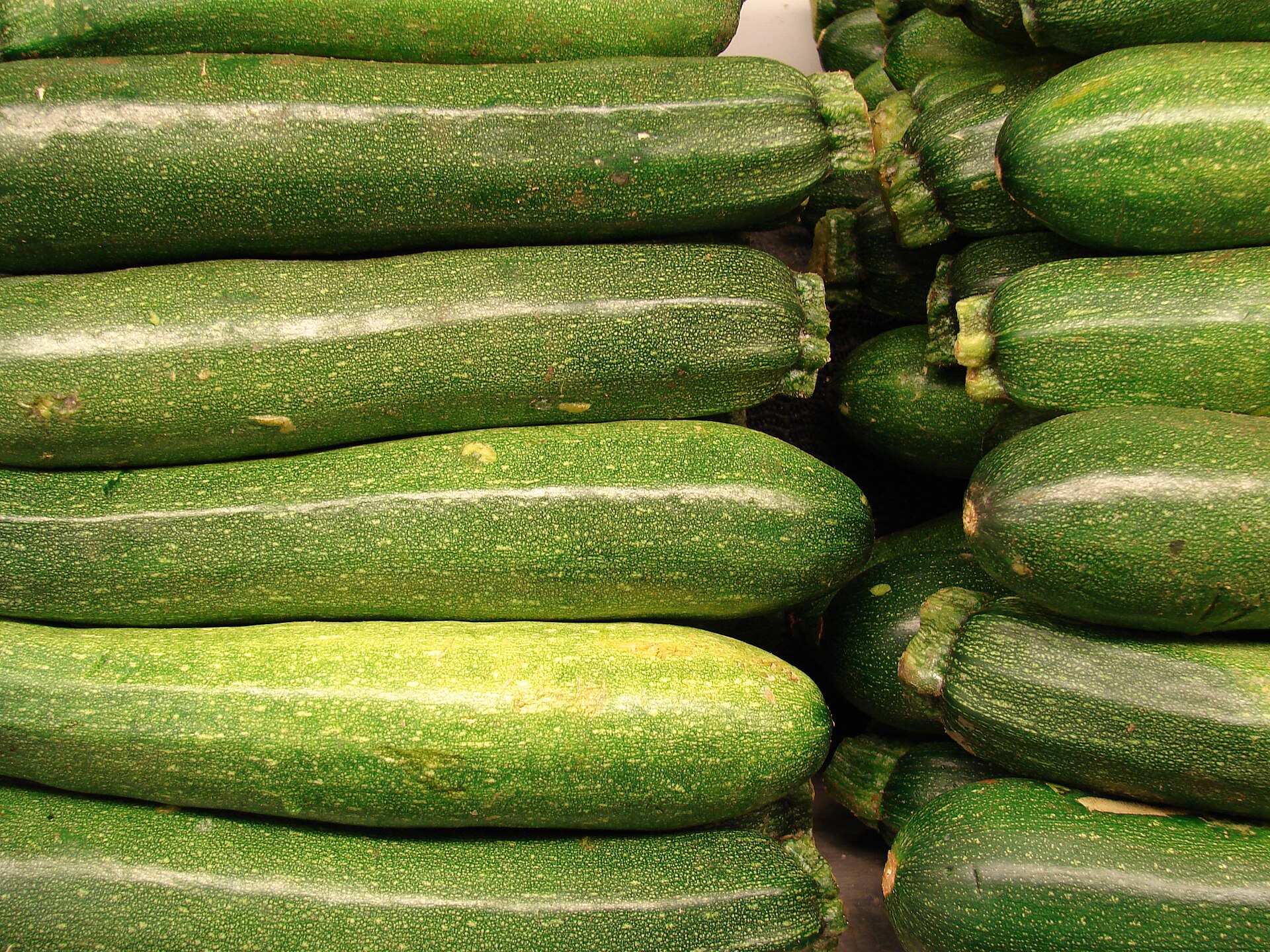
Courgette - 03Add the grated tomatoes and the tomato paste and cook for 5 minutes, until the tomato darkens and loses its raw smell.Grate the tomatoes, do not chop them.Yiayia
- 04Pour in the hot water, season well and bring to a simmer. Cook uncovered for 20 minutes, until the potato is tender.
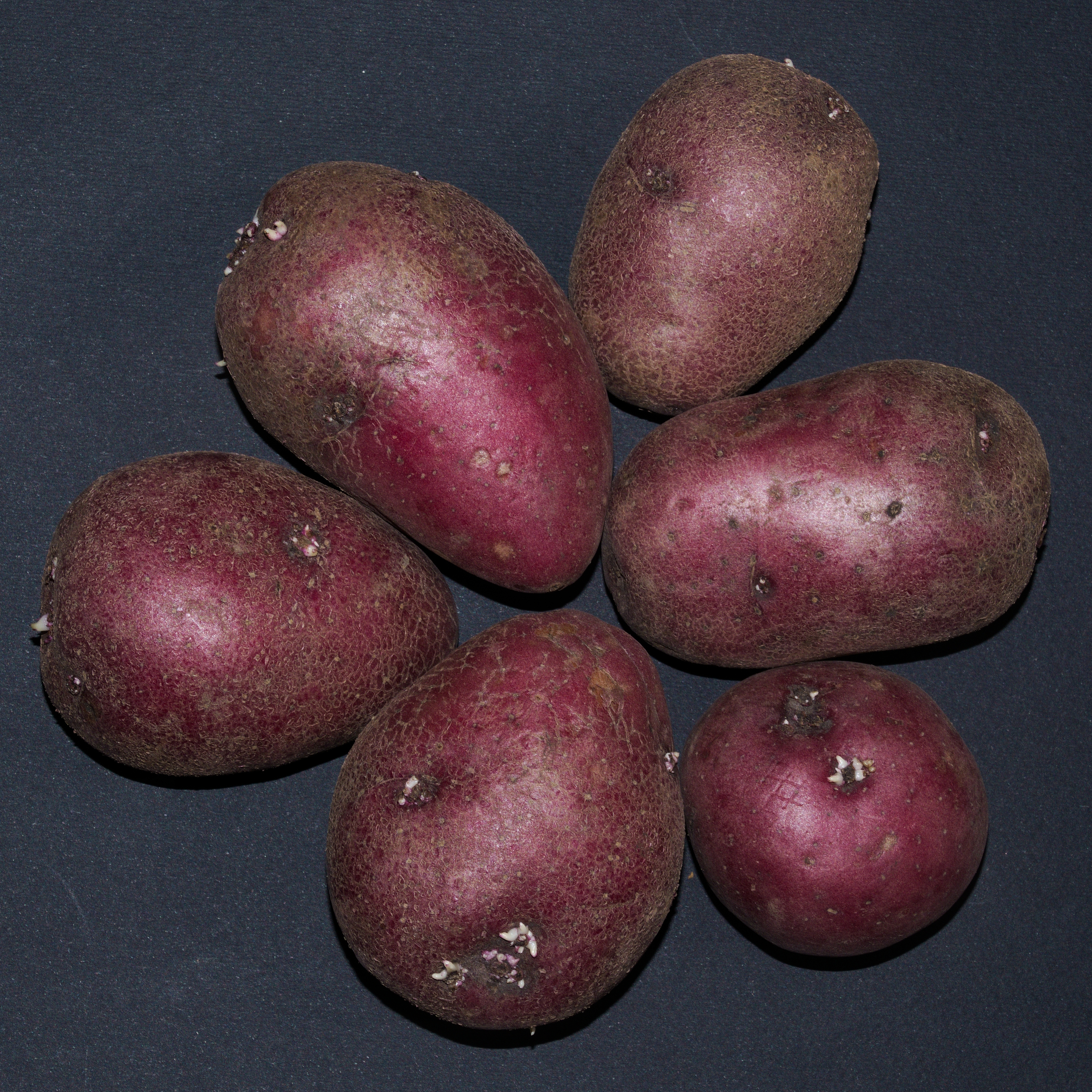
Potato - 05Add the broken pasta and simmer for a further 8 to 10 minutes, stirring now and then so nothing sticks, until the pasta is cooked and the soup has thickened.
- 06Stir in the parsley, check the salt, and rest off the heat for 5 minutes before serving with bread.
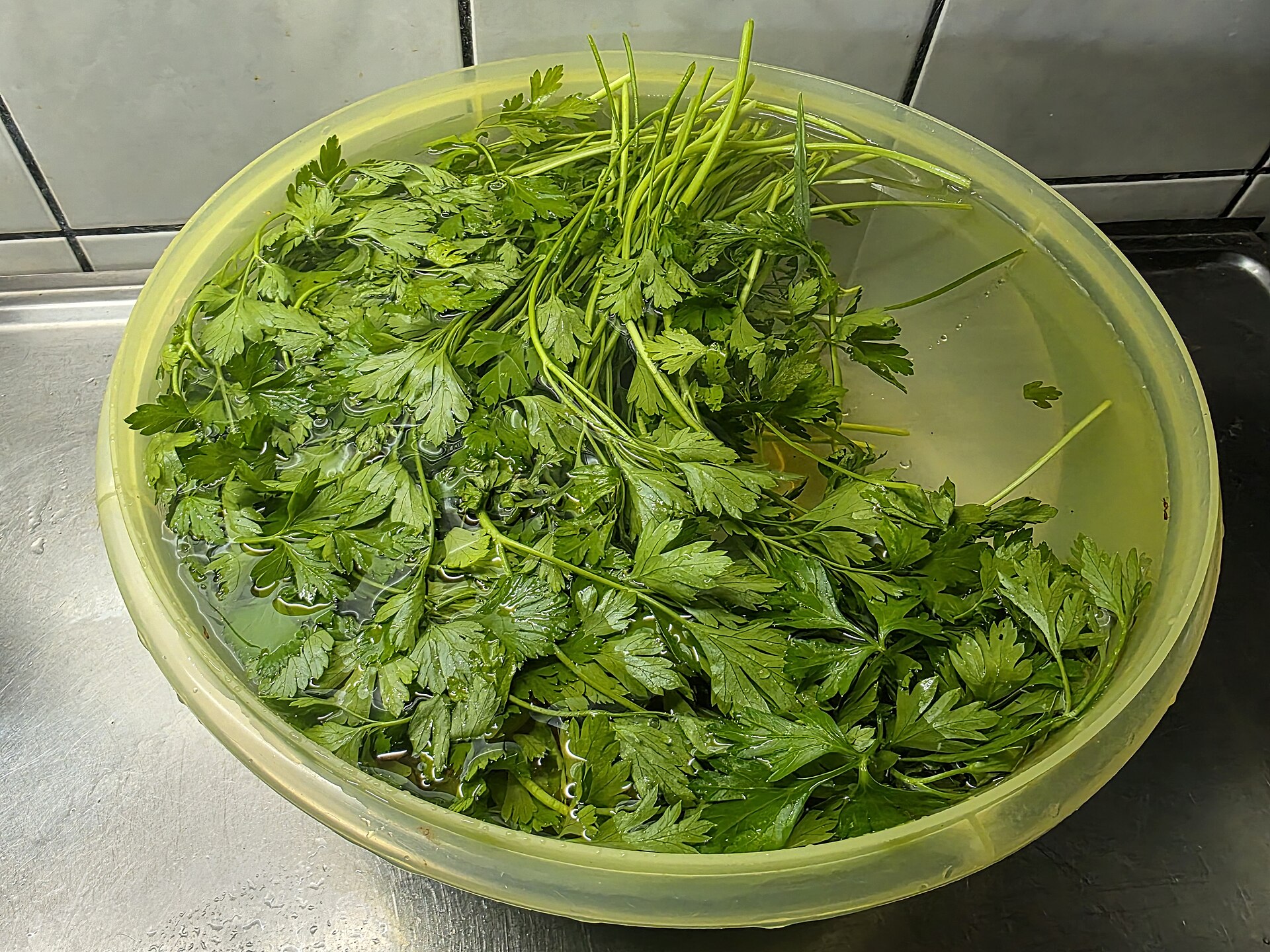
Parsley
Nutrition, per 1 portion
- Calories
- 358
- Protein
- 8 g
- Carbs
- 48 g
- Fat
- 16 g
- Sat fat
- 2 g
- Fibre
- 6 g
These figures are calculated estimates based on the ingredients listed, not laboratory analysis. Actual values vary with brands, cuts and portion size.
Bourou bourou is Corfu's household soup, the one made from whatever the garden had too much of and whatever odds and ends of pasta were rattling round the cupboard. The name is onomatopoeic, the sound of everything going into the pot together, and that is more or less the method.
It sits somewhere between a soup and a very loose stew. The vegetables are cooked down in a serious quantity of olive oil first, which is what gives it body, and then the pasta goes in near the end and thickens everything further as its starch releases.
It is nistisimo by default, which is why it appears so often through Lent, and it is one of those dishes that costs almost nothing and still tastes like a proper meal. In Corfiot homes it is served with bread, sometimes with crumbled feta on top for anyone not fasting.
Key preparation steps
- Soften onion, carrot and celery in plenty of olive oil.
- Add courgette, potato and tomato and cook down.
- Simmer in water until the vegetables are soft.
- Add broken pasta and cook until thick.
Why does the olive oil go in at the start?
This is a ladera-minded soup. The vegetables are sweated in a genuinely generous amount of olive oil before any water arrives, which draws out their sugars and gives the finished soup a body it could never get from water alone.
Use a good oil and do not be shy with it. Roughly a hundred millilitres for five portions sounds like a lot until you taste the difference between a bourou bourou made that way and one made with a token spoonful.
What vegetables belong in bourou bourou?
Courgette is the constant, because the dish belongs to the part of summer when there is more courgette than anyone knows what to do with. Potato, carrot, onion, celery and ripe tomato make up the rest of the standard cast.
Beyond that it is genuinely open. Green beans, peppers, a handful of chard, the last of a marrow: all of it goes in. What the dish will not tolerate is anything with a strong flavour of its own, such as cabbage or fennel, which takes over the pot.
Which pasta should I use?
Traditionally whatever was left over, snapped into short lengths. Spaghetti broken into three-centimetre pieces is the most authentic thing you can do, and small shapes such as ditalini or broken hilopites are equally correct.
Add it in the last ten minutes and let it finish in the soup rather than cooking it separately. The starch it sheds is doing structural work here, and rinsing it away leaves the soup thin.
How thick should it be?
Thick enough that a spoon stood in it leans rather than falls, but still spoonable. It should never be a stew you eat with a fork, and it should never be a broth you could drink.
It thickens noticeably as it sits, because the pasta keeps drinking. Loosen it with a little hot water when reheating, and taste for salt again afterwards, since diluting flattens the seasoning.
What matters in this dish
Grate the tomatoes, do not chop them
Halving a ripe tomato and grating it against the coarse holes leaves the skin in your hand and puts the pulp in the pot. It dissolves into the soup instead of sitting in it as lumps.
Salt after the pasta goes in
The pasta absorbs a lot of liquid and concentrates everything already in the pot. Season lightly at the start and correct properly at the end.
Do not cook the pasta separately
The starch the pasta releases is what thickens bourou bourou. Boiling it in a separate pan and draining it throws that away and leaves the soup watery.
Questions people ask about Bourou bourou
Is bourou bourou vegan?
As written, yes. It is a fasting dish by tradition, made with olive oil and vegetables only. Some Corfiot households add crumbled feta at the table for anyone not fasting, which is served separately rather than cooked in.
What does the name bourou bourou mean?
It is onomatopoeic rather than descriptive, imitating the sound of everything tumbling into the pot at once. That is a fair summary of how the soup is put together.
Can I make it in advance?
Yes, and the flavour is better on day two. It thickens a great deal in the fridge, so add a splash of hot water when reheating and taste for salt again.
Can I use any pasta shape?
Almost any small or broken shape works. Broken spaghetti is the most traditional. Avoid long unbroken pasta and avoid very large shapes, since neither gives the right spoonable texture.