Greek Main Courses · Crete · Grilled and Souvla · Easter
Cretan Spit-Roasted Lamb Facing the Fire (Antikristo)
Αντικριστό an-dee-kree-STOH · Antikristo
In short
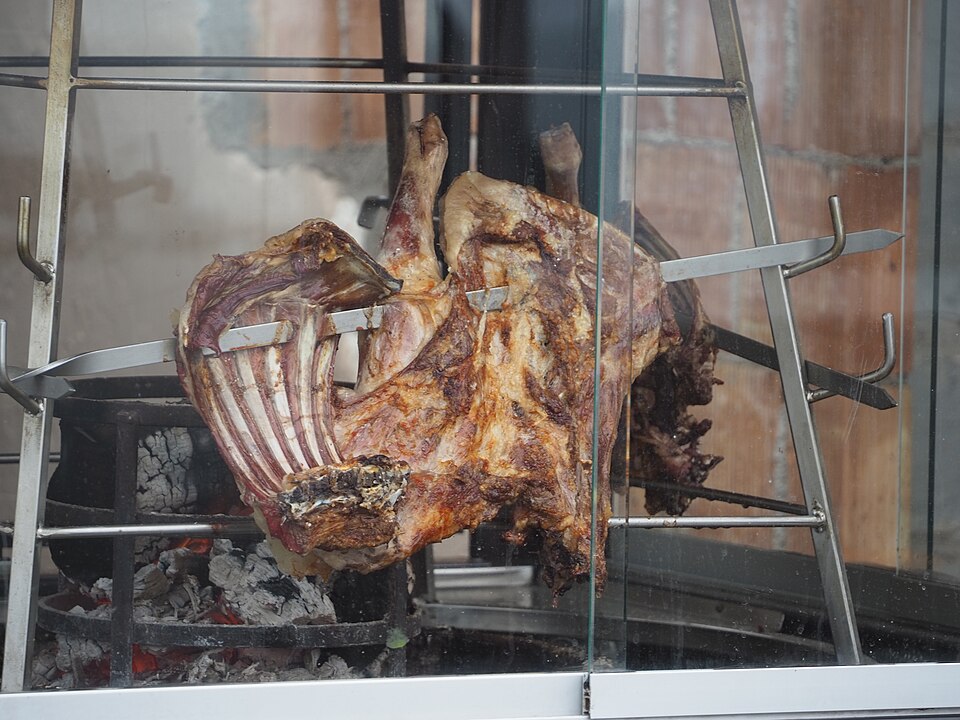
Antikristo is a Cretan method of cooking whole lamb or goat by propping cuts on skewers angled facing an open fire rather than turning them directly above it, so the meat cooks slowly from radiant heat over several hours until it falls from the bone.
Cretan Spit-Roasted Lamb Facing the Fire
- Prep
- 30m
- Cook
- 4h
- Total
- 4h 30m
- Serves
- 8
- Level
- Advanced
Ingredients
Ingredients
Tick ingredients off as you go. Quantities rescale with the buttons above.
Method
- 01Build a wood fire in a pit or ring of stones and let it burn down to a steady bed of glowing embers, which takes at least an hour.Burn the fire down to embers first.Yiayia
- 02Season the lamb cuts generously with coarse salt and oregano if using.
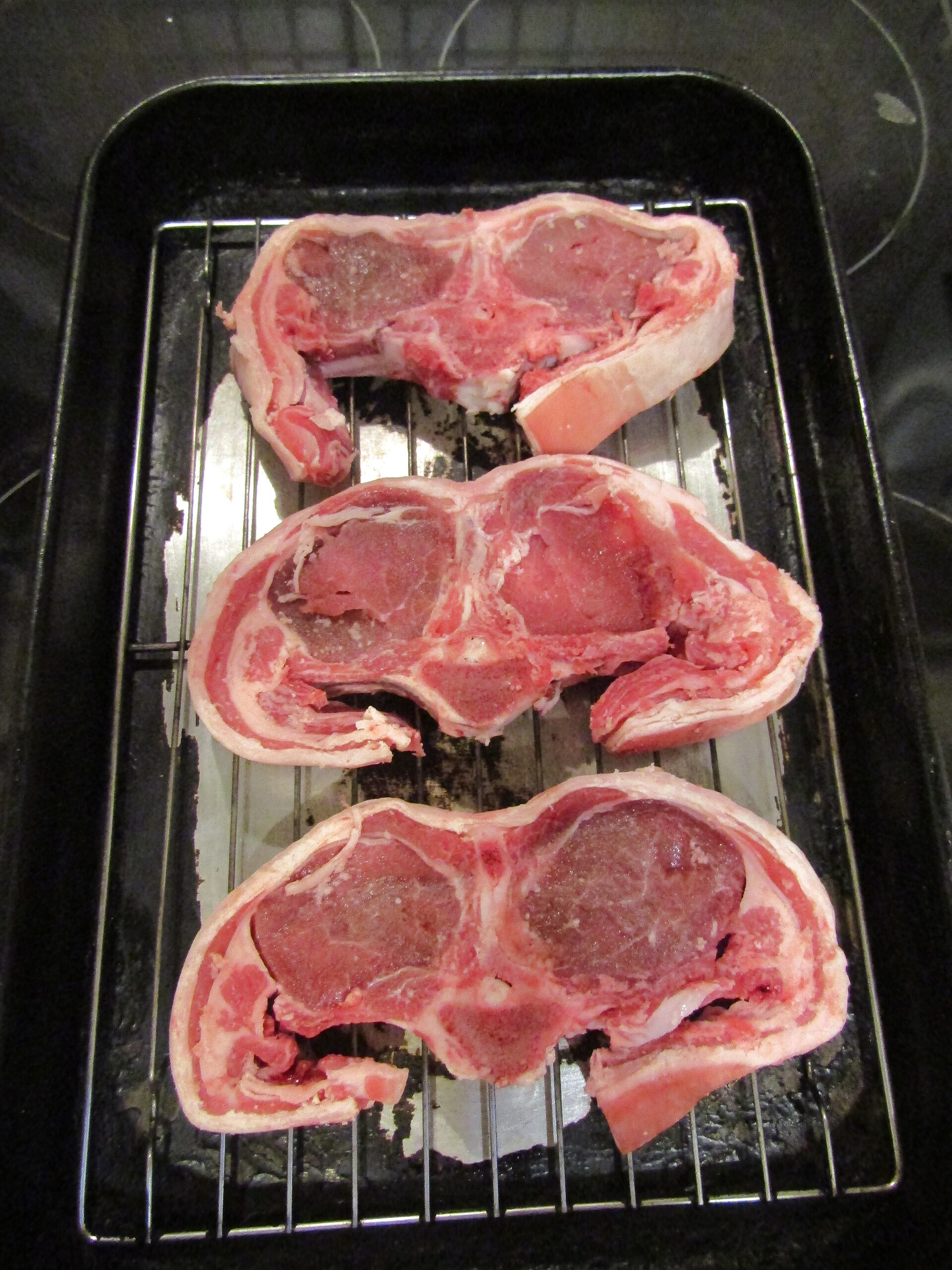
Lamb - 03Thread each cut securely onto a long metal skewer.
- 04Drive the skewers into the ground at the fire's edge, angled so the meat faces the embers at a safe distance.
- 05Cook for 3 to 4 hours, turning the skewers occasionally and tending the fire to maintain a steady heat, until the meat is completely tender and pulls easily from the bone.
- 06Rest for 10 to 15 minutes before carving. Serve with lemon wedges.
Lemon
Nutrition, per 1 portion
- Calories
- 512
- Protein
- 42 g
- Carbs
- 0 g
- Fat
- 37 g
- Sat fat
- 16 g
- Fibre
- 0 g
These figures are calculated estimates based on the ingredients listed, not laboratory analysis. Actual values vary with brands, cuts and portion size.
Antikristo, meaning facing, opposite, describes a specifically Cretan approach to cooking a whole lamb or goat that differs from the rotating spit used elsewhere in Greece: large cuts are threaded onto long metal skewers and driven upright into the ground around the edge of an open fire, angled to face the flames rather than turning directly above them.
The distance and angle mean the meat cooks from steady radiant heat rather than direct flame contact, over a genuinely long, unhurried period, closer in spirit to a slow barbecue than a fast spit-roast. It produces meat that falls from the bone with very little of the char a rotating souvla develops.
This is a real outdoor cooking project requiring an open fire pit, proper skewers, and several hours of tending rather than a quick weeknight method, traditionally the centrepiece of an Easter or name-day gathering rather than an everyday meal.
Key preparation steps
- Build and burn down a proper open wood fire to glowing embers.
- Season large bone-in lamb cuts simply with salt.
- Skewer and angle the meat to face the fire at a distance, not directly above it.
- Turn occasionally over several hours until completely tender.
Setting up the fire
This method wants a genuine wood fire burned down to a bed of glowing embers rather than fierce open flame, since the meat is cooking from radiant heat over a long period rather than being seared. Build the fire well ahead of when you plan to start cooking, allowing at least an hour for it to burn down properly.
A shallow pit or a ring of stones to contain the fire, with the skewers driven into the ground around the perimeter at an angle facing inward towards the heat, is the traditional setup. The exact distance from the fire is judged by feel: close enough that the meat is cooking steadily, far enough that fat dripping from it does not flare up dangerously.
Preparing and skewering the meat
Large bone-in cuts of lamb or goat, shoulder and leg most commonly, are seasoned simply with salt, sometimes a little dried oregano, and nothing more elaborate, since the slow cook over real wood embers is doing most of the flavour work. Thread each cut securely onto a long, sturdy metal skewer.
Drive the skewers into the ground at the fire's edge, angled so the meat faces the embers directly, and adjust the angle and distance as the fire burns down further over the following hours.
The long cook
Expect three to four hours of genuinely slow cooking, turning the skewers occasionally so the meat cooks evenly on all sides, and tending the fire to keep a steady bed of embers rather than letting it die out or flare up. The meat is ready once it yields completely and pulls easily from the bone.
This is not a method that can be rushed by building a hotter fire; doing so simply chars the outside while leaving the inside undercooked, defeating the entire point of the technique.
What matters in this dish
Burn the fire down to embers first
This method depends on steady radiant heat, not direct flame. Starting too early, over open fire, chars the outside before the inside cooks.
Judge distance by feel
Close enough to cook steadily, far enough that dripping fat does not flare dangerously. Adjust as the fire changes over several hours.
Do not rush it with more heat
A hotter fire only chars the surface. The long, gentle radiant cook is the entire method.
Questions people ask about Antikristo
What does antikristo mean?
It translates roughly to facing, or opposite, describing how the meat is angled to face the fire directly rather than turning above it on a rotating spit.
How is antikristo different from a regular spit roast?
A rotating souvla turns meat directly above or very close to the heat source. Antikristo positions the meat at a distance, facing the fire, cooking from radiant heat alone over a longer, gentler period.
Can you adapt this method without an open fire pit?
Not really without losing what defines it. A very low, indirect barbecue setup with the lid closed is the closest approximation, though it will not replicate the specific radiant heat of an open wood fire.