Greek Main Courses · Crete · Boiled and Simmered · The Sunday Table
Greek Pasta with Fresh Mizithra Cheese (Makaronia me Mizithra)
Μακαρόνια με μυζήθρα mah-kah-ROH-nyah meh mee-ZEE-thrah · Makaronia me mizithra
In short
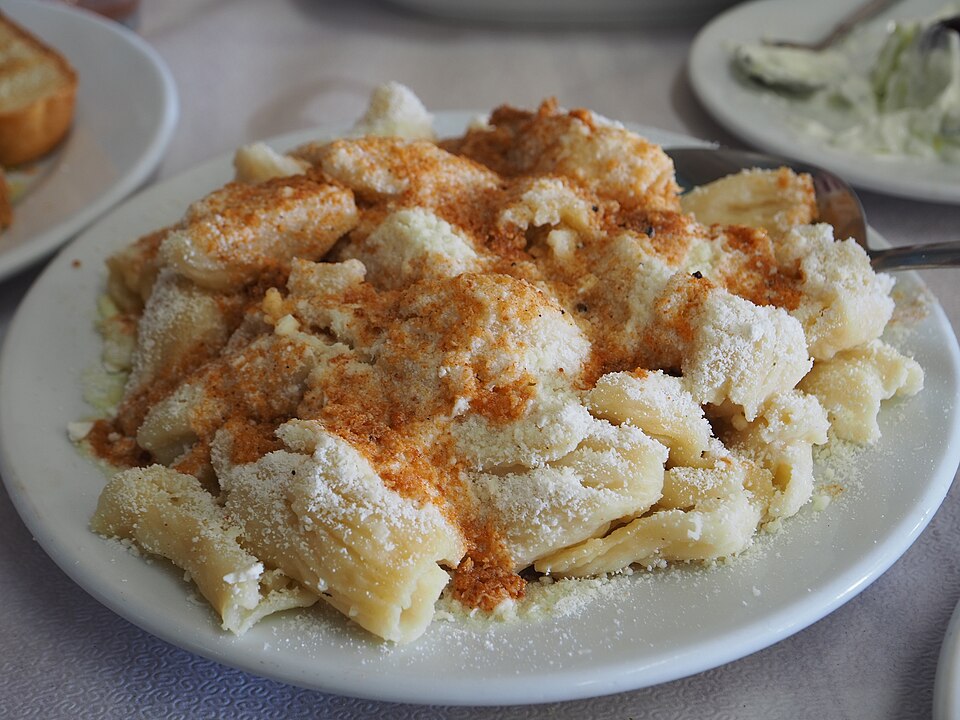
Makaronia me mizithra is pasta tossed simply with melted butter and fresh, crumbled mizithra, a mild, slightly tangy Greek whey cheese, finished with a generous grating of a firmer, aged mizithra or other hard cheese on top. It is genuinely one of the oldest, simplest pasta dishes in Greek home cooking, needing almost nothing beyond good pasta and good cheese.
Pasta with Fresh Mizithra Cheese
- Prep
- 5m
- Cook
- 15m
- Total
- 20m
- Serves
- 4
- Level
- Beginner
Ingredients
Ingredients
Tick ingredients off as you go. Quantities rescale with the buttons above.
Method
- 01Boil the pasta in well-salted water until al dente. Reserve a little of the cooking water, then drain.
- 02Return the hot pasta to the pot and toss immediately with the butter until melted and coating everything.
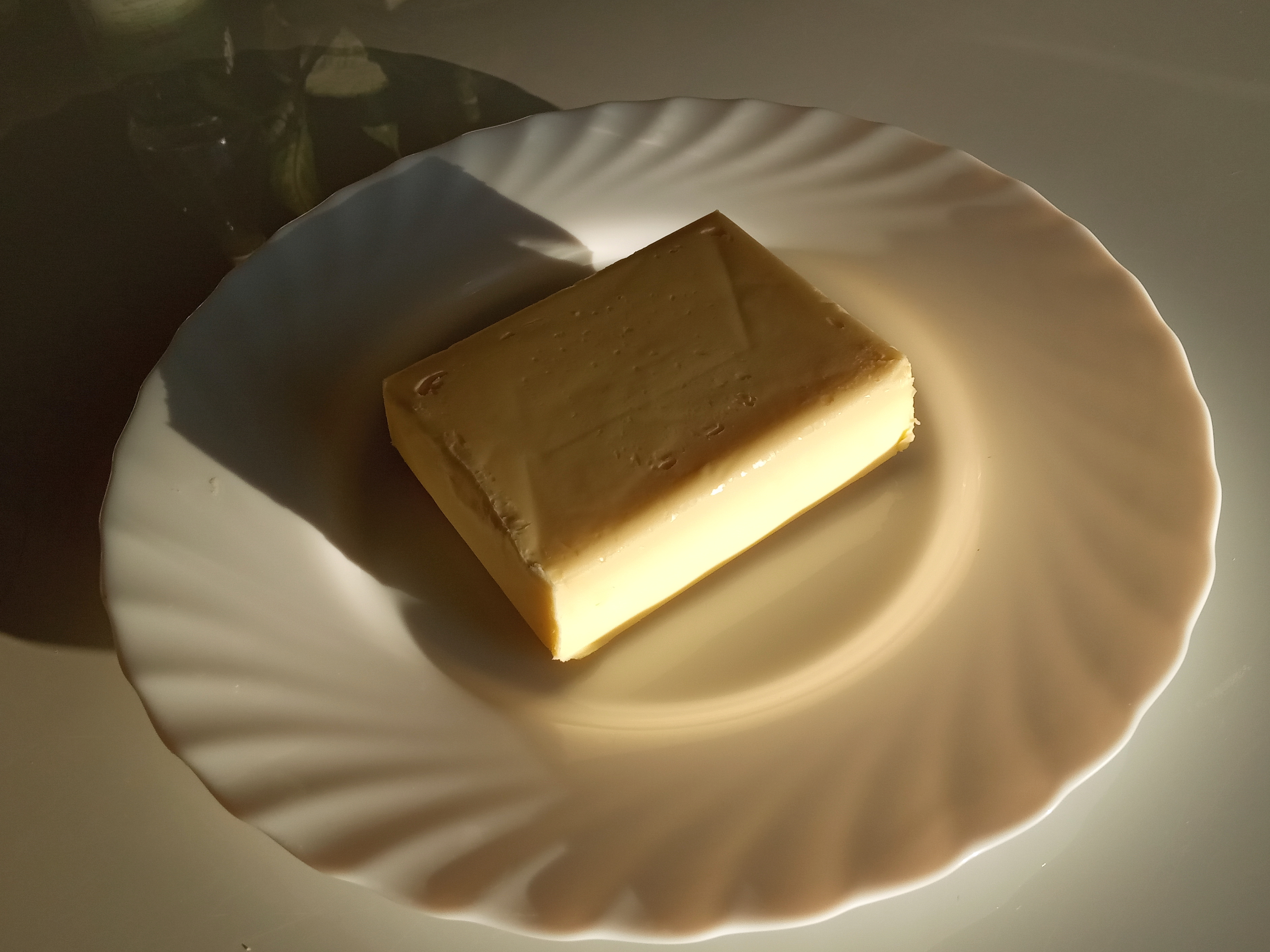
Butter - 03Fold through the crumbled fresh mizithra, adding a splash of the reserved pasta water if needed to loosen slightly.Toss the butter through while the pasta is still steaming hot.Yiayia
- 04Divide between plates and top generously with the grated aged mizithra or kefalotyri.
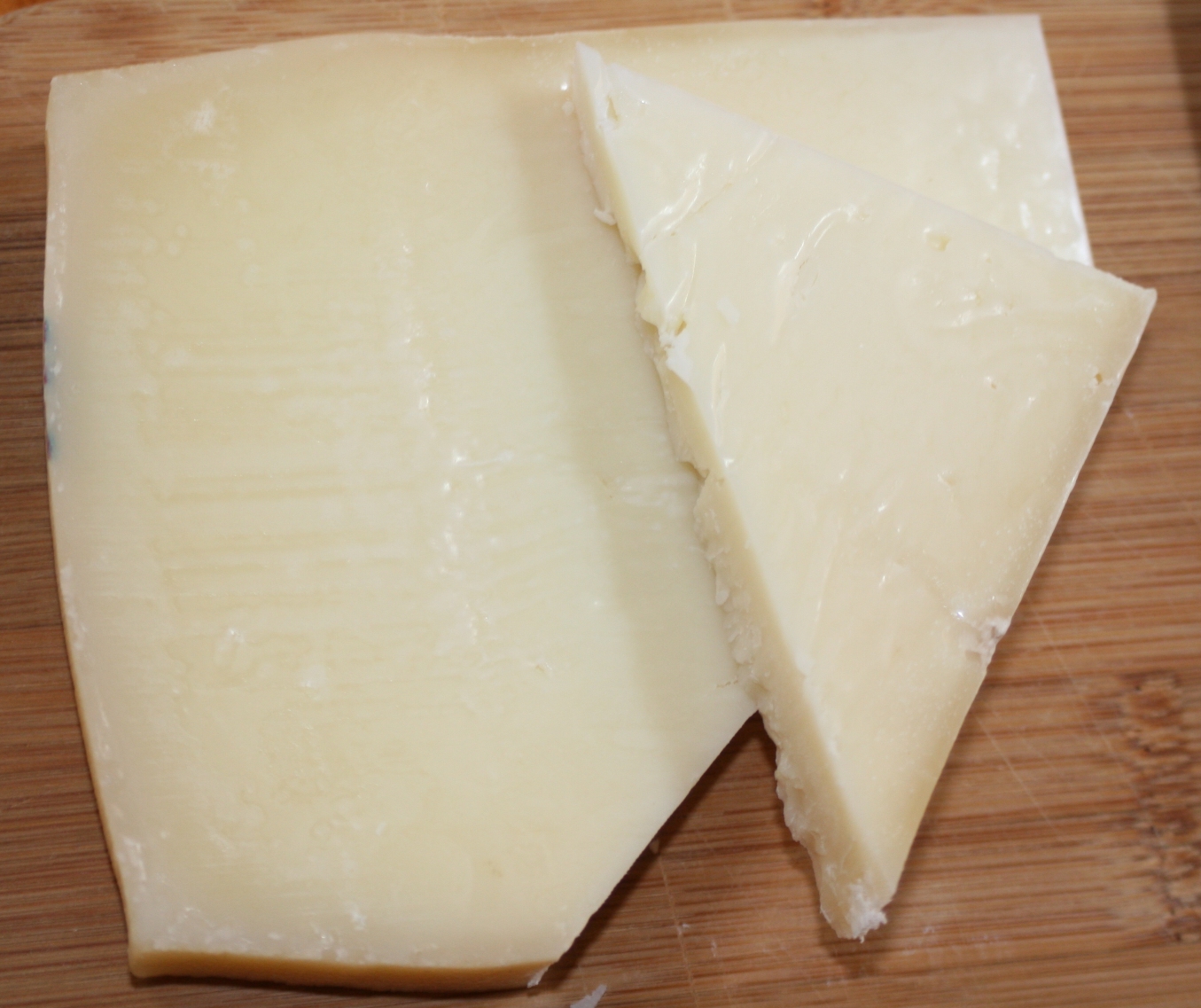
Kefalotyri - 05Finish with a good grind of black pepper and serve immediately.
Nutrition, per 1 portion
- Calories
- 512
- Protein
- 20 g
- Carbs
- 58 g
- Fat
- 22 g
- Sat fat
- 13 g
- Fibre
- 2 g
These figures are calculated estimates based on the ingredients listed, not laboratory analysis. Actual values vary with brands, cuts and portion size.
Makaronia me mizithra is about as simple as Greek pasta cooking gets, and that simplicity is really the point, since fresh mizithra, a mild, slightly tangy whey cheese made across Crete and several other regions, needs almost nothing else to turn plain pasta into something genuinely satisfying.
The dish leans on two forms of the same cheese: fresh mizithra, soft and crumbly, folded through the hot pasta so it melts slightly into a light, creamy coating, and an aged, harder mizithra grated generously on top for a sharper, saltier final note.
This is genuinely old, everyday cooking from a time before elaborate pasta sauces were common in Greek kitchens, and it remains a real comfort dish precisely because it asks for so little.
Key preparation steps
- Boil the pasta until al dente.
- Toss immediately with butter.
- Fold through fresh, crumbled mizithra.
- Finish with grated aged mizithra or other hard cheese.
The two cheeses
Fresh mizithra, soft, mild and slightly tangy, is what gives this dish its main character, folded through the hot pasta so it softens and coats everything lightly. A firmer, aged mizithra, or a substitute like kefalotyri, grated generously on top, adds a sharper, saltier final layer that fresh mizithra alone cannot provide.
Bringing it together
Toss the just-drained, still-steaming pasta immediately with plenty of melted butter, which helps the fresh mizithra melt slightly and cling properly rather than sitting as separate crumbles, then fold the cheese through while everything is still hot.
What matters in this dish
Toss the butter through while the pasta is still steaming hot
This is what helps the fresh mizithra soften and cling properly, rather than sitting as separate crumbles on top of cooling pasta.
Use two textures of cheese
Fresh mizithra folded through gives softness and tang; a firmer aged mizithra or kefalotyri grated on top adds the sharper, saltier finish this simple dish needs.
Do not overcomplicate it
This dish's whole appeal is its simplicity. Resist the urge to add extra sauces or vegetables that work against its plain, comforting character.
Questions people ask about Makaronia me mizithra
What is mizithra?
A traditional Greek whey cheese, made across Crete and several other regions, available both fresh, soft and mild, and aged, firmer and sharper, both used differently across Greek cooking.
Can you substitute another cheese for mizithra?
Fresh ricotta is the closest reasonable substitute for the fresh version, while kefalotyri or a good pecorino works well in place of aged mizithra for the grated topping.
Why is this dish so simple?
It reflects genuinely old, everyday Greek home cooking, from a time before elaborate pasta sauces were common, when good pasta and good fresh cheese were considered plenty on their own.