Greek Main Courses · Crete · Fried · Mezedes and Ouzo
Cretan Smoked Marinated Pork (Apaki Kritis)
Απάκι Κρήτης ah-PAH-kee KREE-tees · Apaki Kritis
In short
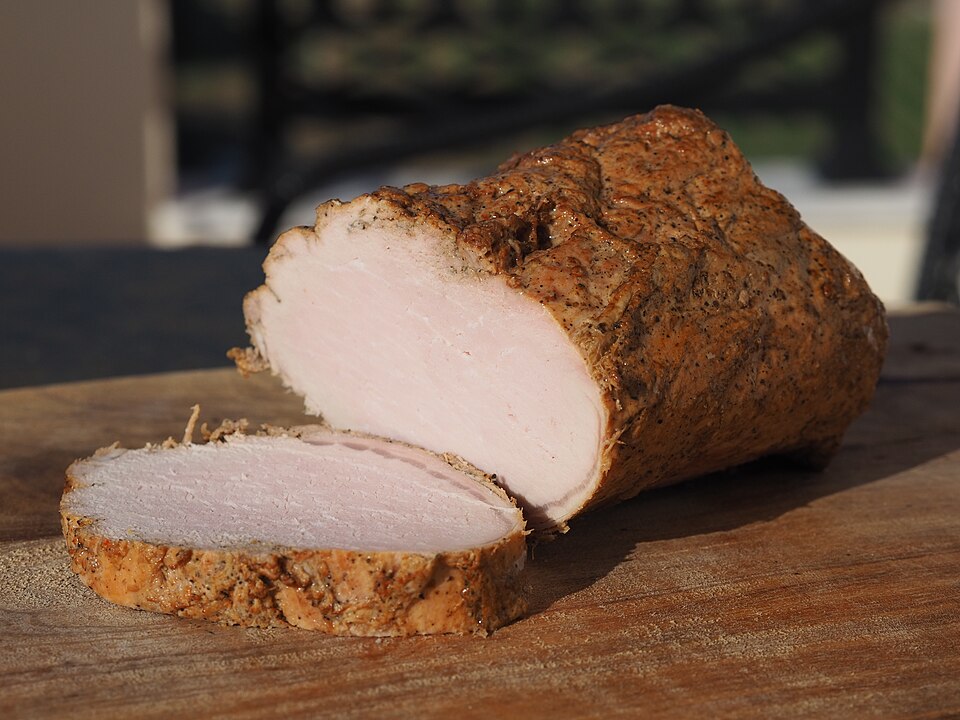
Apaki is a Cretan specialty of pork marinated in vinegar with oregano and other herbs, smoked over aromatic local wood, then sliced and quickly pan-fried to serve. It stands alongside lountza and noumboulo as another distinct regional cured pork, marked out by its vinegar marinade and Cretan herb blend.
Cretan Smoked Marinated Pork
- Prep
- 30m
- Cook
- 10m
- Total
- 40m
- Serves
- 8
- Level
- Advanced
Ingredients
Ingredients
Tick ingredients off as you go. Quantities rescale with the buttons above.
Method
- 01Mix the vinegar, oregano, thyme or savory and salt in a non-reactive container.
- 02Add the pork, turning to coat, cover, and marinate in the fridge for 3 to 4 days, turning daily.
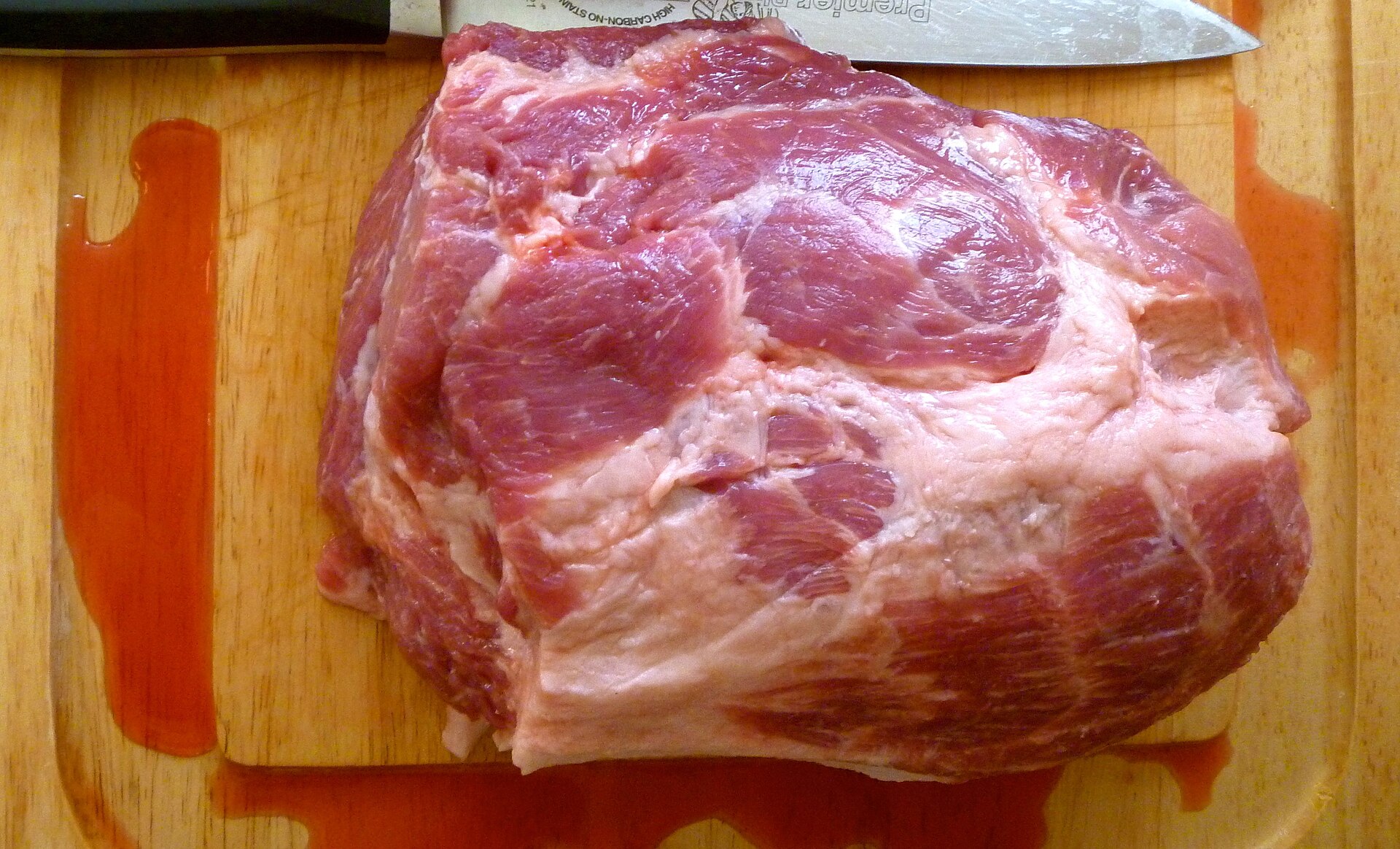
Pork - 03Remove the pork, rinse briefly, and pat completely dry.
- 04Cold-smoke over aromatic wood, following your smoker's guidance, for several hours until well perfumed.
- 05Hang the smoked meat in a cool, well-ventilated space for a further 3 to 5 days, until firm.
- 06To serve, slice thinly and pan-fry in a dry or lightly oiled pan for 1 to 2 minutes per side, until warmed through and lightly crisped at the edges.Fry it briefly rather than eating it raw.Yiayia
- 07Serve with lemon wedges.
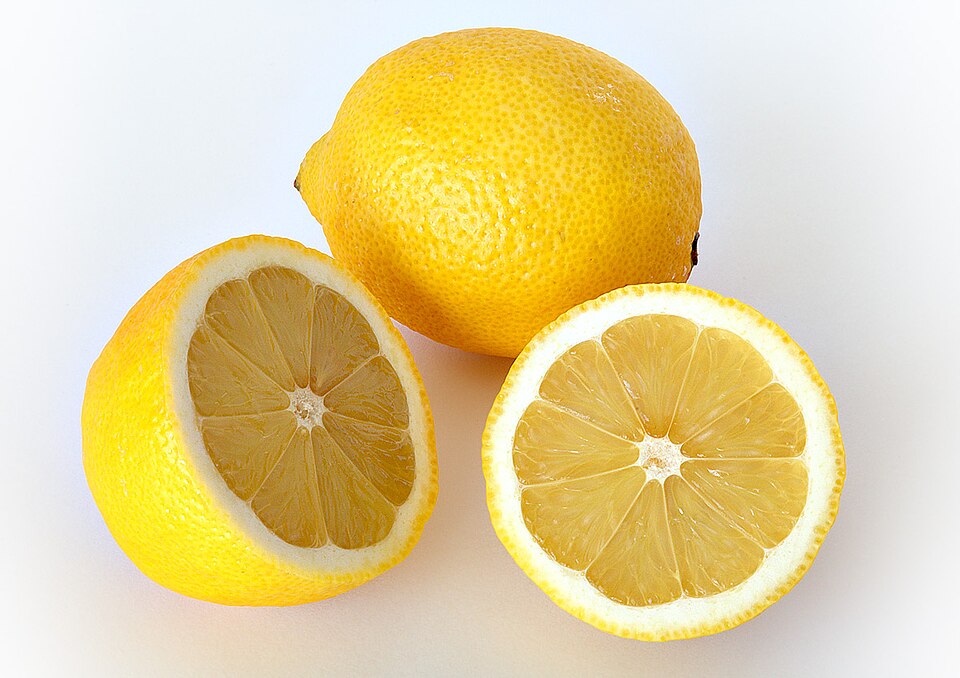
Lemon
Nutrition, per 1 portion
- Calories
- 212
- Protein
- 26 g
- Carbs
- 1 g
- Fat
- 11 g
- Sat fat
- 4 g
- Fibre
- 0 g
These figures are calculated estimates based on the ingredients listed, not laboratory analysis. Actual values vary with brands, cuts and portion size.
Apaki takes its place alongside lountza, louza and noumboulo as another regional Greek cured pork, but its Cretan character comes through clearly in the details: a vinegar-based marinade rather than a wine one, and a herb blend leaning on oregano and other wild Cretan herbs rather than the coriander seed or juniper found in its island cousins.
Once cured and smoked, apaki is typically sliced and briefly pan-fried, or added to other dishes as a flavouring ingredient, rather than eaten thin-sliced and raw the way louza often is, giving it a slightly different place on the table, closer to a cooking ingredient than a pure charcuterie meze.
This is a genuine multi-day project involving marinating, smoking and drying, and it rewards the patience with a distinctly smoky, herby, tangy cured meat that keeps for weeks once properly finished.
Key preparation steps
- Marinate pork in vinegar, oregano and herbs for several days.
- Smoke over aromatic wood.
- Hang to dry and firm for several more days.
- Slice and pan-fry to serve.
The vinegar marinade
Pork loin or tenderloin, marinated in a mixture of red wine vinegar, crushed dried oregano, and other Cretan herbs such as thyme or savory if available, along with salt, for three to four days in the fridge, turned regularly. This vinegar base is what distinguishes apaki's flavour profile from its wine-marinated island cousins.
Smoking
After marinating, rinse and pat the meat dry, then smoke over aromatic local wood, traditionally including herbs like sage tossed onto the coals for extra fragrance, for several hours using a proper smoking setup. This step is what gives apaki its distinctly smoky character beyond the marinade alone.
Drying and serving
Hang the smoked meat in a cool, well-ventilated space for several more days to firm up and finish drying, following the same food safety principles as any home curing project. Once ready, slice thinly and pan-fry briefly in a dry or lightly oiled pan for a minute or two per side, just enough to warm through and crisp the edges slightly, then serve with lemon.
What matters in this dish
The vinegar marinade is what defines apaki
It gives a tangier character than the wine-based cures used for lountza or louza, and is worth not substituting away.
Get the salt and drying conditions right
This is a genuine food safety matter, not just a flavour choice, exactly as with any home curing project.
Fry it briefly rather than eating it raw
Unlike some other regional cured pork, apaki is traditionally warmed through and lightly crisped in a pan before serving.
Questions people ask about Apaki Kritis
How is apaki different from lountza and louza?
Apaki uses a vinegar-based marinade with Cretan herbs like oregano and thyme, rather than the wine and coriander seed or juniper used in lountza or louza, and it is typically pan-fried briefly before serving rather than eaten thin-sliced and raw.
Is apaki safe to make at home?
Yes, provided the marinating time, smoking, and drying conditions are followed properly. This is a genuine curing project requiring real attention to food safety.
How is apaki typically served?
Sliced and briefly pan-fried until warmed through and slightly crisped at the edges, served with lemon, or added as a flavouring ingredient to other Cretan dishes.