Greek Desserts · Crete · Fried · Easter
Cretan Sweet Cheese Hand Pies (Kalitsounia)
Καλιτσούνια kah-lee-TSOO-nyah · Kalitsounia
In short
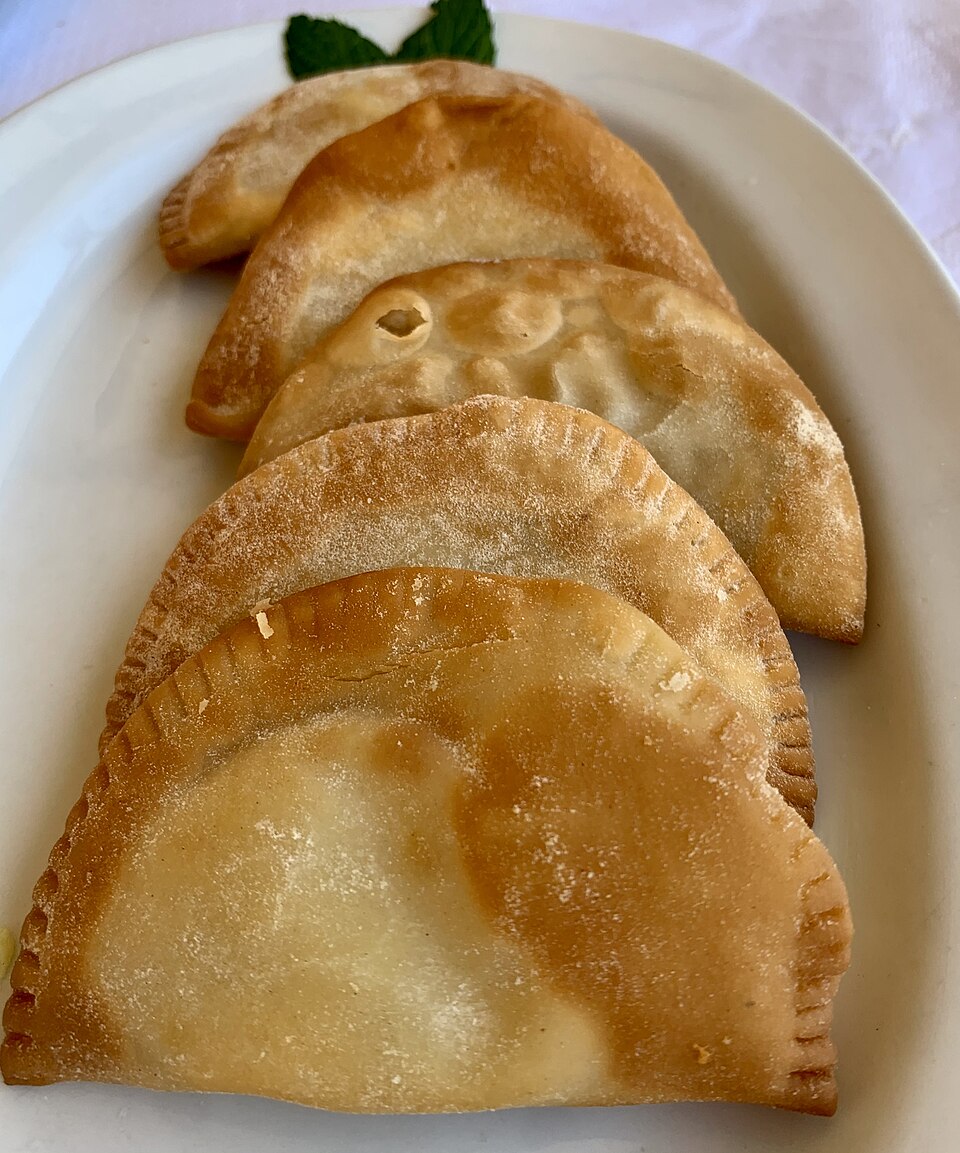
Kalitsounia are small Cretan hand pies filled with soft mizithra cheese, sweetened lightly and sometimes spiced with cinnamon, then fried or baked until golden and finished with a drizzle of honey and a scatter of sesame seeds. They appear at Easter but are eaten year round.
Cretan Sweet Cheese Hand Pies
- Prep
- 50m
- Cook
- 20m
- Total
- 1h 10m
- Serves
- 8
- Level
- Intermediate
Ingredients
For the filling
For the dough
To finish
Tick ingredients off as you go. Quantities rescale with the buttons above.
Method
- 01Drain the mizithra in a fine sieve or clean tea towel for at least 20 minutes, pressing gently to remove excess liquid.Drain the cheese properly.Yiayia
- 02Mix the drained cheese with the sugar, egg and cinnamon if using, until smooth. Set aside.
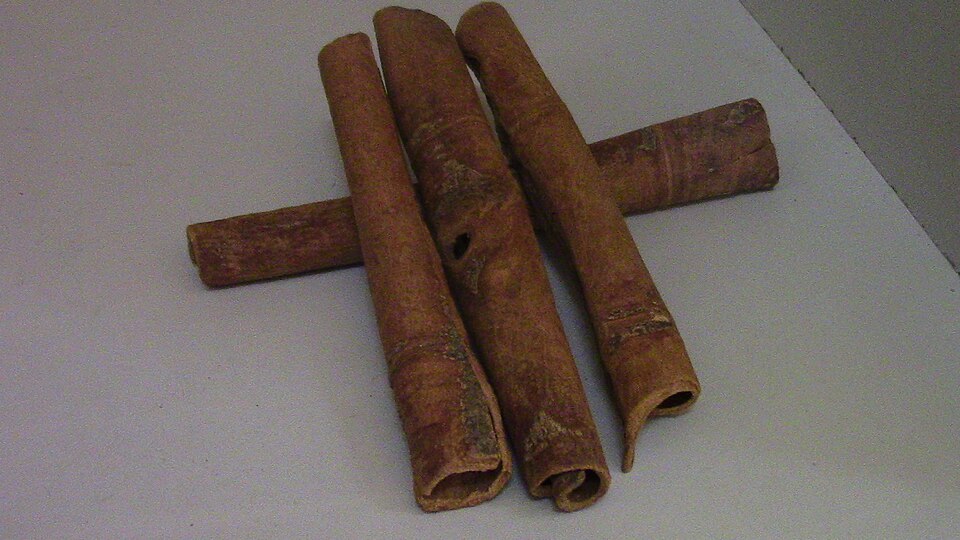
Cinnamon - 03For the dough, mix the flour and salt, then work in the oil and raki or wine until a smooth dough forms. Knead briefly, cover, and rest for 20 minutes.
- 04Roll the dough out thin and cut into rounds about 10 cm across.
- 05Place a heaped teaspoon of filling just off centre on each round. Fold over into a half-moon and crimp the edge firmly with a fork.
- 06To fry: heat a generous depth of oil in a pan to a moderate heat and fry the pies in batches for 2 to 3 minutes per side, until deep golden. Drain on kitchen paper.
- 07To bake: heat the oven to 190C fan 170C, brush the pies with beaten egg, and bake for 18 to 22 minutes until golden.
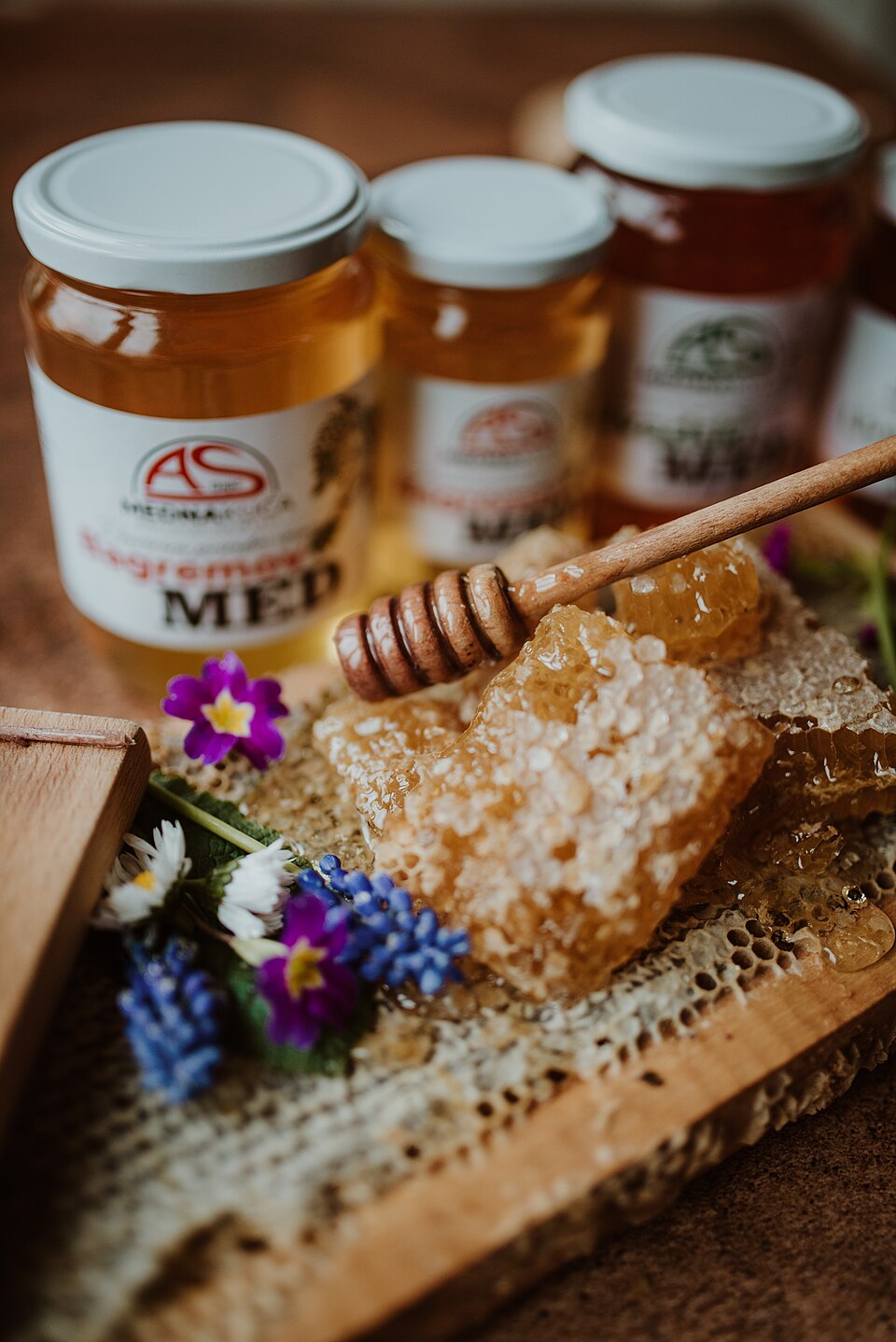
- 08Serve warm, drizzled with honey and scattered with sesame seeds.
Honey
Nutrition, per 3 hand pies
- Calories
- 268
- Protein
- 8 g
- Carbs
- 28 g
- Fat
- 14 g
- Sat fat
- 4 g
- Fibre
- 1 g
These figures are calculated estimates based on the ingredients listed, not laboratory analysis. Actual values vary with brands, cuts and portion size.
Kalitsounia are the small, hand-folded pies you find on almost every Cretan table around Easter, though households make them often enough that they hardly feel like a special-occasion food. Soft, fresh mizithra cheese, lightly sweetened and sometimes given a little cinnamon, is folded into rounds of a simple dough and either fried until golden or baked, depending on the household.
The two versions, fried and baked, are both genuinely traditional and the choice tends to run in families rather than reflecting any strict rule. Fried kalitsounia have a shorter, richer crust and crisp edges; baked ones are lighter and keep slightly better, which matters if you are making a large batch ahead of Easter guests.
Fresh mizithra, a soft whey cheese similar to Cretan anari or ricotta, is the filling this dish is built around, and it needs to be well drained before use or the pies will leak and split as they cook.
Key preparation steps
- Drain fresh mizithra thoroughly before mixing the filling.
- Make a simple, slightly enriched dough and rest it.
- Fold small rounds of dough over the cheese filling, crimping the edges.
- Fry or bake until golden, then finish with honey and sesame.
Draining the cheese properly
Fresh mizithra carries a surprising amount of moisture, and pressing it in a fine sieve or a clean tea towel for at least twenty minutes before mixing the filling is not optional. A wet filling steams the dough from the inside, which is the most common reason homemade kalitsounia split open or turn soggy rather than crisp.
Mix the drained cheese with a little sugar, a beaten egg to bind it, and, if you like, a small pinch of cinnamon. The filling should hold together in a spoon without running.
The dough and the fold
A simple dough of flour, a little oil or butter, and a splash of raki or white wine, which Cretan households use both for flavour and because the alcohol makes the dough easier to roll thin and helps it crisp. Rest it for at least twenty minutes before rolling.
Cut rounds, place a spoonful of filling just off centre, and fold into a half-moon or a fully enclosed round, crimping the edge firmly with a fork or your fingers. Some households pinch a decorative open lattice into the top rather than sealing it fully, which lets a little steam escape and stops the pies bursting unpredictably.
Frying versus baking
For the fried version, shallow fry in a generous amount of oil at a moderate heat until deep gold on both sides, which gives a short, crisp crust. Drain well before finishing.
For the baked version, brush with egg wash and bake in a hot oven until golden, which produces a lighter, less rich result that keeps a little longer. Either way, finish warm with a drizzle of honey and a scatter of sesame seeds, which is what turns a savoury-leaning cheese pie into a genuine dessert.
What matters in this dish
Drain the cheese properly
A wet filling steams the dough apart from the inside. Twenty minutes minimum in a sieve or tea towel is worth the wait.
Raki in the dough is not just flavour
The alcohol makes the dough easier to roll thin and helps the crust crisp properly, whether fried or baked.
Finish with honey only at serving
Adding it too early softens the crust. Drizzle it on once the pies are plated.
Questions people ask about Kalitsounia
What is mizithra cheese?
A soft, fresh whey cheese made across Crete and the wider Greek islands, similar in texture to ricotta. It also exists in a dried, salted form for grating, but this recipe wants the fresh, unsalted version.
Are kalitsounia always sweet?
No, savoury versions with herbs and no sugar are equally traditional, often eaten as a snack rather than a dessert. This recipe is the sweet, honey-finished version most associated with Easter.
Can you freeze kalitsounia?
Yes, shaped and unfried or unbaked. Freeze on a tray until solid, then bag, and fry or bake from frozen, adding a few minutes to the cooking time.