Greek Soups · Cyprus · Boiled and Simmered · The Sunday Table
Cypriot Trahanas Soup Recipe with Halloumi
Τραχανάς trah-hah-NAHS · Trahanas
In short
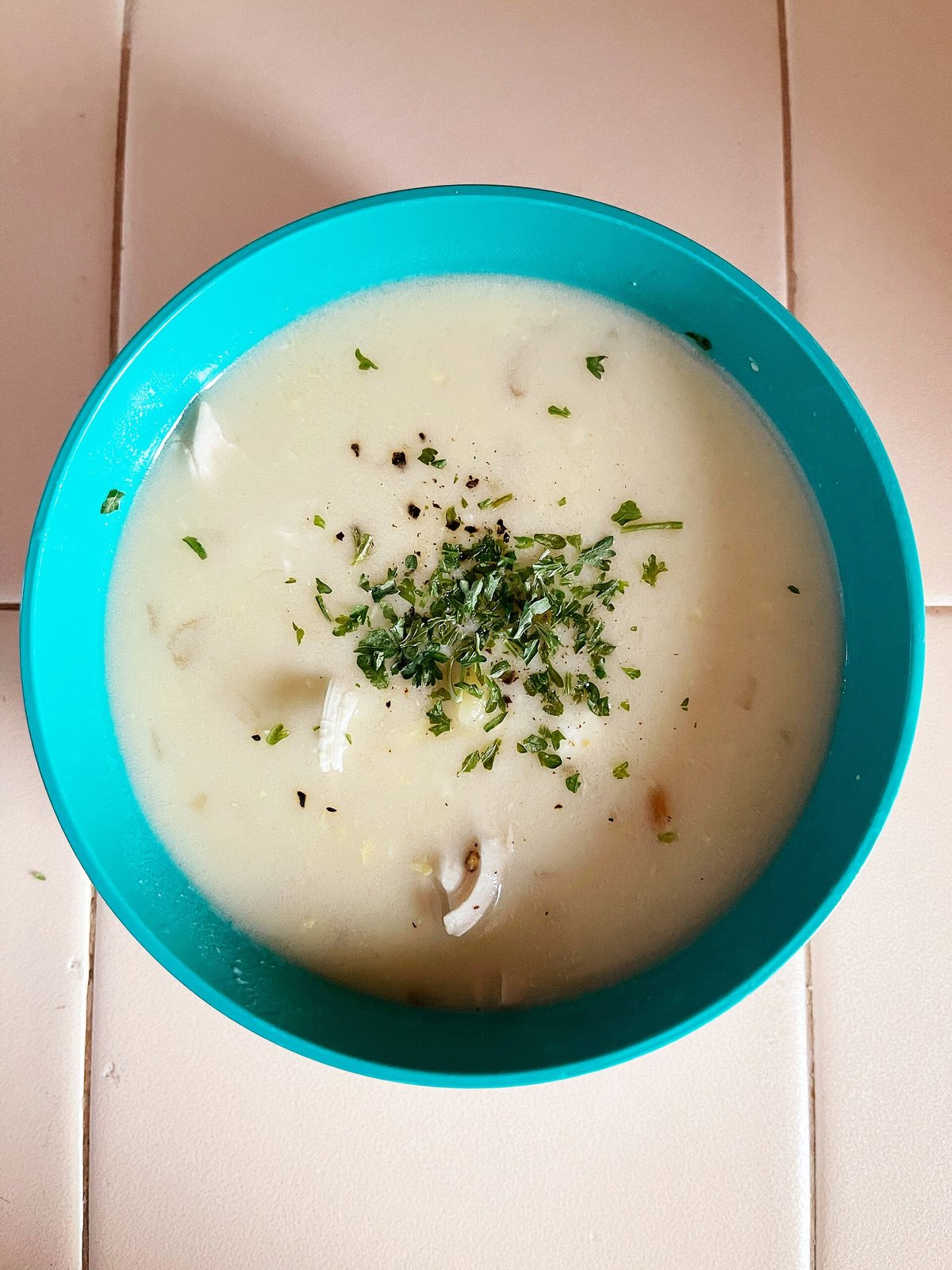
Cypriot trahanas soup is made by soaking dried trahana, a sour paste of cracked wheat fermented with goat's or sheep's milk, then simmering it in stock until it thickens into a tangy, porridge-like soup. Cubes of halloumi go in for the last five minutes and soften without melting, which is what makes the Cypriot version distinct.
Cypriot Trahanas Soup
- Prep
- 10m
- Cook
- 45m
- Total
- 55m
- Serves
- 4
- Level
- Beginner
Ingredients
Ingredients
Tick ingredients off as you go. Quantities rescale with the buttons above.
Method
- 01Put the trahana in a bowl, cover with 500 ml cold water and leave to soak for at least 2 hours, or overnight in the fridge.
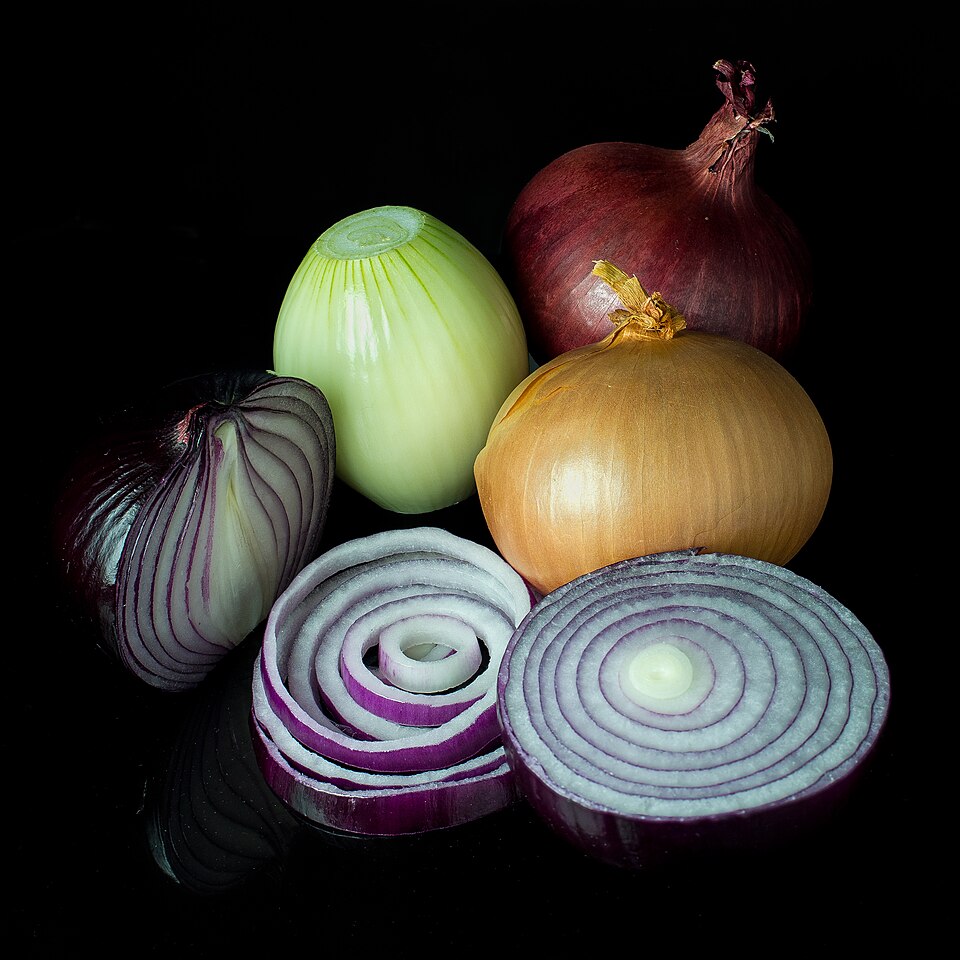
- 02If using onion, heat the olive oil in a heavy pan and cook it gently for 8 minutes until soft.
Onion - 03Add the soaked trahana with all its soaking water, then the stock. Bring to a simmer.
- 04Cook uncovered over low heat for 35 to 40 minutes, stirring often and scraping the bottom, until thick and creamy.
- 05Loosen with more hot stock or water whenever it tightens more than you want.
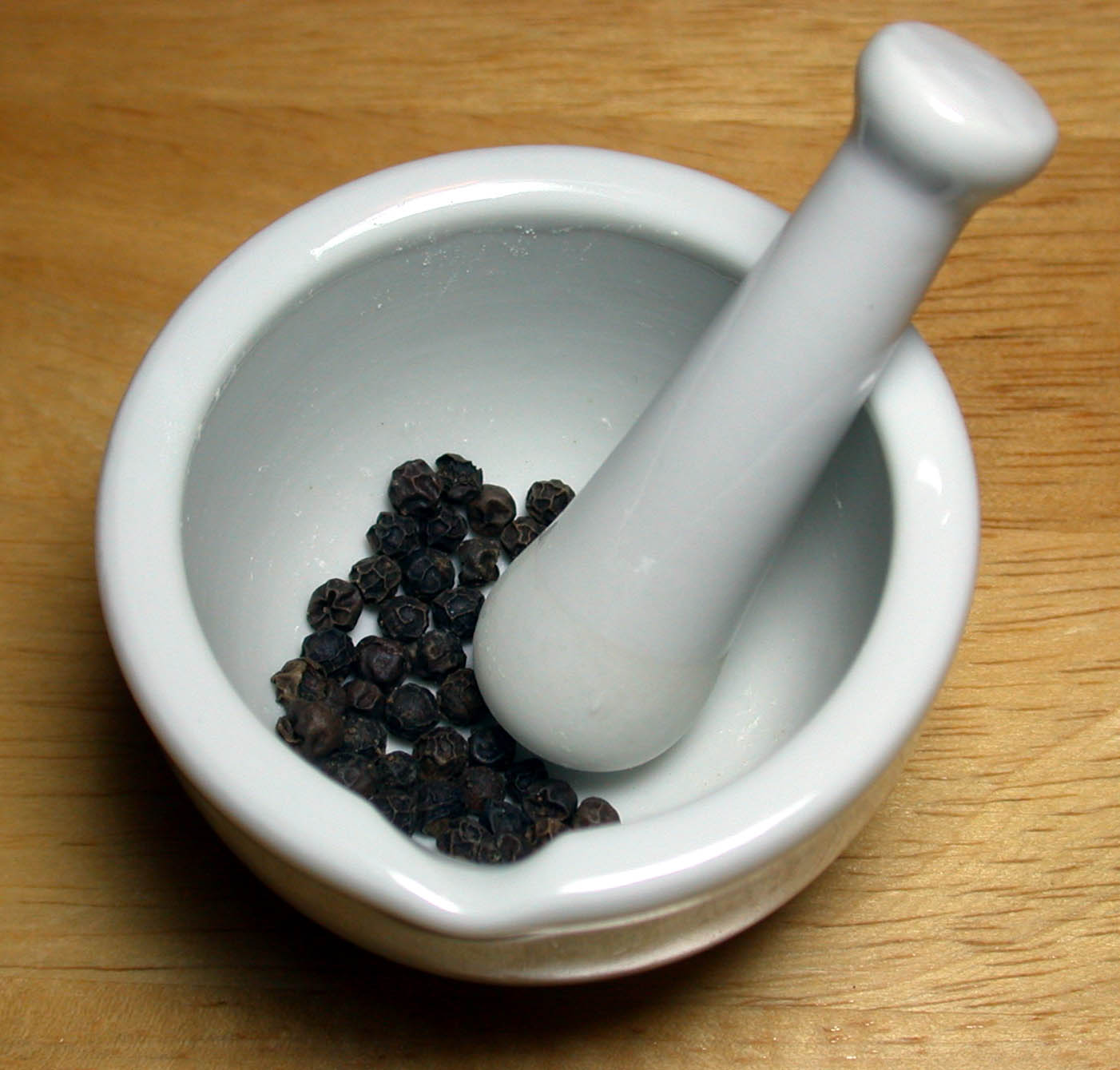
- 06Season with black pepper and only a little salt.
Black Pepper Salt at the very end.Yiayia - 07Drop in the halloumi cubes and simmer for a final 5 minutes, stirring gently, until softened.
- 08Taste for salt now that the halloumi is in, and serve very hot with lemon wedges.
Halloumi
Nutrition, per 1 portion
- Calories
- 412
- Protein
- 22 g
- Carbs
- 42 g
- Fat
- 17 g
- Sat fat
- 9 g
- Fibre
- 4 g
These figures are calculated estimates based on the ingredients listed, not laboratory analysis. Actual values vary with brands, cuts and portion size.
Trahanas is one of the oldest preserved foods in the eastern Mediterranean and Cyprus has never stopped making it. Cracked wheat is cooked into soured goat's or sheep's milk, spread out to dry in the late summer sun, broken into hard pieces, and stored to be turned into soup all winter.
The Cypriot bowl is not the same as the mountain trahanas soup of Epirus. It is thicker, considerably more sour, and it always has halloumi in it: cubes dropped in near the end that soften and go squeaky but hold their shape rather than dissolving.
It is winter food and sickbed food in equal measure. Cypriots will tell you it fixes a cold, and whether or not that is true, a bowl of something this thick, sour and salty does something no clear broth manages.
Key preparation steps
- Soak the dried trahana in water for a few hours.
- Simmer it in stock, stirring, until thick.
- Season carefully, remembering the halloumi is salty.
- Add cubed halloumi for the last five minutes.
What exactly is trahanas?
A preserve rather than an ingredient in the ordinary sense. Coarse cracked wheat is simmered with soured sheep's or goat's milk until it thickens, then dried hard in the sun and broken into irregular lumps that keep for a year in a cloth bag.
The souring is the point. It is what gives the finished soup its sharp, almost yogurt-like tang, and it is why trahanas tastes like nothing else. Cypriot grocers and Greek delis sell it dried, usually labelled sour or xino.
Does it have to be soaked first?
Yes, and for longer than you would expect. Two hours in cold water is the minimum and overnight is better. Dried trahana is rock hard and unsoaked pieces stay gritty in the middle no matter how long the soup simmers.
Keep the soaking water and cook it in the soup. A good deal of the sour flavour has leached into it, and pouring it away leaves you with a noticeably milder bowl.
How thick should the soup be?
Thick. It should coat a spoon heavily and be closer to a loose porridge than to a broth, and it thickens a great deal more as it sits and cools.
Stir it often as it simmers, because trahana settles and catches on the bottom of the pan readily. Keep a jug of hot stock beside the hob and loosen it whenever it tightens past what you want.
When does the halloumi go in?
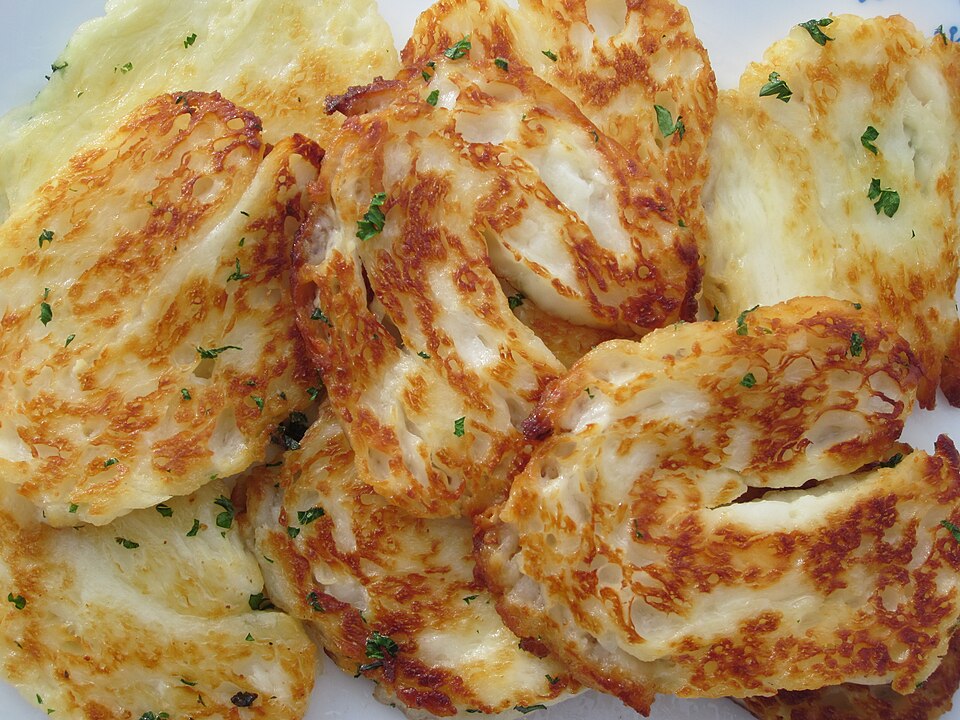
In the last five minutes and no earlier. Cut into cubes of about a centimetre and dropped into the simmering soup, it warms through and softens to the texture it has when grilled, but keeps its shape.
Cook it longer and it starts giving its salt up into the soup and going rubbery. That salt is also why you should season the soup lightly until the halloumi is in and you have tasted it again.
What matters in this dish
Keep the soaking water
Much of the sourness that defines trahanas has come out into it. Tipping it down the sink gives you a blander soup for no benefit.
Stir the bottom of the pan
Trahana is dense and settles fast. A wooden spoon across the base every couple of minutes is the difference between a clean soup and a scorched one.
Salt at the very end
Halloumi and stock together bring a lot of salt. Season lightly during cooking and correct only after the cheese has been in the pot.
Questions people ask about Trahanas
What is the difference between Cypriot and Greek trahanas soup?
The Cypriot version is thicker, distinctly more sour, and always finished with cubes of halloumi. Mainland Greek versions, particularly in Epirus, are thinner, often sweeter and are usually served without cheese or with a little grated hard cheese instead.
Where can I buy trahana?
Cypriot and Greek grocers stock it dried, in bags, usually labelled sour or xino trahana. It keeps for a year in a dry cupboard, so it is worth buying more than one bag when you find it.
Can I make it vegetarian?
Yes, using vegetable stock. Traditional Cypriot trahana itself is made with sheep's or goat's milk, so the soup is vegetarian but not vegan whichever stock you use.
Why has my trahanas gone gluey?
Almost always too little liquid or too long over the heat. It thickens dramatically as it cooks and again as it cools, so keep hot stock to hand and stop while it is still looser than you want it in the bowl.