Greek Main Courses · Cyprus · Baked · The Sunday Table
Cypriot Clay-Pot Lamb and Rice (Tavas)
Ταβάς tah-VAHS · Tavas
In short
Tavas is a Cypriot one-pot dish of lamb, onions and rice, seasoned with cumin and cinnamon and baked slowly in a covered clay pot until the rice has absorbed the meat's juices completely. It takes its name from the clay vessel it is traditionally cooked in.
Cypriot Clay-Pot Lamb and Rice
- Prep
- 25m
- Cook
- 2h 30m
- Total
- 2h 55m
- Serves
- 6
- Level
- Beginner
Ingredients
Ingredients
Tick ingredients off as you go. Quantities rescale with the buttons above.
Method
- 01Heat the oven to 160C fan 140C.
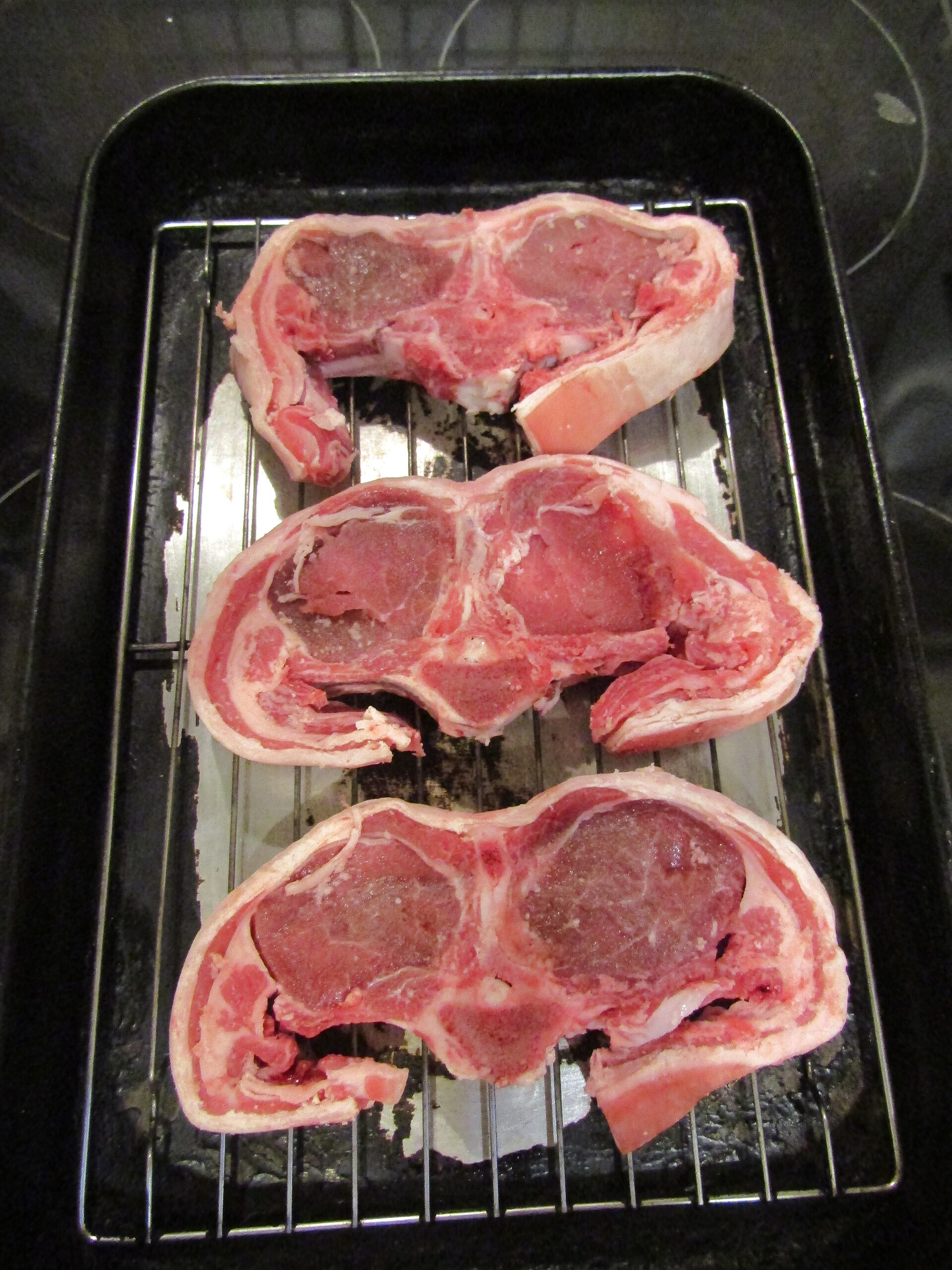
- 02Pat the lamb dry and season generously. Heat the olive oil in a heavy pan and brown the lamb hard, in batches, until well coloured on all sides. Set aside.
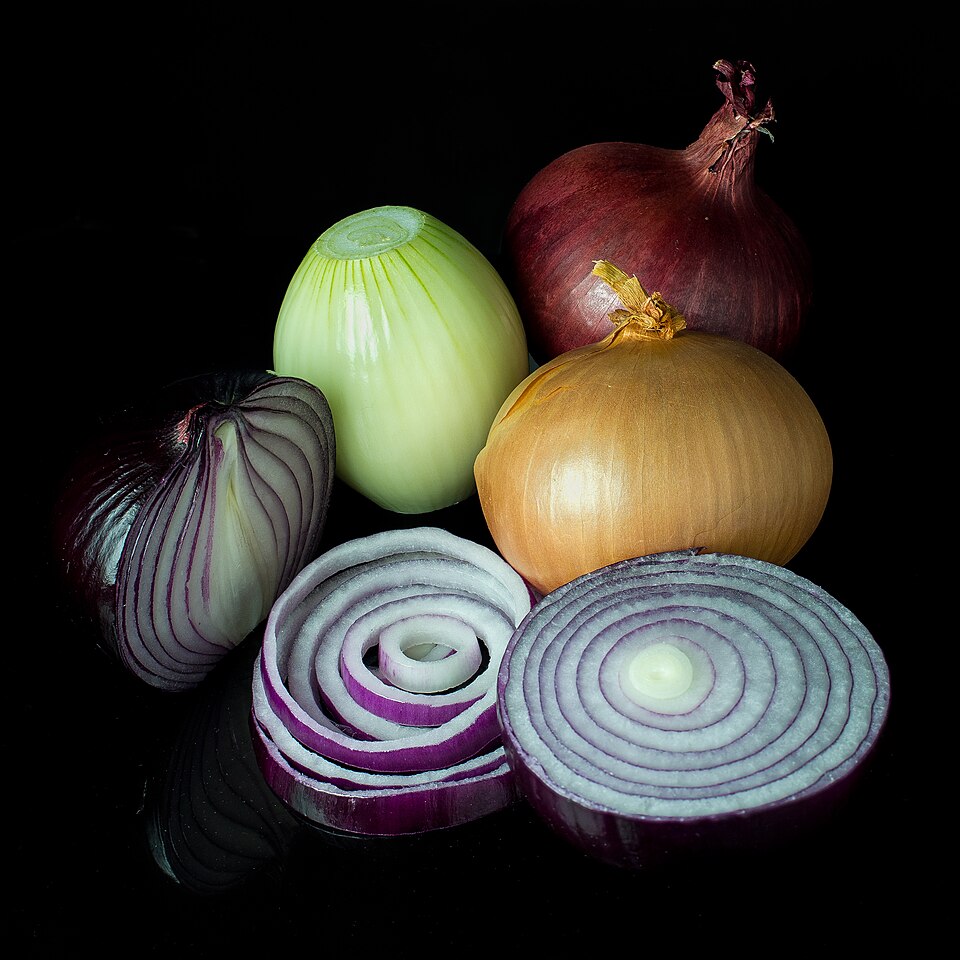
Lamb - 03In a traditional clay tavas dish or a heavy casserole, layer half the sliced onions over the base.
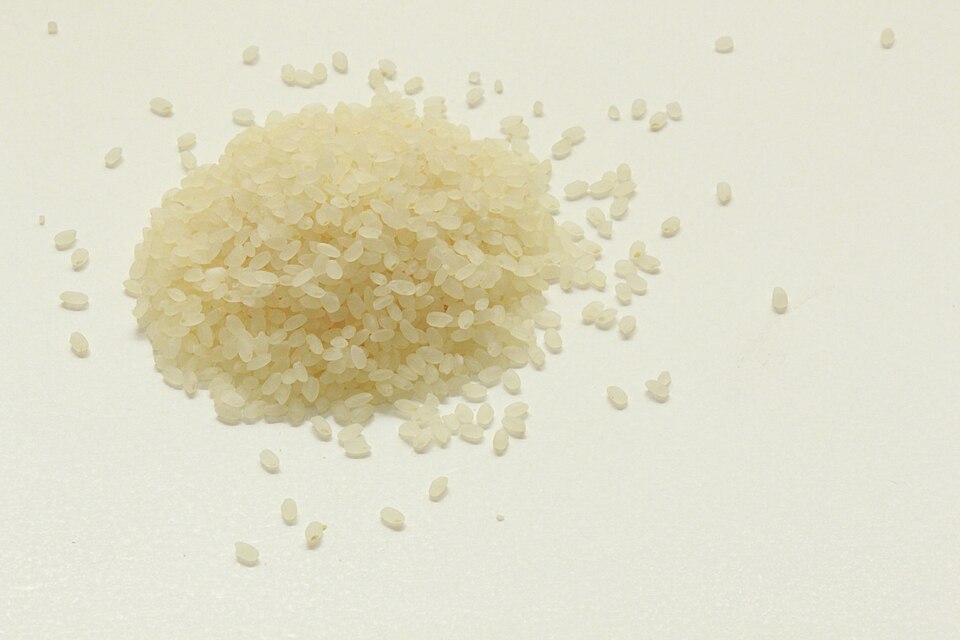
- 04Scatter over the browned lamb, then the remaining onions, then the raw rice on top, spreading it evenly.
Onion - 05Sprinkle over the crushed cumin seed, tuck in the cinnamon stick and bay leaves, and season well with salt and pepper.Whole cumin over ground.Yiayia
- 06Pour over the hot stock so everything is covered by about 1 cm of liquid.
- 07Cover tightly, first with foil and then the lid, or with a well-fitting lid alone if using a genuine clay tavas, and place in the oven.
- 08Bake undisturbed for 2 hours 15 minutes to 2 hours 30 minutes, until the lamb is completely tender and the rice has absorbed almost all the liquid.
Rice - 09Remove the cinnamon stick and bay leaves. Rest for 10 minutes, covered, before serving straight from the dish.
Nutrition, per 1 portion
- Calories
- 586
- Protein
- 34 g
- Carbs
- 48 g
- Fat
- 26 g
- Sat fat
- 9 g
- Fibre
- 3 g
These figures are calculated estimates based on the ingredients listed, not laboratory analysis. Actual values vary with brands, cuts and portion size.
Tavas takes its name from the vessel rather than from any single ingredient, tavas being the Cypriot word for the round, wide clay pot the dish is traditionally baked in. Lamb, a great quantity of onions, rice, and a specific pairing of cumin and cinnamon, all covered and left in a slow oven until the rice has done all the work of soaking up everything the lamb has given off.
It sits somewhere between a stew and a pilaf, and the clay pot matters more than it might seem: the thick unglazed walls hold and distribute heat far more gently than metal, which is exactly what a three-hour unattended bake wants.
If you do not have a genuine clay tavas dish, a heavy enamelled cast iron casserole with a tight lid is the best substitute and will get you most of the way there.
Key preparation steps
- Brown the lamb hard before it goes anywhere near the pot.
- Layer with a large quantity of onion and the raw rice.
- Season with cumin and cinnamon, and cover completely with liquid.
- Cover tightly and bake low and slow until the rice has absorbed everything.
Why so many onions
Tavas uses close to the same weight of onion as meat, and this is not incidental. The onions break down almost completely over the long bake, sweetening and thickening the liquid that the rice will go on to absorb, in much the same role they play in a Greek stifado.
Slice them, do not dice them, into fairly thick half-moons, since they need to survive nearly three hours of gentle baking without disappearing entirely.
Cumin and cinnamon together
This particular pairing, cumin leading with cinnamon as a warm undertone, is the signature of tavas and marks it out clearly from mainland Greek lamb dishes, which lean on oregano and lemon instead. It reflects Cyprus's position at the crossing point of Greek, Middle Eastern and Anatolian cooking.
Use whole cumin seed, lightly crushed, rather than ground cumin from a jar if you can, for a fresher, rounder flavour. A cinnamon stick left whole in the pot and removed before serving is gentler than ground cinnamon and less likely to overpower.
Getting the rice right
The rice goes in raw, low in the pot, beneath or among the lamb and onions, so it can absorb the meat juices as everything bakes rather than sitting on top merely steaming. Medium grain rice holds its shape better here than long grain, which can turn gluey after three hours in a covered pot.
The liquid quantity matters more than usual with this method: too little and the rice at the bottom scorches before the lamb is tender, too much and you end up with a loose, wet dish rather than one where the rice has properly absorbed everything. Cover the whole contents with stock or water by about a centimetre and trust the covered, slow bake to do the rest.
What matters in this dish
Do not lift the lid
Every check releases heat and steam that a three-hour covered bake depends on. Trust the time and check only near the end.
Whole cumin over ground
Lightly crushed whole seed gives a fresher, rounder flavour than pre-ground cumin, which fades quickly once opened.
Cover generously with liquid
The rice needs to be fully submerged at the start. It looks like too much liquid going in and it is exactly right once the lid goes on.
Questions people ask about Tavas
What is a tavas dish?
A round, wide, unglazed clay cooking vessel traditional in Cyprus, which gives the dish its name. A heavy lidded casserole is the best substitute if you do not have one.
Can you make tavas with beef instead of lamb?
Yes, though lamb is the traditional and more common choice. Beef shin or chuck works well and needs a similar long, slow cooking time.
Why does tavas use so much onion?
The onions break down almost completely over the long bake and sweeten and thicken the liquid the rice absorbs, playing a similar role to the onions in a Greek stifado.
Can you make tavas ahead?
Yes, it reheats well, though the rice will have absorbed even more liquid by the next day, so loosen it with a splash of hot stock when reheating gently in the oven.