Greek Main Courses · The Mainland · Cyprus · Baked · The Sunday Table
Greek Kleftiko Recipe (Slow-Baked Lamb in Paper)
Κλέφτικο KLEF-tee-koh · Kleftiko
In short
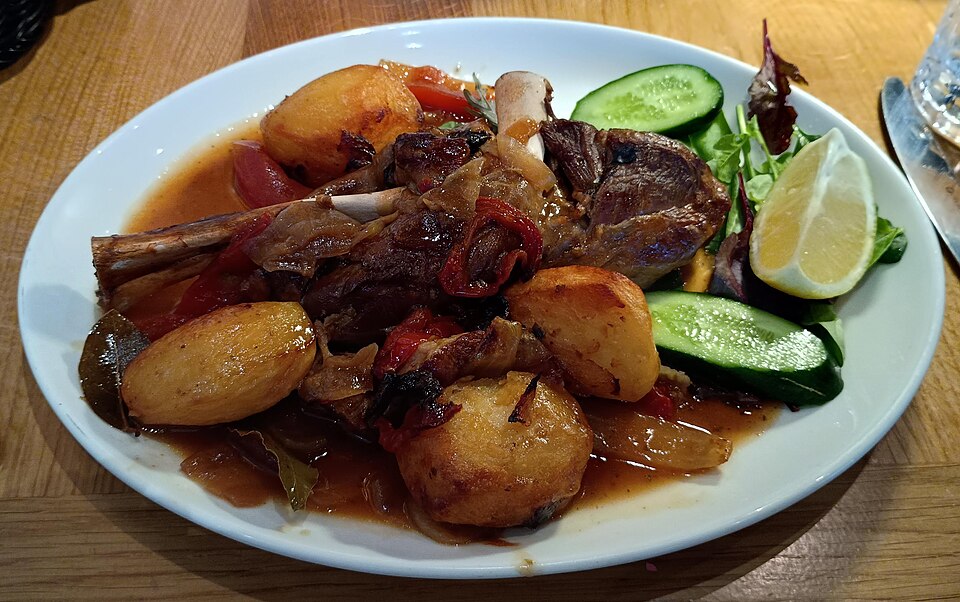
Kleftiko is lamb sealed in a tightly closed parcel of paper or dough and baked very slowly for three to four hours. The seal is the whole technique: it traps every drop of steam so the meat braises in its own juices and falls off the bone.
Kleftiko
- Prep
- 25m
- Cook
- 4h
- Total
- 4h 25m
- Serves
- 6
- Level
- Beginner
Ingredients
Ingredients
Tick ingredients off as you go. Quantities rescale with the buttons above.
Method
- 01Using a small sharp knife, cut deep slits all over the lamb shoulder, about 12 of them. Push a halved garlic clove into each one, along with a small piece of lemon rind.
- 02Rub the whole shoulder with olive oil, the juice of one lemon, the oregano, and a generous amount of salt and pepper. Cover and refrigerate for at least 2 hours or overnight.

Lemon - 03Heat the oven to 160C fan 140C. Take the lamb out 30 minutes before cooking.
- 04Line a deep roasting tin with two long overlapping sheets of heavy foil, then two sheets of baking paper on top of that.Two layers, paper inside foil.Yiayia
- 05Scatter the onion and bay leaves over the paper. Sit the lamb on top and pack the potato chunks around and under it. Season the potatoes.
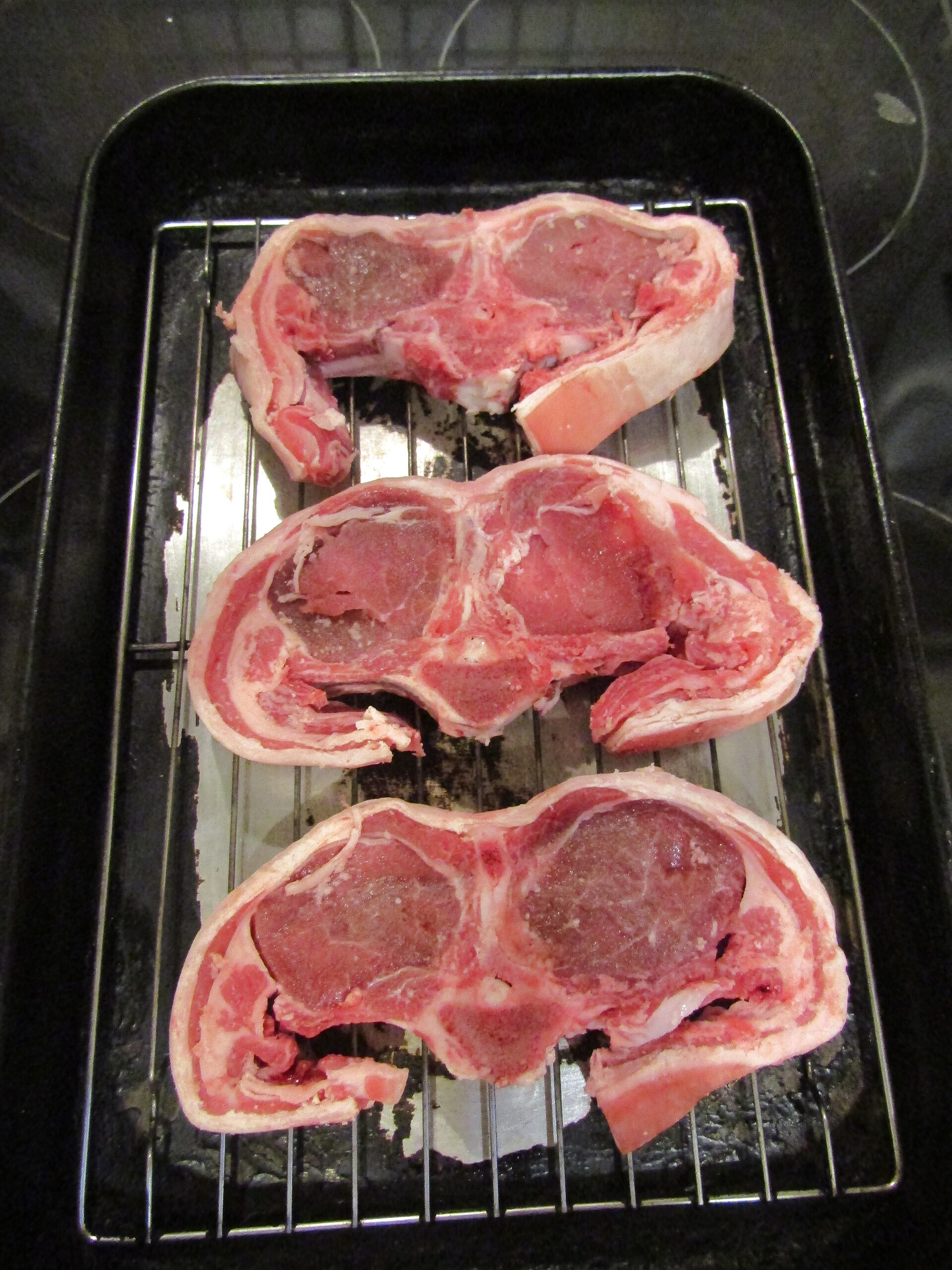
Lamb - 06Pour over the wine and tuck the lemon wedges in among the potatoes.
- 07Bring the paper up over the top and fold it closed, then do the same with the foil, folding every join over on itself twice so the parcel is genuinely airtight. Steam escaping is the one thing that will ruin this.
- 08Bake for 4 hours. Do not open the parcel at any point to check on it.
- 09Take it out and let it rest, still sealed, for 20 minutes.
- 10Open the parcel at the table. The meat should come away from the bone with a spoon. Serve with the potatoes and all the juices from the parcel.
Potato
Nutrition, per 1 portion
- Calories
- 684
- Protein
- 52 g
- Carbs
- 32 g
- Fat
- 38 g
- Sat fat
- 15 g
- Fibre
- 4 g
These figures are calculated estimates based on the ingredients listed, not laboratory analysis. Actual values vary with brands, cuts and portion size.
Kleftis means thief, and the name is the story. The klefts were mountain fighters and bandits during Ottoman rule who would steal a sheep and then face the problem of cooking it without smoke or smell giving away their position. The solution was to bury the meat in a sealed pit with hot embers and leave it for hours.
The modern version keeps the principle and drops the pit. You seal lamb in paper, or in a flour-and-water dough, and you do not open it. No basting, no checking, no turning. Every drop of moisture that comes out of the meat stays in the parcel and goes back into it.
It is the least demanding recipe on this site. Twenty-five minutes of work, four hours of leaving it alone, and a result that looks like you did something difficult.
Key preparation steps
- Cut deep slits in the lamb and push garlic and lemon into them.
- Marinate for at least two hours, ideally overnight.
- Seal completely in baking paper inside foil, with the potatoes.
- Bake at a low heat for four hours and do not open it once.
Which cut of lamb?
Shoulder, on the bone. It has the connective tissue and fat that a four-hour bake needs, and the bone adds body to the juices. A whole shoulder of around 2 kg feeds six generously.
Leg works but is leaner and can end up dry despite the sealed parcel. If you use leg, cut the cooking time to three hours and expect a firmer result.
Individual portions are also traditional, particularly in Cyprus, where a piece of shoulder per person is sealed in its own parcel. It is easier to serve and looks better on the plate, though the meat is very slightly less succulent than a single large piece.
Why the seal matters more than anything else
This is not a wrapped roast. The parcel has to be genuinely airtight, because the entire cooking method depends on nothing escaping.
Use baking paper against the meat and heavy foil around the outside, and fold the edges over on themselves twice at every join. Some cooks seal the dish lid on with a rope of flour and water dough, which is the traditional method and works beautifully.
Do not open the parcel to check on it. Every time you do, you release the steam that is doing the work. Trust the clock.
Should the potatoes go in the parcel?
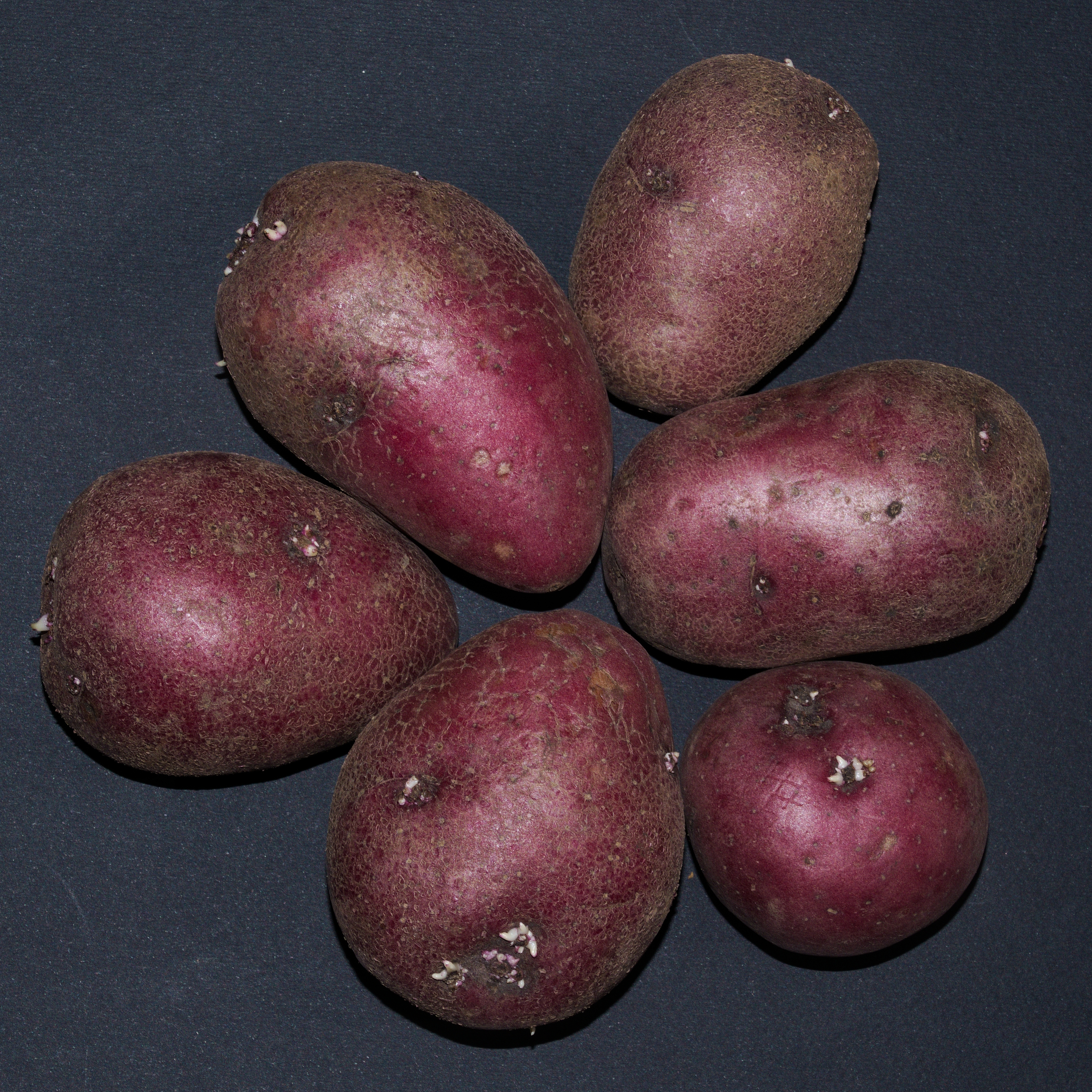
Yes, and they are arguably the best part. Cut them into large chunks and pack them around and under the lamb so they sit in the juices for the full four hours.
They will not crisp, and they are not supposed to. They come out soft, saturated with lamb fat, lemon and oregano, closer to a confit than a roast potato. If you want crisp potatoes as well, roast a separate tray.
Add them raw. Par-boiling makes them collapse entirely over four hours.
The seasoning, which is deliberately plain
Garlic, lemon, oregano, salt, pepper, olive oil. That is the whole list and adding to it is a mistake.
Four hours in a sealed parcel concentrates everything enormously. Seasonings that taste balanced raw will taste aggressive at the end, so keep the hand light on everything except the garlic, which mellows completely.
Cut deep slits in the meat and push slivers of garlic and small pieces of lemon rind right inside, rather than only rubbing the surface. That is how the flavour reaches the middle of a large piece of meat.
What matters in this dish
Two layers, paper inside foil
Foil alone can react with the lemon and leave a metallic edge on the meat. Baking paper next to the food and foil outside it gives you a reliable seal without that risk.
Do not open it
The most common way to spoil kleftiko is curiosity. Every check releases the steam that is braising the meat.
Reduce the juices if you want a sauce
There will be a lot of liquid in the parcel. Pour it into a pan and boil hard for five minutes and you have an intense gravy.
Questions people ask about Kleftiko
Why is it called kleftiko?
From kleftis, meaning thief. Mountain fighters under Ottoman rule cooked stolen lamb in sealed underground pits so no smoke or smell would reveal their position. The sealed parcel is the surviving element of that method.
Can you make kleftiko in a slow cooker?
Yes, and it works well. Eight hours on low in a covered slow cooker gives a similar result, though you lose the small amount of browning that the oven gives the top of the parcel.
Can you prepare kleftiko ahead?
Assemble the whole sealed parcel a day ahead and keep it refrigerated, then bake it straight from cold adding about 30 minutes. The marinating time only improves it.
What is the difference between kleftiko and souvla?
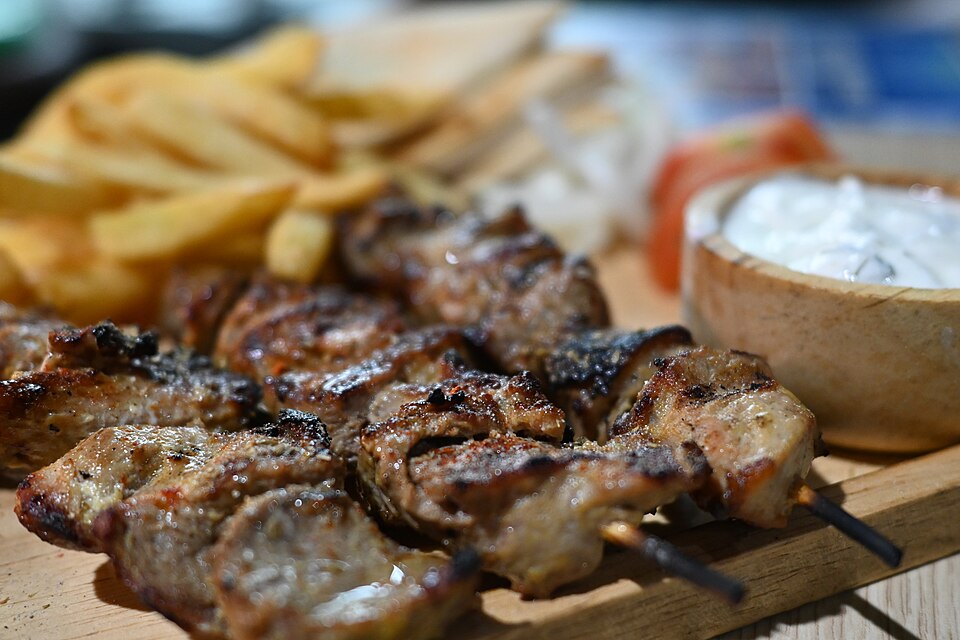
Kleftiko is sealed and slow-baked so it steams in its own juices. Souvla is large pieces of meat turned slowly on a spit over charcoal, which dries and crusts the outside. Opposite techniques, both Cypriot staples.