Greek Main Courses · The Dodecanese · One-Pan · The Sunday Table
Dodecanese Orzo-Style Pasta with Tomato (Sitaraki)
Σιταράκι see-tah-RAH-kee · Sitaraki
In short
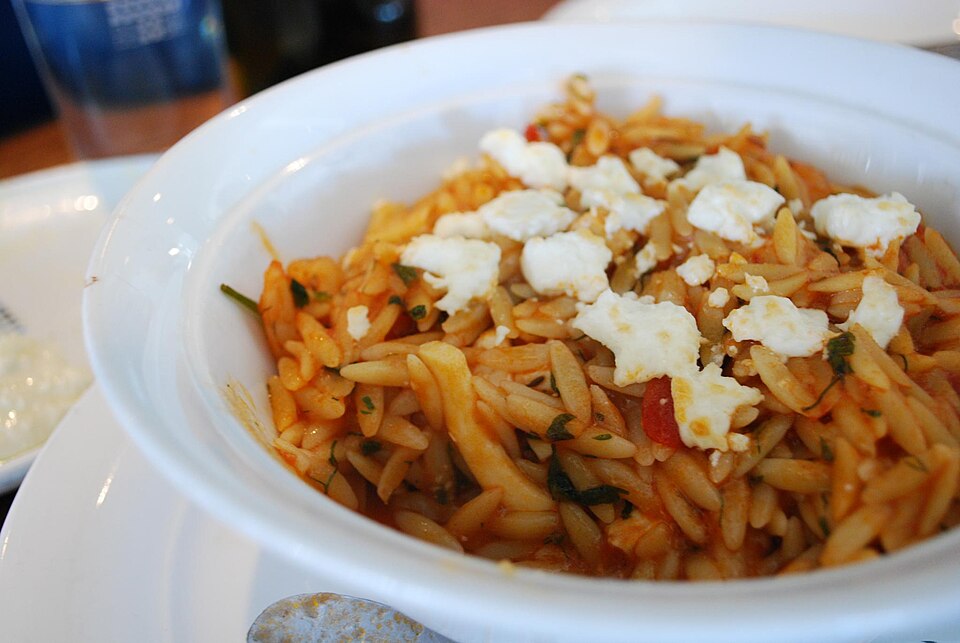
Sitaraki is a small, rice-shaped pasta traditional to the Dodecanese, simmered directly in a simple tomato and onion sauce until it swells and the whole dish thickens into a rustic, comforting one-pot meal, closely related to the kritharaki used in giouvetsi elsewhere in Greece.
Dodecanese Orzo-Style Pasta with Tomato
- Prep
- 10m
- Cook
- 25m
- Total
- 35m
- Serves
- 4
- Level
- Beginner
Ingredients
Ingredients
Tick ingredients off as you go. Quantities rescale with the buttons above.
Method
- 01Heat the olive oil in a wide pot over a low heat. Add the onions and cook for 10 to 12 minutes, until completely soft and sweet.Cook the onions properly first.Yiayia
- 02Add the garlic and cook for 1 minute more.
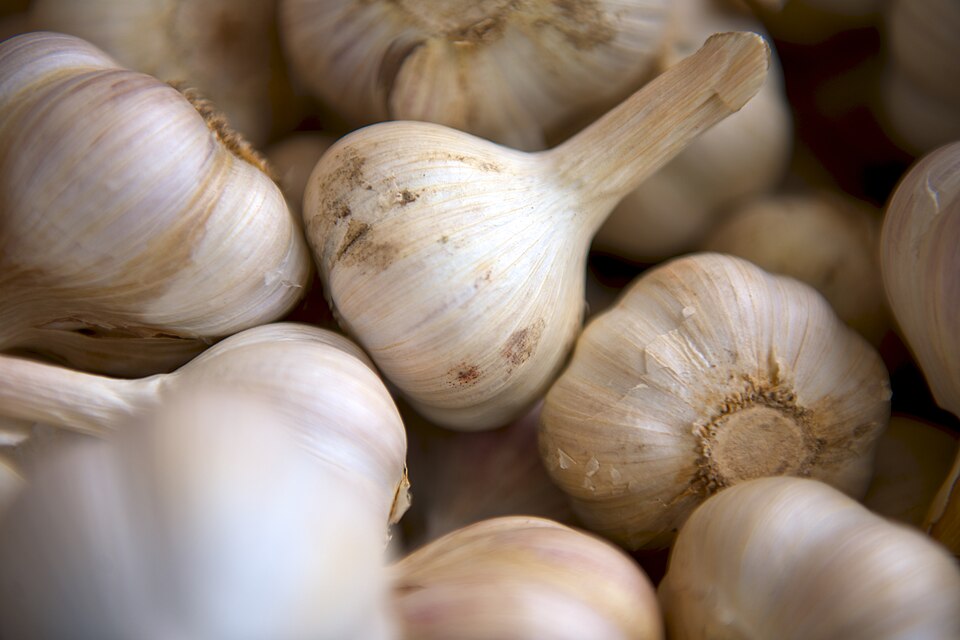
Garlic - 03Stir in the tomatoes, season, and simmer for 10 minutes, until slightly thickened and concentrated.
- 04Add the sitaraki and the hot water. Bring to a simmer.
- 05Cook uncovered, stirring occasionally, for 12 to 15 minutes, until the pasta is tender and the sauce has thickened around it, adding more hot water if it dries out before the pasta is done.
- 06Check the seasoning and serve hot, drizzled with a little extra olive oil and topped with grated cheese if using.
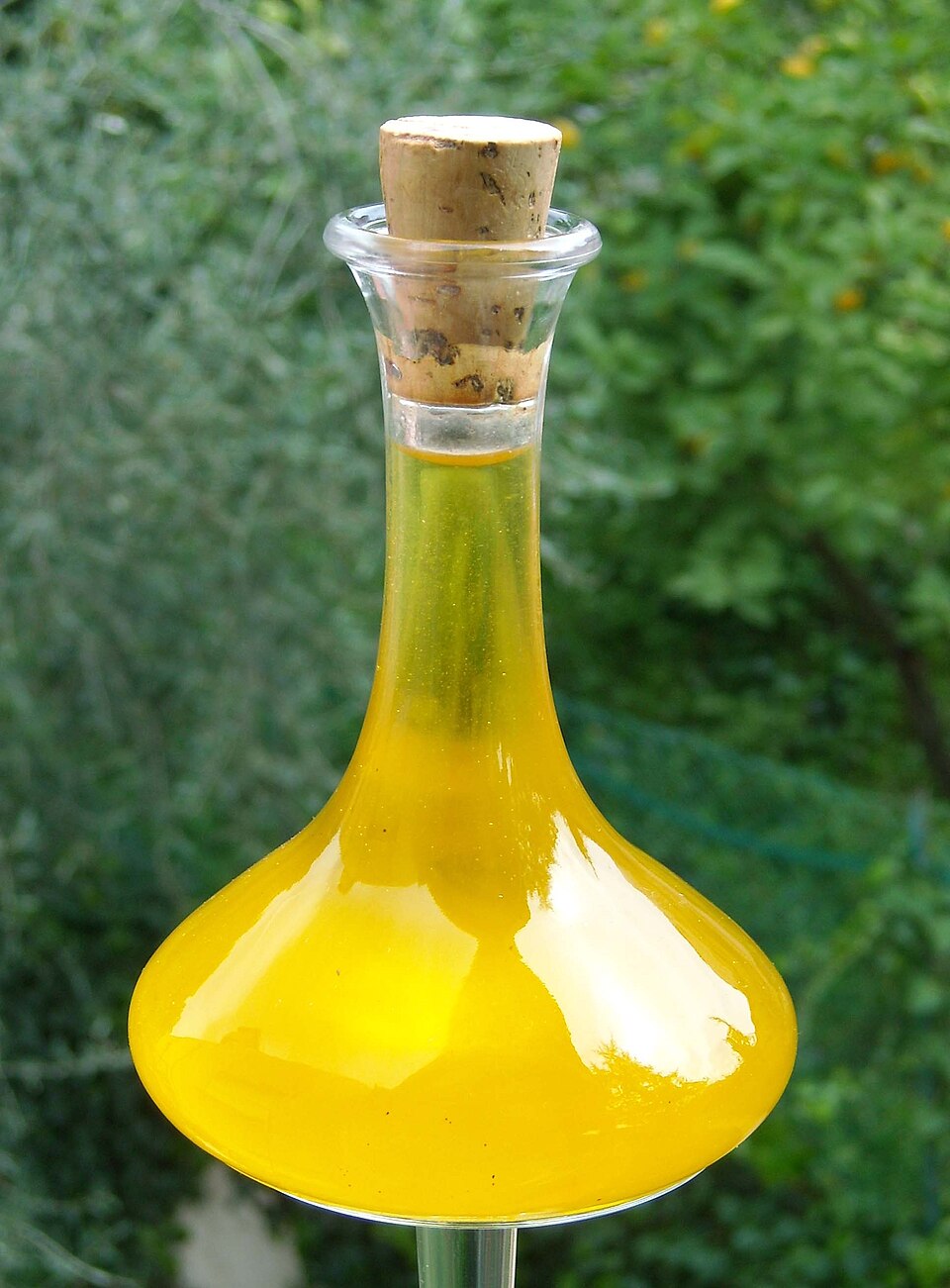
Olive Oil
Nutrition, per 1 portion
- Calories
- 386
- Protein
- 10 g
- Carbs
- 58 g
- Fat
- 13 g
- Sat fat
- 3 g
- Fibre
- 3 g
These figures are calculated estimates based on the ingredients listed, not laboratory analysis. Actual values vary with brands, cuts and portion size.
Sitaraki is the Dodecanese's own small wheat pasta, similar in size and shape to kritharaki or orzo, and its name comes directly from sitari, wheat, reflecting how central it once was to the island group's everyday cooking. Cooked simply in a tomato and onion sauce, it turns from a handful of small dried pasta into a substantial, thick, one-pot meal within half an hour.
It sits closer to giouvetsi in spirit than to a standard Italian pasta dish, since the pasta is cooked directly in the sauce rather than boiled separately and combined afterwards, letting it absorb the tomato as it swells and releasing its own starch back into the pot to thicken everything further.
This is genuinely quick, forgiving weeknight food once you have the pasta itself, which is worth seeking out specifically if you want the authentic texture, though a standard orzo or kritharaki is a very close and easy substitute.
Key preparation steps
- Cook onion down until soft in olive oil.
- Build a simple tomato sauce.
- Add the sitaraki directly to the simmering sauce.
- Cook until tender and the sauce has thickened around it.
What sitaraki is, and what to use instead
Sitaraki is a small, roughly rice-grain-shaped wheat pasta, sold dried in Dodecanese and some wider Greek grocers. If it is not available, orzo or kritharaki, both similar small pasta shapes used elsewhere in Greek cooking, work as a direct and very close substitute in both size and cooking behaviour.
Building the sauce
Cook a generous amount of finely chopped onion slowly in olive oil until properly soft and sweet, which takes a genuine ten to twelve minutes over a low heat, since the onion is doing much of the flavour work here alongside the tomato.
Add garlic, then tinned or grated fresh tomato, and simmer for ten minutes to concentrate the flavour before the pasta goes in.
Cooking the pasta in the sauce
Add the sitaraki directly to the simmering tomato sauce along with enough hot water to cover generously, and cook uncovered, stirring occasionally, until tender, about twelve to fifteen minutes. It will absorb much of the liquid and release its own starch, thickening the whole pot considerably.
Add a splash more hot water if it looks like drying out before the pasta is properly tender, and finish with a generous grating of hard cheese and a drizzle of good olive oil.
What matters in this dish
Cook the onions properly first
A genuine ten to twelve minutes over low heat builds real sweetness that carries the whole dish alongside the tomato.
Watch the liquid near the end
The pasta can absorb liquid faster than expected in the final stretch. Keep extra hot water on hand to loosen it if needed.
Orzo is a very close substitute
If you cannot find genuine sitaraki, orzo or kritharaki cook and behave almost identically in this dish.
Questions people ask about Sitaraki
What is sitaraki?
A small, rice-grain-shaped wheat pasta traditional to the Dodecanese islands, similar to orzo or kritharaki, its name coming from sitari, the Greek word for wheat.
Is sitaraki the same as orzo?
They are very similar in size, shape and cooking behaviour, and orzo or kritharaki make an excellent direct substitute if genuine sitaraki is not available.
Can you add meat to this dish?
Yes, browned minced meat or chicken pieces added at the sauce stage turn this into a more substantial main course, though the plain vegan version is equally traditional and common.