
Grains and Pulses
Orzo
Κριθαράκι · Kritharaki
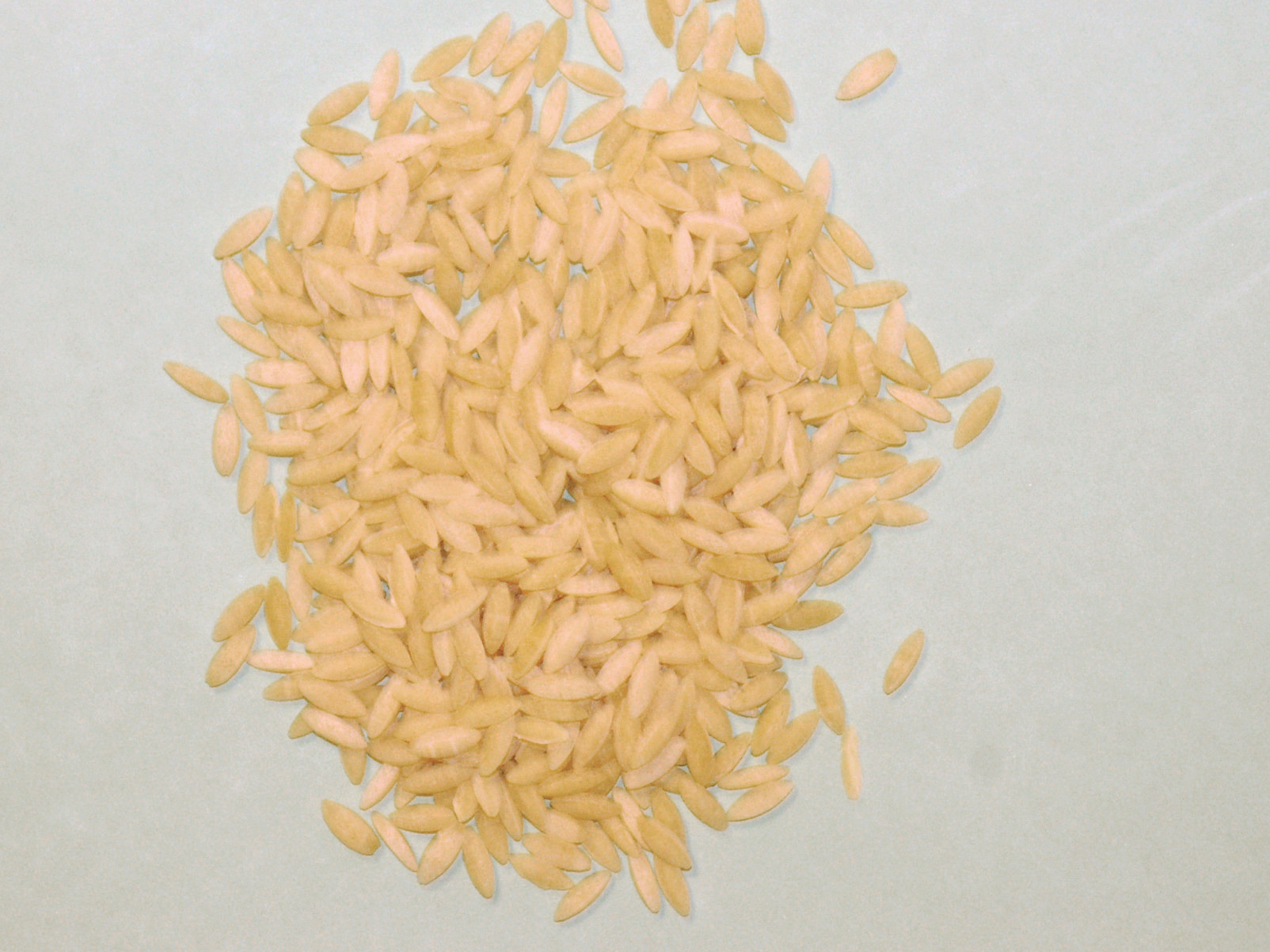
Kritharaki means little barley, after the grain the pasta is shaped to resemble, though it is made from wheat like any other pasta. In northern Greece the same shape is called manestra, and the word orzo, which is Italian for barley, describes exactly the same thing on an imported packet. It sits somewhere between pasta and rice in how Greek cooks actually use it.
Youvetsi is its defining dish, and the name belongs to the wide earthenware dish rather than to the food: lamb or beef is browned and baked in tomato until nearly done, the orzo is stirred in with hot stock for the last stretch, and grated kefalotyri or mizithra goes over the top. Orzo also carries plain tomato pilafs and thickens chicken and vegetable soups.
The mistake almost everyone makes is liquid. Orzo absorbs a great deal more than pasta boiled in a pan of water, and a youvetsi that looks soupy going into the oven is usually about right coming out. It also goes from firm to gluey quickly, so it is added late, and any liquid poured over it should be hot rather than cold.
Recipes with orzo
7 recipes on the site using it.
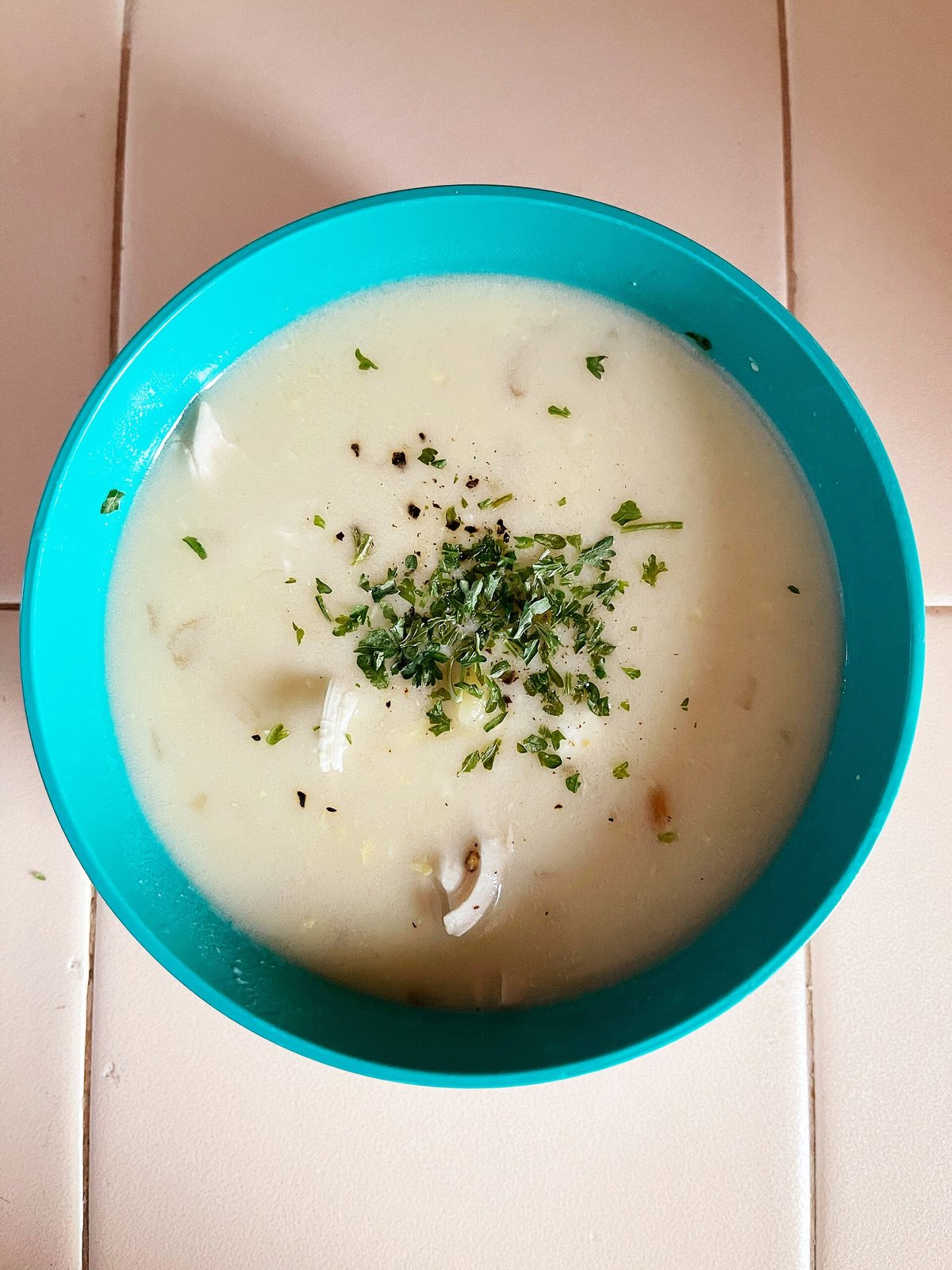 Avgolemono SoupKotosoupa avgolemono Κοτόσουπα αυγολέμονοSoups · 1h 30m · serves 6
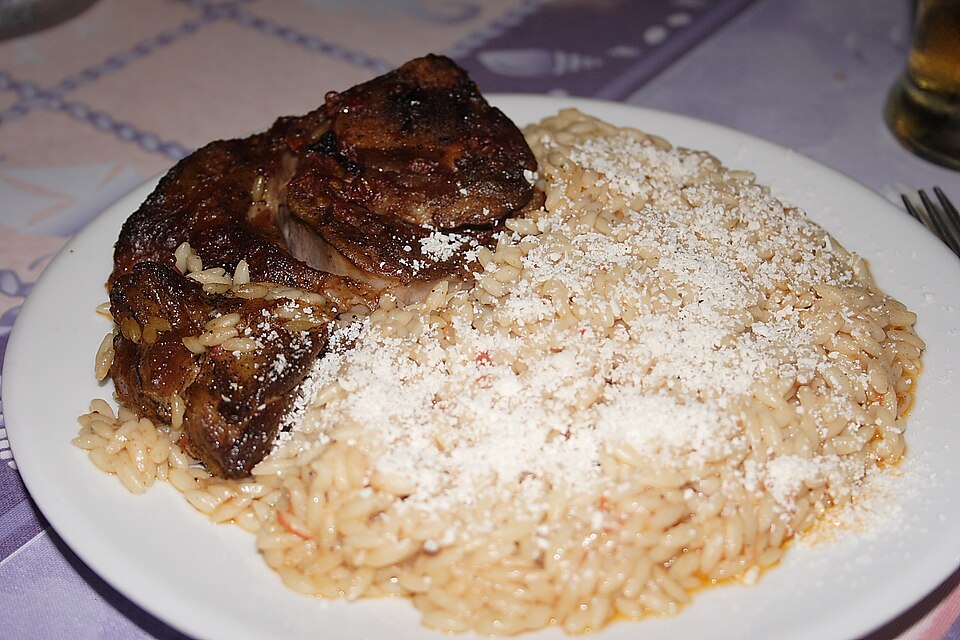 GiouvetsiGiouvetsi ΓιουβέτσιMain Courses · 2h 55m · serves 6
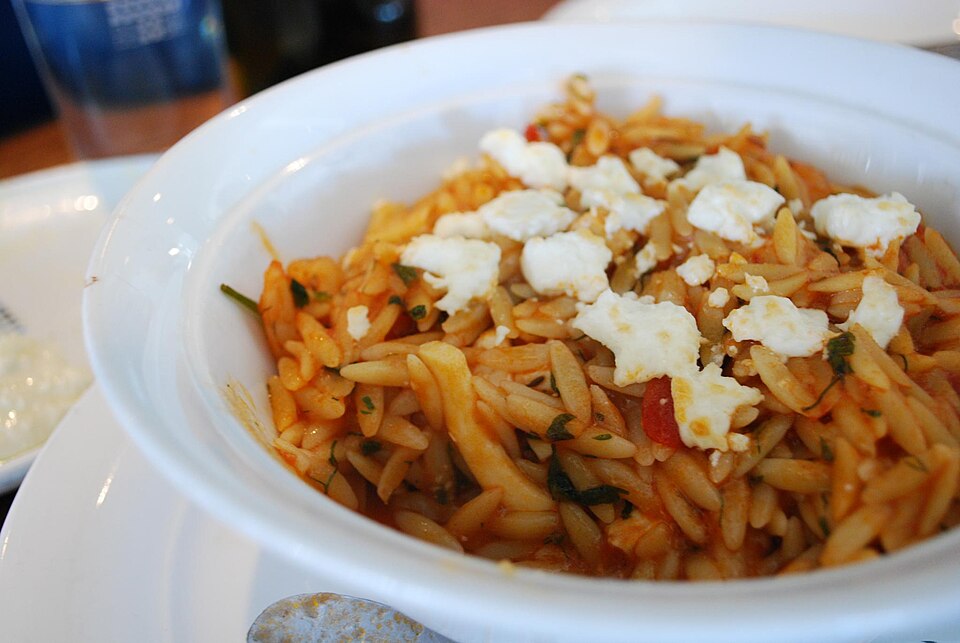 Dodecanese Orzo-Style Pasta with TomatoSitaraki ΣιταράκιMain Courses · 35m · serves 4
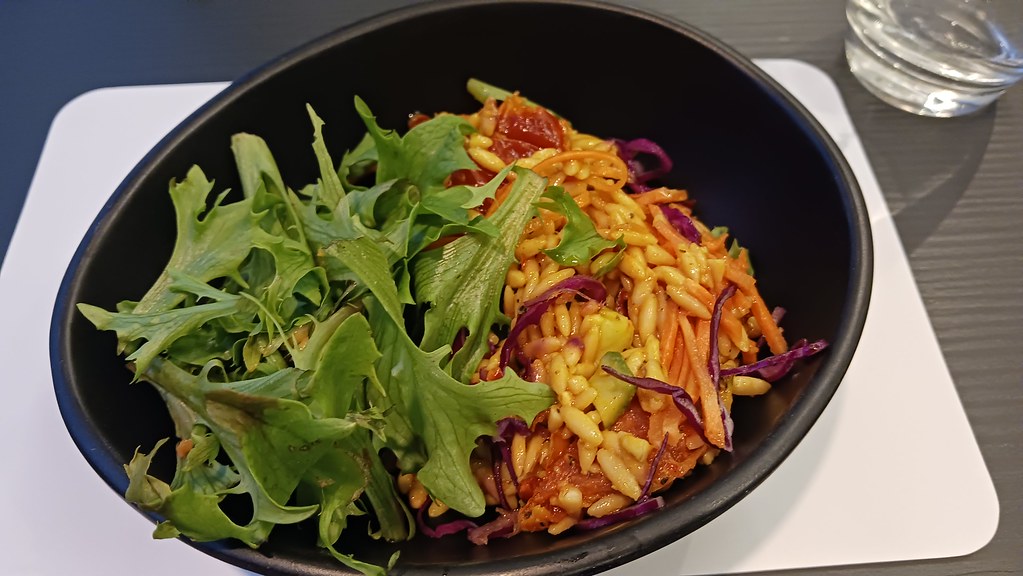 Orzo Pasta SaladKritharosalata ΚριθαρόσαλαταSalads · 32m · serves 6
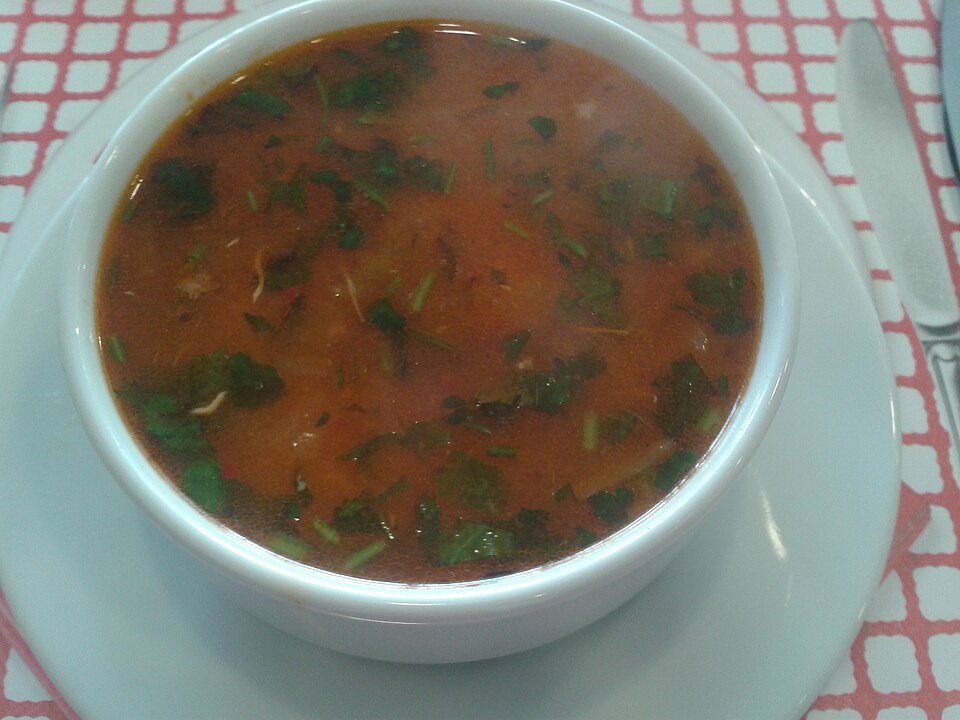 Orzo SoupSoupa kritharaki Σούπα κριθαράκιSoups · 40m · serves 4
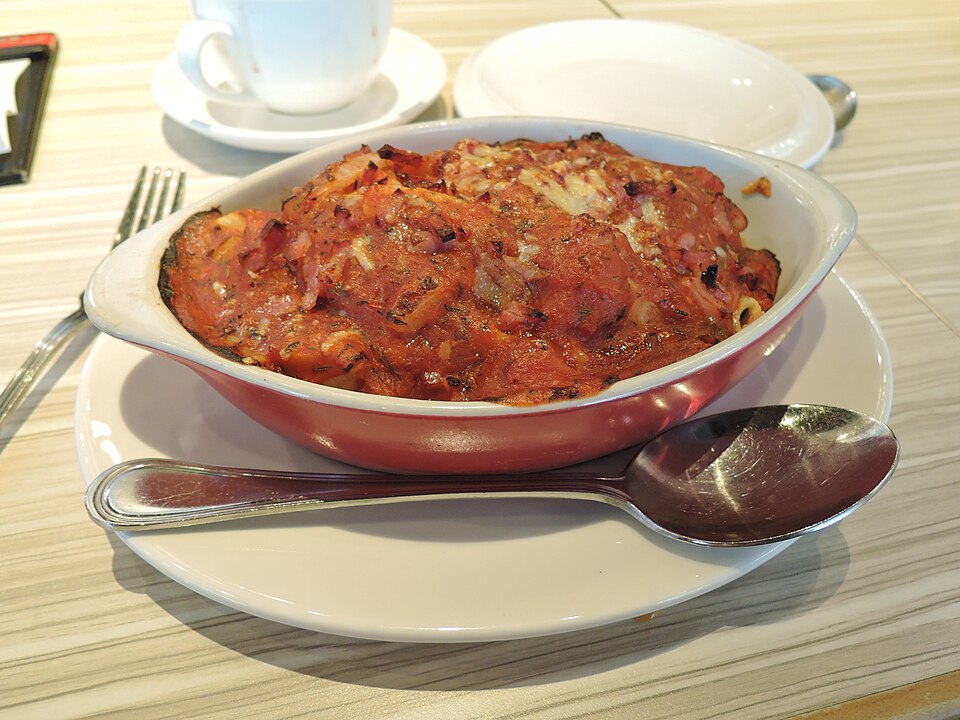 Baked Chicken with OrzoKotopoulo giouvetsi Κοτόπουλο γιουβέτσιMain Courses · 1h 20m · serves 4
Get one proper Greek recipe a week
No round-ups, no filler, no fifteen-ingredient shortcuts. One dish, written out in full, with the reasoning included.
The signup form is not connected yet, so there is nothing here that would quietly lose your address. Email contact@kalliopiskitchen.com and you go on the list by hand.