Greek Meze and Appetisers · Peloponnese · Fried · Mezedes and Ouzo
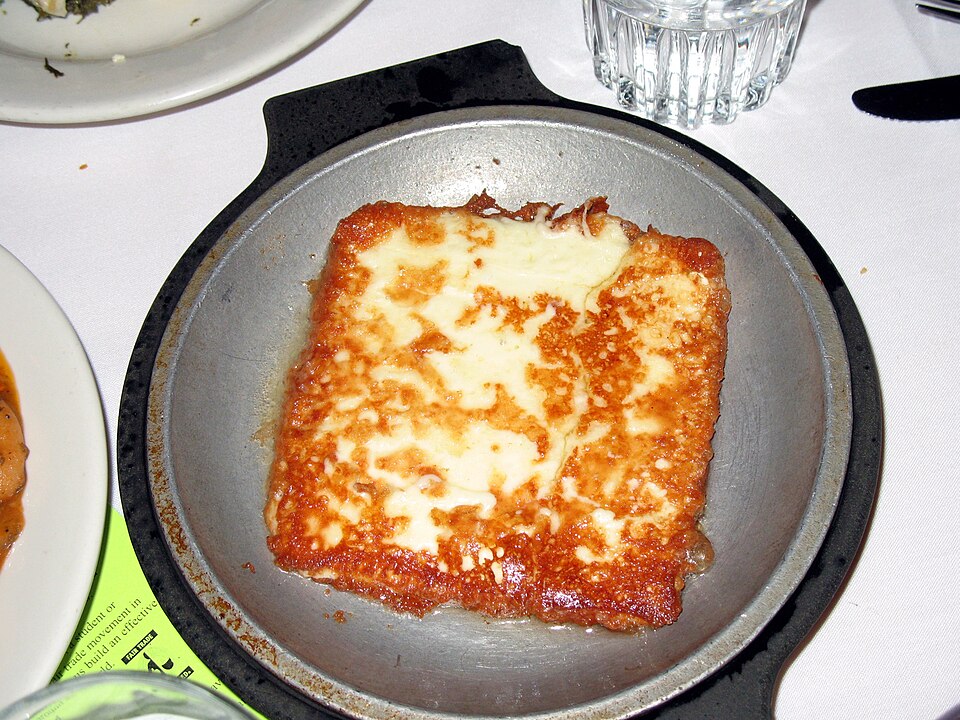
Fried Peloponnese Sfela Cheese (Sfela Saganaki)
Σαγανάκι σφέλα sah-gah-NAH-kee SFEH-lah · Saganaki sfela
In short
Sfela saganaki is the classic Greek fried cheese dish made specifically with Sfela, a firm, brined cheese from the Messinia region of the Peloponnese. Its higher salt content and firm texture make it particularly well suited to frying, holding its shape while the inside turns warm and slightly softened.
Fried Peloponnese Sfela Cheese
- Prep
- 10m
- Cook
- 8m
- Total
- 18m
- Serves
- 4
- Level
- Beginner
Ingredients
Ingredients
Tick ingredients off as you go. Quantities rescale with the buttons above.
Method
- 01Dust the cheese slices lightly in flour, shaking off any excess.
- 02Heat the olive oil in a small, heavy pan over a medium-high heat.
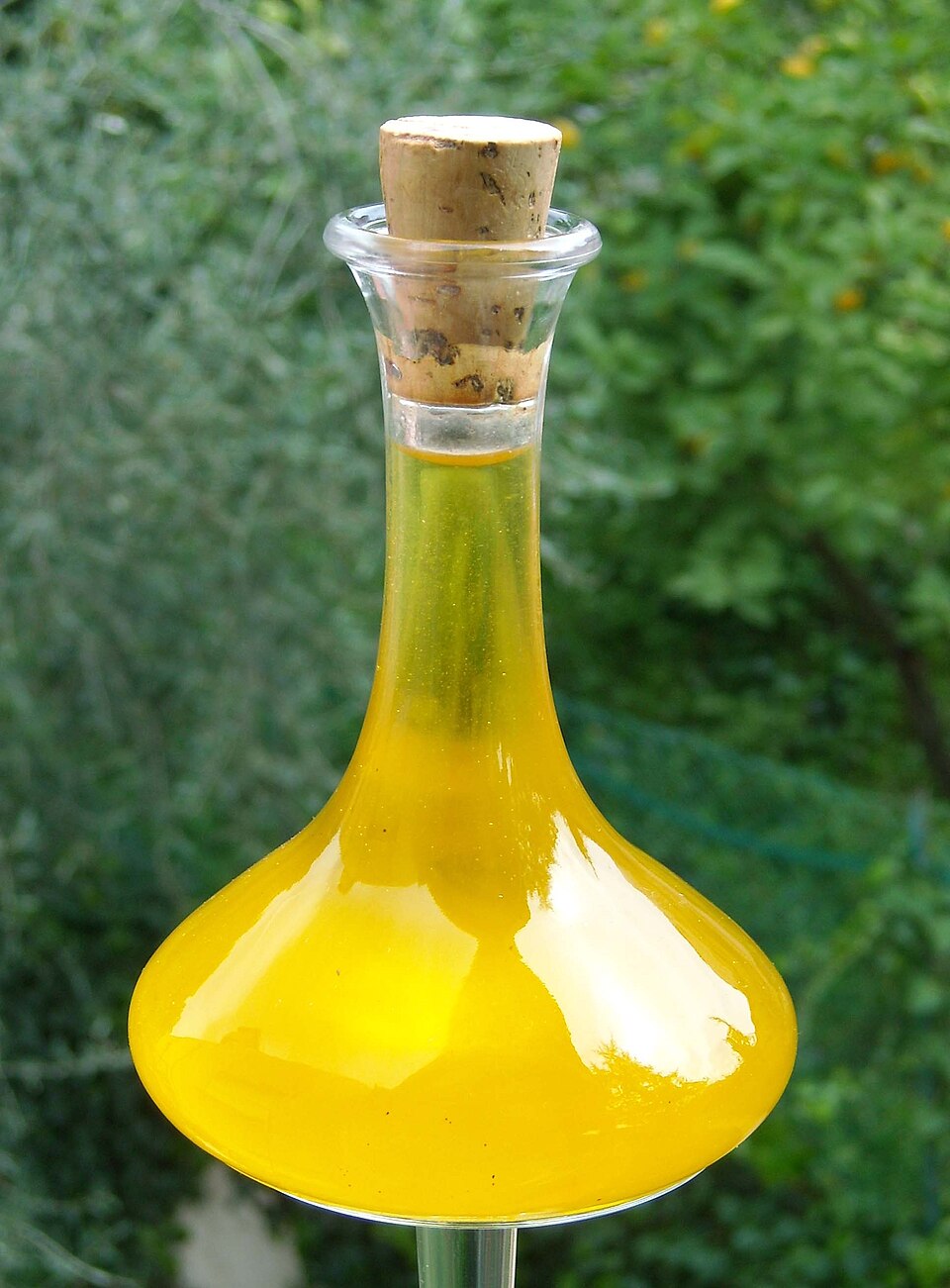
Olive Oil - 03Fry the cheese for 1 to 2 minutes per side, until deeply golden and just beginning to soften inside.
- 04Transfer immediately to a plate.
- 05Squeeze fresh lemon juice over the top just before serving.
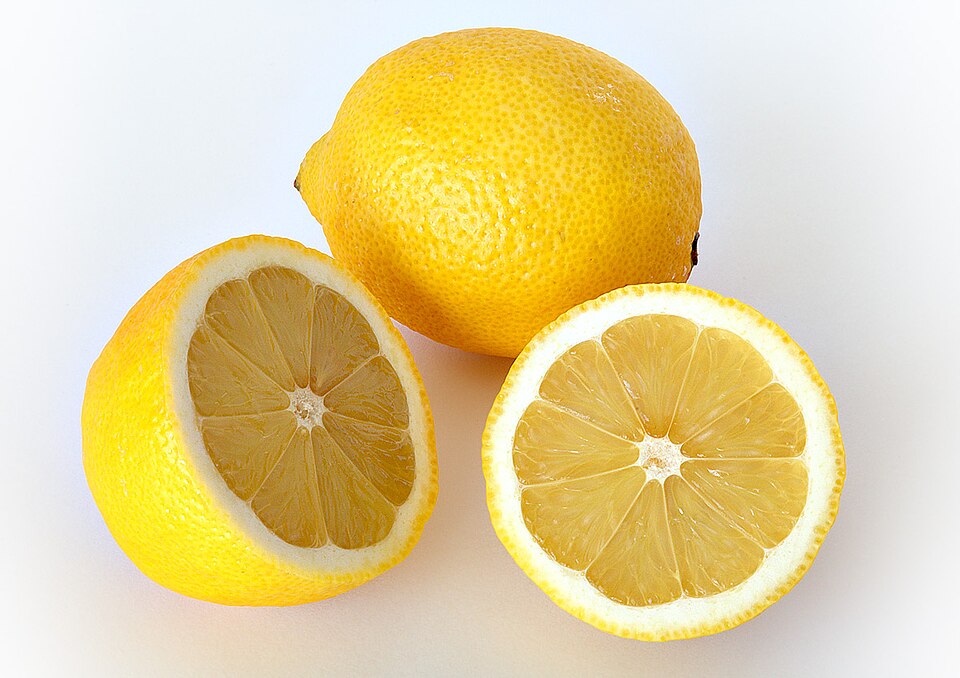
Lemon - 06Serve immediately with bread.Serve immediately.Yiayia
Nutrition, per 1 portion
- Calories
- 298
- Protein
- 17 g
- Carbs
- 8 g
- Fat
- 22 g
- Sat fat
- 12 g
- Fibre
- 0 g
These figures are calculated estimates based on the ingredients listed, not laboratory analysis. Actual values vary with brands, cuts and portion size.
Sfela is a firm, distinctly salty brined cheese with Protected Designation of Origin status from Messinia in the Peloponnese, and its firmness and higher salt content make it genuinely well suited to the saganaki treatment, holding its shape in a hot pan better than a softer cheese while still turning warm and slightly yielding inside.
Where Epirus contributes its own smoked Metsovone to the wider saganaki family, Sfela brings a sharper, saltier Peloponnese character, and the two dishes, built on the same basic technique, taste genuinely different because of it.
As with any saganaki, the whole dish depends on real heat and speed: a light flour dusting, a properly hot pan, and a squeeze of lemon at the very end, with nothing else needed to make it work.
Key preparation steps
- Cut Sfela into thick slices.
- Dust lightly in flour.
- Fry hard and fast until deeply golden on both sides.
- Finish with lemon and serve immediately.
About Sfela
Sfela is a semi-hard, brined sheep and goat's milk cheese from Messinia in the southwestern Peloponnese, holding Protected Designation of Origin status. It carries a noticeably sharper, saltier flavour than a plain feta and a firmer texture that holds together well under heat, which is exactly what makes it suited to frying.
Frying
Cut the cheese into thick slices, around one and a half centimetres, and dust lightly in flour, shaking off any excess. Fry in a hot pan with a small amount of oil for one to two minutes per side, until deeply golden and just beginning to soften inside, watching closely since the coating can burn quickly at the heat this dish wants.
Finishing and serving
A generous squeeze of lemon right at the table is the classic finish, cutting through the cheese's saltiness. Serve immediately with bread, since saganaki firms back up within minutes of leaving the pan and loses much of its appeal once it cools.
What matters in this dish
Watch the heat closely
The flour coating can burn quickly at the temperature this dish needs. Keep an eye on it rather than walking away.
Use Sfela specifically for the authentic version
Its firmness and higher salt content are what suit it particularly well to frying, holding its shape better than a softer cheese.
Serve immediately
Saganaki firms back up within minutes of coming out of the pan and is at its best hot and just softened.
Questions people ask about Saganaki sfela
What is Sfela cheese?
A firm, salty, brined sheep and goat's milk cheese with Protected Designation of Origin status, made in Messinia in the southwestern Peloponnese.
Can you substitute a different cheese?
Kefalotyri or a similarly firm, salty grating cheese is the closest widely available substitute if genuine Sfela is not available.
Why do some cheeses work better for saganaki than others?
A firm cheese that holds its shape under heat, rather than melting completely, is what gives saganaki its characteristic crisp-outside, softened-inside texture. Very soft cheeses simply collapse in the pan.