Greek Meze and Appetisers · Corfu and the Ionian · Fried · Mezedes and Ouzo
Corfu Fried Fish in Vinegar and Rosemary (Savoro)
Σαβόρο sah-VOH-roh · Savoro
In short
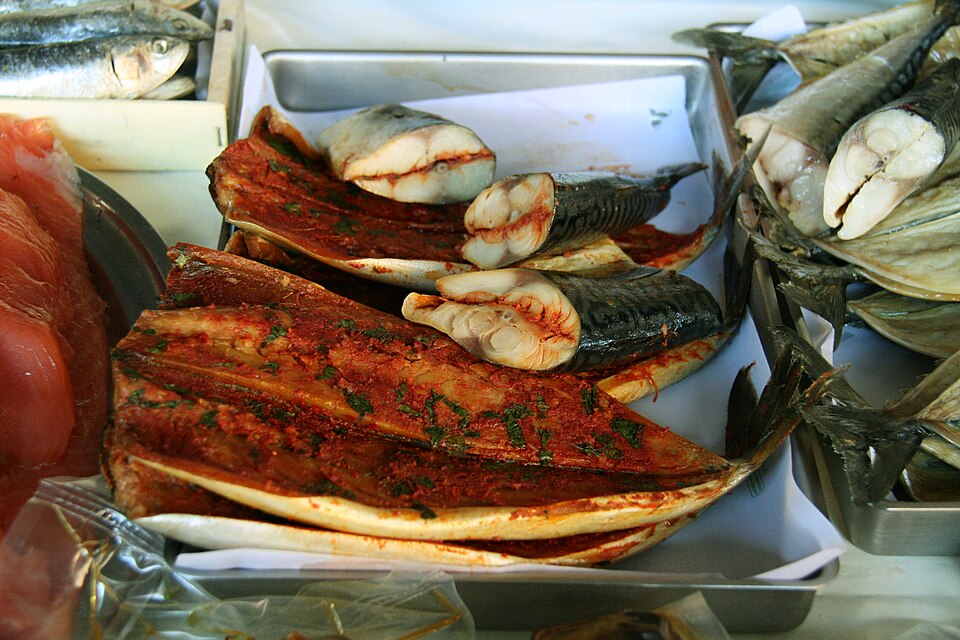
Savoro is a Corfiot dish of fish fried in olive oil and then covered with a hot marinade of red wine vinegar, garlic, rosemary and currants. It is left to cool completely and eaten cold, usually a day or two later, because the vinegar was originally there to keep the fish edible through hot weather rather than simply to flavour it.
Corfu Fried Fish in Vinegar and Rosemary
- Prep
- 20m
- Cook
- 20m
- Total
- 40m
- Serves
- 4
- Level
- Beginner
Ingredients
For the fish
For the savoro marinade
Tick ingredients off as you go. Quantities rescale with the buttons above.
Method
- 01Pat the fish completely dry, season with salt and pepper and dust all over with flour, shaking off the excess.
- 02Heat the olive oil in a wide frying pan until a pinch of flour sizzles at once. Fry the fish in batches for 3 to 4 minutes a side, until crisp and golden.
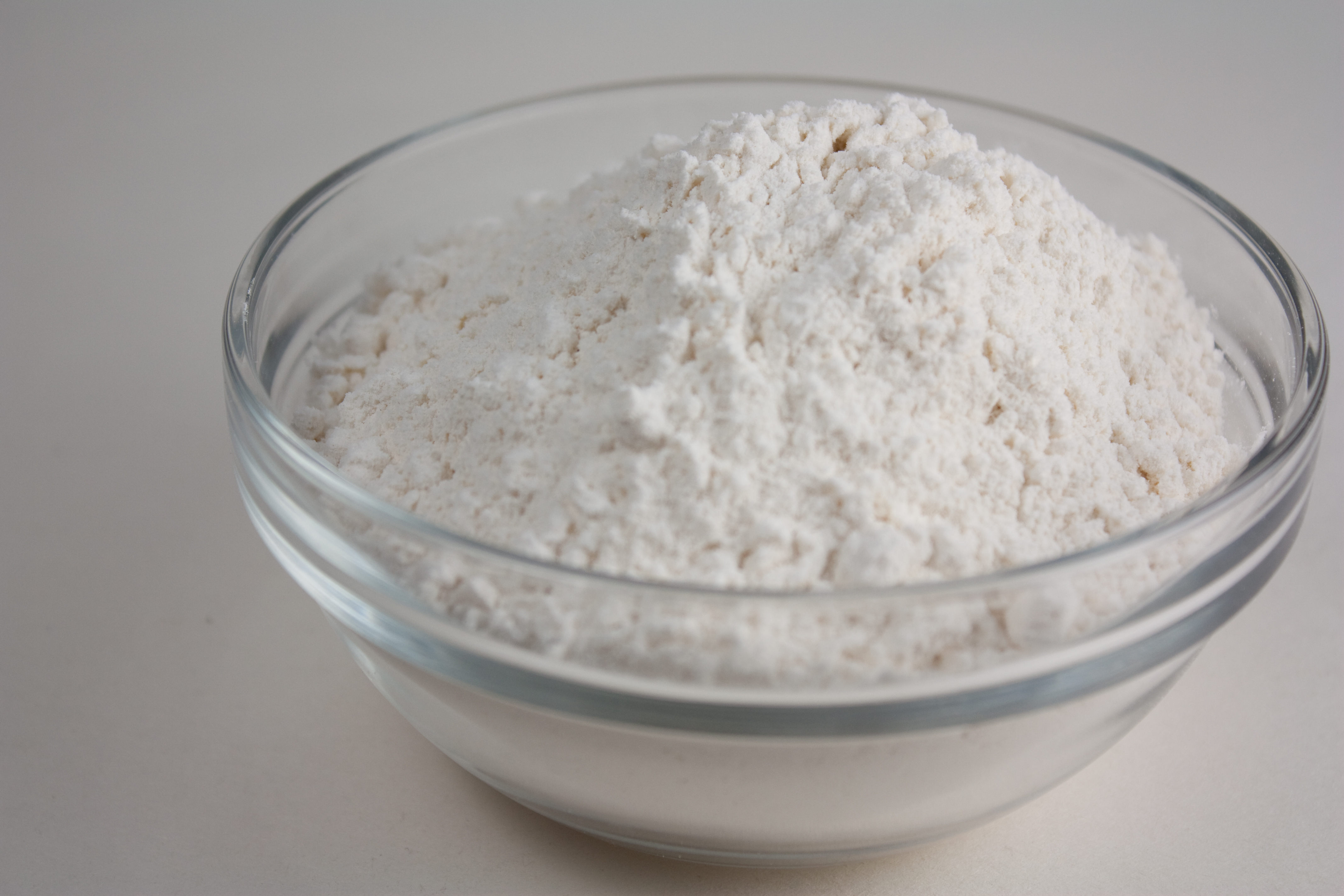
Flour Dry the fish before flouring.Yiayia - 03Lift the fish out onto a wide shallow dish, in a single layer if you can.
- 04Pour off all but about 4 tablespoons of the oil. Add the sliced garlic, rosemary and bay leaves and fry over medium heat for 1 minute, until the garlic is pale gold but not browned.
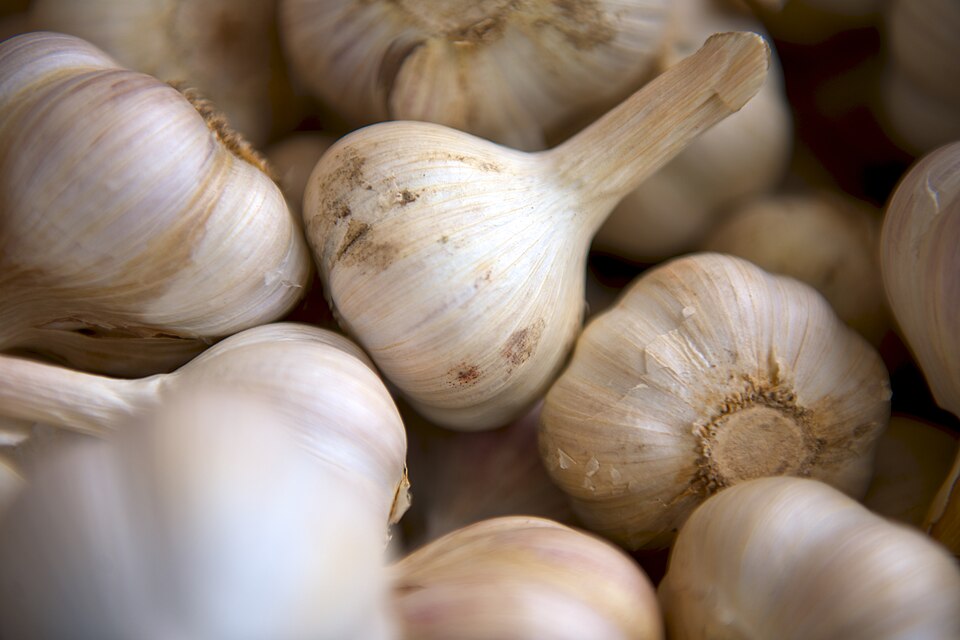
Garlic - 05Stand back and pour in the vinegar. Add the currants and the sugar if using, and boil hard for 1 minute.
- 06Pour the hot marinade evenly over the fish, making sure every piece is wetted.
- 07Leave to cool completely at room temperature, at least 4 hours, then serve cold with bread.
Nutrition, per 1 portion
- Calories
- 412
- Protein
- 31 g
- Carbs
- 22 g
- Fat
- 22 g
- Sat fat
- 4 g
- Fibre
- 1 g
These figures are calculated estimates based on the ingredients listed, not laboratory analysis. Actual values vary with brands, cuts and portion size.
Savoro is the Ionian answer to a problem every island kitchen once had: how to keep a good catch edible in August without ice. Fish is fried first, then a fierce hot marinade of red wine vinegar, garlic and rosemary is poured straight over it, and the acid does the keeping.
The name comes from the Venetian saor, and four centuries of Venetian rule are the reason Corfu, Lefkada and the rest of the Ionian cook with vinegar, garlic and currants in a way the rest of Greece does not. The currants are not a decoration, they are the sweetness that stops the vinegar dominating.
It is meant to be eaten cold and it improves for a day or two in the fridge, which makes it one of the few Greek fish dishes you can genuinely make ahead. Corfiot cooks make it with small fish such as picarel or sardines, or with thick steaks of scorpion fish when the boat has had a good day.
Key preparation steps
- Flour and fry the fish in olive oil until crisp.
- Fry garlic and rosemary in the same oil.
- Add vinegar and currants and boil hard for a minute.
- Pour the hot marinade over the fish and leave to cool.
Which fish works best for savoro?
Small oily fish take to savoro best, because their flesh is firm enough to survive frying and then sitting in vinegar without collapsing. Picarel, sardines, small red mullet and horse mackerel are all traditional. Thick steaks of a firmer white fish such as scorpion fish, hake or even cod also work well, and they hold their shape better if you plan to keep the dish for two or three days.
Whatever you use, dry the fish thoroughly before flouring it. Wet fish steams rather than fries, and the crust is what stops the fillets falling apart once the vinegar hits them.
Why is the marinade poured over hot?
The vinegar is boiled hard for a minute in the same oil the fish was fried in, then poured over while it is still spitting. Hot marinade penetrates the fish immediately and drives the rosemary and garlic right through it, where a cold dressing would only ever sit on the surface.
Boiling also takes the raw edge off the vinegar. A minute at a full boil turns it from harsh to round, and it is the difference between a dish that tastes preserved and one that tastes merely sour.
What do the currants do?
Currants are the Venetian fingerprint on this dish. They swell in the hot vinegar, release sugar into the marinade and balance the acid so the whole thing tastes savoury and sweet at once rather than sharp.
Leave them out and savoro becomes a plain vinegar pickle. Corfiot cooks who have run out sometimes use a spoonful of petimezi or honey instead, which does the same job less elegantly.
How long should savoro rest before eating?
Give it at least four hours at room temperature, and it is genuinely better the next day. The fish needs time to draw the marinade in, and the crust needs time to soften into it.
Serve it cold or barely cool, never warmed through, with bread to mop the dish and a glass of something white and sharp. It keeps three or four days covered in the fridge, and the flavour deepens the whole time.
What matters in this dish
Dry the fish before flouring
Any surface water turns the flour to paste and the fish steams instead of crisping. A crisp crust is what holds the fillets together once the vinegar goes over.
Do not brown the garlic
It only needs a minute in the hot oil to release its scent. Browned garlic turns bitter, and the bitterness sits in the marinade for days rather than cooking away.
Make it the day before
Savoro is one of the few Greek fish dishes that is genuinely better on day two. Make it in the morning for the following evening and it will be at its best.
Questions people ask about Savoro
Is savoro served hot or cold?
Cold, always. The dish was built to be made in advance and eaten at room temperature or straight from the fridge, and warming it back up softens the crust and dulls the vinegar.
Can savoro be made without currants?
It can, but the balance changes. The currants supply the sweetness that rounds off the vinegar. A teaspoon of sugar or a spoonful of petimezi gets you part of the way there if you have none.
How long does savoro keep?
Three or four days covered in the fridge. The vinegar is doing preserving work, which is exactly why the dish exists, so it holds far better than plain fried fish.
What vinegar should I use?
Red wine vinegar is traditional and gives the right colour and depth. White wine vinegar works and tastes cleaner. Balsamic is too sweet and too dark for this dish.