Greek Soups · The Mainland · Boiled and Simmered · Lent and Nistisima
Greek Chickpeas with Spinach (Revithia me Spanaki)
Ρεβίθια με σπανάκι reh-VEE-thya meh spah-NAH-kee · Revithia me spanaki
In short
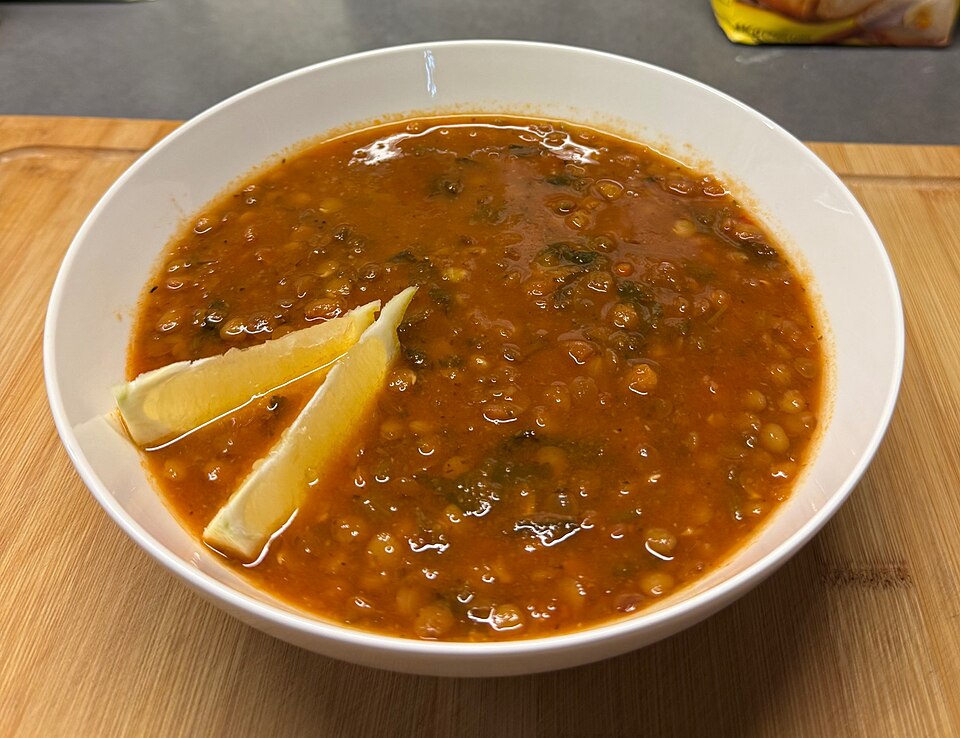
Revithia me spanaki is a Greek fasting dish of dried chickpeas simmered slowly with onion and olive oil until creamy, then finished with a large quantity of spinach, dill and lemon juice. Part of the chickpeas are usually crushed against the side of the pot to thicken the liquid, so it sits between a soup and a stew.
Chickpeas with Spinach
- Prep
- 15m
- Cook
- 1h 20m
- Total
- 1h 35m
- Serves
- 5
- Level
- Beginner
Ingredients
For the chickpeas
To finish
Tick ingredients off as you go. Quantities rescale with the buttons above.
Method
- 01Soak the chickpeas overnight in plenty of cold water with the bicarbonate of soda. Drain and rinse thoroughly.
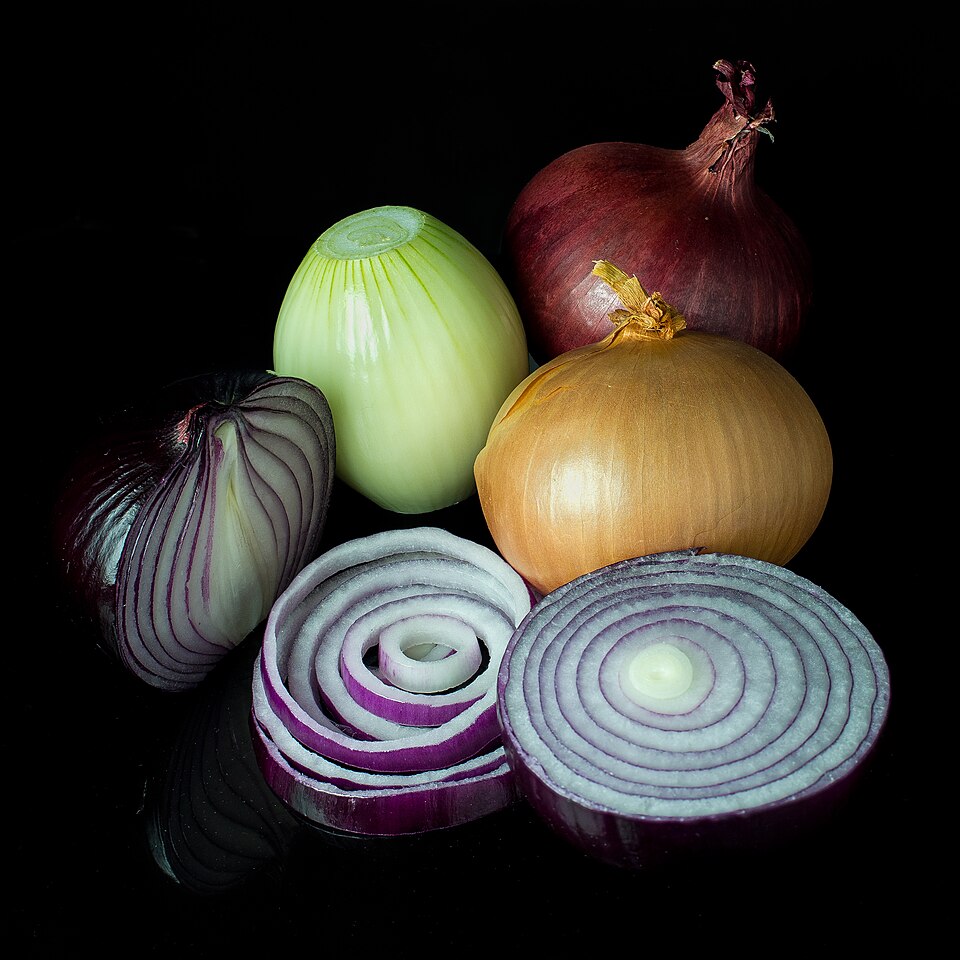
- 02Heat the 100 ml olive oil in a large pot and cook the onions gently for 10 minutes until soft. Add the garlic for 1 minute more.
Onion - 03Add the drained chickpeas, the bay leaf and the hot water. Bring to a simmer and skim off any foam.
- 04Cook uncovered at a gentle simmer for 60 to 75 minutes, until the chickpeas are completely creamy inside. Top up with hot water if they become exposed.
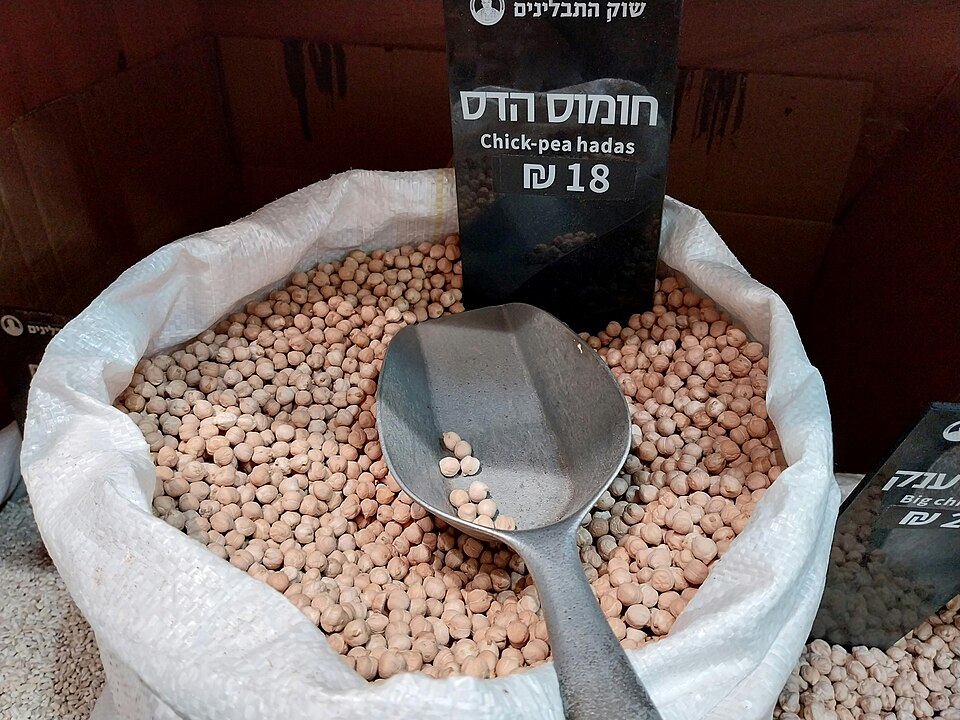
Chickpeas - 05In the last 20 minutes, crush about a fifth of the chickpeas against the side of the pot with a wooden spoon to thicken the liquid. Season with salt and pepper now, not before.Salt only once the chickpeas are soft.Yiayia
- 06Add the spinach in handfuls, stirring each one in until it wilts. Cook for 3 to 4 minutes only.
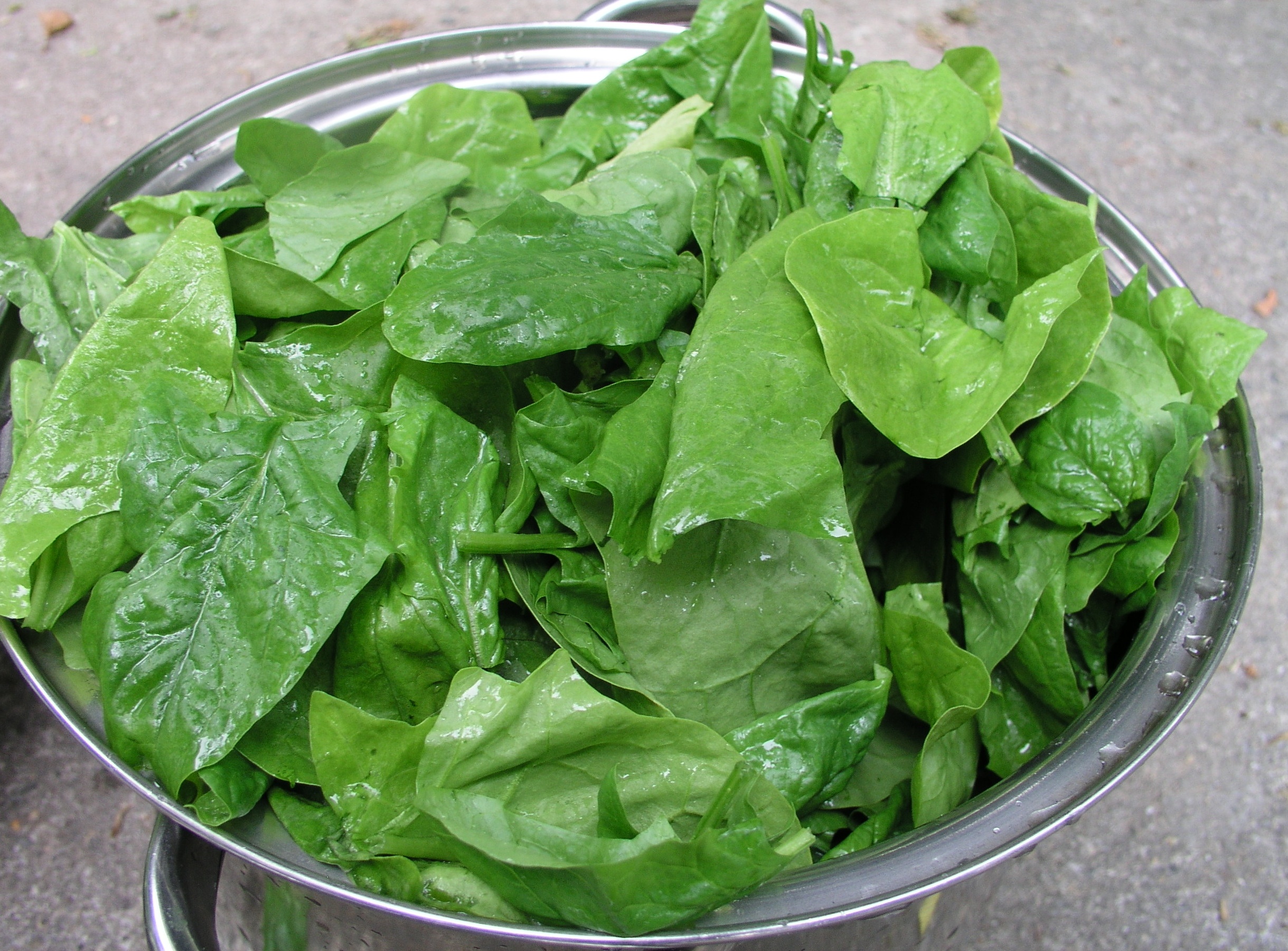
Spinach - 07Take the pot off the heat. Stir in the dill and the lemon juice, then pour over the extra virgin olive oil.
- 08Rest for 5 minutes, taste for salt and lemon, and serve with bread.
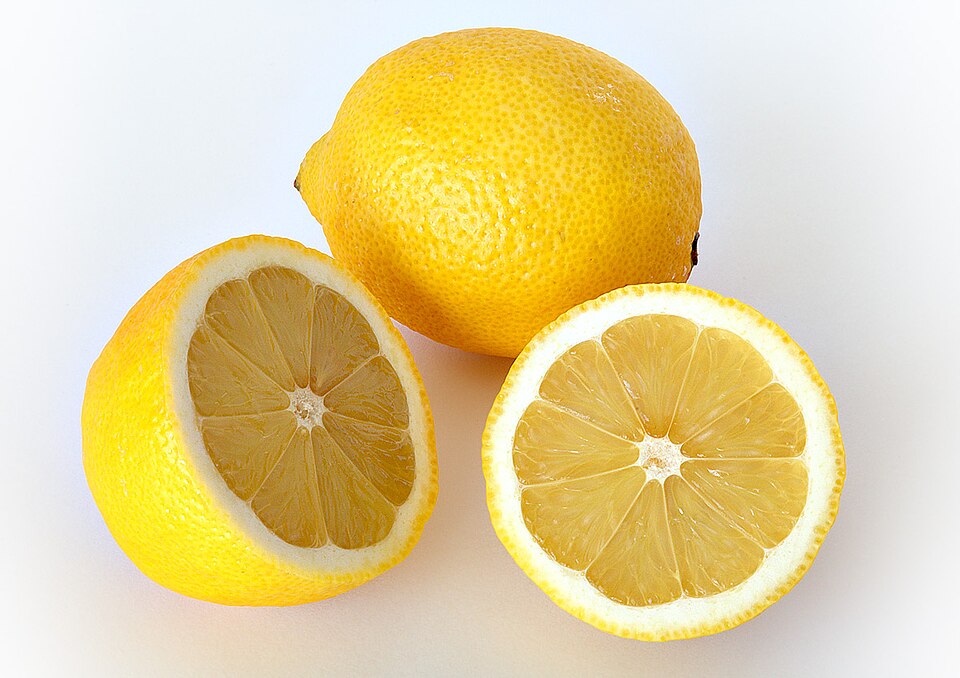
Lemon
Nutrition, per 1 portion
- Calories
- 486
- Protein
- 19 g
- Carbs
- 48 g
- Fat
- 25 g
- Sat fat
- 4 g
- Fibre
- 14 g
These figures are calculated estimates based on the ingredients listed, not laboratory analysis. Actual values vary with brands, cuts and portion size.
Chickpeas and greens is one of the oldest combinations in Greek cooking and it survives because it does something no other fasting dish quite manages: a bowl that is genuinely filling, genuinely cheap, and bright enough with lemon and dill that nobody thinks of it as penance.
The chickpeas are the whole job. Dried, soaked overnight, and cooked slowly until they are creamy right through rather than merely soft, which takes over an hour and cannot be shortened without losing the texture that makes the dish.
Everything else happens in the last ten minutes. A large bag of spinach goes in and collapses to almost nothing, then dill, then a lot of lemon juice and a final pour of raw olive oil off the heat. That last oil is not optional: it is the finish, and in Greek kitchens it is measured with a heavy hand.
Key preparation steps
- Soak dried chickpeas overnight with bicarbonate of soda.
- Simmer slowly with onion and olive oil until creamy.
- Crush some of the chickpeas to thicken the liquid.
- Wilt in spinach, then finish with dill, lemon and raw oil.
Do I have to use dried chickpeas?
For the proper version, yes. Dried chickpeas cooked from scratch release starch into their own cooking liquid, and that starch is what gives the dish its creamy body. Tinned chickpeas arrive already cooked and give you a thin, watery result.
If tins are the only option, use three 400 g tins, drain and rinse them, and simmer them in 700 ml of vegetable stock for twenty minutes, crushing more of them than usual against the pot to make up for the missing starch.
Why add bicarbonate of soda to the soak?
It softens the skins and helps the chickpeas cook evenly, which matters a great deal if your water is hard or the chickpeas have been in the cupboard a while. A quarter teaspoon in the soaking water is enough.
Rinse them properly afterwards, since any bicarbonate carried into the pot gives a faint soapy taste. Some Greek cooks also rub the soaked chickpeas between their palms to loosen the skins and float them off, which gives a silkier finished pot.
How do I thicken it without flour?
Crush the chickpeas themselves. Take a wooden spoon to about a fifth of them against the side of the pot in the last twenty minutes and they will dissolve into the liquid and thicken it exactly the way it should be thickened.
The alternative is to lift out a ladleful, blend it and stir it back in, which gives a smoother result. What you should not do is add flour or cornflour, which flattens the flavour and gives a slightly gluey texture that is easy to detect.
When do the spinach and lemon go in?
Right at the end. Spinach needs three or four minutes at most and it will collapse to about a tenth of its raw volume, so add far more than looks sensible.
Lemon juice goes in off the heat, along with the dill and the last of the raw olive oil. Acid added early dulls as it cooks and can also toughen the skins of pulses, so squeezing it in at the very end is both better tasting and better technique.
What matters in this dish
Salt only once the chickpeas are soft
Salt added at the start slows the softening and can leave the skins tough. Season in the last twenty minutes, once they are already creamy.
Use far more spinach than seems right
Half a kilo of raw spinach cooks down to about a large handful. Underdo it and the dish is chickpeas with a hint of green rather than the balance it should be.
Keep the last oil raw
Four tablespoons of good olive oil stirred in off the heat is the finish, not an extravagance. Cooked oil and raw oil taste entirely different, and this dish wants both.
Questions people ask about Revithia me spanaki
Is revithia me spanaki a soup or a stew?
It sits between the two and Greek cooks make it either way. Crush more chickpeas and add less water for a thick stew, or leave them whole with more liquid for a soup. Both are correct.
Can I use other greens?
Yes. Chard, wild greens and young nettles all work, and a mixture is arguably better than spinach alone. Tougher greens need eight to ten minutes rather than three, so add them earlier.
Why are my chickpeas still hard after an hour?
Usually old chickpeas, hard water, or salt added too early. A pinch of bicarbonate in the soak fixes the first two, and holding the salt back until the end fixes the third. Very old chickpeas may simply never soften.
Does it keep well?
Very well, and it is better the next day once the flavours have settled. It thickens in the fridge, so loosen it with hot water and add fresh lemon juice and raw olive oil before serving again.