Greek Desserts · Northern Greece · The Mainland · Baked · The Sunday Table
Greek Semolina Syrup Cake (Ravani)
Ραβανί rah-vah-NEE · Ravani
In short
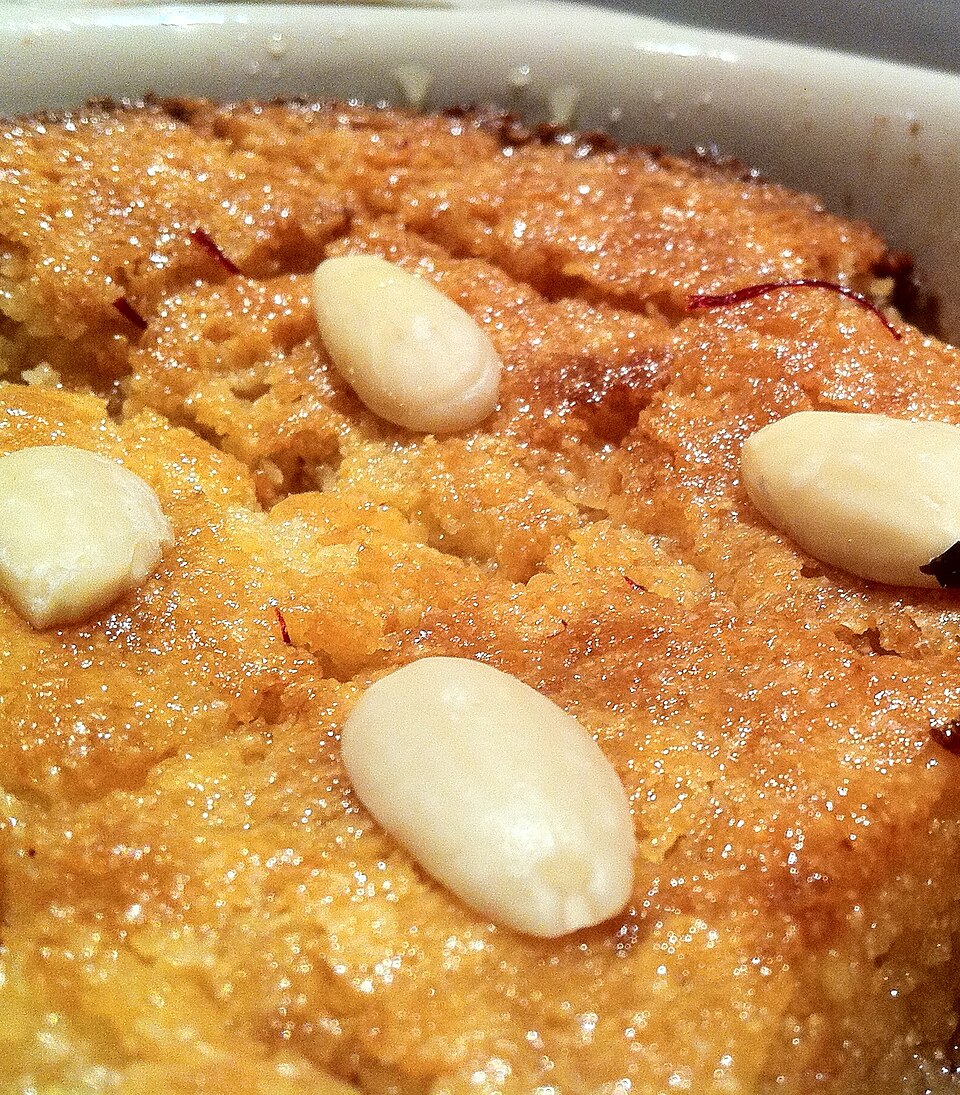
Ravani is a Greek sponge cake built substantially on semolina rather than only flour, baked until risen and golden, then drenched in a citrus-scented syrup while still hot from the oven. It belongs to the same syrup-soaked family as karydopita and portokalopita, but with a lighter, more genuinely cake-like crumb.
Semolina Syrup Cake
- Prep
- 25m
- Cook
- 40m
- Total
- 1h 5m
- Serves
- 12
- Level
- Beginner
Ingredients
For the cake
For the syrup
Tick ingredients off as you go. Quantities rescale with the buttons above.
Method
- 01Heat the oven to 170C fan 150C. Butter and line a 30 x 22 cm baking tin.
- 02Whisk the eggs and sugar together until pale, thick and roughly tripled in volume, about 5 minutes.
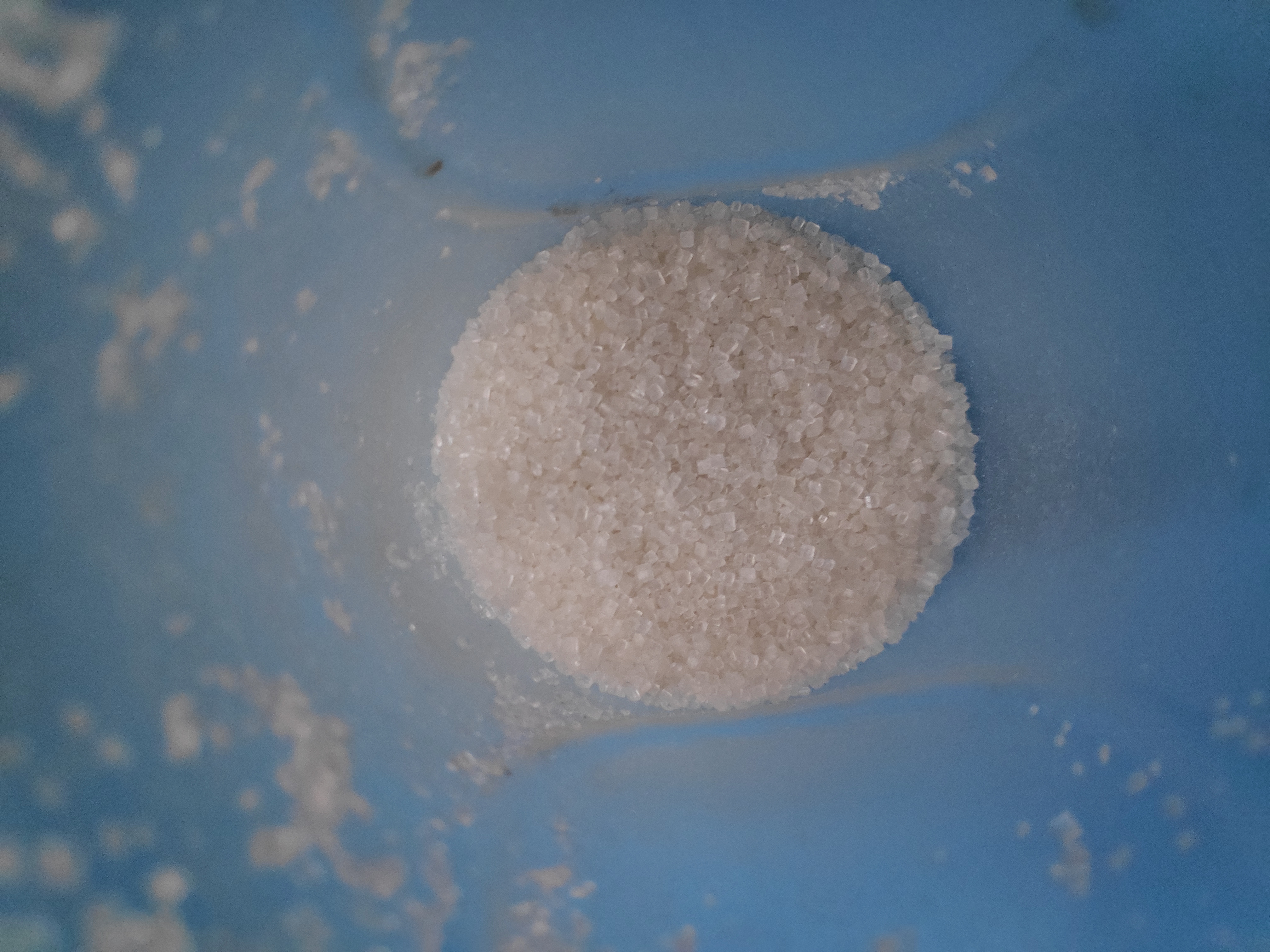
Sugar Whisk the eggs and sugar properly.Yiayia - 03Fold in the oil or melted butter gently.
- 04Sift together the semolina, flour and baking powder, then fold into the mixture in two batches along with the orange zest, mixing only until just combined.
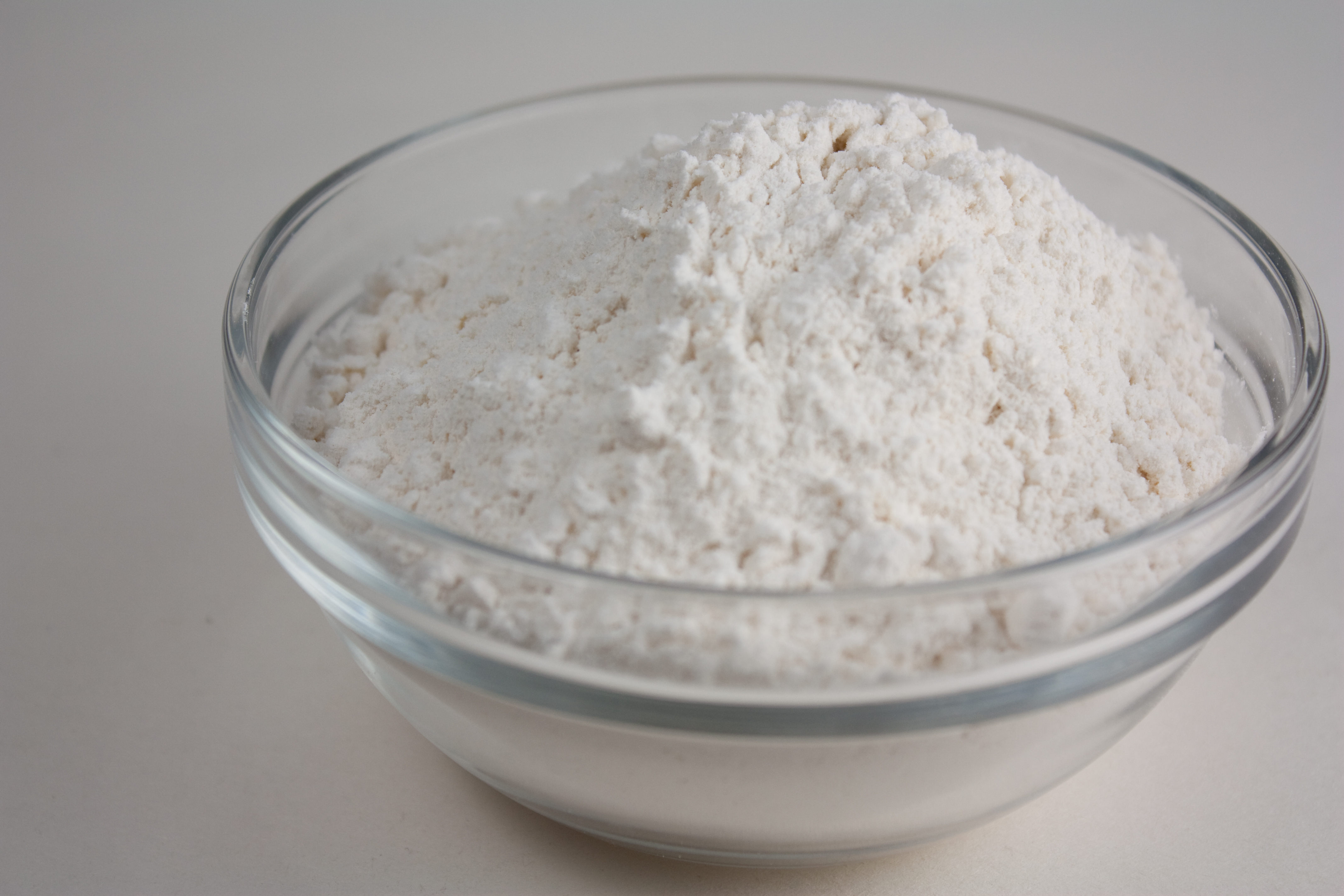
Flour - 05Pour into the prepared tin and bake for 35 to 40 minutes, until well risen, golden, and a skewer comes out clean.
- 06While the cake bakes, make the syrup: heat the sugar, water, lemon juice and orange peel, stirring until the sugar dissolves, then simmer for 5 minutes. Remove the orange peel and keep the syrup hot.
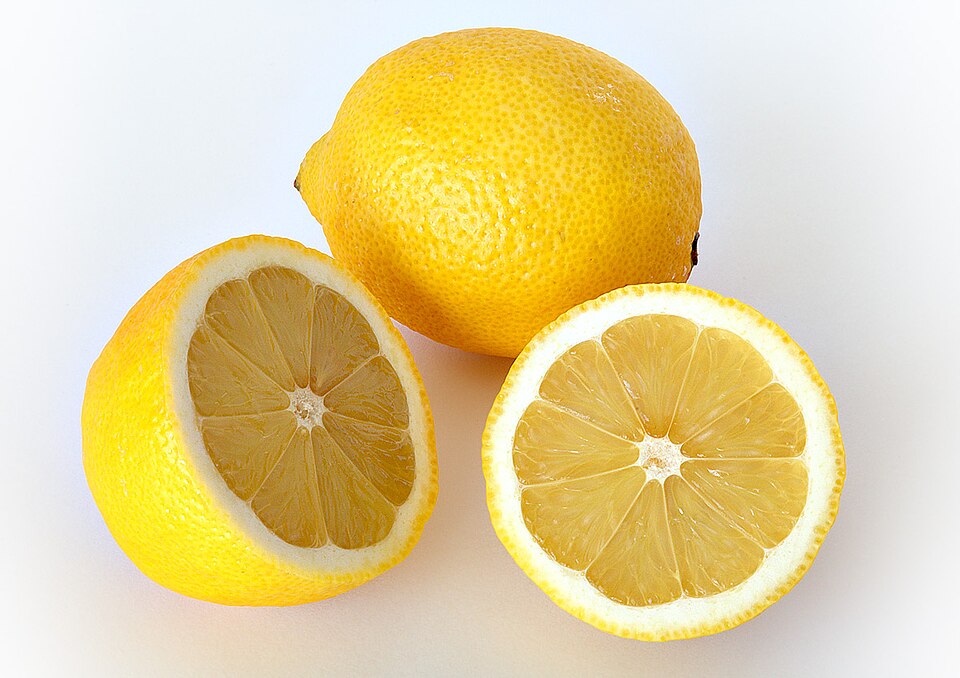
Lemon - 07The moment the cake comes out of the oven, pour the hot syrup slowly and evenly over the top.
- 08Leave to absorb for at least 1 hour before cutting into pieces. Dust with desiccated coconut if using.
Nutrition, per 1 piece
- Calories
- 268
- Protein
- 5 g
- Carbs
- 40 g
- Fat
- 10 g
- Sat fat
- 2 g
- Fibre
- 1 g
These figures are calculated estimates based on the ingredients listed, not laboratory analysis. Actual values vary with brands, cuts and portion size.
Ravani sits comfortably alongside karydopita and portokalopita in the wide family of Greek cakes that get soaked in syrup after baking rather than during, but its crumb is genuinely lighter and more cake-like than either, thanks to a proper whisked egg structure alongside the semolina rather than semolina carrying the whole texture on its own.
It is popular across Greece generally but particularly associated with the north, and it is a good introduction to syrup cakes for anyone nervous about the technique, since the sponge itself is straightforward and forgiving, whisked eggs and sugar, folded gently with semolina, flour and citrus zest.
As with any syrup cake, the one rule that actually matters is temperature: hot cake, hot syrup, poured on the moment the cake comes out of the oven, never the reverse and never with either one cooled first.
Key preparation steps
- Whisk eggs and sugar until pale and thick.
- Fold in semolina, flour, baking powder and citrus zest gently.
- Bake until well risen and golden.
- Pour hot citrus syrup over the hot cake immediately.
Building the sponge
Whisk eggs and sugar together until genuinely pale, thick and roughly tripled in volume, which takes a good five minutes with an electric mixer and is what gives ravani its lighter texture compared with denser semolina-only cakes. Fold in melted butter or oil, then the semolina, flour, baking powder and orange or lemon zest, gently and only until combined, since deflating this whisked structure gives a flatter, denser cake.
Baking
Bake in a moderate oven until well risen, deeply golden, and a skewer comes out clean, generally thirty-five to forty minutes. It should spring back gently when pressed rather than feeling wet or sunken in the centre.
The syrup, and the timing that matters
Make a simple syrup of sugar, water, lemon juice and a strip of orange peel, simmered for a few minutes, and have it hot and ready before the cake even comes out of the oven. Pour the hot syrup slowly and evenly over the cake the moment it is out of the tin, still fully hot, letting it soak in gradually rather than all in one place.
Leave the cake to absorb the syrup fully for at least an hour before cutting, and finish with a light dusting of desiccated coconut, a common traditional topping, if you like.
What matters in this dish
Whisk the eggs and sugar properly
A genuine five minutes to pale, thick and tripled in volume is what gives ravani its lighter, more cake-like crumb compared with denser semolina cakes.
Have the syrup hot and ready before the cake finishes baking
Hot syrup on a hot cake is the one rule that matters for any Greek syrup cake. Do not let either cool first.
Give it real time to absorb
At least an hour before cutting lets the syrup settle evenly through the cake rather than pooling at the edges.
Questions people ask about Ravani
What is the difference between ravani and karydopita?
Ravani uses a genuinely whisked egg and sugar base for a lighter, more cake-like crumb, with semolina and flour folded in. Karydopita relies mostly on ground walnuts for its body, giving a denser, nuttier result.
Why is ravani sometimes topped with coconut?
A light dusting of desiccated coconut over the syrup-soaked cake is a common, traditional finishing touch, adding a little texture and a mild sweetness on top.
How long does ravani keep?
Four to five days at room temperature, covered, staying moist thanks to the syrup soak throughout that time.